Why Wine Clubs Need a Dedicated Factory Audit for Organic Cotton Totes
Wine clubs operate on tight margins and brand trust. A tote that rips under a bottle, prints that fade after one wash, or handles that pull out during a tasting event—these failures damage your reputation and cost you repeat customers. A factory audit focused on organic cotton totes for wine clubs is not a nice-to-have; it is a risk management step that separates professional buyers from those who learn the hard way.
Generic tote audits miss the specific demands of wine club use: the weight of glass bottles, the need for upright stability, and the expectation of eco-friendly materials that match your brand story. This guide walks through the exact specs, tests, and supplier questions that matter for wine club totes. Use it to write a tighter RFQ, compare supplier quotes with real criteria, and avoid the most common production mistakes.
The audit process itself must verify that the factory can consistently produce totes that meet these demands. This means going beyond a paper checklist to observe the production floor, test incoming fabric, and review in-process quality control. A factory that understands wine club requirements will have dedicated stations for bartack reinforcement, a curing tunnel for water-based prints, and a documented procedure for handling organic cotton lot traceability. Without this level of scrutiny, you risk a shipment that looks acceptable on the surface but fails in the hands of your members.
- Bottle weight—1.2 to 1.5 lb each—requires fabric GSM above 270 and reinforced stitching at all stress points.
- Wine club totes often go direct to consumer, so print and label quality must be retail-ready with no loose threads or off-center logos.
- Organic cotton certification (GOTS or OCS) must be verified at the fabric source, not just the finished bag, with a valid transaction certificate.
Fabric Weight and Construction: The Foundation of a Bottle-Ready Tote
The most common mistake wine clubs make is choosing a tote that looks good on a sample table but fails under real use. A 6 oz (200 GSM) organic cotton canvas might be fine for a light giveaway, but it will not hold up to a 750 ml bottle plus a second bottle or a corkscrew and wine key. For wine club totes, 8–10 oz (270–340 GSM) organic canvas is the baseline. The fabric must be tightly woven—look for a thread count above 60 per inch—to prevent stretching and tearing at the seams.
Beyond weight, check the weave structure. A plain weave is standard, but a twill weave adds diagonal strength that resists tearing. Some suppliers offer a heavy-duty duck canvas (10 oz+) that is ideal for totes carrying two or more bottles. Ask for a fabric swatch card with GSM, thread count, and weave type before you approve any sample. If the supplier cannot provide these numbers, that is a red flag.
Fabric construction also affects the tote's hand feel and printability. A tightly woven twill provides a smoother surface for screen printing, while a looser plain weave may absorb more ink, leading to a softer but less crisp print. During the audit, inspect the fabric storage area: organic cotton rolls should be stored off the floor on racks, in a clean, dry environment away from direct sunlight. Moisture or dust on stored fabric can lead to mildew or staining that only becomes visible after washing. Ask to see the fabric inspection report for the lot that will be used for your order; it should include GSM tolerance, shade continuity, and defect mapping per roll.
- Minimum 270 GSM for single-bottle totes; 340+ GSM for two-bottle totes to prevent fabric strain.
- Twill weave preferred over plain weave for tear resistance and a smoother print surface.
- Request a fabric tear test (ASTM D1424) if you plan to carry heavy loads regularly or ship to humid climates.
Stitching and Seam Strength: Where Most Totes Fail
A tote is only as strong as its seams. For wine club totes, the side seams and handle attachments take the most stress. Single-needle stitching is not acceptable—it creates a weak point that can unravel under load. Double-needle stitching, with two parallel rows of thread, is the minimum. For handle attachments, bartack reinforcement—a dense zigzag stitch—at the stress points adds significant strength. Some premium totes use rivets or metal grommets at the handle base, but these add cost and may not align with a natural organic aesthetic.
During a factory audit, ask to see the sewing line and check stitch density. Industry standard is 8–10 stitches per inch. Lower density means weaker seams. Also check thread type: polyester thread is stronger and more UV-resistant than cotton thread, though cotton thread is fully compostable. If your brand requires 100% organic materials, you may need to accept a trade-off between compostability and seam strength. In that case, specify a heavier fabric and double bartacking.
Seam construction goes beyond stitch type. The seam allowance—the fabric edge inside the seam—should be at least 3/8 inch for side seams and 1/2 inch for the bottom gusset. A narrow seam allowance is prone to fraying and seam slippage. During the audit, cut open a sample seam to check the allowance and look for loose threads. Also verify that the factory uses a lockstitch machine, not a chainstitch, for structural seams; chainstitches can unravel from a single broken thread. For the handle attachment, a box stitch with an X inside provides the most secure connection. Ask the factory to demonstrate a handle pull test on a finished tote using a force gauge; the seam should hold 30 lb without any stitch breakage or fabric tear.
- Double-needle stitching on all side seams and bottom gusset with a minimum 3/8 inch seam allowance.
- Bartack reinforcement at handle attachment points—minimum 3/4 inch long—using a lockstitch machine.
- Stitch density: 8–10 stitches per inch; reject if below 8 SPI in any critical seam.
Print Method and Durability: Screen Print vs. Woven Label vs. Embroidery
Wine club totes often carry a logo, club name, or seasonal design. The print method affects both cost and durability. Screen printing with water-based ink is the most common choice for organic cotton totes because it is eco-friendly, soft to the touch, and bonds with the fabric fibers. However, water-based ink requires proper curing—heat setting—to be wash-resistant. A poorly cured print will crack or wash out after a few cycles. During a factory audit, check the curing tunnel temperature and dwell time. Ask for a wash test report showing print adhesion after 5 home washes.
Woven labels are a premium alternative that avoids print durability issues entirely. A woven label sewn into the side seam or top edge adds a tactile, high-end feel and lasts the life of the bag. Embroidery is another option, but it adds weight, can snag on bottle labels, and is more expensive per unit. For wine clubs that want a clean, natural look, a woven label with your logo is often the best investment. Screen printing works well for seasonal or promotional runs where cost per unit is critical.
The choice between print methods also impacts the factory's production workflow and your quality control points. Screen printing requires a clean, dust-free print room with proper ventilation for ink drying. The curing tunnel must maintain a consistent temperature—typically 300–350°F—for 2–3 minutes to ensure the ink cross-links with the cotton fibers. Ask to see the temperature log for the curing tunnel during the audit. For woven labels, inspect the label attachment: it should be sewn on all four sides with a tight stitch, and the label itself should be made of soft, non-scratchy material. A scratchy label on the inside of a tote can irritate hands and detract from the premium feel. If you choose embroidery, specify a low-profile stitch and a backing material that does not add stiffness; test the embroidered area against a wine bottle to ensure it does not scratch the glass or label.
- Water-based screen print: eco-friendly, soft hand, requires proper curing at 300–350°F for 2–3 minutes with documented temperature logs.
- Woven label: premium feel, no wash-out risk, higher upfront cost but lower per-unit cost at volume; verify softness and attachment method.
- Embroidery: avoid for wine totes unless design is small and placed away from bottle contact area; specify low-profile stitch and soft backing.
Gusset and Handle Dimensions: Fit for Bottles and Hands
A wine bottle is about 3 inches in diameter and 12 inches tall. The tote must be wide enough to hold the bottle upright without tipping, and tall enough to cover the bottle neck for stability. A bottom gusset of 4–5 inches is ideal—it creates a flat base that keeps the bag standing. The bag body should be at least 14 inches tall and 8 inches wide for a single bottle. For two bottles, go with a 10-inch width and a 6-inch gusset.
Handle length matters for comfort and function. Standard tote handles are 22–24 inches long, giving an 11–12 inch drop. That works for hand carrying but may be short for shoulder wear. Wine club totes are often carried by hand during tastings or deliveries, so a 10-inch drop is fine. If you want the option to sling over a shoulder, go with a 14-inch drop. During the audit, measure handles on actual samples—not just the spec sheet. Handles that are too short or too long affect usability and return rates.
Handle webbing width and material are equally critical. A 1-inch wide webbing distributes weight better than a narrow 0.5-inch strap, reducing hand fatigue when carrying two bottles. The webbing should be made of the same organic cotton as the bag body, or a reinforced cotton/polyester blend if strength is a priority. Check the handle attachment point: the webbing should extend at least 2 inches into the bag body and be sewn with a box stitch and bartack. During the audit, ask to see a handle pull test where a 15 lb weight is suspended from the handle for 30 seconds; the webbing should not slip, and the stitches should not break. Also verify that the handle length is consistent across samples—a variation of more than 0.5 inch indicates poor cutting or sewing control.
- Single bottle: 8"W x 14"H x 4" gusset; handles with 10" drop and 1" wide webbing.
- Two bottles: 10"W x 14"H x 6" gusset; handles with 12" drop and 1" wide webbing.
- Handle webbing width: 1 inch minimum for comfort under bottle weight; verify attachment extends 2" into body.
Inner Dividers and Bottle Protection: Preventing Breakage in Transit
If your wine club ships two bottles per tote, an inner divider is not optional—it is a breakage prevention feature. A simple stitched cotton panel that runs from the bottom gusset to the top edge keeps bottles from clinking together. The divider should be sewn into both side seams and the bottom gusset for full stability. Some suppliers offer a removable padded divider, but that adds cost and complexity. For most wine clubs, a fixed cotton divider is sufficient.
During the audit, check that the divider is made from the same organic cotton as the bag body and that the stitching is double-needle. Also verify the divider height: it should be at least 90% of the bag height to prevent bottles from leaning over the top. If the supplier offers a bottom insert—a stiffener board—ask about the material; some use recycled cardboard or PET felt, which can be a good eco-friendly option.
The divider's construction directly impacts bottle safety during shipping. A divider that is only tacked at the top will flap and allow bottles to shift. The correct construction is a full-height panel sewn into the side seams and the bottom gusset, creating two distinct compartments. During the audit, place two empty wine bottles in a sample tote and shake it gently; the bottles should not touch each other. Also check the divider seam for any sharp edges or loose threads that could scratch bottle labels. If you are using a bottom insert, verify that it is cut to the exact gusset dimensions and does not shift during use. A well-designed divider and insert system can reduce in-transit breakage by over 90% compared to an undivided tote.
- Fixed cotton divider stitched to side seams and bottom gusset with double-needle stitching.
- Divider height: minimum 90% of bag height to prevent bottles from leaning over the top.
- Avoid removable dividers unless you need flexibility for single-bottle use; test with actual bottles for fit and stability.
Sample Approval Process: What to Check Before Giving the Green Light
Sample approval is where most sourcing mistakes happen. A proto sample that looks good on a desk may fail in real use. For wine club totes, request a pre-production sample (PPS) with the exact fabric, print, and stitching that will be used in bulk. Do not approve a sample that uses a different fabric weight or print method than what you specified. During the audit, ask to see the sample room and check how samples are tracked—a disorganized sample process often signals production issues later.
When you receive the sample, run these checks: weigh it on a scale to confirm GSM, measure all dimensions with a tape, test handle strength by hanging a 15 lb weight for 30 seconds, and do a quick wash test—one cycle in cold water, tumble dry low—to check print and fabric shrinkage. If the sample passes these tests, you can approve with confidence. If it fails any, ask for a revised sample before committing to bulk.
A structured sample approval process also protects you from batch-to-batch variation. Document every measurement and test result on a sample approval form, and attach photos of the sample with a date stamp. This creates a reference standard for bulk production. During the audit, ask how the factory ensures that bulk production matches the approved PPS. They should have a sealed reference sample and a production control plan that includes in-line checks for dimensions, stitch density, and print placement. If the factory cannot show you a reference sample or a control plan, they are likely relying on operator memory, which leads to drift over a large production run.
- Request PPS with production fabric, print, and thread; do not accept a proto sample as final approval.
- Run a 15 lb handle pull test and a single wash cycle test on the PPS before signing off.
- Measure GSM, dimensions, and gusset width against spec; document all results with photos for bulk reference.
Packing and Labeling: Retail-Ready Requirements for Wine Clubs
Wine club totes often go directly to members or are handed out at events. That means the packing and labeling must be retail-ready. Individual polybags protect the tote from dust, scuffs, and moisture during shipping. If your brand emphasizes sustainability, specify compostable or recycled polybags. Some suppliers offer paper wrapping instead, but paper can tear and does not protect against moisture. For carton packing, use double-walled export cartons with a maximum of 50 totes per carton to keep weight manageable.
Carton labeling should include your PO number, item code, quantity, and barcode. If the totes are going to a fulfillment center, ask for palletized shipping with stretch wrap and corner protectors. During the audit, check the packing line to see how bags are folded and packed—consistent folding reduces creases and ensures a uniform look when the bag is opened. Also verify that the carton dimensions fit your shipping pallet to avoid dimensional weight surcharges.
Packing is also a quality control checkpoint. Each tote should be inspected for visual defects before being polybagged. The polybag itself should be sealed with a suffocation warning if required by your destination market. During the audit, open a few packed cartons at random and check the folding consistency, polybag seal integrity, and carton labeling accuracy. A common issue is carton labels that do not match the actual contents—this causes chaos at a fulfillment center. Ask the factory to demonstrate their carton labeling process and verify that they use a barcode scanner to confirm accuracy. Also discuss pallet configuration: standard GMA pallets (48" x 40") can hold 20–24 cartons per layer, depending on carton size. A well-planned pallet load reduces freight damage and makes unloading faster.
- Individual polybags: specify recycled or compostable material with suffocation warning if required.
- Carton packing: 50 pcs per double-walled carton, labeled with PO, item code, quantity, and barcode.
- Palletize for fulfillment centers: stretch wrap, corner protectors, and pallet label; verify carton-to-pallet fit.
Lead Time and Schedule Risk: Planning for Organic Cotton Sourcing Delays
Organic cotton is not a commodity stock item at most factories. It is often sourced from specific farms or cooperatives, and yarn may be spun to order. That adds 2–3 weeks to the fabric sourcing timeline compared to conventional cotton. A realistic lead time for a 5,000–10,000 piece order of organic cotton totes is 30–45 days from sample approval to shipment. If a supplier quotes 20 days, ask how they plan to achieve that—they may be cutting corners on fabric curing or print drying.
During the audit, ask about the factory's fabric sourcing process. Do they keep buffer stock of organic cotton fabric? Do they order yarn in advance for repeat orders? A factory that plans ahead can reduce lead time risk. Also discuss a production schedule with milestones: fabric arrival, cutting, sewing, printing, packing, and final inspection. Get each milestone in writing and ask for weekly progress photos. If the factory cannot provide a schedule, that is a risk factor.
Lead time risk is compounded by the certification chain. GOTS-certified organic cotton requires a transaction certificate (TC) that traces the fiber from farm to finished product. If the fabric supplier is slow to provide the TC, your shipment can be delayed at customs. During the audit, ask to see a sample TC for a recent order and verify that the factory has a process for obtaining TCs before shipment. Also discuss buffer strategies: some buyers order 10–15% extra fabric upfront to cover potential defects or delays. This adds cost but can save weeks of waiting for a new fabric lot. A factory that proactively suggests buffer stock is demonstrating supply chain maturity.
- Organic cotton fabric sourcing adds 2–3 weeks to lead time vs. conventional cotton; plan for 30–45 days total.
- Standard lead time: 30–45 days for 5,000–10,000 pcs; request a production schedule with milestones.
- Verify the factory's process for obtaining GOTS transaction certificates before shipment to avoid customs delays.
Factory Audit Evidence: What to Look for on the Floor
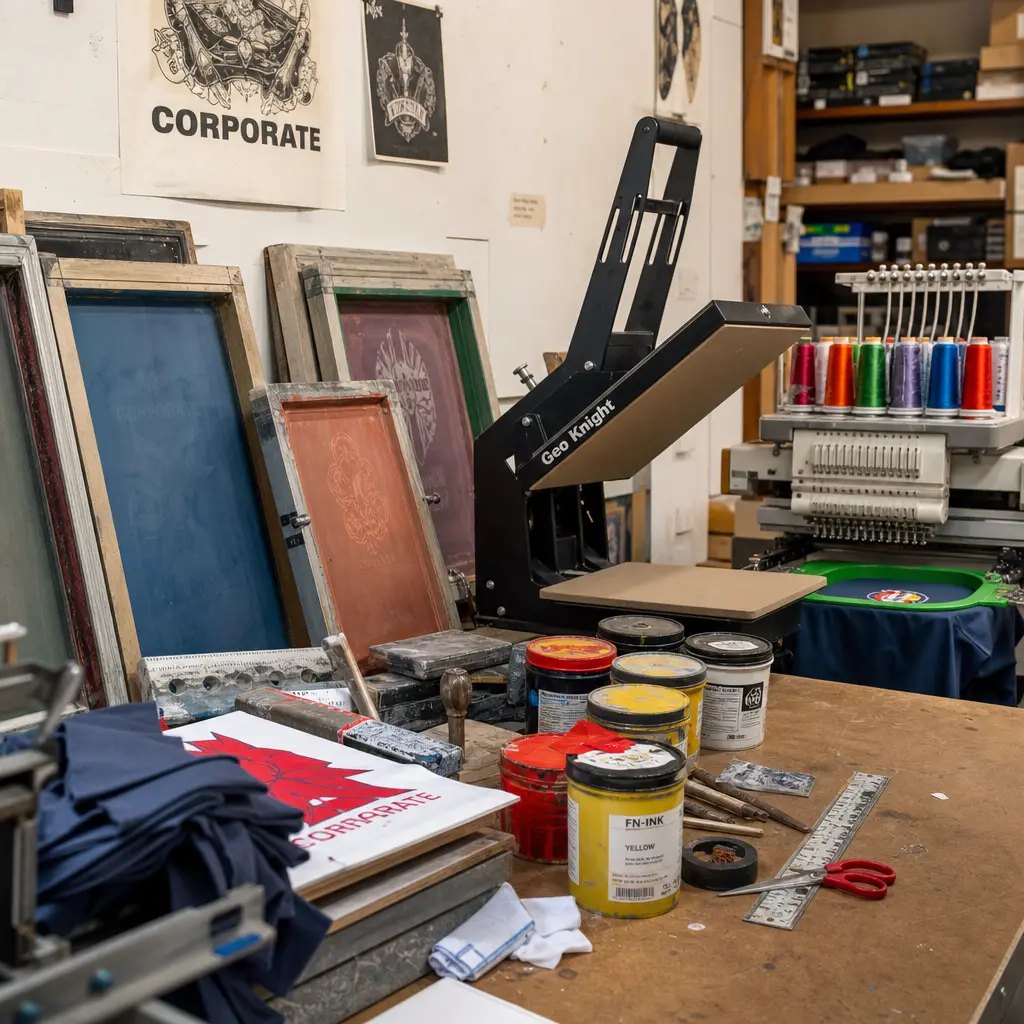
A factory audit is not just about checking boxes on a compliance form. For wine club totes, you need to see the actual production environment. Look at the fabric storage area: organic cotton fabric should be stored in a clean, dry area away from direct sunlight and chemicals. Check the cutting table: are patterns aligned to minimize waste? Visit the sewing line: are operators using double-needle machines? Are bartack machines available? A factory that has dedicated bartack stations is more likely to produce consistent reinforcement.
Also check the print area: is there a curing tunnel or heat press? Is the temperature monitored? Ask to see the wash test station—some factories have a small washing machine for in-house testing. Finally, review the quality control process: do they inspect at each stage—fabric, cutting, sewing, print, final—or only at the end? A factory with in-process inspection catches defects early and reduces the risk of a bad batch. If the factory cannot show you these areas or seems reluctant, consider it a warning sign.
Beyond the physical tour, review the factory's documentation. Ask to see the quality manual, recent inspection reports, and any non-conformance records. A factory that tracks defects and has a corrective action process is more likely to catch and fix problems before they reach you. Also check worker conditions: are sewing operators wearing proper PPE? Is the lighting adequate for detailed stitching work? These factors directly affect product quality. A factory that invests in worker comfort and safety tends to have lower turnover and more consistent output. If you are not able to visit in person, hire a third-party inspection company to conduct the audit and provide a detailed report with photos. Specify that the audit must cover the areas listed in this guide, not just a generic social compliance checklist.
- Fabric storage: clean, dry, away from chemicals and direct sunlight; fabric rolls stored off the floor on racks.
- Sewing line: double-needle machines and dedicated bartack stations; verify stitch density with a pick glass.
- Print area: curing tunnel with temperature monitoring and documented logs; ask to see wash test station.
- QC process: in-process inspection at each stage—fabric, cutting, sewing, print, final—with documented checkpoints.
Specification comparison for buyers
| Spec decision | Recommended option | When it fits | Buyer risk to check |
|---|---|---|---|
| Fabric weight | 8–10 oz (270–340 GSM) organic canvas | Wine clubs shipping 1–2 bottles per tote | Fabric below 6 oz tears under bottle weight after a few uses |
| Stitching type | Double-needle side seams, bartack at stress points | Any tote that will carry glass bottles regularly | Single-needle seams fail after 20–30 load cycles |
| Bottom gusset | 4–5 inch flat gusset | Totes that need to stand upright with bottles | No gusset means bags tip over and bottles shift |
| Handle attachment | Cross-stitched or rivet-reinforced webbing | Totes carrying over 3 lb repeatedly | Simple tack stitch pulls out under load |
| Print method | Screen print with water-based ink or woven label | Brands requiring eco-friendly print and wash durability | Plastisol ink cracks after 10 washes and is not compostable |
| Inner bottle divider | Optional stitched cotton divider panel | Wine clubs shipping 2+ bottles per tote | No divider means bottles clink and break in transit |
| Sample lead time | 7–10 business days for proto sample | Any first-time order before bulk commitment | Rushed samples under 5 days often skip seam or print tests |
| Bulk lead time | 30–45 days for 5,000–10,000 pcs | Standard production window for organic cotton | Lead times under 25 days risk skipped curing or drying |
| Packing spec | Individual polybag, 50 pcs per export carton | Retail-ready totes with direct-to-consumer labeling | Bulk packing without polybags causes scuffed prints and dirty fabric |
Buyer checklist before sampling
- Request a fabric swatch card showing GSM, thread count, and weave type (plain vs. twill) before approving any sample.
- Verify that all side seams, bottom gusset, and handle attachments use double-needle stitching with bartack reinforcement at stress points.
- Confirm the print method and ask for a wash test report covering at least 5 home laundry cycles for ink adhesion or label integrity.
- Measure gusset width and handle drop length against your specific bottle dimensions—750ml Bordeaux and oversized Champagne require different clearances.
- Insist on a pre-production sample (PPS) made with the exact production fabric, print, and thread before authorizing bulk.
- Check that inner dividers, if ordered, are stitched to both side seams and the bottom gusset, not just tacked at the top edge.
- Review the packing list: specify individual polybag material (recycled or compostable), carton dimensions, and pallet configuration.
- Request a recent third-party factory audit report—social compliance, environmental, or quality—from an accredited body such as QIMA, SGS, or Bureau Veritas.
- Confirm lead time in writing, including a 2–3 week buffer for organic cotton yarn sourcing and fabric knitting delays.
- Get a landed cost estimate covering FOB price, sea freight, duties under HTS code 4202.92, and insurance to your destination port.
Factory quote questions to send
- What is the exact GSM, thread count, and weave structure of the organic cotton canvas you recommend for wine totes?
- Can you provide a wash test certificate for your water-based screen print showing adhesion and color fastness after 5 home washes?
- What is your standard lead time for a 5,000-piece order of organic cotton totes with woven labels, and how do you buffer for organic yarn delays?
- Do you use double-needle stitching on all side seams and bartack reinforcement at handle attachment points? Can we see a seam strength test report?
- What is your sample policy: cost per proto and PPS, lead time, and number of revisions included before additional charges apply?
- Can you share a recent third-party factory audit report—social compliance, environmental, or quality—from within the last 12 months?
- What is your internal defect rate target for organic cotton totes, and do you align with AQL 2.5 for major defects?
- How do you handle fabric sourcing for organic cotton—do you keep buffer stock of GOTS-certified greige fabric or order yarn to order?
- What packing options do you offer: individual polybags (recycled or compostable), carton labeling, and pallet configuration for LCL or FCL shipments?
- Can you provide a landed cost breakdown for FOB and CIF to my port, including estimated freight, duties, and insurance?
Quality-control points to confirm
- Fabric weight tolerance: ±5% of specified GSM; reject the entire lot if average weight falls below 95% of target.
- Seam strength: minimum 30 lb pull test on side seams and handle attachment points using ASTM D1683 method.
- Print adhesion: no cracking, peeling, or significant fading after 5 home wash cycles in cold water with tumble dry low.
- Color fastness: AATCC rating 4 or higher for dye transfer and fading after 5 washes, tested per AATCC 61-2A.
- Stitching density: minimum 8–10 stitches per inch on all seams; reject if below 8 SPI in any critical seam.
- Handle pull test: must hold 15 lb static load for 30 seconds without tearing, seam slippage, or stitch breakage.
- Gusset alignment: both sides within 1/4 inch of specified width; measure from fold to fold.
- Label placement: centered within 1/8 inch of spec, no crooked or twisted labels; verify with a positioning jig.
- Packing integrity: cartons must be double-walled, taped, and labeled with correct PO, item code, and barcode.
- AQL inspection: 2.5 critical, 4.0 major, 6.5 minor (or stricter per buyer agreement) per ISO 2859-1.