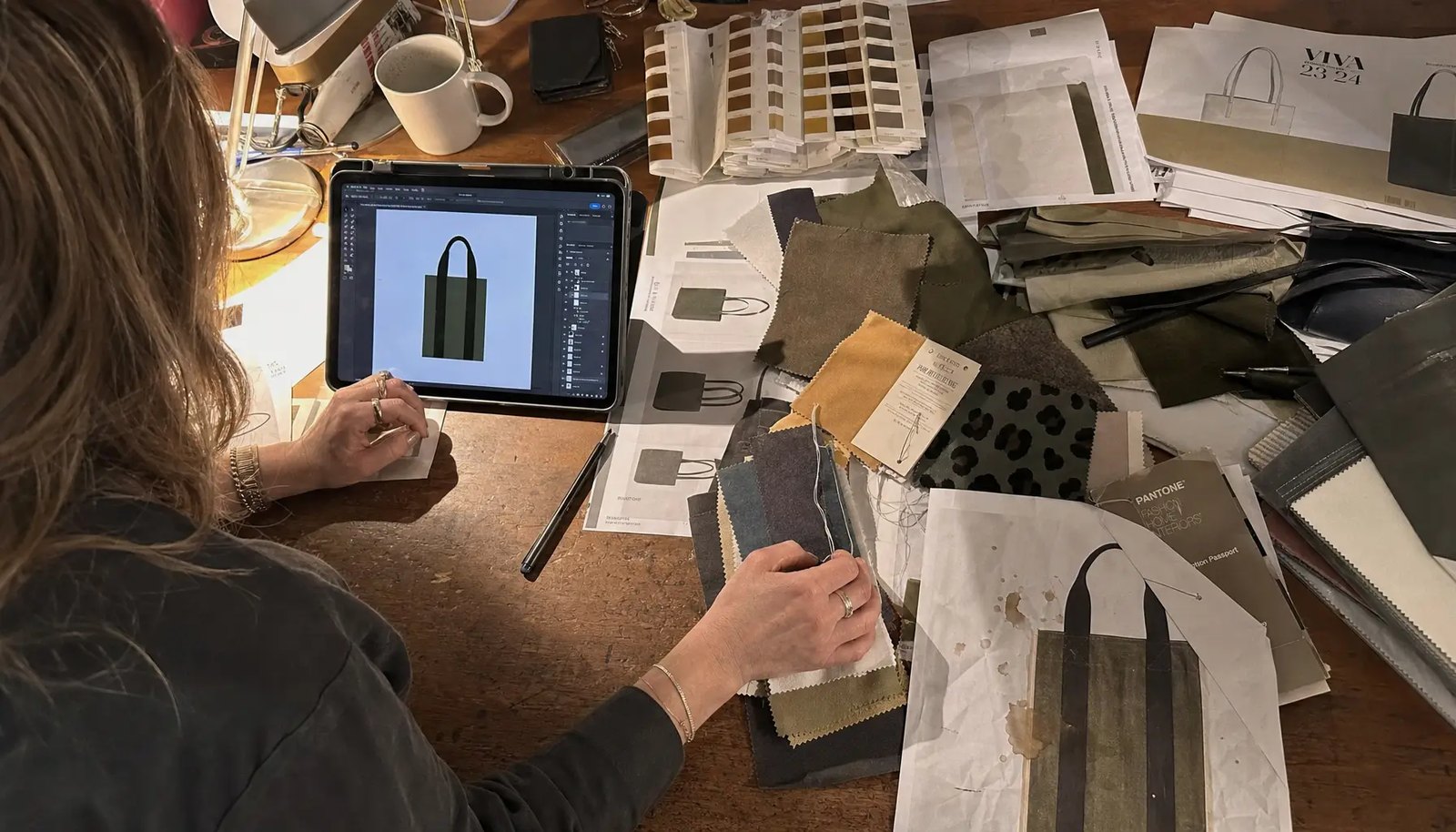
Audit the Program Before the Factory
A salon chain tote is rarely just a bag. It may be a checkout carrier, a gift-with-purchase, a holiday kit, a new-store opening item, a staff event bag, or a reusable retail product. Each program changes the specification. A light handout bag may only carry one product and printed materials, while a holiday kit may carry several dense bottles, boxed tools, samples, and inserts.
Procurement should define the use case before requesting quotes. Weigh the heaviest realistic load using the actual products the store team plans to pack. Bottles from 250 ml to 500 ml add weight quickly, and their shape concentrates pressure at the bottom seam, gusset corners, and handle joins. That is where weak sewing and poor construction usually appear first.
The audit should convert brand intent into measurable production controls. The buyer needs written values for fiber claim, GSM, size, gusset, handle drop, print method, print placement, stitch density, reinforcement, packing count, carton size, and inspection rules. A factory can make a sample that looks acceptable yet still fail the operational needs of a multi-store salon rollout.
- Define the tote role before asking for unit price
- Test with actual salon products, not estimated weights
- Separate design approval from production approval
- Use the audit to check repeatability, not showroom polish
Clarify Organic Claim Documents
Organic cotton claims need document control before artwork approval. If the tote, hangtag, invoice, campaign page, website copy, barcode data, or carton label uses organic wording, the supplier must show documents that support that claim for the ordered material and supply-chain role. A certificate image in a sales deck is not enough if it cannot be tied to the fabric, certified entity, product scope, validity dates, and quantity.
Buyers often see GOTS and OCS references, but the document need depends on the claim. A supplier certificate confirms a company is certified for certain activities and product categories. A scope certificate or scope pages show what materials, products, and processes are covered. A transaction certificate, when applicable, links a specific shipment or quantity to the chain of custody. Procurement should align claim wording with what the documents actually support.
Ask the factory how organic fabric is received, labelled, stored, issued to production, and reconciled after cutting. Roll numbers or batch references should connect incoming fabric to finished bags. This matters on reorders as much as first orders, because a supplier may switch mills, stock lots, or subcontracted processes unless the buyer controls material approval.
- Request certificate scope pages, not only certificate covers
- Check certified entity, validity period, material scope, and product category
- Ask whether a transaction certificate is required for the claim type
- Keep marketing language aligned with approved documents
Write One Production Spec Sheet
A useful tote specification sheet is concise but exact. It should state finished bag width and height, bottom gusset, side gusset if any, handle width, handle drop, seam allowance, fabric composition, weave, GSM target, GSM tolerance, color, finish, shrinkage expectation, print method, print size, print position, thread color, reinforcement, label details, packing method, carton quantity, and measurement tolerances.
Avoid vague instructions such as standard tote, thick cotton, centered logo, or long handles. A better specification says 38 cm W x 42 cm H with a 10 cm bottom gusset, 28 cm handle drop, centered front logo 8 cm below the top edge, and logo size 22 cm W x 12 cm H. These details allow cutting, printing, sewing, and QC teams to work from the same source of truth.
Tolerances should be agreed before production begins. Common buyer-agreed starting points for cotton totes include +/-5% for GSM, +/-0.5 cm to +/-1.0 cm for finished dimensions, and +/-2 mm to +/-3 mm for print placement on standard panels. These are examples, not universal standards. The final tolerance should reflect bag size, fabric behavior, print method, and factory capability.
- Use one signed spec sheet for buyer and factory teams
- Pair every target value with an agreed tolerance
- Attach approved artwork with size, color, and placement marks
- Update the spec sheet whenever sample details change
Select GSM by Load and Freight
Fabric GSM affects price, feel, durability, opacity, carton weight, and freight cube. For light checkout or short promotional use, 140 GSM to 160 GSM may be a practical range. For premium reusable totes, retail merchandise, loyalty gifts, or multi-bottle salon kits, 180 GSM to 220 GSM often gives better body and a stronger quality impression.
Do not approve fabric only by number. Two fabrics with the same GSM can feel different because of weave, yarn count, finishing, dyeing, and shrinkage. Ask for swatches or sample bags across the relevant GSM options, then pack each with the real product set. An empty tote can look clean in a meeting and still sag, twist, or feel underbuilt when filled with liquid products.
The factory audit should confirm roll-level control before cutting. Ask whether the supplier tests GSM, compares shade, checks moisture, marks defects, and identifies rolls by lot. If the order uses a buyer-agreed +/-5% GSM tolerance, rolls below or above the approved range should be isolated for review before printing or sewing. Once material is cut, disputes become harder to resolve.
- Use 140-160 GSM only after load testing light-duty programs
- Consider 180-220 GSM for premium reusable or multi-bottle kits
- Compare carton cube and gross weight when changing GSM
- Require roll-level GSM, shade, moisture, and defect checks
Build for Dense Salon Loads
Salon products are a demanding load for cotton totes. Bottles are dense, rounded, and prone to shifting while the customer walks. Stress collects at handle joins, side seams, bottom seams, and gusset corners. A bag can pass a quick visual check and still fail during normal use if the handle attachment, thread tension, or seam closure is weak.
For reusable salon totes, double-row handle stitching is a sensible baseline. Bartack reinforcement or reinforced box-stitching should be considered when the bag may carry several bottles, boxed tools, or a promotional kit. Handle drop is also functional. A 25 cm to 30 cm drop is usually more comfortable for shoulder carry, while shorter handles may suit hand-carry event bags.
Inspection should combine measurement with stress checks. Count stitches per inch, confirm handle alignment, check thread tension, inspect gusset corners, and look for skipped stitches or open seams. A static load test, such as 10 kg for 30 seconds, can be used as a buyer-agreed example for reusable totes. Heavier kits need a higher written standard, not an assumption.
- Treat handle attachment as a functional risk point
- Specify stitch density, thread, and reinforcement type
- Measure handle drop against the expected carry style
- Load test samples with the heaviest expected kit
Control Printing and Brand Color
Decoration is where quality becomes immediately visible to store teams and customers. Water-based screen printing is often suitable for large salon chain orders with simple one-color or two-color logos. It can give a softer hand on cotton and efficient pricing at volume, but it still depends on ink control, screen registration, curing, and inspection discipline.
Heat transfer can work for fine lines, gradients, many colors, or smaller runs where screen setup is inefficient. The risk is adhesion. During the audit, ask how the factory controls temperature, pressure, dwell time, cooling, and operator checks. Transfers on flexible cotton panels can fail through edge lift, peeling, cracking, or inconsistent adhesion if settings drift during production.
Brand color needs a realistic approval standard. Decide whether the factory is matching a PMS target, an approved strike-off, or a commercial tolerance on natural cotton. Cotton shade and surface texture affect final color, so approve artwork on production-equivalent fabric. Also define placement tolerance before production. For standard tote panels, +/-2 mm to +/-3 mm is a practical example if the supplier confirms it can hold that level.
- Approve print on production-equivalent fabric
- Ask for curing or transfer control settings by method
- Use rub, tape, or wash checks matched to the decoration type
- Define color and placement tolerance before bulk release
Approve Samples With Discipline
The pre-production sample is the last controlled checkpoint before the factory buys, cuts, prints, and sews at volume. A sample made from substitute fabric, temporary thread, a different print setup, or placeholder handles should be treated as a development sample, not a bulk approval sample. Procurement should label samples clearly so teams do not approve the wrong stage.
A strong approval review starts with measurements: body width, height, gusset, handle width, handle drop, print size, print position, and label location. Then check GSM, shade, odor, print color, print hand feel, stitch density, reinforcement, cleanliness, thread trimming, and packing. Photograph the approved sample from the front, back, inside seams, handle joins, print close-up, label, and carton configuration.
If the supplier changes fabric lot, GSM, ink, transfer film, handle tape, thread, label, carton count, or packing method after approval, procurement should decide whether a new sample is required. For first-time factories or visible launches, add first-piece approval at the start of bulk production. The first finished pieces should match the PP sample before the factory continues at full speed.
- Label samples as development, PP, or production sample
- Approve only samples made with bulk-intended materials
- Keep photos and measurements in the order file
- Use first-piece approval for new or high-risk suppliers
Walk the Process, Not the Showroom
A polished sample room does not prove routine production control. A factory audit should follow the tote from fabric receiving to packed carton. Watch how rolls are stored, how shade lots are separated, whether defects are marked, how print setup is approved, whether sewing operators have the approved sample nearby, and how finished goods are counted before packing.
At incoming inspection, ask to see GSM checks, shade comparisons, fabric width records, moisture checks, odor checks, and roll defect marks. At printing, review screen registration, ink mixing, first-off approval, curing or pressing settings, and inspection frequency. At sewing, check handle placement, stitch density, seam closure, thread trimming, and cleanliness. At finishing, confirm nonconforming goods are segregated.
Subcontracting should be transparent. Many tote suppliers manage some steps internally and outsource others, such as dyeing, printing, embroidery, labels, or carton packing. Outsourcing is not automatically a problem, but hidden subcontracting weakens accountability. Procurement should know who performs each process, who owns QC at that stage, and how defective work is repaired or replaced.
- Follow the physical flow from roll storage to carton
- Ask which steps are in-house and which are outsourced
- Review inline records, not only final QC reports
- Confirm rejected goods are segregated from approved stock
Compare Quotes Beyond Unit Price
Two organic cotton tote quotes can look close at unit-price level while carrying different total costs. A fair B2B comparison should include MOQ by design and colorway, sample cost, setup fees, PMS matching, label cost, packing method, units per carton, carton dimensions, gross weight, testing cost, certification document fees if any, split shipment charges, payment terms, and inspection cost.
Carton data deserves early attention. Heavier GSM, larger gussets, longer handles, inserts, barcode stickers, or individual bags can reduce units per carton and increase freight cube. A lower unit price can disappear if packing creates higher shipping cost, warehouse sorting, or store allocation work. Request carton size, net weight, gross weight, shipping marks, and store-pack method before PO release.
Supplier answers should also be scored for risk. Clear tolerances, realistic lead time by stage, documented sample checks, and specific QC responses are valuable. Vague replies can turn into late goods, inconsistent packing, or disputes during inspection. Salon chains often buy totes for campaigns or seasonal launches, so schedule credibility matters as much as price.
- Standardize the spec before comparing prices
- Ask for carton cube and gross weight with every quote
- Separate included costs from optional charges
- Score document readiness, QC detail, schedule credibility, and packing efficiency
Set Inspection and Reorder Rules
Final inspection should be defined before production is packed. The inspection standard should reference the approved PP sample, signed specification sheet, artwork file, organic claim documents, and packing instruction. If the buyer uses AQL, define inspection level and critical, major, and minor defect limits in advance. If no formal AQL is used, still write pass/fail rules for the defects that matter most.
For salon totes, critical or major defects commonly include unsupported organic claims, wrong fabric content, incorrect size beyond tolerance, weak handle attachment, open seams, severe stains, mildew odor, wrong logo, major print misplacement, color transfer, wrong carton count, and incorrect store allocation. Minor defects may include small loose threads, light wrinkles, or minor cosmetic marks within an agreed limit.
Reorders need a control file. Keep the current spec sheet, approved sample photos, certification records, quote history, inspection reports, shipment notes, and store feedback together. This gives procurement a factual basis for tightening tolerances, changing GSM, improving packing, negotiating costs, or deciding whether to continue with the same organic cotton tote factory for future salon programs.
- Define critical, major, and minor defects before packing
- Inspect dimensions, GSM, print, handles, seams, cleanliness, odor, and cartons
- Record actual lead time and defect patterns after every order
- Use reorder history to improve specifications and supplier accountability
Specification comparison for buyers
| Audit area | Recommended buyer requirement | Typical measurable check | Evidence or audit owner | Procurement risk if missed |
|---|---|---|---|---|
| Organic claim documentation | Claim wording must be supported by the supplier's certified role, certificate scope, validity period, material scope, and order records. | Review supplier certificate, scope certificate pages where relevant, and transaction certificate or chain-of-custody records when the claim requires them. | Procurement or compliance owner should approve documents before artwork, hangtags, invoices, or web copy use organic wording. | A generic certificate may not support the finished tote claim used in salon marketing, invoices, or hangtags. |
| Fabric weight | Select GSM by use case: 140-160 GSM for light retail takeaway; 180-220 GSM for premium reusable bags, gift sets, or multi-bottle kits. | Test roll GSM against the approved target. A +/-5% tolerance is a common buyer-agreed starting point, not a universal rule. | Factory QC records plus buyer sample approval; buyer should confirm tolerance in the PO. | Bulk fabric may feel thinner than the sample, sag under bottled-product loads, or increase complaint rates. |
| Fabric composition | Use 100% organic cotton only when the product claim says organic cotton; disclose recycled, conventional, or blended content if used. | Match fiber content on the spec sheet to claim documents, label copy, invoice description, and carton or barcode data. | Compliance, merchandising, and procurement should align claim language before purchase order release. | Incorrect product claims can cause relabeling, rejected marketing assets, or compliance exposure. |
| Bag dimensions | Lock width, height, bottom gusset, side gusset if any, handle width, handle drop, seam allowance, and label placement in measurable units. | Measure production pieces against the signed spec. Common buyer-agreed tolerances are +/-0.5 cm for small features and +/-1.0 cm for body dimensions. | Factory inline QC and third-party or buyer final inspection should use the same measurement method. | Inconsistent store presentation, poor product fit, and disputes during final inspection. |
| Handle construction | Specify double-row stitching with bartack or reinforced box-stitch for reusable salon totes that carry dense bottles. | Run a buyer-agreed static load test, for example 10 kg for 30 seconds, or a higher standard for heavier kits. | Factory production manager owns construction; buyer QC owns pass/fail criteria and sample size. | Handle tearing can occur when customers carry shampoo, conditioner, treatment bottles, or boxed tools. |
| Stitch density | Set minimum stitch density and workmanship rules for main seams, handles, gussets, and thread trimming. | Count stitches per inch and inspect skipped stitches, open seams, loose tension, broken threads, and needle marks. | Factory sewing line leader and final QC should record checks by production lot. | Weak seams, uneven appearance, and higher defect rates during repeated customer use. |
| Print method | Choose water-based screen print for simple high-volume logos; use heat transfer only when artwork detail, color count, or small runs justify it. | Check strike-off, rub test, tape adhesion, wash check if relevant, curing temperature, transfer pressure, dwell time, and edge adhesion. | Printing supervisor owns process records; buyer approves strike-off and final color tolerance. | Logo cracking, peeling, color transfer, tackiness, or inconsistent brand color across stores. |
| Print placement | Use an approved artwork file with print size, centerline, distance from top edge, and placement tolerance. | For standard tote panels, +/-2 mm to +/-3 mm can be a practical buyer-agreed example if the factory confirms capability. | Buyer or brand team approves artwork; factory QC verifies first pieces and bulk panels. | Visible logo drift across a chain rollout and avoidable brand presentation issues. |
| Packing plan | Confirm carton count, units per carton, carton dimensions, gross weight, moisture protection, carton marks, and store allocation before PO. | Audit carton count, shipping marks, packing sequence, odor, humidity exposure, carton condition, and store-pack accuracy. | Logistics, warehouse, or store operations owner should approve the packing plan before production packing begins. | Freight estimates become inaccurate; warehouses or stores face sorting work, shortages, and receiving delays. |
Buyer checklist before sampling
- Define the tote use case before quoting: retail checkout bag, gift-with-purchase, holiday kit, new-store opening pack, staff event bag, or reusable retail product.
- Weigh the heaviest realistic salon load using actual bottles, boxed tools, inserts, and samples instead of relying on estimated product lists.
- Decide where the word organic will appear: tote label, hangtag, invoice, website copy, campaign page, barcode file, or carton label.
- Request certificate scope, supplier certificate, and transaction certificate or chain-of-custody records according to the claim being made.
- Create one signed specification sheet covering fiber content, weave, GSM target, agreed GSM tolerance, color, finish, shrinkage expectation, and whether fabric is stock or custom booked.
- Ask for fabric swatches or sample bags at relevant weights, such as 140 GSM, 160 GSM, 180 GSM, and 220 GSM, then load test them with real salon products.
- Lock body width, height, bottom gusset, side gusset if any, handle width, handle drop, seam allowance, print size, print position, and label placement in measurable units.
- Approve only a pre-production sample made with the same fabric weight, color, print method, handle construction, thread, label, and packing approach intended for bulk production.
- Require incoming fabric checks for GSM, shade, roll defects, moisture, odor, and roll identification by lot before cutting starts.
- Set workmanship rules: no open seams, skipped stitches, oil marks, mildew odor, print smears, loose threads beyond the agreed limit, or metal contamination.
Factory quote questions to send
- Which organic cotton documents apply to the exact fabric in this quote: supplier certificate, scope certificate pages, transaction certificate, or other chain-of-custody records?
- Does the certificate cover your role in this order, the product category, the material scope, the validity period, and the quantity we are ordering?
- Is the quoted fabric stock or custom booked, and what are the mill lead time, available roll quantity, weave, color, shrinkage expectation, and GSM tolerance?
- What GSM do you recommend for a salon tote carrying two to four 250 ml to 500 ml bottles, and what changes if the kit may weigh 5 kg to 8 kg?
- Can you quote the same bag size at 140 GSM, 160 GSM, 180 GSM, and 220 GSM so we can compare unit price, carton weight, carton cube, and perceived quality?
- Will the pre-production sample use the same production fabric lot, ink or transfer material, handle tape, thread, stitching method, label, and packing method as bulk?
- What print method do you recommend for our artwork size, line detail, color count, and expected use, and what failure modes should we test for on cotton?
- How do you control screen print curing or heat-transfer temperature, pressure, and dwell time, and what adhesion test do you use before packing?
- What tolerances do you allow for GSM, finished dimensions, handle drop, print placement, print color, carton count, and carton gross weight?
- How do you identify and segregate fabric rolls by lot, shade, GSM result, defect level, and moisture condition before cutting?
Quality-control points to confirm
- Organic documentation: certificate scope, supplier role, validity period, material scope, and transaction or chain-of-custody records should match the claim language before artwork or labeling approval.
- Fabric GSM: the target weight should remain within the buyer-agreed tolerance. +/-5% is a common example, but the purchase order should state the actual accepted range.
- Fabric shade: bulk rolls should be compared with the approved standard under consistent D65 or buyer-agreed lighting; visible lot-to-lot variation should be flagged before cutting.
- Fabric defects: rolls should be inspected for stains, holes, weaving faults, heavy slubs beyond agreed limits, creases, contamination, moisture marks, and odor before production release.
- Finished dimensions: body width, height, gusset, handle width, and handle drop should be measured against the spec sheet using buyer-agreed tolerances and measurement points.
- Print placement: logo position should remain within the agreed tolerance. +/-2 mm to +/-3 mm is a practical example for standard panels if confirmed by the factory.
- Print durability: decoration should show no obvious cracking, peeling, tackiness, color transfer, or edge lift after the agreed rub, tape, or wash check for the selected method.
- Print color: bulk print should be compared with the approved strike-off, PMS reference, or commercial color standard; natural cotton may require realistic shade tolerance.
- Handle pull strength: the load test, duration, sample size, and pass/fail criteria should be written in advance. A 10 kg static load for 30 seconds is an example baseline for reusable salon totes.
- Seam strength: handle joins, side seams, bottom seams, and gusset corners should show no open seams, broken stitches, or major distortion after the agreed load or pull check.