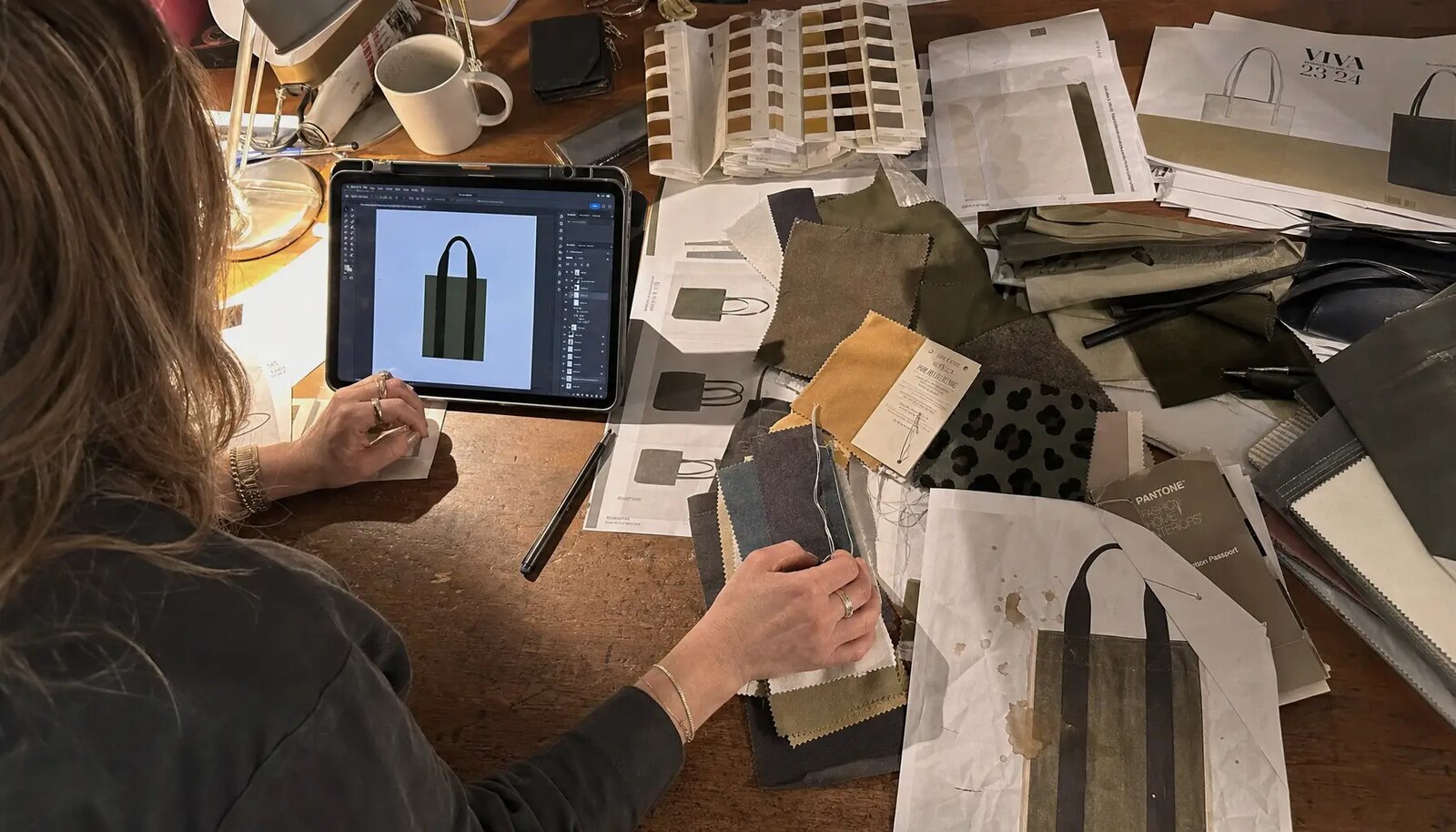
Start with the tote's job
Organic cotton totes for eco apparel brands often sit between packaging, merchandise, and reusable retail accessory. That mixed role is why durability has to be defined before the supplier quotes. A tote that only carries one folded T-shirt at an event can be built very differently from a paid tote expected to hold denim, shoes, catalogs, or a full ecommerce pickup order.
The first sourcing question is not simply whether the cotton is organic. It is what the bag must carry, how often it should be reused, how it will be packed, and what claim the brand will make. If the RFQ only says natural organic cotton tote with logo, one supplier may quote a 6 oz promotional bag while another quotes a 12 oz canvas retail tote. The price difference then looks commercial, but the real difference is construction.
Write the intended load and channel into the brief. For example, state whether the tote is a checkout carrier, event giveaway, gift-with-purchase, paid merchandise item, or reusable shopping bag. That decision drives GSM, handle reinforcement, gusset design, print method, inspection level, and acceptance testing.
- Define use case before asking for price.
- Separate promotional totes from retail or paid reusable totes.
- State expected contents, target load, and reuse expectation.
- Compare quotes only after GSM, handle construction, print, and packing are aligned.
- Use one sealed physical sample as the appearance and performance reference.
Choose GSM by use case
Fabric weight is one of the easiest specifications to compare, but it is often misunderstood. Ounces and GSM are not enough without context. A tight canvas can perform better than a loose fabric at a similar weight, and a heavier body fabric will not save weak handles. Still, GSM is a useful starting filter for procurement.
For light giveaways, about 180 to 220 GSM may be acceptable when the bag is small and the load is low. For most apparel retail totes, 280 to 340 GSM is a practical range because it gives better structure for folded garments while remaining printable and packable. For paid reusable totes or heavier product mixes, buyers may move above 340 GSM, but should expect more freight volume, stiffer hand feel, and a stronger need for controlled folding.
Ask the supplier whether GSM is measured on greige fabric, finished fabric, washed fabric, or completed panels. Also request the mill tolerance, often expressed as a percentage or range. Without that detail, a quoted 10 oz tote can arrive lighter than expected and still be defended as normal production variation.
- Light giveaway: about 180-220 GSM for low-load use.
- Standard apparel retail tote: about 280-340 GSM for better structure and repeat use.
- Heavy reusable tote: above 340 GSM when the product mix justifies higher cost and bulk.
- Request GSM tolerance and measurement stage.
- Approve hand feel, shade, and stiffness on a physical sample, not only on a spec sheet.
Specify organic documentation clearly
Organic cotton is a claim about fiber origin and chain of custody. It is not a strength rating, and it is not automatically proven because the fabric looks natural. Procurement teams should decide early whether the order needs certified organic cotton documentation or only an organic-style material story for internal use. If any public claim appears on the tote, label, hangtag, website, or carton, the paperwork needs to support it.
Common documents buyers may request include the supplier's relevant scope certificate, a transaction certificate for the order where applicable, material composition declaration, dyeing or printing facility scope information if the claim requires it, and chain-of-custody records connecting fiber, fabric, cutting, sewing, and shipment. Requirements vary by claim and certification program, so buyers should name the expected standard in the PO rather than asking generally for organic papers after production.
Avoid unsupported wording such as certified organic, GOTS organic, or made with organic cotton unless the supply chain and transaction documents support that exact claim. If documentation is unavailable or only partial, keep claims off the product and packaging until compliance teams approve the wording.
- Name the certification standard required, if any, before sampling.
- Request scope certificate and transaction certificate where the claim requires them.
- Check that invoices, packing lists, labels, and artwork use the same approved claim language.
- Do not print certification logos unless authorization and documentation are confirmed.
- Treat missing organic documentation as a release issue, not a minor paperwork delay.
Engineer the carry points
Most tote failures begin where force concentrates: handles, upper corners, bottom seam, gusset junctions, and side seams. A nice canvas panel can still fail if the handle attachment is a single line of stitching or if the seam allowance is too narrow. Buyers should specify how the tote carries weight, not just how it looks.
For retail and reusable totes, handle reinforcement should usually be a box-X, cross stitch, or reinforced rectangle rather than a simple straight stitch. The spec should define handle width, handle drop, insertion depth, reinforcement area, and stitch density. Self-fabric handles suit a clean apparel aesthetic, especially when folded and topstitched well. Cotton webbing can be flatter, more stable, and better for heavier loads, but shade and texture may differ from the body fabric.
Flat totes are efficient for light apparel and simple printing. Gusseted totes are better for bulky folded garments, shoeboxes, or gift sets, but gussets add sewing complexity. Inspect lower corners closely because fraying, seam slippage, and uneven seam turns often show up there first after load testing.
- Specify handle width, drop, insertion depth, and reinforcement dimensions.
- Set stitch density for handle zones and structural seams.
- Name seam types for side, bottom, top hem, and gusset areas.
- Review gusseted bags with real packed products before PP approval.
- Reject samples with handle twist, seam grin, skipped stitches, or weak backtacking at stress points.
Use measurable durability tests
A practical durability testing checklist should be simple enough for factory and inspection teams to repeat, but specific enough to prevent argument. The buyer should define load, time, cycles, sample quantity, and pass or fail criteria before approving the pre-production sample.
Example settings can be adjusted to the product. For a standard apparel retail tote, buyers may test 3 to 5 samples with a 7 kg static load for 4 hours, followed by inspection for handle detachment, broken stitches, seam opening over 3 mm, fabric tearing, or permanent distortion beyond the written size tolerance. For heavier reusable totes, a buyer may raise the load to 10 kg or 12 kg. For light giveaways, 3 kg to 5 kg may be more realistic if the product is not sold as heavy-duty.
Dynamic lift testing catches failures that static hanging can miss. A useful sample check is 3 to 5 bags loaded to the agreed weight, lifted and lowered 100 to 200 cycles from the handles, then inspected at the handle attachment, top hem, bottom seam, and gusset corners. If the tote will be marketed as washable, measure before and after washing according to the intended care instruction, then check shrinkage, twisting, print cracking, and seam distortion.
- Static load example: 7 kg for 4 hours on 3-5 samples for a standard apparel retail tote.
- Dynamic lift example: 100-200 lift cycles at agreed load with no handle detachment or seam opening.
- Handle pull spot check: no torn fabric, broken reinforcement, or pulled-out handle end under agreed force or weight method.
- Seam pass rule: no seam opening over agreed limit, no broken structural stitches, no fabric tear at stress points.
- Wash check: compare dimensions, print, twisting, and seam condition before and after the approved care cycle.
- Print check: dry rub, light damp rub, fold review, and blocking review after packed compression.
Control print durability
The logo may be approved by marketing, but procurement still has to test whether the decoration survives handling. Natural unbleached cotton can mute color, show slub through ink, and make fine edges less crisp than a digital mockup suggests. Large solid prints can stiffen the panel, crack on fold lines, or transfer if packed before curing is complete.
Water-based screen print is often a strong option for B2B organic cotton totes with simple apparel branding. Digital print may fit small runs or multicolor artwork, but it should be approved on the actual tote fabric. The RFQ should state print size, number of colors, ink type where relevant, placement tolerance, curing requirement, and whether the factory must provide a strike-off before bulk production.
Placement needs a measurement rule. For example, the buyer can specify that the logo center must be within plus or minus 0.5 cm or 1 cm of the approved location, measured from the top hem and side seams or from the finished panel center. Without a reference point, buyer and supplier may both measure correctly and still disagree.
- Approve artwork on actual bulk-intent fabric.
- Set placement tolerance and measurement reference point.
- Check rub resistance on dry and lightly damp cloth.
- Review fold cracking if bags ship folded.
- Test print blocking by leaving packed samples compressed before opening and inspecting.
Build an RFQ suppliers can price
A good RFQ makes hidden cost drivers visible. Organic cotton tote pricing is affected by fabric GSM, fabric width and yield, certification documentation, dyeing or bleaching, handle type, sewing complexity, print setup, color count, label work, folding, carton quantity, testing, and inspection requirements. If those details are missing, suppliers fill the gaps with their own assumptions.
Break MOQ into the real drivers. Natural stock fabric may have a lower MOQ than custom dyed fabric. A single base tote with several logos may be easier than multiple body sizes. Screen printing may have setup minimums by artwork and color count. Packaging changes, barcode labels, hangtags, and individual polybags can also change both cost and line time.
Ask suppliers to separate sample lead time, fabric lead time, print strike-off timing, bulk sewing, curing, final inspection, and shipment booking. A single vague production lead time hides the points where quality is most often rushed.
- Request quote basis by GSM, size, handle, print, label, fold method, carton plan, and testing.
- Ask what is excluded, including documents, lab tests, barcode labels, pallets, and third-party inspection.
- Confirm MOQ by fabric color, size, artwork, and print setup.
- Ask for estimated net bag weight or fabric consumption to identify under-spec quotes.
- Standardize one base tote body when multiple apparel campaigns need related designs.
Lock the pre-production sample
A development sample should not become the bulk standard by accident. Early samples may use stock fabric, substitute handles, or a temporary print method to show concept. Before bulk starts, approve a pre-production sample made with bulk-intent fabric, final handle construction, final artwork process, labels, folding method, and carton plan.
The PP approval record should list finished dimensions, gusset depth, top hem width, handle drop, handle width, GSM, shade standard, stitch density, print size, print placement, label position, carton quantity, and tolerance. If the bag is dyed, approve lab dip and bulk shade before cutting. If the bag is natural, approve the acceptable level of slub, neps, seed flecks, and panel shade variation.
Keep retained samples with the buyer, factory, and inspection party where applicable. The PO and inspection booking should reference the approved sample date or code. This gives QC a physical standard instead of relying on photos or memory.
- Separate concept sample approval from PP sample approval.
- Seal retained samples before bulk cutting.
- Record measurable tolerances, not only visual comments.
- Approve a packed sample when folding, carton pressure, or print blocking could affect presentation.
- Require new approval before changing fabric lot, handle material, print process, or packing method.
Set AQL and release rules
Final inspection should combine workmanship review with functional checks. A visual AQL inspection alone can miss a handle that looks clean but fails under load. For typical B2B tote orders, buyers may use a general inspection level such as ANSI/ASQ Z1.4 General Inspection Level II for visual and measurement checks, with special sampling for durability tests. The exact plan should match order size, buyer risk, and channel requirements.
A common commercial starting point is AQL 0.0 for critical defects, 2.5 for major defects, and 4.0 for minor defects, adjusted to the buyer's quality policy. Critical defects include wrong claim, wrong logo, unsafe contamination, mold, missing handle, detached handle, or documentation that does not support the organic claim. Major defects include size outside tolerance, seam opening, broken structural stitches, severe skew, print flaking, wrong carton count, or failed load test. Minor defects include limited loose threads, light removable creasing, or shade variation within the approved range.
Release rules should be written before inspection. If a durability test fails, hold shipment and require segregation, root-cause review, and corrective action. Rework may be acceptable for loose threads or packing errors, but handle failures, wrong material claims, and print durability failures usually require stronger containment and buyer approval before release.
- Use agreed AQL levels for visual, measurement, print, and packing defects.
- Add special sampling for load, lift, handle pull, wash, rub, and blocking checks.
- Classify wrong organic claim, failed handle strength, mold, contamination, and wrong logo as critical or shipment-hold issues.
- Classify seam opening, size failure, print flaking, failed carton count, and load-test failure as major defects.
- Release only when documentation, sealed sample, inspected goods, and packed cartons match the written standard.
Do not let packing undo quality
Packing is part of tote durability because cotton canvas can crease, distort, absorb dirt, or show print transfer during transit. A well-made tote can arrive looking poor if cartons are over-compressed, bags are packed before ink curing, or handles are folded inconsistently.
Specify pieces per inner pack, fold method, print-face orientation, carton quantity, carton dimensions, maximum gross weight, and shipping marks. Many warehouse teams prefer cartons within a practical manual handling range, often around 15 to 20 kg unless the buyer has a different inbound standard. Heavier totes may need fewer pieces per carton to protect carton integrity and retail presentation.
For large prints, test a packed sample by leaving it compressed for several days, then opening it to inspect blocking, crease memory, odor, and handle shape. For natural unbleached cotton, require a clean packing area because oil, dust, and dark fibers show easily on light fabric.
- Define inner quantity, fold method, carton quantity, carton dimensions, and gross weight limit.
- Check print-to-print contact and blocking risk before bulk packing.
- Avoid excessive carton compression on heavy canvas or large print coverage.
- Confirm carton marks, barcode labels, PO number, item code, and count accuracy.
- Inspect packed cartons as part of release, not only loose pieces from production.
Specification comparison for buyers
| Spec choice | Best fit | Procurement advantage | Risk to control |
|---|---|---|---|
| 6 oz / 180-200 GSM cotton | Light event giveaway, single T-shirt handout, low-load campaign | Lower unit cost and easier folding for high-volume promotional programs | Do not market as heavy reusable; reduce bag size and load expectation |
| 10 oz / 280-300 GSM canvas | Standard apparel retail tote for folded garments, catalogs, and daily brand use | Good balance of structure, printability, durability, and carton efficiency | Confirm GSM tolerance, seam strength, and whether weight is finished or greige |
| 12 oz / 330-340 GSM canvas | Premium retail tote, paid merch, heavier apparel sets | Better shape retention and stronger perceived value | Higher freight volume; may need wider handles and lower carton count |
| Self-fabric handles | Minimal natural look, fashion packaging, lighter retail loads | Consistent appearance when the brand wants one-material styling | Can twist or stretch if narrow, loosely folded, or weakly reinforced |
| Cotton webbing handles | Repeat-use tote, heavier product mix, bookstore-style format | Stable hand feel, less twisting, often stronger under lift cycles | Shade may differ from body fabric; request webbing composition and width |
| Flat tote body | T-shirt, scarf, catalog, small accessory, event bag | Simple construction, efficient printing, lower sewing complexity | Bulky goods push stress into side seams and lower corners |
| Side and bottom gusset | Shoebox, denim, hoodie, gift set, multi-item purchase | Improves capacity and upright fill, better for retail packing | More sewing points to inspect at gusset corners and bottom seam |
| Water-based screen print | Most logo-driven B2B apparel tote orders | Reliable for solid logos at volume with softer hand when cured well | Test rub, fold cracking, and blocking before bulk packing |
| Digital print | Short runs, multicolor art, variable campaign artwork | Can reduce screen setup for complex small orders | Approve on actual fabric; check edge clarity, rub, and color on natural cotton |
Buyer checklist before sampling
- State finished bag width, height, gusset depth, top hem width, and measurement tolerance.
- Define use case: giveaway, apparel packaging, paid merchandise, retail carrier, or reusable shopping tote.
- Specify organic cotton requirement separately from fabric construction, including certification documents if claims are used.
- List fabric weave, target GSM, GSM tolerance, shade standard, finishing process, and shrinkage expectation.
- Confirm whether GSM is measured on greige fabric, finished fabric, washed fabric, or completed bag panels.
- Define handle material, width, drop, insertion depth, reinforcement pattern, stitch density, and handle-drop tolerance.
- Name seam construction for side seams, bottom seam, top hem, gusset corners, and handle stress points.
- Set print method, ink type where relevant, artwork size, placement reference point, placement tolerance, and rub expectation.
- Require a print strike-off on bulk-intent fabric before approving logo color, coverage, and edge quality.
- Approve a sealed pre-production sample with bulk fabric, handles, print, labels, fold method, carton quantity, and written tolerances.
Factory quote questions to send
- What fabric composition, weave, yarn count if known, target GSM, and GSM tolerance are included in this quote?
- Is the cotton certified organic for this order, and can you provide scope certificate, transaction certificate, and chain-of-custody documents where required?
- Is the quoted GSM measured before finishing, after finishing, after washing, or from completed bag panels?
- What shrinkage range should we expect after finishing, washing, steaming, or normal handling?
- Are handles self-fabric or cotton webbing, and what are the handle width, drop, insertion depth, and reinforcement stitch pattern?
- What stitch density will be used on handles, side seams, bottom seam, top hem, and gusset corners?
- Which print method and ink system are you quoting, and what curing or drying controls are used before packing?
- What placement tolerance can you hold, and from which point will placement be measured?
- What static load, dynamic lift, handle pull, seam review, rub, wash, or blocking checks can you run on samples and bulk?
- What is the MOQ by fabric color, body size, artwork, print color count, label, packing method, and carton plan?
Quality-control points to confirm
- Organic cotton documentation matches the PO, and no unsupported organic claim appears on the tote, label, hangtag, polybag, or carton.
- Fabric GSM is within approved tolerance using the agreed measurement method, and hand feel matches the sealed sample.
- Fabric shade, slub level, neps, weaving faults, contamination, and panel-to-panel variation remain within the approved standard.
- Finished width, height, gusset depth, top hem width, squareness, and handle drop are inside written tolerance.
- Handle width, length, insertion depth, pair symmetry, folding, and twisting match the approved sample.
- Handle reinforcement is complete, centered, locked, and free from skipped stitches, broken threads, needle cuts, and loose thread nests.
- Stitch density on structural seams matches the specification, with no seam grin, seam slippage, fraying, or corner splitting.
- Static load, dynamic lift, or handle pull checks pass on sampled pieces with no detachment, seam opening, or unacceptable distortion.
- Print position, color, coverage, edge clarity, curing, rub resistance, and reverse-panel cleanliness match approval.
- Carton quantity, gross weight, shipping marks, barcode labels, carton strength, fold method, and print-face orientation match the packing specification.