Define the tote’s commercial job before asking for price
A spa retailer may use the same organic cotton tote for very different purposes: a paid retail bag, a gift-with-purchase carrier, a robe and towel tote, a treatment membership gift, an amenity kit bag, or an event giveaway. Those uses do not need the same construction. A free event tote can be light and simple; a paid resort spa tote should feel substantial, carry heavier contents, and look clean on a shelf.
The RFQ should describe what the bag must do in store and after purchase. If the tote will hold glass bottles, candles, folded towels, slippers, or boxed skincare, the supplier needs that information before quoting. If it will hang near cream-colored towels and minimalist packaging, fabric shade and print cleanliness matter more than a generic low price.
Procurement teams get better quotes when they define the bag as a retail product, not just a packaging item. Include the target use, estimated retail value if sold, expected contents, target launch date, store distribution plan, and any sustainability or plastic-reduction rules that affect packing.
- Giveaway tote: control cost, print clarity, and basic strength.
- Paid retail tote: specify heavier fabric, reinforced handles, and cleaner finishing.
- Gift set tote: define product contents and gusset depth before pricing.
- Resort or hotel spa tote: check shelf presentation, barcode placement, and carton allocation.
- E-commerce insert: consider folding size, wrinkles, and packing compatibility with shipping cartons.
Lock fabric weight, weave, and shade before comparing quotes
Fabric is usually the largest cost driver and the biggest source of quote confusion. Organic cotton totes may be quoted in ounces per square yard or GSM. As a working reference, 6 oz is about 200 GSM, 8 oz about 270 GSM, 10 oz about 340 GSM, 12 oz about 400 GSM, and 16 oz about 540 GSM. The conversion is approximate, so the supplier should state the exact bulk fabric standard.
For spa retail, 10 oz to 12 oz organic cotton canvas is often a practical starting point because it has enough body for retail presentation without becoming too bulky. Lighter 6 oz to 8 oz fabrics can work for promotions, but may feel thin beside premium skincare. Heavier 14 oz to 16 oz canvas can support a premium merchandise position, although freight volume and carton weight increase.
Natural unbleached cotton is attractive for wellness branding, but it is not a controlled bright white. Shade can move from cream to beige between lots. If the tote must coordinate with white towels, pale cartons, or a strict store palette, request fabric swatches and approve shade range before bulk cutting. For dyed cotton, request lab dips and confirm dyeing minimums before assuming the same MOQ as natural fabric.
- 6 oz to 8 oz: light promotions, events, and low-cost inserts.
- 10 oz to 12 oz: balanced spa retail tote for skincare sets and daily use.
- 14 oz to 16 oz: premium structure with higher landed cost.
- Canvas: firmer retail look and better perceived strength.
- Plain weave: softer and lighter, but usually less structured.
- Natural color: brand-friendly but requires acceptance of controlled shade variation.
Specify construction in measurable terms
Reference photos are useful, but they do not replace a technical specification. A factory needs finished width, height, gusset depth, handle width, handle drop, seam finish, reinforcement type, and tolerance. A flat tote that holds brochures is not the same as a gusseted tote that carries candles and jars. Even a small gusset change can affect fabric consumption, packing volume, and shelf appearance.
Handle design deserves special attention for spa retail. Customers may carry wet-room accessories, glass packaging, folded textiles, or multiple bottles. Require box-stitch or cross-stitch reinforcement at handle ends and ask whether the handle is self-fabric, webbing, or another cotton tape. Short handles can look tidy on display but may not fit comfortably over the shoulder; long handles improve usability but can look oversized on small bags.
Seam finishing should match the retail value. Basic overlock seams may be acceptable for giveaways. For paid merchandise, inner binding, cleaner seam allowance, better pressing, and trimmed threads improve perceived quality. If the inside of the bag is visible on display, inside finishing becomes part of the product, not a hidden detail.
- Common flat size: 38 x 42 cm with 60-65 cm shoulder handles.
- Gift set size: 35 x 40 x 10 cm or similar, depending on contents.
- Handle width: 2.5 cm is common; wider handles improve comfort for heavier loads.
- Reinforcement: specify box-stitch, cross-stitch, or bar tack rather than saying strong handles.
- Tolerance: define acceptable variation for size, handle drop, and logo position.
- Load test: use the actual expected spa contents or a defined weight for approval.
Match logo method to artwork, fabric, and brand feel
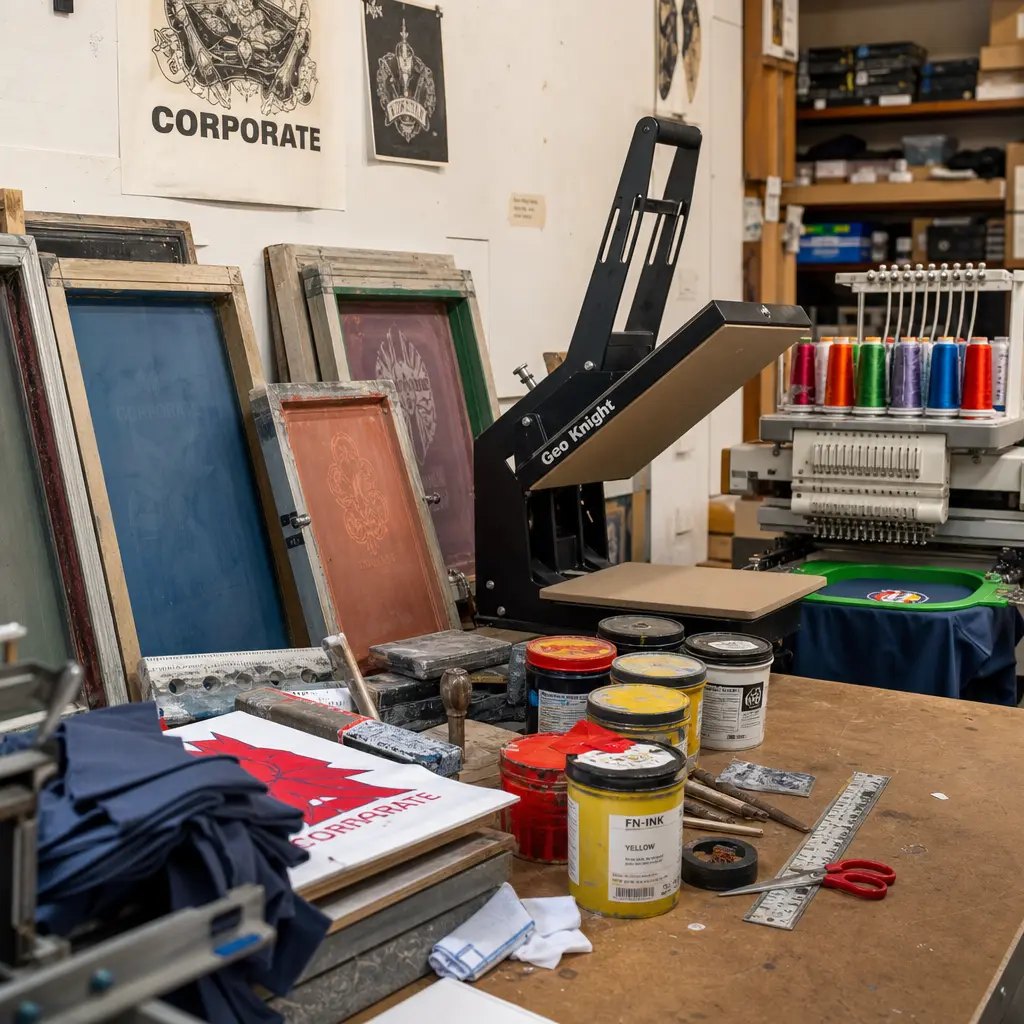
Spa artwork is often a wordmark, botanical line drawing, small emblem, or calm one-color logo. Screen printing is usually the best starting point for this style because it is cost-efficient, stable, and suitable for cotton canvas. Ask for ink type, print size, color count, and whether the print will be made on panels before sewing or on finished bags.
Low-contrast branding needs sampling. A pale beige print on natural cotton can look elegant in a mockup but weak in bulk. White ink on natural or dyed cotton may need higher opacity, which changes handfeel. Fine lines may fill in if the screen and ink are not matched to the fabric texture. A strike-off on actual fabric is a safer approval tool than a digital proof.
Heat transfer can reproduce gradients and detailed images, but it may feel less natural on an organic cotton tote. Embroidery can look premium for small marks, yet dense stitching may pucker lighter fabric. Woven side labels or small external labels work well for subtle spa branding and can reduce large-front-print risk.
- Screen print: best for one to four solid colors and medium front logos.
- Water-based ink: softer handfeel, but opacity must be tested.
- High-opacity ink: stronger coverage, with a heavier print feel.
- Heat transfer: useful for fine detail or gradients; test flexibility and adhesion.
- Embroidery: premium for small logos; avoid dense designs on thin cotton.
- Woven label: good for understated retail collections and repeat programs.
Use organic documentation that matches your claim
The word organic should not be treated as a casual product adjective in procurement documents. Ask what documentation path is available and whether it supports your intended claim on the tote, label, hangtag, product page, or invoice. A supplier may be able to make a tote from organic cotton fabric but not provide the chain-of-custody documents needed for a certified marketing claim.
Common evidence paths include GOTS certification, OCS certification, supplier scope certificates, transaction certificates for certified material movements, material declarations, and supplier declarations. A scope certificate shows that a company is certified for certain processes and product categories; it does not by itself prove that your specific shipment is certified. A transaction certificate, when applicable, links a specific certified transaction to goods supplied. Supplier declarations may be useful for internal material records, but they are weaker than recognized chain-of-custody documents.
Before artwork approval, decide exactly what you will say. “Made with organic cotton,” “certified organic cotton,” and “GOTS certified” can carry different documentation expectations. If a spa retailer plans to print a certification mark or certified claim, compliance and legal review should happen before bulk printing, not after goods are packed.
- Ask whether the factory, fabric mill, printer, or trading company holds the relevant certificate.
- Request current scope certificates and check product category and validity dates.
- Ask whether a transaction certificate can be issued for the order, if required.
- For OCS or GOTS claims, confirm chain-of-custody expectations before PO release.
- Use supplier declarations only when your claim and internal policy allow them.
- Keep documentation linked to PO number, SKU, quantity, and shipment lot.
Understand MOQ drivers instead of negotiating blindly
MOQ is not only a sales preference. It may come from finished blank inventory, fabric roll quantity, dyeing minimums, cutting efficiency, printing setup, label MOQ, packing material MOQ, or sewing-line scheduling. A stock blank natural tote can often support a lower starting quantity than a custom dyed, gusseted, labeled retail tote.
For spa retailers with multiple branches, standardizing the bag body is often the best way to manage MOQ and consistency. Use one size, one fabric, and one construction, then vary only the print or label if the factory can handle split artwork efficiently. If each location chooses a different fabric color, size, handle length, and logo, the order becomes several small productions with more shade and setup risk.
When requesting a lower MOQ, ask what specification must change to make it possible. The answer may be stock fabric instead of custom fabric, one print color instead of three, standard carton packing instead of retail paper bands, or one shared body across all locations.
- Lowest MOQ path: stock blank organic cotton tote plus logo print.
- Moderate MOQ path: custom print on stock organic cotton fabric.
- Higher MOQ path: custom size, gusset, label, and retail packing.
- Highest MOQ path: dyed fabric, special GSM, or dedicated fabric weaving.
- MOQ split question: can the order share one body but use multiple logo versions?
Request quote lines that reveal the real landed cost
A one-line unit price is not enough for a procurement decision. It may hide missing charges for screens, sample making, labels, hangtags, barcode stickers, paper bands, upgraded cartons, or inspection support. Ask suppliers to separate base bag cost, branding cost, packing cost, sample charge, one-time setup charges, and trade term.
Landed cost matters more than FOB price when fabric weight changes. A 16 oz tote may be only moderately higher at unit level, but it increases carton weight and volume. If the tote is paid merchandise, the stronger handfeel may justify the cost. If the tote is a gift-with-purchase, the heavier version may damage the promotion margin.
Use matched specifications when comparing suppliers. If one quote is 8 oz flat stock and another is 12 oz custom gusseted canvas, the lower price does not prove better sourcing. Build a comparison sheet with the same fabric, dimensions, logo, packing, MOQ, inspection assumptions, and shipping route.
- Separate base bag, print, label, hangtag, barcode, packing, sample, screen, and courier costs.
- State trade term clearly: EXW, FOB, CIF, DDP, or another agreed term.
- Request carton dimensions and gross weight for freight estimation.
- Compare cost per approved usable bag delivered to your warehouse.
- Check quote validity because cotton, freight, and exchange rates can change.
- List exclusions so late add-on charges do not appear after PO release.
Approve samples with measurable criteria
A digital mockup can confirm artwork direction, but it cannot approve fabric feel, stitching, shade, print opacity, or carrying comfort. The safest approval path is a pre-production sample made with actual bulk fabric, actual print method, actual handle reinforcement, and intended packing. If the first sample is a stock reference, label it as a reference only.
Sample comments should be measurable. Record finished dimensions, handle drop, fabric shade, print color, logo position, seam finishing, fold method, and packaging. Keep one approved sample with the buyer and one sealed sample at the factory. If possible, photograph key measurement points and attach them to the approval record.
Tolerance should be realistic for sewn cotton goods. Many buyers use about +/-0.5 cm to +/-1 cm for finished size depending on bag size, and tighter limits such as 3 mm to 5 mm for logo placement when the production process allows. The key is to define pass/fail points before production starts.
- Measure width, height, gusset, handle width, and handle drop.
- Check fabric shade against approved swatch under consistent light.
- Review print edge sharpness, ink coverage, registration, and handfeel.
- Load the sample with expected spa products or agreed test weight.
- Approve seam finish, reinforcement, trimming, and pressing.
- Sign and date the approved sample or approval sheet before bulk start.
Set QC inspection rules with clear pass and fail examples
Quality control should be agreed before the order enters production. For many retail bag orders, buyers use ISO 2859-1 or ANSI Z1.4 sampling logic with general inspection level II for normal inspection. A common AQL structure is critical defects 0, major defects 2.5, and minor defects 4.0, although your company standard may be stricter. Higher-risk launches, premium paid merchandise, or first orders may justify tighter inspection or additional inline checks.
Sample size is based on lot quantity and inspection level, not on a random guess. For example, under general level II, a larger order requires a larger inspection sample. The inspector then counts defects by class. Critical defects are safety, compliance, or severe contamination issues. Major defects affect saleability or function. Minor defects are small appearance issues that do not usually prevent sale but still matter when frequent.
Define practical pass/fail examples. A tote should fail for a major visible oil stain on the front panel, an open seam longer than the agreed limit, a handle that tears during the load test, a logo printed outside tolerance, a wrong barcode, or a materially wrong fabric weight. Minor loose threads may be accepted if they are few and easily trimmed, but repeated poor trimming across the sample can become a lot-level issue.
- Critical: needle fragment, mildew contamination, wrong certified claim, unsafe sharp object, or severe odor.
- Major: open seam over agreed limit, broken handle stitch, wrong size beyond tolerance, wrong print color direction, major stain, wrong SKU label.
- Minor: small loose thread, slight press mark, small natural slub within agreed standard, light wrinkle that can be steamed.
- Print checks: centering tolerance, opacity, registration, rub resistance, cracking, and missing ink.
- Measurement checks: record actual values and count out-of-tolerance pieces as defects.
- Packing checks: carton count, barcode, carton marks, moisture protection, and mixed-SKU separation.
Plan packing, lead time, and award decision together
Packing affects both brand perception and damage risk. Individual polybags protect natural cotton from dust and moisture, especially during long sea freight and warehouse storage, but they may conflict with a spa brand’s plastic-reduction policy. Paper bands, folded bundles, or master-bag packing can reduce plastic, but require cleaner cartons, better moisture control, and careful warehouse handling.
Lead time should be broken into real steps. Sample development may take about 7 to 14 days depending on fabric and print method, plus courier and buyer review time. Fabric booking may be immediate for stock fabric or several weeks for dyed/special fabric. Printing and sewing may take 2 to 5 weeks depending on quantity, complexity, and factory capacity. Final inspection, rework if needed, packing, export documentation, and shipping should be scheduled as separate windows.
Award the order only after comparing matched specs, documentation, QC readiness, and landed cost. The best supplier is not always the lowest FOB quote. For spa retail, a stronger choice is the supplier that can explain the fabric, provide appropriate organic evidence, make the approved sample accurately, separate quote lines, support inspection, and pack the goods in a way stores can use.
- Sample window: allow making, courier, review, and revision time.
- Fabric window: separate stock fabric from dyed or special GSM booking.
- Production window: include cutting, panel printing, sewing, trimming, pressing, and packing.
- Inspection window: schedule before vessel closing or courier pickup, not on the same day.
- Shipping window: confirm carton dimensions, gross weight, documents, and warehouse receiving date.
- Award criteria: matched specification, documentation, sample accuracy, QC plan, packing fit, and landed cost.
Specification comparison for buyers
| Quote field to match | Supplier A | Supplier B | Buyer check before award |
|---|---|---|---|
| Finished size and construction | 38 x 42 cm flat tote, no gusset | 35 x 40 x 10 cm gusseted tote | Do not compare unit price unless dimensions, gusset, handle drop, and seam finish are matched. |
| Fabric specification | 10 oz organic cotton canvas, natural color | 12 oz organic cotton canvas, natural color | Confirm GSM or oz, weave, natural/bleached/dyed status, and whether fabric weight is measured before or after finishing. |
| Organic documentation | Supplier declaration only | GOTS or OCS scope certificate plus transaction certificate where applicable | Match evidence to your marketing claim. Ask which documents are available before printing organic claims. |
| Branding method | One-color screen print included | Two-color screen print with screen charge listed separately | Confirm print size, ink type, color count, setup fees, strike-off approval, and logo position tolerance. |
| MOQ basis | 500 pcs from stock blank tote | 1,000 pcs custom cut-and-sew using available fabric | Ask whether MOQ is driven by blank stock, fabric roll, dyeing, sewing line setup, print setup, or packing materials. |
| Sample path | Stock sample photo, then print sample | Pre-production sample with actual fabric, construction, print, and packing | Approval should be based on physical sample or documented PP sample, not only mockup images. |
| Lead time | 7-10 days sample; 20-30 days bulk after approval | 10-14 days sample; 35-50 days bulk after approval | Separate sample, fabric booking, cutting, printing, sewing, inspection, packing, and shipping windows. |
| Packing | Bulk packed, 100 pcs/carton | Folded with paper band, barcode sticker, 50 pcs/carton | Confirm carton size, gross weight, inner packing, moisture protection, barcode position, and store allocation quantity. |
| Inspection plan | Factory internal check only | Buyer or third-party inspection before shipment | Define inspection level, AQL, sample size, defect classes, and rework rules before production. |
Buyer checklist before sampling
- Define the tote use case: paid spa retail merchandise, treatment gift, amenity kit carrier, membership gift, event giveaway, or e-commerce insert.
- Choose one target fabric specification before asking for prices: oz or GSM, canvas or plain weave, natural, bleached, or dyed cotton.
- State whether the cotton must support an organic claim and list accepted documentation paths such as GOTS, OCS, transaction certificates, scope certificates, or supplier declarations.
- Provide finished dimensions for width, height, gusset, handle width, handle drop, seam finish, and size tolerance.
- List expected contents, such as two skincare bottles, a candle, slippers, folded towel, robe, or boxed gift set, so the factory can judge load and gusset depth.
- Specify logo method, print size, print colors, Pantone references, position, and acceptable centering tolerance.
- Require a pre-production sample using actual bulk fabric, actual handle construction, actual print method, and intended packing.
- Separate quote lines for base bag, printing, labels, hangtags, packing upgrades, sample charge, screens, inspection, and freight if requested.
- Confirm packing rules: individual polybag, no polybag, paper band, folded bundle, barcode sticker, carton quantity, carton marks, and pallet requirements.
- Set QC expectations before PO release: inspection level, AQL, defect classes, measurement tolerance, print rub test, load test, and rework process.
Factory quote questions to send
- What exact fabric is quoted: organic cotton percentage, GSM or oz, weave, yarn count if available, natural/bleached/dyed status, and finishing treatment?
- Which organic documentation can be provided: GOTS certificate, OCS certificate, scope certificate, transaction certificate, material certificate, supplier declaration, or none?
- Is the supplier certified, using certified fabric from another mill, or only purchasing cotton described as organic by an upstream supplier?
- What is the MOQ based on: finished blank stock, fabric roll minimum, dyeing lot, cutting table setup, printing setup, label MOQ, or carton MOQ?
- What finished size tolerance applies to bag width, height, gusset, handle length, handle drop, and logo placement?
- What handle reinforcement is included: box-stitch, cross-stitch, bar tack, double fold, or another method?
- What carrying weight has this construction been tested for, and how was the test performed?
- Which print method is quoted, how many colors are included, what ink type is used, and what is the maximum printable area?
- Are screen charges, digitizing, artwork adjustment, sample making, pre-production sample, and courier fees included or separate?
- Will the pre-production sample use actual bulk fabric and actual ink, or only a similar available fabric?
Quality-control points to confirm
- Use a defined inspection plan, commonly ISO 2859-1 / ANSI Z1.4 sampling logic, with general inspection level II for normal retail orders unless risk requires tighter checking.
- Set AQL targets before production, for example critical defects 0, major defects 2.5, and minor defects 4.0, or your company’s stricter standard.
- Measure finished width, height, gusset, handle width, handle drop, and logo position against the approved sample and tolerance sheet.
- Confirm fabric weight by checking GSM or panel weight from random samples, recognizing that finished textile variation should be controlled within agreed tolerance.
- Inspect handle attachment for box-stitch or cross-stitch reinforcement, skipped stitches, loose threads, broken stitches, and weak stress points.
- Check seams for open seams, uneven seam allowance, raw edges where not approved, twisted handles, puckering, and poor pressing.
- Check fabric cleanliness for oil stains, rust marks, dirt, mildew odor, colored yarn contamination, holes, slubs beyond agreed natural-cotton limits, and shade mismatch.
- Check print quality for missing ink, pinholes, blurred edges, wrong Pantone direction, poor registration, cracking, heavy handfeel, off-center placement, and dry/wet rub failure where applicable.
- Run practical pass/fail checks: no major stain on visible panels, no open seam over 5 mm, no logo shift beyond tolerance, no handle failure under agreed load, and no carton short count.
- Verify packing against instruction: folding, barcode, hangtag, paper band or polybag, carton quantity, carton marks, carton strength, desiccant if required, and mixed-SKU separation.