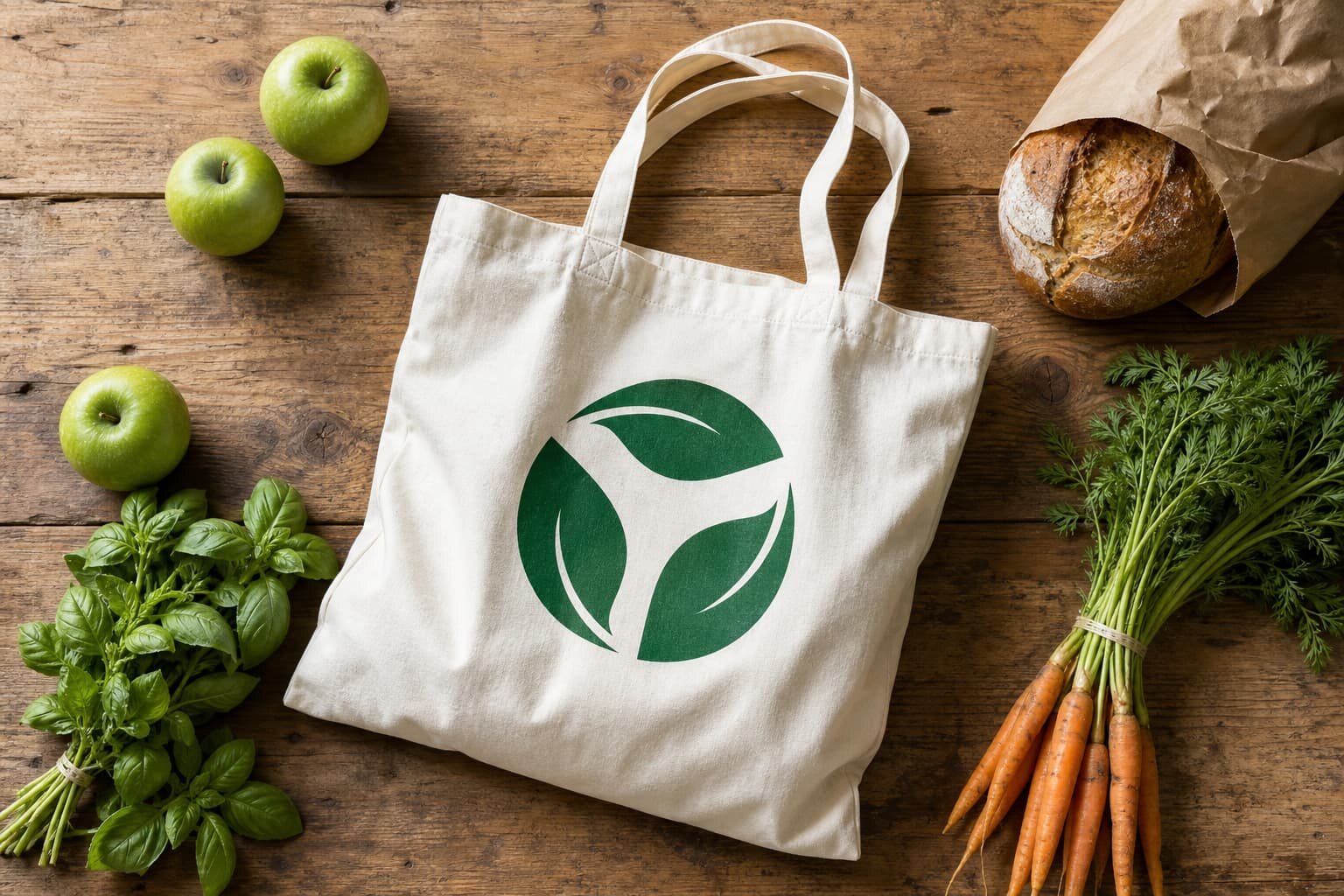
Why the Sample Seal Pack Matters
For an organic cotton bag order, the signed sample is more than a nice reference photo. It is the physical production target for fabric hand feel, sewing construction, logo position, print finish, label placement, and packing result. When the sealed sample pack is weak, the buyer and factory can both believe they are following the order while checking against different standards.
A proper organic cotton bag sample seal pack signoff file prevents three common disputes: the factory says the bulk followed the approved sample, the buyer says the bulk does not match the RFQ, and the inspector has no clear document to decide who is right. The file should connect the commercial quote, technical specification, approved physical sample, and inspection checklist into one controlled record.
- Use one signoff file per SKU, not one general approval for several bag sizes or colors.
- Seal the sample only after logo, fabric, stitching, label, and packing are all reviewed.
- Keep one sealed sample with the buyer and one identical sealed sample at the factory.
- Treat the signed pack as the production reference, not as a sales display sample.
Define the Bag Before You Approve the Sample
The most expensive sample mistake is approving a bag that looks acceptable but is not fully specified. Organic cotton bags are simple products, but small details change cost and performance: fabric weight, yarn density, handle reinforcement, thread color, printing method, label type, and folding style. If these are not locked in the signoff file, the bulk order can drift toward the cheapest interpretation.
Procurement teams should write the file in buyer language and factory language. A buyer may say 'heavy natural tote with long handles.' A factory needs finished size, fabric weight, handle drop, seam allowance, stitch density, print artwork size, print position, and packing unit. Both descriptions can sit in the same file, but the measurable standard must control the approval.
- Finished bag size: width, height, gusset if any, and tolerance such as plus or minus 1 cm.
- Handle details: length, drop, width, fabric type, stitch shape, and reinforcement position.
- Fabric: organic cotton canvas or plain weave, natural or dyed, GSM or ounce weight, and expected shrinkage.
- Construction: side seams, bottom seam, inside overlock or bound seam, and thread color.
- Branding: logo method, artwork version, color reference, placement distance from top and side edges.
Fabric GSM and Organic Cotton Claims
Fabric weight is one of the first places where quotes become difficult to compare. One supplier may quote 5 oz cotton, another 6 oz, another 220 GSM, and another may describe fabric as 'medium canvas.' For signoff, the file should state the finished fabric weight and how it is checked. Organic cotton canvas can feel different depending on weave, finishing, moisture, and whether the sample was washed or pressed.
Do not approve an organic cotton claim only because the bag is natural color or has a recycled-looking texture. If the order requires organic cotton certification support, transaction documentation, or specific chain-of-custody wording, that requirement belongs in the RFQ and quote. The sample seal pack can show the fabric and label, but commercial and compliance documents must confirm what claim may legally appear on the product or packaging.
- Light bags: 5 oz to 6 oz plain weave for low-load promotions and mailer inserts.
- Standard retail totes: 8 oz to 10 oz canvas for daily carry and better print coverage.
- Heavy reusable bags: 12 oz to 16 oz canvas for premium retail, books, bottles, or repeat use.
- Check whether the quoted GSM is greige fabric, finished fabric, or supplier estimate.
- If shade matters, approve a fabric swatch and bag sample from the same production direction.
Print Approval Is More Than Logo Position
Many buyer claims start with printing because the logo is the most visible part of the bag. A signoff file should not simply say 'logo approved.' It should state the artwork file name, print method, color reference, logo dimensions, placement from bag edges, and acceptable variation. Organic cotton has a textured surface, so ink coverage and edge sharpness may differ from paper, polyester, or coated fabric.
Screen printing is usually suitable for solid one-color or limited-color logos. Water-based ink gives a softer hand feel but may look less opaque on darker fabric unless adjusted. Heat transfer can handle detail and gradients but changes the surface feel and may show a film edge. Embroidery gives a premium texture but adds cost, thread density concerns, and possible puckering on lighter fabrics. The approved sample must represent the bulk method, not a quick sample shortcut.
- Record logo width and height in millimeters, not only percentage of bag size.
- Measure print placement from top edge, side edge, and center line where possible.
- Approve print color under a defined light source or by agreed Pantone reference as a guide.
- Check ink strike-through on lightweight natural cotton before confirming bulk.
- Ask whether the sample was digitally printed while bulk will be screen printed; this must be re-approved.
Build the Signoff File Like a Production Control Document
A good signoff file is short enough for the factory floor to use but complete enough for a buyer claim file. It should include photos, measurements, approved specifications, quote basis, packing instructions, and signatures. The purpose is not to create paperwork for its own sake. The purpose is to remove interpretation before the factory buys fabric, cuts panels, exposes screens, or packs cartons.
The file should also show version control. If the buyer changes the handle length after seeing a sample, the first sample should not remain active. Mark it rejected, superseded, or for reference only. The approved pack should carry the final version code. Without version control, a factory may follow an earlier sample while the buyer expects the revised quote.
- Cover page: SKU, buyer item number, supplier item number, order quantity, version code, and date.
- Spec page: dimensions, fabric, print, label, construction, packing, and tolerance.
- Photo page: front, back, inside, handle stitch, bottom seam, label, and folded packing view.
- Quote page: unit price basis, MOQ basis, sample fee if any, packing included, and Incoterm.
- Approval page: buyer signature, factory merchandiser signature, QC confirmation, and sealed sample reference.
MOQ Logic and Quote Data Buyers Should Lock
Organic cotton bag MOQ is not only a number. It is usually connected to fabric availability, printing setup, dye lot, label production, and packing material. A supplier quoting a very low MOQ may be using available fabric, sharing print setup, or excluding custom packing. That can be workable, but it must be transparent. Otherwise the reorder may arrive with different fabric, shade, or cost.
Ask the factory to show the cost structure in practical terms, even if they do not reveal every internal margin. For example, separate the base bag, printing, woven label, hangtag, individual packing, export carton, testing, courier samples, and freight basis. This makes supplier quotes easier to compare and reduces late-stage cost surprises.
- Fabric MOQ: natural stock fabric may support lower MOQ than dyed organic cotton fabric.
- Print MOQ: screen setup cost is spread better across larger quantities, especially for multi-color logos.
- Label MOQ: woven labels, care labels, and hangtags may have their own supplier minimums.
- Packing MOQ: custom paper bands, barcode stickers, or printed cartons may increase minimum quantity.
- Inspection cost: third-party inspection, lab testing, and extra sealed samples should be quoted separately.
Sample Checks Before Sealing the Pack
Do not seal the sample immediately after it arrives. First, test whether it can be used as a production reference. Lay it flat, measure it, check symmetry, inspect seams, review handle attachment, compare logo size, and fold it the way the final order will be packed. A sample that looks fine in one photo may fail when checked against load, folding, or carton requirements.
Procurement teams should record sample comments in a controlled way. Avoid comments like 'make better stitching' or 'logo a little higher.' Use measurable corrections: increase handle stitch box to 30 mm by 35 mm, move logo center 20 mm upward, change print from 180 mm to 160 mm wide, or reduce fold width to fit carton plan. Once corrected and approved, seal only the final version.
- Measure at least width, height, gusset, handle drop, handle width, and logo placement.
- Check handle load by applying a realistic pull based on intended use, especially for grocery or book bags.
- Inspect stitch density and skipped stitches at stress points, not only side seams.
- Rub the printed logo lightly with a white cloth after curing to check obvious ink transfer risk.
- Pack the sample into the proposed fold and confirm that the logo is not sharply creased.
Packing Details That Change the Final Result
Packing is often approved too late. For organic cotton bags, folding method affects logo appearance, carton cube, warehouse receiving, and customer presentation. A bag folded across the print may arrive with a permanent crease on heavy ink. A bag packed too tightly may show compression marks. A carton filled without moisture control may arrive with odor, mildew risk, or wrinkling depending on route and storage.
The sample seal pack should include a packed sample or at least a photo sequence of the approved fold. If individual polybags are restricted by the brand, specify paper band, belly band, bulk bundle, or carton-only packing. If the buyer needs retail barcodes or distributor labels, include size, position, and data source in the file. Packing is not an afterthought; it is part of the delivered product.
- Confirm individual packing or bulk packing before quoting because labor and material costs change.
- State fold direction and final folded dimensions for warehouse planning.
- Specify bundle count, inner carton if any, master carton quantity, and carton mark format.
- Check whether desiccant, ventilation, or moisture warning is needed for long sea shipments.
- Avoid placing barcode labels on wrinkled fabric surfaces unless the scanning method is tested.
Lead Time Control From Sample to Shipment
Lead time should be split into stages, not stated only as a total number. A realistic schedule may include artwork confirmation, fabric sourcing, sample making, courier transit, buyer review, material preparation, printing, sewing, inline inspection, final packing, final inspection, and export booking. If the buyer delays sample approval, the factory cannot safely hold the original shipment date unless capacity and materials are still available.
For organic cotton bags, fabric readiness often controls the schedule. Natural stock fabric can be faster than custom dyed fabric. Multi-color screen printing can add setup and drying time. Heavy canvas may sew slower and pack bulkier than thin promotional cotton. A signoff file should record the approval date because that date becomes the proper starting point for bulk production commitment.
- Sample development: allow time for artwork review, material confirmation, and one correction round.
- Bulk material: confirm whether fabric is in stock, reserved, or still to be woven or dyed.
- Printing: screen making, color adjustment, curing, and drying space can affect timing.
- Sewing: handle reinforcement and inside finishing change production speed.
- Packing and inspection: carton labeling, barcode application, and final QC need planned time.
Acceptance Criteria and Change Control
A sealed sample does not mean every bulk piece will be identical in every millimeter. Cotton fabric moves, sewing has tolerance, and printing on woven texture has natural variation. The file should define acceptable tolerance so inspection is fair. Without tolerances, a buyer may reject normal production variation, or a factory may push through defects as normal handmade difference.
Change control is equally important. If the factory must replace fabric, change ink, adjust handle length, alter folding, or use a different label supplier, the buyer should approve the change before production continues. The signoff file should state which changes are major and require written approval. This protects both sides and keeps the inspection standard connected to the latest agreed production reality.
- Set size tolerance by product type, commonly tighter for retail packaged bags than low-cost giveaways.
- Set print placement tolerance, such as plus or minus a few millimeters depending on bag size and fabric movement.
- Define unacceptable defects: broken stitches, open seams, severe stains, wrong logo color, wrong label, and odor.
- Require written approval for fabric weight change, shade change, print method change, or packing change.
- Keep approved deviation notes with the file so final inspection does not become a new negotiation.
Specification comparison for buyers
| Spec decision | Recommended option | When it fits | Buyer risk to check |
|---|---|---|---|
| Fabric weight for daily retail tote | 10 oz or 12 oz organic cotton canvas | Reusable shopping bags, bookstore bags, event merchandise, medium retail loads | Confirm finished GSM after washing or finishing, not only greige fabric weight |
| Fabric weight for low-cost giveaway bag | 5 oz or 6 oz organic cotton plain weave | Light promotional handouts, folded mailer inserts, short-use campaigns | Thin fabric may show print strike-through and weak handle anchoring if stitch density is reduced |
| Logo method for solid brand artwork | Water-based screen print | One to three spot colors, larger logos, natural cotton background | Approve ink hand feel, edge sharpness, curing, and color under D65 or agreed light source |
| Logo method for detailed artwork | Heat transfer or digital print sample for approval | Small text, gradients, photographic artwork, multiple colors | Check wash resistance, transfer edge visibility, and whether bulk factory uses the same transfer material |
| Sample seal pack format | One master sealed sample plus one working duplicate | Importer needs a locked reference while factory needs a shop-floor reference | Both samples must carry the same signed spec sheet, date, and version number |
| Packing confirmation | Fold size, carton quantity, inner bundle, moisture control, carton mark | Retail distribution, warehouse receiving, FBA-style sorting, distributor shipments | Unapproved folding can create logo creases, barcode obstruction, or carton cube changes |
| MOQ decision | MOQ tied to fabric sourcing, dye/print setup, and packing style | Custom organic cotton bags with logo, label, and export packing | A low MOQ quote may use available fabric lot or substitute trim unless restricted in writing |
Buyer checklist before sampling
- Assign one version code to the signed sample pack, such as CTM-OCB-SSP-V1, and use the same code on quote, invoice, production file, and carton inspection record.
- Confirm finished bag size with tolerance, handle length, handle width, stitch type, seam allowance, and load expectation before approving bulk production.
- Record fabric construction, claimed organic cotton status, color, GSM or ounce weight, shrinkage expectation, and whether the sample fabric is from bulk stock or a substitute sample yardage.
- Approve logo artwork size, placement from bag edges, print color reference, print method, curing standard, and acceptable hand feel.
- Photograph front, back, bottom, inside seam, handle attachment, label position, and packing fold before sealing the approval sample.
- Seal one reference sample for buyer custody and one matching production reference for the factory, both signed and dated.
- Include packing details in the signoff file: fold method, bundle count, polybag or paper band choice, carton quantity, carton size target, carton mark, and moisture protection.
- State which differences need written re-approval, including fabric lot change, GSM change, print method change, thread color change, label position change, and packing change.
- Attach the final quote breakdown showing fabric, printing, label, packing, testing, sampling, and freight basis so later cost changes can be traced.
- Do not release deposit or bulk cutting approval until the factory confirms that production will follow the sealed sample file, not only the sales sample photo.
Factory quote questions to send
- Is the approval sample made from the same organic cotton fabric lot planned for bulk production? If not, what will change in GSM, shade, shrinkage, or hand feel?
- What is the exact fabric weight in GSM and ounce conversion after finishing, and what tolerance do you apply during bulk inspection?
- Which print method will be used in bulk production, and will the same ink, screen mesh, transfer film, curing process, and print operator standard be used as the sample?
- What MOQ is driven by fabric purchase, printing setup, label production, dyeing, packing material, or carton quantity?
- How many sealed samples can you provide, and who signs each one: merchandiser, QC, production manager, and buyer?
- What is your standard tolerance for finished bag size, handle drop, print placement, print color, and carton quantity?
- Can you provide pre-production photos after fabric cutting but before bulk printing, so size and material can still be corrected?
- What packing method is included in the quoted price, and what is the cost impact if we change to individual polybag, FSC paper band, retail hangtag, or master carton labeling?
- What is the normal lead time split for sample approval, material preparation, printing, sewing, packing, inspection, and export handover?
- Which items are excluded from the quote, such as lab testing, courier samples, certification transaction documents, barcode labels, palletization, or destination charges?
Quality-control points to confirm
- Check finished fabric weight against the signed specification, not against a verbal quote or old sample from another order.
- Measure bag width, height, gusset, handle drop, handle width, and logo placement on multiple points because cotton fabric can move during cutting and sewing.
- Compare print color, coverage, edge sharpness, ink penetration, and curing against the sealed sample under consistent lighting.
- Pull-test handle attachment and inspect box stitch or cross stitch density where the handle carries load.
- Inspect seam strength, loose threads, needle holes, skipped stitches, and inner seam finishing before packing hides defects.
- Confirm labels, hangtags, care labels, and side labels match the signoff file in wording, position, material, and attachment method.
- Verify fold direction and carton packing so the logo does not sit on a hard crease or against an exposed staple.
- Check carton marks, SKU stickers, bundle counts, gross weight, and carton dimensions against the buyer packing instruction.
- Record any approved deviations in a written correction log before shipment, not after a claim begins.