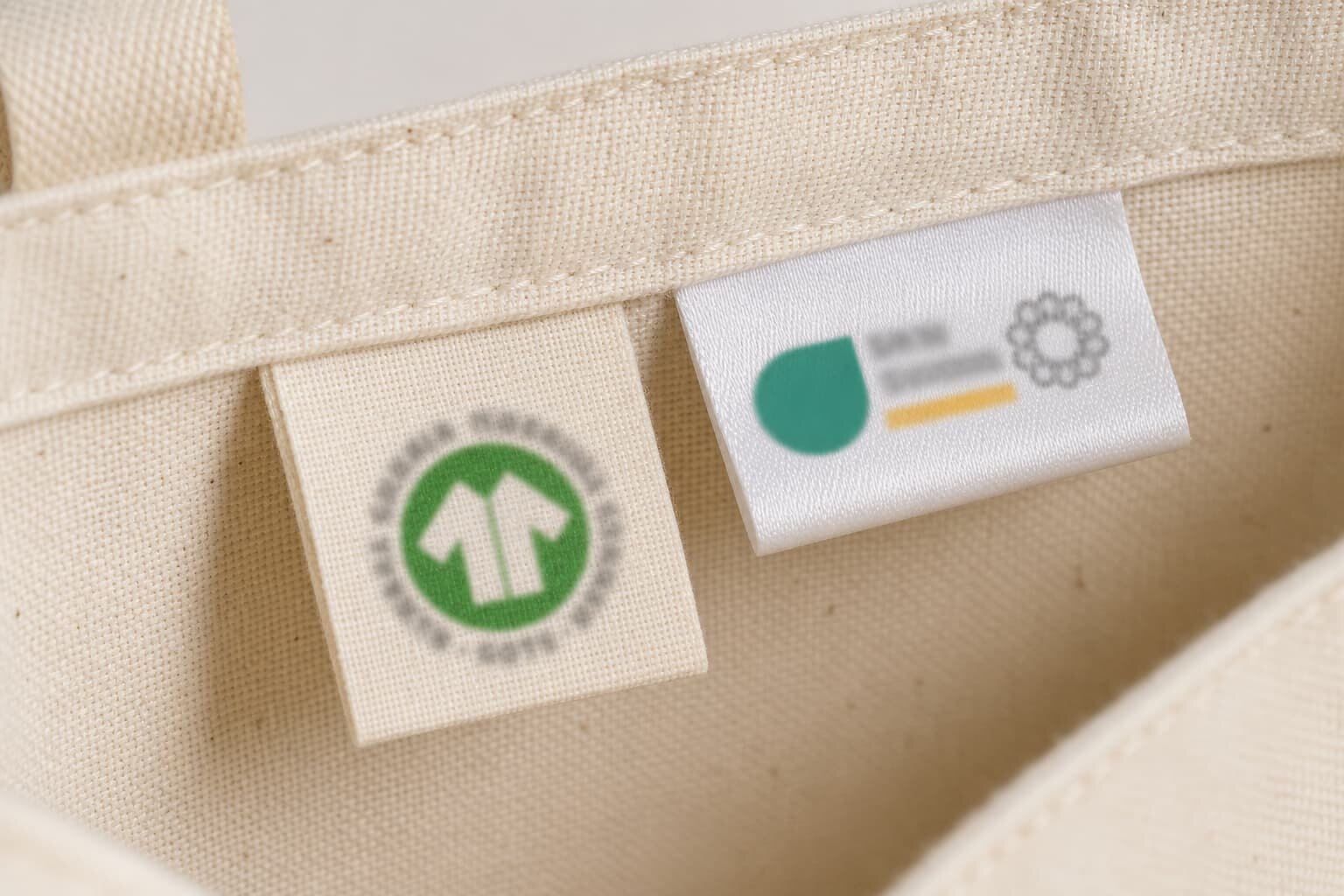
Why the sealed sample pack matters
For organic cotton bags, the sealed sample pack is not a formality. It is the physical contract between the buyer, merchandiser, production line, printing workshop, packing team, and final inspector. If the approved sample is loose, incomplete, or different from the latest quote, the factory may produce to an older instruction without realizing it. That is how buyers receive the right logo on the wrong fabric, the right bag size with the wrong handle drop, or a clean sample followed by bulk cartons with weak folding and poor label placement.
A proper sample seal pack prevents argument after production starts. It defines what is approved, what is only a reference, and what tolerance is acceptable. Procurement teams should treat it as a release gate before cutting fabric, ordering labels, printing bulk panels, or booking export cartons. The aim is simple: the bulk production should match the sealed sample, the signed spec sheet, and the final purchase order at the same time.
- Use one sealed master sample for the buyer and one duplicate for the factory production file.
- Mark the pack with project name, PO number, sample version, date, and buyer approval status.
- Attach the approved artwork proof and packing instruction to the physical bag sample.
- Record any accepted differences between sample and bulk, such as available stock fabric used for sampling.
- Do not allow bulk cutting if the sample pack and quote sheet show different GSM, size, or print method.
Define the bag before you inspect it
Many sample disputes begin because the buyer and factory are not inspecting the same product definition. An organic cotton tote bag can be a 5 oz plain weave giveaway bag, a 10 oz canvas retail tote, or a 12 oz gusseted shopping bag with reinforced handles. These are different products with different costs, lead times, sewing behavior, and printing results. The sample inspection checklist should start with product identity before checking workmanship.
For RFQ comparison, ask the factory to quote against a controlled specification instead of a photo. Photos help with shape and style, but they do not define fabric weight, seam construction, handle length, or packing. If the factory fills gaps by assumption, the cheapest quote may only be cheaper because it uses lighter fabric, shorter handles, lower stitch density, or bulk packing without labels.
- State bag type: flat tote, bottom gusset tote, side-and-bottom gusset bag, drawstring bag, or pouch.
- State finished size in width x height x gusset, with tolerance in millimeters or inches.
- State fabric weight as finished GSM or ounces per square yard, not just cotton canvas.
- State handle size, handle drop, handle fabric, and reinforcement style.
- State branding position, print size, print colors, and artwork file version.
Fabric checks: GSM, weave, shrinkage, and organic claim
Organic cotton bag buyers often focus on certification wording but miss the fabric engineering. GSM affects cost, hand feel, opacity, print result, shipping weight, and seam strength. A 140 GSM organic cotton bag may be correct for an event giveaway, while a 320 GSM canvas bag is closer to a durable retail product. If both suppliers write organic cotton tote in the quote, they may still be quoting completely different items.
The sealed sample pack should include a fabric swatch or cutting from the same roll type planned for bulk. If the sample is made from stock fabric because bulk fabric is not yet woven or dyed, write that clearly on the approval sheet. For natural and unbleached cotton, buyers should also check seed flecks, slubs, shade, odor, and dust marks. Natural cotton is not perfectly uniform, but the acceptable range should be defined before production.
- Check finished GSM with a sample cutter or lab report if the order value justifies it.
- Confirm weave type: plain weave is lighter and softer; canvas or duck is denser and more structured.
- Ask whether fabric is greige, washed, bleached, dyed, or finished with softener.
- Record shrinkage expectation if the bag may be washed by the consumer.
- Clarify whether the buyer requires organic certification documentation, transaction certificate support, or only an organic material claim.
Logo and print inspection for sealed samples
The logo on the sample should be inspected as a production process, not just as decoration. On organic cotton, water-based screen printing is common because it gives a softer hand feel and works well on natural fabric. Pigment screen print, discharge print, embroidery, woven labels, and cotton patch labels can also be suitable, depending on the brand position and budget. Each method creates different risks that must be checked before sealing the sample.
Print approval should include color, size, position, edge clarity, registration, and hand feel. For natural cotton, the fabric base color can make ink appear warmer or duller than on a digital proof. For dark-dyed organic cotton, light ink may require an underbase or extra pass, which affects cost and touch. Buyers should ask for a strike-off on the actual fabric instead of approving only a paper color reference.
- Measure logo position from fixed seams or bag edges, not by eye.
- Record logo size and accepted placement tolerance, such as plus or minus 3 mm for simple totes.
- Check print penetration and reverse-side staining on lightweight cotton.
- Perform dry rub and light scratch checks when the print area is large or dark.
- For embroidery, check puckering, backing material, thread color, and stitch density.
Sewing construction and handle strength
The handle seam is one of the most important failure points on an organic cotton bag. A sample may look clean on a table but fail when loaded with catalogs, groceries, or retail merchandise. The sealed sample should show the exact handle attachment method planned for bulk: single stitch, box stitch, cross stitch, bartack, folded top hem capture, or reinforced patch. If the RFQ does not define it, suppliers may choose the lowest-cost construction.
Inspectors should also check seam allowance, stitch density, thread color, loose threads, skipped stitches, and corner shaping. Organic cotton fabric can fray more visibly if seam allowance is narrow or if the fabric is loosely woven. A neat sample with hand-trimmed threads is not enough; the factory must be able to repeat the same sewing quality at bulk speed.
- Check stitch density per inch or per 3 cm and compare it against the factory standard.
- Pull handles by hand and request a load test standard for heavier retail bags.
- Confirm whether top hem is single folded, double folded, or bound.
- Inspect inside seams for fraying, exposed raw edges, and uneven overlock.
- Define thread color as tone-on-tone, natural, contrast, or exact Pantone reference if needed.
Packing approval is part of the product
Packing mistakes create chargebacks, store complaints, and warehouse delays even when the bag itself is acceptable. Organic cotton bags are often ordered by brands that care about plastic reduction, but plastic-free packing can increase dust, moisture, and handling risks. The sample seal pack should therefore include a packing sample or at least clear packing photos approved by the buyer.
Decide whether the bag will be bulk packed, individually bagged, paper banded, hangtagged, barcoded, or packed in retail cartons. Also confirm folding direction, visible logo position after folding, carton quantity, carton dimensions, carton gross weight, carton mark layout, and pallet instructions if used. If the bag needs to look clean at retail opening, the packing method must protect the cotton surface during inland transport, container loading, and warehouse handling.
- Approve folding method because deep creases on canvas can remain visible.
- Check whether individual packing is required by retailer compliance or only preferred by marketing.
- Confirm barcode label size, position, scan quality, and item code.
- Use moisture control for long ocean shipments or humid seasons when appropriate.
- Record carton quantity and allowable carton weight before final quote comparison.
MOQ and cost logic behind the sample
A factory MOQ is not one number. It changes by fabric availability, fabric color, fabric width, dye lot, print setup, label production, packing material, and sewing line efficiency. For organic cotton bags, the MOQ may be low if the buyer accepts stock natural cotton fabric and one-color screen print. It can rise quickly when the buyer requests custom dyed organic cotton, certified chain-of-custody documents, special labels, or plastic-free retail packing.
When comparing quotes, ask factories to separate sample cost, fabric cost, logo setup, label cost, packing cost, testing cost, and export carton cost where possible. This does not mean every supplier must provide a full open-book cost sheet, but the quote should explain what drives the price. A low unit price with vague packing and missing documentation is not a reliable basis for a purchase order.
- Stock natural fabric normally gives the fastest sample route and lower MOQ.
- Custom dyed fabric usually requires higher MOQ and longer lead time due to dyeing and shade approval.
- Multi-color screen print adds film, screen, setup, registration, and inspection time.
- Embroidery or woven labels may have separate MOQ from the bag MOQ.
- Retail packing can increase labor time and carton volume, not only material cost.
Lead time gates buyers should control
Lead time should be counted from a clear starting point. Factories may quote production days after sample approval, but buyers sometimes count from RFQ date or deposit date. For organic cotton bags, the key gates are specification confirmation, artwork confirmation, sample making, sample courier transit, buyer review, material booking, bulk cutting, printing, sewing, packing, inspection, and shipment handover.
A realistic schedule protects both buyer and supplier. If the buyer delays artwork approval, certification document confirmation, or packing label files, the factory cannot fairly keep the original delivery date. If the factory starts material purchase before sample approval, the buyer may lose control over corrections. Put the lead time assumptions into the quote and sample seal pack to avoid pressure decisions later.
- Separate sample lead time from bulk production lead time.
- Ask whether quoted lead time includes fabric weaving, dyeing, printing, sewing, packing, and inspection.
- Confirm when the factory needs final barcode, carton mark, and shipping mark files.
- Do not approve bulk fabric cutting before sample deviations are closed.
- Build time for sample courier transit and buyer internal signoff, especially for multi-department brands.
Acceptance criteria for the sealed sample pack
The sealed sample pack should not only show what the buyer likes. It should state what the buyer will accept in bulk. Cotton is a natural material, and small variation in shade, slub, and hand feel can occur. Sewing also has normal measurement tolerance. The job of the buyer is to define commercial tolerance before production, not after receiving cartons.
For a typical organic cotton tote order, acceptance criteria may include size tolerance, logo placement tolerance, fabric shade range, stitch quality, stain level, loose thread tolerance, packing condition, and carton mark accuracy. If the brand has strict retail compliance, add AQL inspection level, barcode scan requirement, carton drop test requirement, and restricted substance testing requirement where applicable. Do not invent standards after production; put them into the order file.
- Use practical dimension tolerance such as plus or minus 5 mm to 10 mm depending on bag size and fabric.
- Use tighter logo placement tolerance when the print is close to a seam or pocket edge.
- Define critical defects: wrong logo, wrong fabric, broken handle, serious stain, wrong barcode, mixed carton.
- Define major defects: visible print flaw, open seam, heavy skew, unacceptable crease, incorrect folding.
- Define minor defects: small loose thread, slight natural slub, small shade variation within approved range.
How to compare supplier quotes using the sample pack
Once you have a sealed sample pack, quote comparison becomes more accurate. Instead of comparing vague unit prices, buyers can compare like for like: same fabric GSM, same handle construction, same print method, same packing, same document requirement, and same inspection expectation. This is where many procurement teams find that the lowest first quote is not actually the lowest controlled quote.
Ask each supplier to confirm whether their quotation matches the sealed sample without exception. If there are exceptions, require them in writing. Examples include using 300 GSM instead of 340 GSM, replacing double-fold hem with single-fold hem, changing individual packing to bulk pack, or excluding transaction certificate fees. These exceptions may be acceptable, but they should be commercial decisions, not surprises discovered during inspection.
- Compare finished GSM, not only fabric name.
- Compare logo method and number of print positions.
- Compare packing labor and material, especially for retail orders.
- Compare sample revision policy and responsibility for courier cost.
- Compare inspection support, photo reports, and willingness to keep a factory duplicate sealed sample.
Specification comparison for buyers
| Spec decision | Recommended option | When it fits | Buyer risk to check |
|---|---|---|---|
| Fabric weight for reusable retail tote | 10 oz or 12 oz organic cotton canvas, approx. 280-340 GSM | Fashion retail, grocery gift sets, higher perceived value, repeated use | Confirm actual GSM after washing and finishing; some mills quote grey fabric weight before processing |
| Fabric weight for low-cost event giveaway | 5 oz or 6 oz organic cotton plain weave, approx. 140-170 GSM | Trade shows, conference kits, lightweight catalogs, short-term campaigns | Check show-through, handle tearing, and whether the buyer accepts a softer bag body |
| Logo print method | Water-based screen print for 1-3 solid colors | Natural cotton bags with simple brand marks and medium to large print areas | Inspect edge sharpness, ink penetration, crocking, and color difference between sample and bulk ink mixing |
| Premium branding | Embroidery, woven side label, or cotton patch label | Boutique retail, organic lifestyle brands, gift packaging, repeat-use bags | Confirm label material, stitch density, label placement tolerance, and whether needle holes distort light fabric |
| Sample seal pack format | One approved physical sample plus swatches, print strike-off, packing sample, and signed spec sheet | Any order where fabric, logo, or packing details affect brand approval | Do not approve from photos only; seal the exact sample and keep one duplicate at factory |
| Carton and inner packing | Individual biodegradable bag or paper band only if required; otherwise bulk pack with moisture control | Wholesale distribution, retail backroom handling, and export consolidation | Check carton strength, humidity risk, barcode position, folding marks, and whether plastic-free packing changes cleanliness |
Buyer checklist before sampling
- Match the sealed sample to the latest PO, artwork file, size spec, material spec, and packing instruction before approval.
- Record fabric construction, GSM, color, shrinkage result if tested, handle material, handle length, and reinforcement method.
- Measure bag width, height, gusset, handle drop, handle width, logo size, logo position, seam allowance, and folding size.
- Inspect print color, edge definition, ink hand feel, registration, wash or rub resistance requirement, and reverse-side staining.
- Check stitch type, stitch density, thread color, bartack or cross-stitch strength, seam straightness, loose threads, and needle damage.
- Confirm organic cotton claim documents required for the order, including transaction certificate needs if the buyer requests certified chain-of-custody.
- Approve carton mark, inner pack, hangtag, barcode label, warning label, moisture control, and carton quantity per master carton.
- Seal and label one buyer sample and one factory duplicate with date, version number, inspector name, and acceptable tolerance notes.
- List all deviations accepted for bulk production, including fabric shade range, logo position tolerance, and packing substitution rules.
- Do not release bulk cutting until the factory quote, proforma invoice, artwork proof, and sealed sample pack all carry the same revision.
Factory quote questions to send
- What exact fabric construction are you quoting: plain weave, canvas, twill, or duck, and what is the finished GSM or ounce weight?
- Is the cotton organic by material claim only, or can you provide certification documents and transaction certificate support for this order?
- What is the MOQ by fabric color, fabric weight, print color count, and packing method, not just the total order quantity?
- Will the sample use bulk fabric, available stock fabric, or lab-dyed fabric, and what differences should we expect in bulk?
- Which logo method is included in the quote: screen print, heat transfer, embroidery, woven label, patch, or combination branding?
- What are the quoted tolerances for bag size, handle drop, logo placement, GSM, fabric shade, and carton quantity?
- How many pre-production samples are included, and what is the cost and lead time for revised samples if the first sample is not approved?
- What packing is included: bulk pack, individual bag, paper band, hangtag, barcode, carton mark, palletizing, or moisture absorber?
- What is the realistic production lead time after sample approval, deposit, artwork confirmation, and material booking?
- Which inspection points will your factory check before shipment, and can you share inline and final inspection photos with measurement records?
Quality-control points to confirm
- Fabric must match the approved sealed sample for hand feel, weave, GSM, shade, and visible slub level within agreed tolerance.
- Bag dimensions should be measured flat after sewing, not estimated from cutting panels; gussets and handle drop need separate measurement.
- Logo placement should be checked from the bag edge and handle seam reference points, not by visual centering only.
- Print adhesion and color should be checked on the same fabric and finishing condition used for bulk production.
- Handle joints need load-bearing inspection because organic cotton bags often fail at the handle seam before the bag body fails.
- Thread trimming and stain control must be inspected before packing; natural cotton fabric shows oil marks and dust easily.
- Packing approval should include actual folding direction, carton quantity, carton size, carton weight, and label position.
- The sealed sample pack should include the approved bag, fabric swatch, artwork proof, packing sample, and signed deviation record.