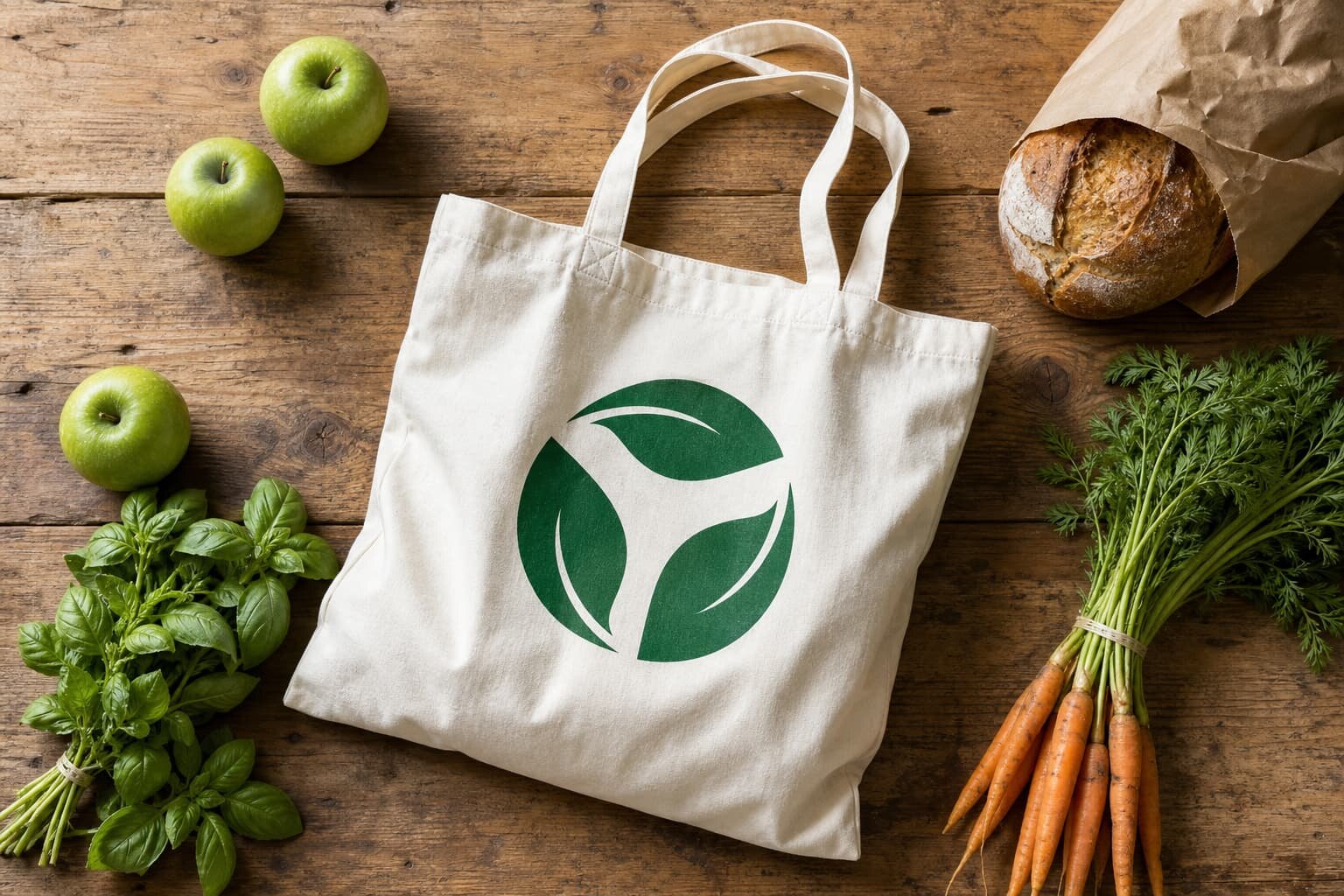
Why the Production Handoff Decides the Final Bag
For organic cotton bags, the handoff from quotation to production is where many expensive mistakes are created. The buyer may think the order is already clear because a unit price has been agreed, but the factory still needs precise instructions on fabric weight, certification scope, print process, seam construction, packing, and inspection standards. If those details are not frozen before material booking, the factory will fill the gaps with its standard practice, which may not match your retail channel or sustainability claim.
A good production handoff is not a long document for paperwork only. It is a practical control point that turns a buyer's idea, quotation, and sample comments into instructions that cutting, printing, sewing, packing, and QC teams can follow. For importers and brand owners, this checklist reduces disputes because the factory quote, approved sample, carton packing, and inspection criteria all refer to the same specification.
- Use the handoff after supplier selection but before fabric booking and bulk cutting.
- Treat the approved sample as a physical standard, not a replacement for written specifications.
- Make one person responsible for final approval of dimensions, artwork, labels, and packing.
- Ask the factory to confirm any difference between the quoted sample and the bulk production method.
Start With the Commercial Use, Not Only the Bag Size
The first handoff question is not simply whether the bag is 38 x 42 cm or 40 x 45 cm. The factory needs to understand how the bag will be used. A grocery tote, a garment packaging bag, a cosmetics gift pouch, and a conference giveaway bag can all be made from organic cotton, but they require different fabric weight, seam strength, print durability, and packing style. When the use is unclear, suppliers often quote the cheapest workable construction, which can make competing quotes look comparable when they are not.
Procurement teams should describe the sales channel and load expectation in the RFQ. If the bag will be sold as a retail product, specify presentation quality, barcode requirement, hangtag, and carton condition. If it is a promotional giveaway, the unit cost and delivery date may carry more weight. If the product is part of a sustainability program, certification documents and claim wording become part of the product risk, not an optional office file.
- Retail reusable tote: request stronger fabric, cleaner sewing, accurate labels, and controlled packing.
- Promotional event bag: focus on print consistency, delivery date, and acceptable cost-saving construction.
- Drawstring packaging pouch: check cord material, drawstring channel width, and closure function.
- Distributor stock item: keep dimensions, fabric weight, and carton quantity repeatable for reorder management.
Define Organic Cotton Fabric Before Comparing Quotes
Organic cotton bag quotes can differ widely because fabric is not one fixed material. A supplier may quote natural greige fabric, bleached fabric, dyed fabric, or finished fabric with different shrinkage and hand feel. Weight may be stated in ounces or GSM, and the number can refer to fabric before washing, after finishing, or a supplier's normal commercial tolerance. For a buyer comparing factories, a quote for 5 oz organic cotton is not equal to a quote for 180 GSM organic cotton unless the measurement basis is confirmed.
The handoff should state the target weight, color, finish, and certification requirement. For lightweight pouches and simple promotional totes, 4 oz to 6 oz organic cotton may be acceptable. For reusable shopping bags, many buyers move toward 8 oz to 10 oz or higher depending on load and price target. Heavier fabric improves perceived value but increases material cost, shipping weight, needle stress, and print ink consumption. The best specification is the one that fits the use, not the heaviest number on the quote.
- State fabric as both GSM and oz if your internal team uses both systems.
- Confirm whether fabric is natural, bleached, dyed, washed, or unwashed.
- Ask for expected fabric weight tolerance, commonly expressed as a percentage or practical range.
- Check whether the handle fabric, drawstring, label base, and main body are all organic cotton if the claim implies it.
Lock the Print Method Before Sample Approval
Print approval is one of the most common sources of late-stage disagreement. On organic cotton, the base fabric may be natural and uneven compared with coated paper or synthetic material. Small cotton seeds, slubs, and weave texture can affect edge sharpness and color appearance. A Pantone color that looks clean on white paper may look warmer or duller on natural cotton. The factory should recommend a print method based on artwork, fabric weight, order quantity, and required hand feel.
For most flat tote bags and pouches, water-based screen printing is a practical option for simple logos and solid colors. It usually gives a softer feel than plastisol-style heavy prints, but color brightness may be limited on darker or unbleached fabric. Heat transfer can handle gradients and small details, but buyers should check adhesion, flexibility, and washing expectations. Embroidery can look premium but may pull lightweight fabric and is better suited to small marks or heavier cotton.
- Provide vector artwork, print size, placement distance from bag edges, and approved color references.
- Request a print strike-off on the actual fabric, not only on substitute cotton.
- Define acceptance tolerance for print position, such as plus or minus a few millimeters where appropriate.
- Check rubbing, cracking, ink smell, and reverse-side strike-through before bulk approval.
Use MOQ Logic to Avoid a Misleading Low Unit Price
MOQ for organic cotton bags is not only a factory sales policy. It is linked to fabric sourcing, dyeing, printing setup, sewing line efficiency, label production, and packing materials. A supplier may offer a low MOQ for natural fabric that is already in stock but require a much higher MOQ for custom dyed organic cotton. A one-color print on one bag size may fit a small order, while multiple artwork versions, assorted sizes, or private label packing can push the factory into separate setup costs.
When comparing quotes, ask the supplier to explain MOQ by decision point. This helps the buyer understand whether the quantity limit comes from fabric, print, sewing, or packing. It also helps when building a split order. For example, 5,000 bags with the same fabric and different print colors may be easier than 5,000 bags split across five fabric colors. The handoff should show the final assortment clearly so the factory does not discover after order confirmation that the real production plan is less efficient than the quoted one.
- Confirm MOQ for natural fabric, dyed fabric, custom size, custom label, and individual retail packing.
- Ask whether different artworks can share one fabric batch and one sewing run.
- Separate one-time setup charges from recurring unit costs in the quote sheet.
- Check whether sample cost is refundable, credited, or separate from bulk order value.
Sample Checks That Should Happen Before Bulk Cutting
A pre-production sample is useful only if it represents the materials and methods planned for bulk. Buyers should not approve a perfect handmade sample and then expect mass production to match if the factory will use different fabric, different print screens, or a different sewing line. The handoff must identify which sample is for look only and which sample is the binding production reference. If the sample fabric is substituted because organic fabric is not ready, record that limitation in writing.
Sample review should be measurable. Instead of saying the bag looks good, check finished dimensions, handle drop, gusset depth, seam allowance, stitch density, print placement, print color, label position, folding method, and carton packing. For pouches, test the drawstring channel, opening size, cord length, knot security, and whether the pouch closes smoothly after printing. Keep comments in one document so the factory can revise the pattern, artwork, and production instruction together.
- Request a fabric swatch before full sample making if fabric choice is not yet final.
- Measure the sample flat on a table and record whether measurements are inside tolerance.
- Check the bag with a realistic load if it will carry heavy retail items.
- Approve a final packed sample when retail folding, barcode, hangtag, or belly band matters.
Build the Quote Sheet Around Real Cost Drivers
A useful quote sheet should show more than one unit price. Organic cotton bags have several cost drivers that need to be visible for procurement review: fabric weight, fabric color, certification paperwork, print color count, print area, sewing complexity, labels, packing, carton size, testing, and shipping terms. When these elements are hidden inside one price, it becomes difficult to compare suppliers or negotiate without accidentally removing an important requirement.
Ask factories to quote the same base specification and then add optional lines. For example, quote natural 6 oz organic cotton tote with one-color screen print and bulk packing as the base. Then add the extra cost for 8 oz fabric, dyed fabric, individual paper band, inside woven label, or upgraded seam. This format helps brand owners choose where quality is worth paying for and where cost can be reduced without damaging the product.
- Base product: bag style, size, fabric weight, color, print method, and packing method.
- Add-ons: labels, hangtags, barcodes, retail bands, special cartons, testing, and certificates.
- Logistics: Incoterm, port, carton dimensions, carton gross weight, and estimated CBM.
- Commercial terms: sample charge, payment terms, production lead time, quote validity, and tooling charges.
Packing Details That Affect Cost, Claims, and Warehouse Receiving
Packing is often discussed too late, but it affects unit cost, carton volume, moisture risk, retail appearance, and warehouse receiving. A bulk-packed tote may be acceptable for a distributor who will repack locally. A retail buyer may need each bag folded the same way, packed with a paper belly band, labeled with a barcode, and placed in a carton that meets gross weight limits. If packing is not locked before production, the factory may pack for lowest labor cost rather than for your downstream process.
For organic cotton bags, moisture control is especially important because cotton can absorb humidity during storage and shipping. Buyers should discuss inner polybag, carton liner, desiccant use, warehouse dryness, and whether plastic reduction is a brand requirement. If the brand avoids polybags, ask the factory how it will protect bags from dirt and moisture while still meeting sustainability preferences. The packing handoff should include folding direction, quantity per inner pack, pieces per carton, carton mark layout, and barcode files.
- Set a maximum carton gross weight if the warehouse or retailer has handling rules.
- Confirm whether cartons need export strength, double wall, or specific dimensions for pallet loading.
- Check if individual polybags require suffocation warning, recycling mark, or customer barcode.
- Approve one packed carton photo or physical packing sample before mass packing starts.
Lead Time Should Be Split by Production Stage
A single lead time number can hide production risk. If a supplier says 30 days, the buyer should ask whether that includes fabric booking, lab dip, sample revision, print screen making, bulk sewing, inspection, packing, and export document preparation. Organic cotton material may need more planning if the required fabric is not in stock or if certification documents must follow a specific transaction path. Delays are easier to manage when each stage has an owner and a deadline.
The production handoff should define when the clock starts. Some factories count lead time after deposit, artwork approval, and sample approval are all complete. Buyers sometimes count from purchase order issue. This mismatch creates pressure later. For seasonal retail launches, include approval deadlines for artwork, labels, carton marks, and testing. If the buyer delays approvals, the factory cannot always keep the original ship date without overtime cost or quality risk.
- Ask for a timeline showing material preparation, sampling, cutting, printing, sewing, QC, packing, and ex-factory date.
- Confirm which approvals must be completed before bulk production can start.
- Build extra time for sample courier transit, buyer review, testing, and inspection booking.
- Ask when the factory will report problems with fabric delay, print rejection, or capacity conflict.
Acceptance Criteria for Bulk Inspection
Inspection works best when the buyer and factory agree on defect definitions before production. For organic cotton bags, common defects include wrong size, fabric stains, shade variation, loose threads, skipped stitches, weak handle reinforcement, print smudging, print misplacement, label error, odor, uneven folding, and wrong carton quantity. Some natural cotton irregularities may be acceptable if they are part of the fabric character, but oil stains, mildew marks, holes, and severe slubs should not be treated as normal.
The handoff should specify whether inspection follows an AQL standard, a full check for critical points, or a buyer-specific sampling plan. Critical defects usually include unsafe contamination, wrong branding, wrong certification claim, wrong barcode, and broken handle strength. Major defects affect saleability or function, while minor defects may be cosmetic within agreed tolerance. The factory QC team should inspect against the same sample and checklist that the third-party inspector or buyer's agent will use.
- Define measurement points for bag body, gusset, handle width, and handle drop.
- Set tolerance for print placement and label placement before inspection day.
- Classify wrong logo, wrong certification wording, and wrong barcode as serious defects.
- Keep sealed approval samples available at both factory and buyer side for dispute resolution.
Specification comparison for buyers
| Spec decision | Recommended option | When it fits | Buyer risk to check |
|---|---|---|---|
| Fabric weight | 5 oz to 6 oz organic cotton for light promotional totes; 8 oz to 10 oz for retail reusable bags | Use lighter fabric for events, inserts, or mailer add-ons; use heavier fabric when the bag must hold groceries, books, or repeat retail use | Confirm GSM or oz, finished bag weight, shrinkage after washing if relevant, and whether fabric is greige, bleached, dyed, or natural |
| Certification claim | Define whether the order requires certified organic material only, transaction certificate support, or a finished-product claim | Useful when selling into retail channels, brand sustainability programs, or distributors needing traceability documents | Do not approve wording on labels or hangtags before confirming chain of custody documents and allowed claim language |
| Print method | Water-based screen print for simple logos; heat transfer for fine gradients; embroidery only for small premium marks | Screen print suits most flat cotton totes and pouches; transfer suits photographic artwork; embroidery suits thicker fabric and small logos | Check ink strike-through, hand feel, print cracking, artwork size tolerance, and color difference on natural cotton ground |
| Handle construction | Self-fabric handles with reinforced cross stitch or box stitch | Best for reusable shopping bags, conference bags, and retail totes where load strength matters | Confirm handle width, finished drop length, stitch count, reinforcement style, and whether handle fabric is also organic cotton |
| Seam construction | Inside overlock for standard orders; French seam or bound seam for premium retail finish | Overlock is cost-efficient; French seam hides raw edges and improves perceived value | Ask for seam allowance, thread color, needle size, skipped-stitch tolerance, and whether side seams twist after pressing |
| Packing method | Bulk pack with tissue separation for simple wholesale; individual polybag or paper belly band for retail | Bulk pack reduces cost and plastic; retail packing supports barcode, presentation, and warehouse receiving | Verify carton quantity, moisture control, barcode position, suffocation warning if polybags are used, and carton drop-test expectation |
Buyer checklist before sampling
- Confirm the exact bag style, finished dimensions, gusset type, handle drop, seam type, and measurement tolerance before sample approval.
- State fabric construction clearly: organic cotton, fabric weight in GSM or oz, color, dyeing requirement, shrinkage expectation, and certification document requirement.
- Attach artwork in vector format with Pantone or approved color references, print size, placement measurements, and print method preference.
- Define sample stages: material swatch, blank pre-production sample, printed sample, packing sample, and approval authority for each stage.
- Ask the factory to quote MOQ by fabric color, bag size, print color count, packing method, and certification paperwork, not only by total order quantity.
- Lock the packing specification, carton mark, barcode rules, master carton dimensions, carton gross weight limit, and pallet preference if needed.
- Request lead time split into material booking, sampling, bulk cutting, printing, sewing, inspection, packing, and ex-factory readiness.
- Agree on QC checkpoints, AQL level or inspection method, defect classification, lab testing needs, and photo reporting before production starts.
- Check whether the quote includes inland freight to port, export carton, documentation, hangtag, label, testing, bank charges, and sample courier cost.
- Keep one signed approval sample at the factory and one with the buyer or agent so production can be compared against the same physical standard.
Factory quote questions to send
- What is the exact fabric weight in GSM or oz, and is the weight measured before or after dyeing and finishing?
- Is the organic cotton fabric in stock, booked after order, or custom woven? What MOQ applies to each option?
- Which certification documents can be supplied for this order, and at what stage will they be available?
- What print method do you recommend for this artwork on natural organic cotton, and what are the expected limitations?
- What is the MOQ difference between natural, bleached, dyed, and custom Pantone fabric?
- Can you provide a material swatch and printed strike-off before making the full pre-production sample?
- What finished-size tolerance do you propose for length, width, gusset, handle drop, and print placement?
- What seam construction and reinforcement method are included in the quote?
- How many pieces per carton, what carton size, and what estimated gross weight per carton are you quoting?
- Which costs are excluded from the unit price, such as testing, special labels, individual packing, barcodes, hangtags, sample freight, or certificate handling?
Quality-control points to confirm
- Verify fabric weight, weave appearance, hand feel, color shade, odor, stains, slubs, and shrinkage risk before cutting approval.
- Measure finished bag dimensions flat and loaded where relevant, including body width, height, gusset depth, handle width, and handle drop.
- Check print position from fixed reference points, print size, edge sharpness, ink coverage, rubbing resistance, and color match under consistent light.
- Inspect handle attachment for stitch density, reinforcement shape, thread breaks, loose ends, and load-bearing consistency.
- Review seam quality for skipped stitches, seam puckering, exposed raw edges, uneven seam allowance, and bottom-corner weakness.
- Confirm labels, care instructions, hangtags, barcodes, and certification wording match the approved artwork and legal claim requirements.
- Check individual packing, folding direction, carton quantity, carton marks, moisture protection, and whether the bag is distorted by tight packing.
- Compare random bulk samples against the signed pre-production sample, not only against digital artwork or quotation sheets.