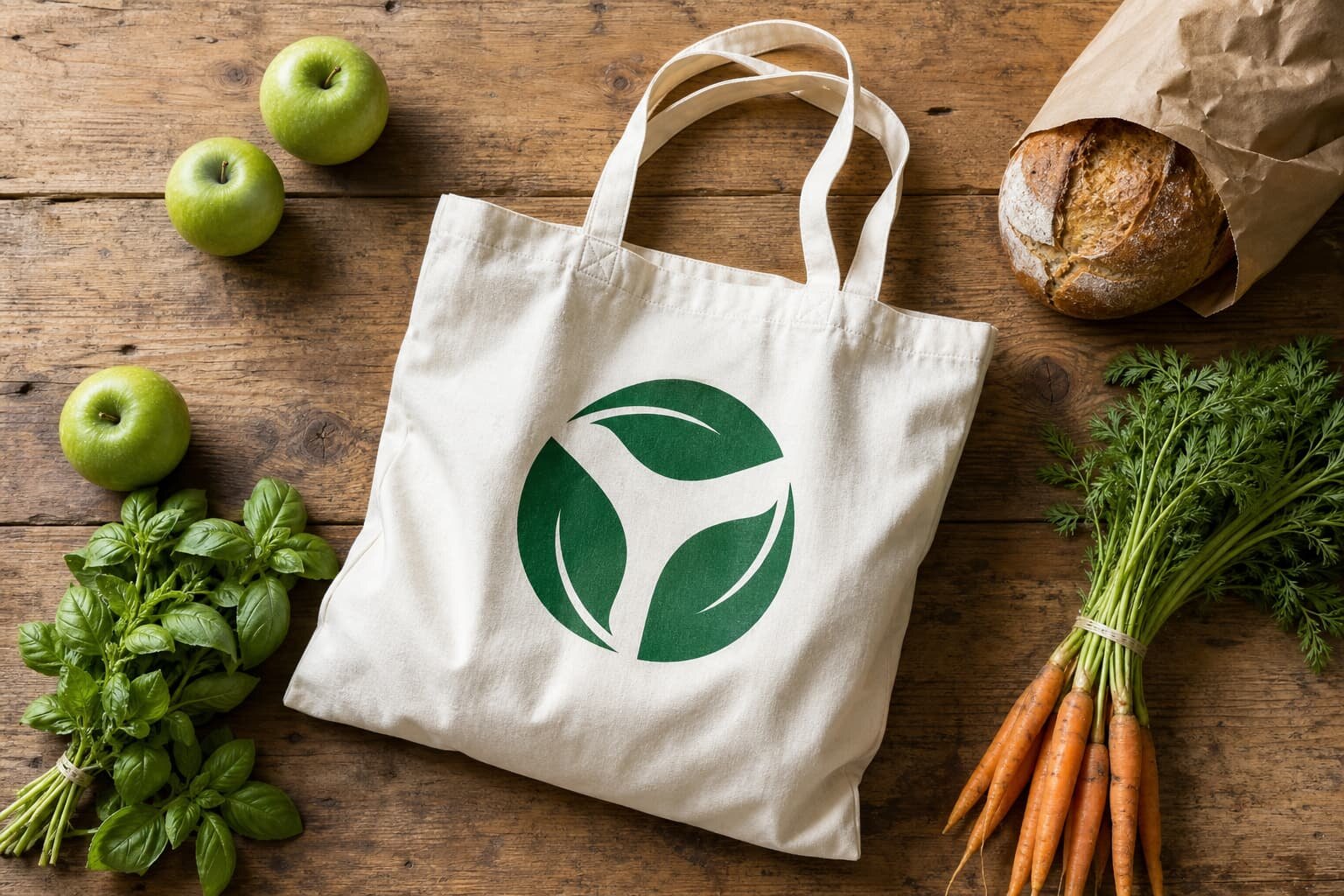
Why Organic Cotton Bag Printing Cost Changes So Quickly
Organic cotton bag printing cost is not one number. It is a combination of fabric weight, fabric availability, cutting efficiency, sewing construction, print method, artwork difficulty, packing format, and order quantity. Two suppliers can quote the same drawing at very different prices because they assumed different cotton canvas weights, different print coverage, different packing, or different levels of certification support.
For procurement teams, the useful question is not simply who is cheapest. The better question is which supplier priced the same product you intend to receive. A low quote may be based on thinner fabric, smaller print size, bulk loose packing, no certification document handling, or a print method that cannot reproduce the artwork cleanly. A higher quote may include a better fabric, pre-production sample, screen setup, individual packing, barcode labeling, and stricter QC. Your RFQ must remove these hidden assumptions.
- Cost moves up when GSM increases, print colors increase, artwork coverage becomes larger, or packing becomes more retail-ready.
- Cost moves down when the bag uses standard fabric, one print side, one print color, bulk packing, and stable repeat artwork.
- The same organic cotton bag can look similar in photos but feel very different at 140 GSM, 200 GSM, 280 GSM, or 340 GSM.
- A quote is only comparable when fabric, print size, print method, packing, MOQ, and Incoterm are aligned.
Start With Fabric Weight Before Discussing Print Price
Fabric is usually the largest cost driver on an organic cotton tote bag or pouch. Buyers often ask for organic cotton but do not define the construction. A light plain weave cotton bag used for event giveaways is not the same as a heavier organic cotton canvas retail tote. If the RFQ only says natural cotton tote bag, suppliers may quote very different fabric bases to win the first comparison.
Use GSM or oz to control the conversation. As a practical reference, lightweight organic cotton bags may sit around 120 to 160 GSM for simple packaging or event use. Midweight retail tote bags often use around 200 to 280 GSM. Heavier canvas tote bags may use 10 oz, 12 oz, or above when the buyer wants structure and durability. The heavier the fabric, the more it affects material cost, freight weight, print hand feel, needle choice, and sewing time.
- 120-160 GSM: suitable for lightweight giveaways, dust bags, simple pouches, or low-load packaging.
- 180-240 GSM: common for standard promotional and retail organic cotton bags where cost and hand feel both matter.
- 280-340 GSM: better for premium totes, heavier shopping use, and larger print panels that need a more stable fabric.
- 12 oz and above: suitable for durable canvas-style bags but may change carton weight, shipping cost, and sewing speed.
- Ask whether the supplier quotes finished fabric weight or nominal fabric weight, because finishing and washing can affect measurement.
Choose the Print Method Based on Artwork, Not Habit
Screen printing is often the most economical method for bulk organic cotton bags with simple artwork. A one-color logo on one side is usually efficient because setup is simple, ink cost is controlled, and production speed is stable. When the artwork adds more spot colors, the factory needs more screens, more registration work, more drying control, and more inspection time. Each added color is not only ink; it is another production variable.
Heat transfer and digital printing can be useful when artwork has gradients, full-color graphics, small quantity runs, or many versions. However, buyers should not treat these methods as automatic upgrades. Transfers may have a different hand feel and visible film edge. Digital print may react differently on coarse organic cotton canvas. If the bag is promoted as washable or long-life, the buyer should request a sample and basic rubbing or washing checks before approving bulk production.
- Use screen print for simple logos, strong solid colors, larger runs, and repeat programs.
- Use spot color printing when brand colors must be controlled with Pantone references.
- Use transfer printing for complex graphics, short campaigns, or when screen setup is inefficient.
- Use embroidery only when the brand accepts higher cost, thicker decoration, and less fine detail.
- Avoid deciding only by unit price; the wrong method can create rejected prints or weak brand appearance.
Understand the Real Cost Components in a Quote
A clean supplier quote should show what is included. Some factories give one all-in unit price, which can be acceptable for repeat orders, but new development is safer when the buyer asks for a cost breakdown. You do not need the supplier to reveal every internal margin. You do need to know whether fabric, printing, labels, packing, sampling, setup, and documentation are included in the offer.
This is especially important for organic cotton because some buyers require certificate support, transaction documents, or specific labeling. If this is not discussed early, the quote may exclude the administrative work or document chain required by your importer, retailer, or compliance team. The same applies to packing. A tote bag bulk packed 100 pieces per carton is not the same cost as a bag individually folded with hangtag, barcode sticker, warning label, and inner polybag.
- Fabric cost: organic cotton content, construction, weight, width, shrinkage, and availability.
- Cut and sew cost: bag size, gusset, handle style, reinforcement, inner seams, and production efficiency.
- Print cost: method, number of colors, print size, print sides, ink coverage, setup, and curing time.
- Trim cost: woven label, care label, hangtag, zipper, cord, metal eyelet, snap, or custom handle detail.
- Packing cost: folding method, individual bag, barcode, carton size, moisture protection, and pallet request.
- Export cost: documents, inspection support, local handling, and Incoterm responsibilities.
MOQ Logic: Why Small Changes Create Big Price Differences
MOQ is not only a sales rule. It often comes from the production process. Organic cotton fabric may have minimum purchase quantities. Printing has setup time and screen cost. Sewing lines need enough pieces to run efficiently. If you split a 3,000 piece order into six artwork versions, the factory may handle it more like six small orders than one efficient bulk order.
Buyers can reduce average cost by consolidating specifications. Keep one bag size, one fabric weight, and one packing style where possible. If you need multiple logo colors or regional artwork versions, ask the supplier to show the price impact by version. Sometimes the best commercial answer is to print one master design for the first order and add regional variations on a reorder after demand is proven.
- Ask for price breaks at realistic quantities such as 1,000, 3,000, 5,000, and 10,000 pieces.
- Separate total order quantity from per-design quantity, because print setup is often calculated per artwork.
- Confirm whether MOQ changes for dyed fabric, custom fabric, custom labels, or individual retail packing.
- If you have many SKUs, ask whether gang printing, shared fabric, or shared packing can reduce handling cost.
- Do not assume a larger total order lowers cost if every SKU is different and production cannot be combined.
Print Size, Ink Coverage, and Placement Need Exact Data
Many quote disputes start with artwork assumptions. A small chest-style logo and a full front panel print are not the same cost, even if both are one color. Large solid coverage uses more ink, takes longer to dry or cure, and can show unevenness on textured cotton. Fine lines, reversed text, and small type can fill in during printing, especially on coarse canvas.
Placement also needs tolerance. Organic cotton bags are soft sewn goods, not rigid plastic parts. Manual loading, fabric stretch, seam variation, and cutting tolerance can move the print slightly. A professional RFQ should define print size in centimeters or inches, distance from top edge or side seam, and acceptable placement variation. This prevents a buyer from rejecting normal textile tolerance and prevents the factory from treating placement too casually.
- Provide vector artwork in AI, EPS, or PDF with outlined fonts.
- State final print width and height, not only percentage on a mockup.
- Give Pantone references for each spot color and note if water-based ink is requested.
- Mark print side: front, back, both sides, gusset, pocket, or inner panel.
- Define placement tolerance, for example plus or minus 5 mm to 10 mm depending on bag size and construction.
- Ask for a strike-off or pre-production sample when artwork has fine detail, large coverage, or strict color demand.
Sample Approval Should Test the Expensive Assumptions
A sample is not only for photography. It is the buyer’s chance to test the assumptions that drive cost and risk. The sample should use the actual organic cotton fabric weight, actual sewing construction, actual handle length, actual print method, and actual packing concept where possible. A digital proof can confirm layout, but it cannot confirm fabric hand feel, ink absorption, print edge, or bag strength.
For first orders, approve a pre-production sample before bulk cutting or printing. Check whether the bag feels too thin, whether the print is crisp enough, whether the logo position works when the bag is carried, and whether the handle drop matches the intended user. If the sample is changed after approval, ask for the cost and lead time impact in writing. Small sample corrections can affect fabric consumption, print screen, or sewing operation.
- Measure bag width, height, gusset, handle width, and handle drop.
- Compare fabric weight and texture against your approved reference.
- Check print color, edge sharpness, registration, opacity, and hand feel.
- Load test the handle with a reasonable weight for the intended use.
- Review label position, care instruction, country-of-origin marking, and organic claim wording.
- Keep one sealed approved sample for factory production reference and one for buyer inspection reference.
Packing Choices Can Change Both Unit Cost and Freight Cost
Packing is often treated as an afterthought, but it affects labor, material, carton volume, inspection time, and warehouse handling. Bulk flat packing is usually the most economical for distributors or importers who will repack later. Retail-ready packing costs more because each bag may need folding, individual polybag, hangtag, barcode sticker, size or color sticker, and more controlled carton arrangement.
Freight cost also changes with packing. A heavy organic cotton canvas bag may be dense, but handles and folds can create carton volume if packed loosely. Overly tight cartons can deform bags, crease prints, or cause moisture risk if the goods are not dry and ventilated before packing. Ask for estimated carton dimensions, gross weight, and pieces per carton before you place the order, especially if you compare FOB price against landed cost.
- Bulk pack: lower labor and material cost, suitable for wholesale and warehouse repacking.
- Individual polybag: cleaner for retail handling but adds cost, plastic use, and packing time.
- Hangtag and barcode: useful for retail receiving but must match PO and barcode database exactly.
- Inner carton or bundle: helpful for distributors that allocate goods by store, sales team, or event location.
- Moisture control: important for natural cotton bags shipped in humid seasons or long ocean freight routes.
Lead Time Depends on the Slowest Confirmed Step
Lead time should be counted after artwork approval, sample approval, deposit, and confirmation of all packing details. If any of those items remain open, the factory may not be able to reserve fabric, prepare screens, or schedule sewing. Organic cotton fabric availability can also affect timing. Stock fabric may support faster production, while custom weight, custom dye, or certificate-linked sourcing can require more planning.
The printing step can become the bottleneck when there are many artwork versions or tight color requirements. Screen preparation, strike-off approval, drying, curing, and inspection take time. Packing can also delay shipment when the buyer provides late barcode files, incorrect carton marks, or changing retail instructions. A practical procurement schedule should include sample development, sample revision if needed, bulk material preparation, printing, sewing, final inspection, packing, and export handover.
- Ask for lead time in calendar days after final approval, not from the date of first inquiry.
- Confirm whether fabric is available before promising launch dates to your sales team.
- Build time for sample shipping and buyer approval, especially when multiple departments must sign off.
- Freeze artwork before screen making to avoid rework charges and production delay.
- Confirm the final inspection date before booking freight or announcing delivery windows.
How to Compare Supplier Quotes Without Choosing the Wrong Bag
The safest way to compare organic cotton bag printing quotes is to create a quote comparison sheet. Put each supplier’s fabric weight, fabric type, bag size, print method, print size, number of colors, packing method, MOQ, sample charge, lead time, Incoterm, and payment terms in one table. If one quote is much lower, look for the assumption that changed. It may be thinner fabric, smaller print, no individual packing, excluded setup charges, or a different delivery term.
Do not negotiate only by asking for a lower unit price. Ask what specification changes would reduce cost without damaging the product purpose. A factory may suggest reducing fabric from 12 oz to 10 oz, changing from four-color screen print to one-color print, reducing print size, using bulk packing, or consolidating artwork versions. Those are valid commercial options if they match your market position and quality requirement. They are dangerous only when they happen silently.
- Compare like with like: same GSM, size, print method, print area, packing, quantity, and Incoterm.
- Ask suppliers to list exclusions so you do not discover charges after sample approval.
- Treat very low quotes as questions, not automatic savings.
- Use the approved sample as the commercial reference, not only the written quote.
- Record all agreed changes in the purchase order before deposit and production.
Specification comparison for buyers
| Spec decision | Recommended option | When it fits | Buyer risk to check |
|---|---|---|---|
| Fabric weight for standard retail tote | 8 oz to 10 oz organic cotton canvas | Brand merchandise, bookstore totes, apparel packaging, and reusable shopping bags | Very low GSM can reduce unit cost but may feel thin and show print strike-through |
| Fabric weight for premium campaign bag | 12 oz to 16 oz organic cotton canvas | Higher perceived value, heavier retail use, gift-with-purchase, and durable brand bags | Heavier fabric increases material cost, carton weight, and sometimes sewing time |
| Lowest stable print cost | One-color screen print on one side | Simple logos, event bags, retail basics, and large repeat orders | Artwork with fine lines or large solid coverage may need mesh and ink testing |
| Multi-color flat artwork | Spot color screen print with Pantone references | Logos with two to four clean colors and no photo gradient | Each color normally adds setup, screen, registration, and defect risk |
| Full-color small artwork | Heat transfer or digital print after sample approval | Short runs, gradient artwork, complex graphics, or seasonal launches | Hand feel, wash resistance, and film edge must be checked on the actual fabric |
| Print placement | Front center print with clear size and position tolerance | Most promotional and retail tote bag orders | Unclear placement causes disputes when bags shift slightly during manual loading |
| Packing format | Flat bulk pack with carton markings and moisture protection | Wholesale, distributor, and B2B inbound warehouse orders | Individual polybags or hangtags add labor, material, and packing lead time |
| MOQ planning | Consolidate size, fabric, and print method before splitting colors | Importers trying to control cost across several designs | Too many SKUs below print efficiency level can raise the average unit price |
Buyer checklist before sampling
- Confirm organic cotton requirement: fabric composition, certificate request, transaction document need, and whether certification must appear on label or sales packaging.
- State bag size, gusset, handle length, seam type, and target fabric weight in GSM or oz instead of only sending a photo.
- Provide print artwork in vector format, final print size, Pantone references, print position, number of sides, and whether the artwork has gradients or fine lines.
- Ask suppliers to separate fabric cost, printing cost, label or trim cost, packing cost, sample cost, tooling or screen charge, and inland or export charges where possible.
- Check whether MOQ is driven by greige fabric, dyeing, organic cotton sourcing, print setup, or sewing line efficiency.
- Approve a physical pre-production sample on the actual fabric weight, not only a digital artwork proof.
- Define acceptable print variation, placement tolerance, color tolerance, and packing tolerance before bulk production starts.
- Confirm carton size, carton weight, pieces per carton, polybag use, moisture protection, and barcode or shipping mark requirements.
- Request production lead time after sample approval and deposit, and confirm whether peak season or certification document timing affects shipment.
- Compare quotes using the same Incoterm, currency, quantity, packing method, and delivery address to avoid false savings.
Factory quote questions to send
- Which part of the unit price is most sensitive to change: organic cotton fabric, printing setup, labor, packing, or export handling?
- What fabric weight are you quoting in GSM or oz, and is it organic cotton canvas, plain weave cotton, or another construction?
- Is the quoted fabric in stock, made to order, or dependent on a minimum weaving or dyeing batch?
- Which print method are you quoting, and how many colors, screens, or transfers are included?
- Are screen charges, artwork adjustment, sampling, test print, and color matching included or charged separately?
- What is your MOQ for this exact size, fabric, print method, and number of artwork versions?
- What changes if we order 1,000, 3,000, 5,000, or 10,000 pieces with the same artwork?
- What print size and ink coverage did you assume when preparing the price?
- What physical sample will be provided before production, and what should we check on it?
- How many pieces per carton, what estimated carton dimensions, and what gross weight are you quoting?
Quality-control points to confirm
- Measure finished bag size, gusset, handle drop, and seam allowances against the approved sample and tolerance.
- Check fabric weight by GSM or oz confirmation, especially if a lighter fabric was substituted to meet a target price.
- Compare print color against approved sample or Pantone target under consistent lighting, not only under warehouse light.
- Inspect print position, print size, registration, edge sharpness, pinholes, smudges, ink bleeding, and uneven ink coverage.
- Rub test the print surface lightly and check whether ink transfers, cracks, or feels under-cured.
- Review inside seams, handle reinforcement, bartacks or cross-stitching, loose threads, and skipped stitches.
- Confirm labels, organic cotton claims, care labels, hangtags, barcodes, and country-of-origin marks match the purchase order.
- Check packing count per inner pack and carton, carton marks, polybag warnings if used, moisture bags, and carton strength.
- Open cartons from different production periods, not only the top cartons, to check consistency across the batch.
- Record defects by type so the factory can correct root causes instead of only replacing random pieces.