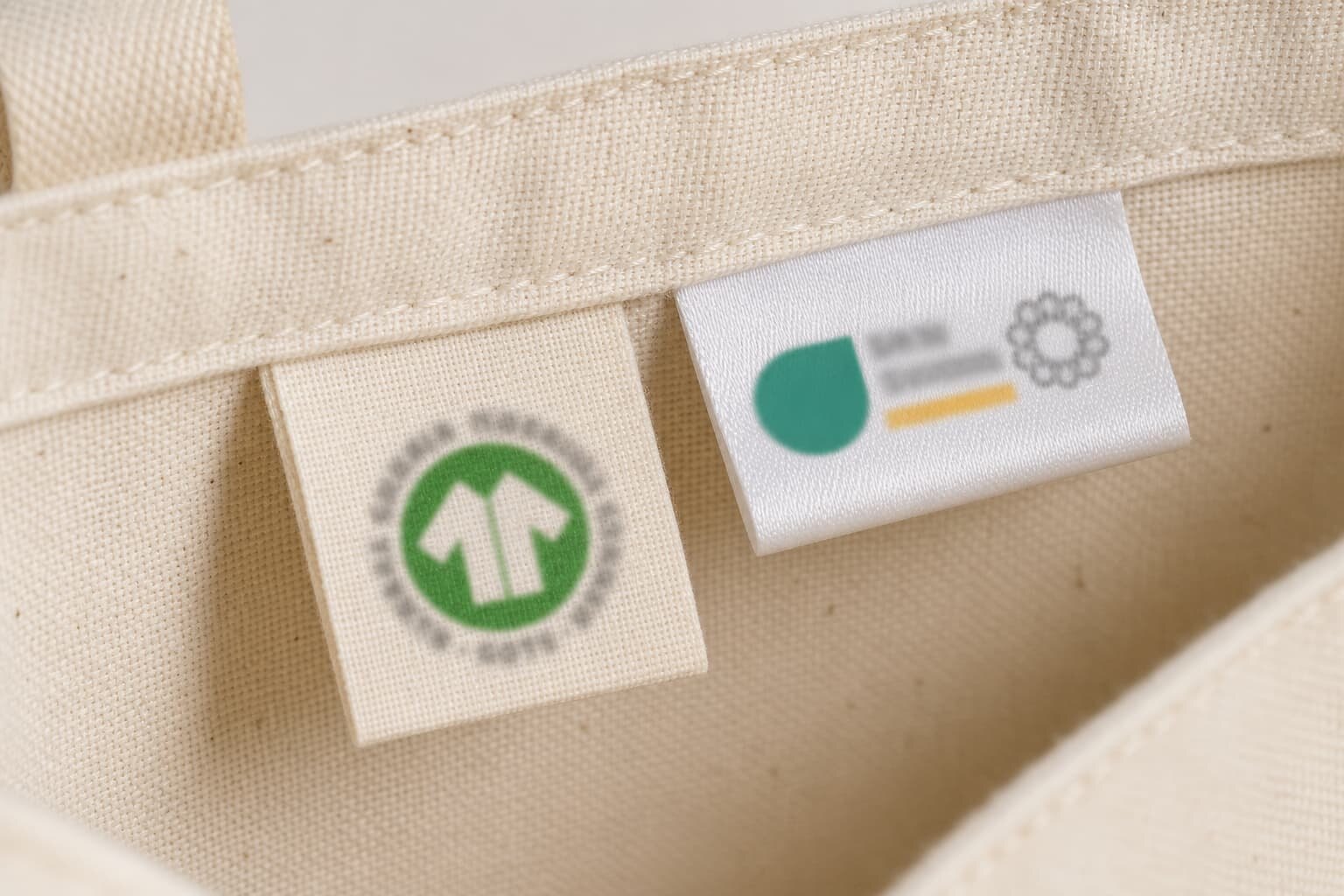
Why the dye lot record matters on organic cotton bags
An organic cotton bag dye lot approval record is the control point that keeps a shade decision from turning into a production dispute. For bulk buyers, the risk is not just whether the color looks close in the sample room. The real risk is that the factory approves one fabric lot, then cuts the bulk from another lot that is close enough for the mill but different enough for retail. On organic cotton, natural fiber variation, yarn irregularity, and finish changes can all make a bag read lighter, warmer, cooler, or flatter once sewn.
This matters most when the order has repeat cartons, multiple sizes, or more than one factory involved. A buyer may be comfortable with a natural or dyed cotton look in the first sample, but once the order enters bulk, shade shifts can create mixed pallets, customer complaints, or difficult reorder matching. The record should therefore do more than say approved. It should anchor the exact fabric lot, color reference, print method, and sample condition that were accepted before bulk starts.
- Use the record to tie shade approval to a specific fabric lot, not a general color name.
- Treat the physical sample as the reference; photos are only supporting evidence.
- Make the record part of the PO file so sourcing, QC, and reorders all read from the same source.
What must be written on the approval sheet
A useful record is specific enough that a second merchandiser can understand it without guessing. At minimum, it should show bag style, finished size, fabric composition, GSM, weave type, color standard, dye method, print method, sample date, lot number, and the names or initials of the people who approved it. If the bag includes a print, the record should also note the print placement, ink system, and whether the strike-off was made on the final fabric weight or only on a test cloth.
Do not let the record stop at color only. On many organic cotton bags, the body fabric may be approved while the handles, binding, zipper tape, cord, label, or lining still come from another color source. That is where surprises start. If the approved sample has a natural body with matching natural handles, write that down. If the buyer accepted contrast stitching or a woven side label, capture it too. The more the record looks like a production specification, the less likely a factory is to reinterpret it later.
- Capture style, dimensions, composition, GSM, weave, color standard, and lot number.
- Capture the exact print method, placement, and any trim colors that affect the final look.
- Capture the signoff date and retain a physical swatch with the signed sheet.
How fabric weight changes the way the shade reads
Fabric weight is one of the most overlooked drivers of color mismatch. A 140 to 160 GSM organic cotton tote does not hold dye, ink, or finishing the same way as a 200 to 240 GSM canvas bag. Lighter cloth can look brighter and more translucent, while heavier cloth can appear deeper, flatter, or slightly darker once the yarn packs tighter. That difference becomes important when a buyer compares a lab dip to the sewn bag and wonders why the final piece looks off even though the dye recipe was technically followed.
Construction also changes what the eye sees. Plain weave, canvas weave, brushed surfaces, and washed finishes all interact with light differently. If the order includes a gusset, lining, or reinforcement patch, those parts may be made from another lot or even another GSM. That is why the approval record should not just say organic cotton bag. It should state the exact body fabric weight, the handle or cord construction, and whether the bulk must match one lot across all visible components or only the main body panel.
- Do not approve a color on a lighter test fabric if the bulk will use a heavier final GSM.
- Ask the factory to identify which components share the same lot and which ones do not.
- For multi-component bags, treat body fabric, handles, and labels as separate color-risk items.
How print method changes the approval outcome
Print method is the other major source of surprise on organic cotton bags. Screen print, water-based print, pigment print, heat transfer, and embroidery all sit differently on the surface and all respond differently to the background shade. On a natural cotton tote, a pale ink may disappear into the cloth if the base fabric is warmer than expected. On a dyed bag, the same artwork can look sharper or duller depending on absorbency and curing. If the print is part of the approved look, the record should describe the method, not just the artwork file.
The safest practice is to approve the design on the actual production fabric at the actual production GSM. A paper proof or digital render does not show how the ink lays into the weave, how edge detail behaves, or how registration looks after sewing and pressing. For larger brand orders, ask for a full-size strike-off or sewn sample and check logo size, print placement from seam or hem, opacity, and whether any bleed or halo appears around the edges. That one step prevents a lot of bulk blame later.
- Approve print on the real fabric, not only on a paper proof.
- Record the print method, number of colors, and placement measurements.
- Check opacity and edge sharpness on the same fabric weight that will be used in bulk.
Use the sample room to build a sealed approval record
The best approval records are created in a sample room, not after production has already started. Ask the factory to prepare a pre-production sample from the intended bulk fabric lot whenever possible. If the exact lot is not available yet, have them note the nearest reserved lot and make clear that bulk release depends on confirmation. Then attach a real swatch from the same cloth to the sheet, mark the date, and photograph both sides of the bag, the label area, and any print close-up. This gives purchasing, QC, and the factory the same reference point.
The process should end with a sealed record on both sides. One copy stays with the buyer team and one stays with the factory file. If the program has multiple colorways, make one record for each colorway and do not combine them under a single generic approval. If the order is a seasonal style or a long-running retail item, add a revision number so later changes can be tracked. This matters because a lot change, thread change, or revised print plate can quietly enter the system months later unless the file is explicit.
- Use a pre-production sample from the intended bulk lot whenever possible.
- Attach a physical swatch and record the sample date, lot code, and revision number.
- Keep matching buyer and factory copies so nobody has to rely on memory.
How to compare quotes without comparing the wrong thing
A dye lot approval record is also a quote control tool. Many supplier quotes look similar on the surface but hide different assumptions underneath. One factory may quote fabric only, another may include lab dip, strike-off, sample sewing, and lot reservation, and a third may leave all of that as buyer-paid extras. If the buyer does not use the same approval record across all quotes, the comparison becomes meaningless because each supplier is pricing a different path to the finished bag.
To get a real comparison, ask each factory to quote against the same spec sheet and the same approval record. Break the quote into fabric, dyeing, printing, sewing, packing, sample handling, and any added QA step. Then ask what happens if the color has to be re-dyed, if the print is rejected once, or if the mill changes lot before bulk. The best supplier is not always the lowest line item. It is the one that shows where the color risk sits and how they plan to control it.
- Compare like for like: same GSM, same print method, same packing, same approval scope.
- Ask whether lab dip, strike-off, and sample handling are included or charged separately.
- Request the supplier to identify any risk item that could change the final quote after approval.
MOQ and lead time depend on lot control
MOQ logic changes fast once color is involved. A factory may have a workable sewing MOQ, but the fabric mill may require a separate dye minimum for each color or shade family. That means the order can become more expensive or less flexible if the buyer wants too many shades, too many small splits, or too many fabric weights in one program. For organic cotton bags, one clean color plan is usually cheaper and easier to control than a mix of near-identical tones that will be hard to match later.
Lead time should be split into approval time and production time. Buyers often hear a single total lead time and assume the clock starts at order placement, but the real clock often starts only after the approval record is signed and the fabric lot is locked. Ask the supplier to show the timeline for sample, approval, fabric reservation, bulk cutting, sewing, packing, and final inspection. If the buyer delays signoff, the schedule slips. If the factory does not reserve the lot, the shade can slip even when the schedule looks fine on paper.
- Confirm whether each color or fabric weight has its own MOQ.
- Ask for a timeline that separates approval steps from bulk production steps.
- Make the lead time conditional on buyer signoff so both sides know where the gate is.
Packing and carton marks should protect the approved lot
Packing can undo a good approval if it mixes lots. Even when the bag itself was approved correctly, careless carton handling can blend shade groups, split a lot across pallets, or swap cartons between line runs. The packing instruction should therefore reference the approved lot, not just the style name. Carton marks should show style, color, lot number, quantity, and PO reference. If the buyer requires retail readiness, ask for carton photos or a pallet list before departure so the lot integrity can be checked before shipment.
Reorders are where packing records become valuable. If the supplier keeps the approved swatch, print reference, lot number, and carton history, they can match a repeat order more accurately months later. If they do not, the reorder becomes a new color judgment based on memory and a faded sample. For buyers who plan to restock a core tote or pouch, the approval record should be treated like a living reference file. Save the cloth, the sheet, the photos, and the production notes together so future purchases are not forced to restart from zero.
- Require carton marks to include style, color, lot, quantity, and PO.
- Check that cartons and pallets do not mix approved lots during packing.
- Store reorder references together: swatch, photo, signoff sheet, and lot history.
Common mistakes and the acceptance line buyers should use
The most common mistake is approving by eye in the wrong conditions. Office lighting, phone camera filters, and uncalibrated screens can all make a fabric look cleaner or darker than it really is. Another common mistake is forgetting that thread, cord, zipper tape, and label shade can change the appearance of the whole bag even when the body fabric is correct. Buyers also get into trouble when they approve a sample before wash, even though the final piece will be washed, pressed, or packed differently and may settle into a slightly different shade.
Set the acceptance line in practical terms. The sample is accepted only if the physical swatch is attached, the lot code matches, the print matches the approved strike-off, the bag dimensions are within the agreed tolerance, and no new visible color issue appears in the finished construction. If the factory changes fabric, finish, thread, print plate, or any visible trim, the record should be reopened and reapproved before bulk continues. That is the fastest way to protect the buyer without making the process overly bureaucratic.
- Do not approve color from a screen alone or under uncontrolled lighting.
- Treat thread, cord, label, and trim as part of the color review.
- Reapprove immediately if any visible production material changes.
A simple buyer workflow that keeps the order moving
A workable workflow is simple enough for sourcing, QC, and the factory to follow. Start by issuing the RFQ with the exact bag specification, then ask for the dye lot approval record together with the quote. Review the sample against the intended GSM, print method, and trim colors, then have the factory revise anything that does not match the target. Once the buyer signs, lock the sample, link it to the PO, and make sure the cutting and packing team can see the same reference file. This removes a lot of confusion between sales, production, and shipping.
The last step is discipline. If the buyer wants a cheaper substitution later, it should be treated as a new approval, not a casual change. If the factory wants to switch lot, mill, or finish because of availability, they should submit that change before bulk starts, not after cartons are already packed. That is how experienced buyers reduce color disputes without slowing every order to a crawl. The record is not there to create paperwork. It is there to keep everybody aligned when the job moves from sample room to bulk line.
- Issue the RFQ with exact spec, then request the approval record with the quote.
- Link the signed record to the PO and bulk packing instructions.
- Treat any substitution as a new approval event, not a verbal adjustment.
Specification comparison for buyers
| Spec decision | Recommended option | When it fits | Buyer risk to check |
|---|---|---|---|
| Color approval method | Physical swatch stapled to a signed record | Any dyed organic cotton bag order where shade matters | Paper signoff without a retained cloth piece is weak |
| Fabric lot control | One approved fabric lot per colorway | Retail programs, repeat orders, or multiple cartons per size | Mixing rolls from different lots can create carton-to-carton variation |
| Sample format | Full sewn pre-production bag on the final GSM | Tote bags, pouches, and backpacks that will be sewn in bulk | A loose fabric swatch does not show seam tension or finished shade |
| Print reference | Strike-off on actual production fabric | Screen print, heat transfer, or embroidery on natural cotton | Artwork approved on paper can look different once ink hits the fabric |
Buyer checklist before sampling
- Confirm style, dimensions, fabric composition, and GSM before asking for color approval.
- Require the fabric lot number, mill name if available, and the exact color standard used.
- Ask for a physical swatch attached to the approval sheet, not just a photo.
- Specify the print method, ink system, thread color, and any label or trim color that could clash with the fabric shade.
- Check the sample under standard light and compare it against the agreed reference, not a phone screen.
- Verify that the sample was made from the intended bulk fabric weight, weave, and finish.
- Confirm how many sealed approval copies will be retained by buyer and factory.
- Ask whether MOQ changes by color, fabric lot, or print method before you release the order.
- Lock the lead time to the approval milestone so bulk timing does not start from a vague verbal okay.
- State how reorders must match the original record so future production does not drift.
Factory quote questions to send
- Which fabric lot will you use for the bulk order, and can you reserve one lot per colorway?
- Will you provide a lab dip, strike-off, or full sewn pre-production sample for approval?
- What exact GSM and weave are you quoting, and is that the same material used for the sample?
- Which print method is included, and what is the tolerance if the approved fabric shade shifts slightly?
- Does MOQ change if we choose a different dye lot, print color count, or handle tape color?
- What is the lead time from signed approval record to bulk completion, and how much of it depends on buyer signoff?
- What does your quote include for sampling, swatch retention, packing, carton marking, and photo records?
- How will you prevent mixed lots during cutting, sewing, and packing?
- If the mill changes yarn, dye batch, or finishing, how will you flag that before production starts?
- What documents will you keep for reorders so we can match the approved shade later?
Quality-control points to confirm
- Approved swatch is physically attached to the record and matches the signed reference.
- Fabric composition, GSM, weave, and finish match the approved sample.
- Dye lot number on the roll ticket matches the approval record and cutting ticket.
- Shade is checked under standard light before cutting, after printing, and before packing.
- Print opacity, registration, and ink cure are compared against the approved strike-off.
- Stitch color, thread count, and seam quality match the buyer-approved sample.
- Handles, cords, linings, and labels do not introduce an unapproved color contrast.
- Cartons carry style, color, lot, and PO identification that match the production file.
- One retained buyer sample and one factory sample are stored for reorder reference.
- Any fabric, print, or trim change triggers a new approval before bulk continues.