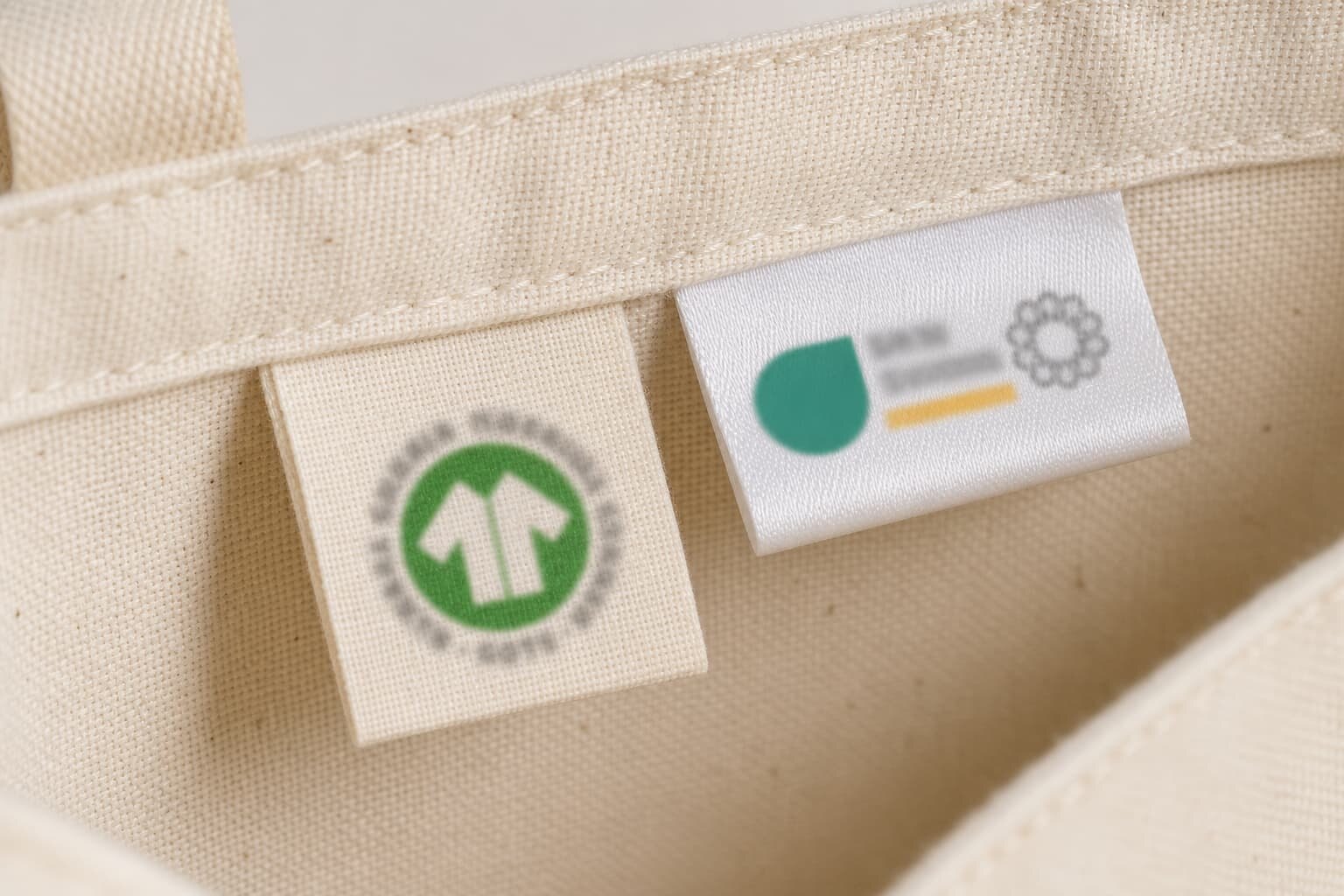
Start with the real buying problem: comparable quotes
An organic canvas tote for ecommerce brands looks simple until the quotes arrive. One supplier prices a lightweight cotton tote with a basic print. Another assumes heavier canvas, a side label, and export cartons. A third mentions organic fabric but cannot explain whether the certification covers the fabric, the sewing unit, or the finished product claim. The unit prices may sit in the same spreadsheet, but they are not quoting the same product or the same risk.
For procurement teams, the goal is not to collect the lowest number first. The goal is to make each supplier price the same finished tote, under the same commercial assumptions, with the same documentation and inspection standard. That is the only way to compare wholesale quotes in a way that supports a purchase order, not just an early budget conversation.
This guide is built for ecommerce buyers who need practical RFQ structure: fabric decisions, organic documentation, MOQ logic, artwork and print choices, packing, lead time, landed-cost variables, and quality control. It does not replace your compliance team or certification body, but it does show the questions that keep a tote quote from becoming vague, incomplete, or impossible to audit.
- Use one written specification sheet for all factories, not separate email descriptions.
- Compare finished product assumptions, not only unit prices.
- Separate product cost, setup charges, sampling, documentation, inspection, and freight.
- Treat missing details as open cost, not as savings.
- Make the quote detailed enough that it can become the purchase order specification.
Define the tote spec before discussing price
The strongest RFQ starts with finished measurements. State the width, height, gusset depth, handle width, and handle drop in centimeters or inches. Do not rely on phrases like standard tote, shopping bag size, or medium canvas bag. Those phrases mean different things across factories, markets, and previous customer programs.
Construction details also deserve early decisions. A deeper gusset improves capacity but changes fabric consumption and folding volume. A wider handle feels better with heavier contents but may increase material and sewing time. Reinforcement stitching at the handle attachment points can be a small cost difference that has a large effect on perceived quality. If the tote is meant for paid merchandise rather than a giveaway, those details should be specified before pricing.
Clarify the desired hand feel. A rigid, structured tote is not the same as a soft, foldable tote. The difference may come from fabric weight, yarn, weave density, finishing, washing, or interlining choices. For most ecommerce merchandise, buyers usually want a bag that folds efficiently for shipping but still feels substantial when opened. Put that balance into the RFQ so suppliers do not guess.
- List finished width, height, gusset, handle width, and handle drop.
- State whether measurements are finished after sewing, washing, or pressing.
- Choose the handle reinforcement pattern before the quote is issued.
- Define whether the tote should be flat-bottom, boxed-gusset, side-gusset, or simple flat style.
- Include all branding points: front print, back print, side label, internal care label, hang tag, or patch.
Specify organic material claims and documentation clearly
Organic sourcing is where many tote quotes become risky. A supplier may say organic cotton because the yarn, fabric, or previous stock was described that way, but that does not automatically mean your finished tote can carry an organic claim. Buyers need to know which certification program applies, which supply-chain facilities are covered, and whether documentation can be tied to the specific order.
Two common documentation terms are scope certificate and transaction certificate. A scope certificate shows that a company or facility is certified for certain processes and product categories under a standard such as GOTS or OCS. It does not by itself prove that your specific shipment contains certified material. A transaction certificate, when applicable and available through the certification system, links a certified material transaction to a specific seller, buyer, product, quantity, and claim. If your sales channel or legal review requires order-level proof, discuss transaction certificate requirements before issuing the purchase order.
Chain of custody matters. If the fabric mill is certified but the printer or sewing factory is not in the certified chain, the finished tote claim may be limited or may require a different labeling approach. If the tote will be dyed, washed, printed, or finished after fabric production, those steps may affect the claim and required documentation. Do not assume that a natural, undyed canvas bag is automatically easier; the chain still needs to be traceable if you plan to market the item as organic.
The safest procurement language is specific: ask what organic standard is being quoted, which facilities hold valid scope certificates, whether the product category is included, whether the supplier can support transaction certificate issuance for the order, and what wording can appear on product labels, hang tags, website pages, or cartons. Final claim wording should be reviewed under your market rules and certification requirements.
- Request current scope certificates before sampling if organic claims are material to the order.
- Check whether certificates cover spinning, weaving, dyeing/finishing, printing, sewing, and trading as relevant.
- Ask whether a transaction certificate can be issued for the exact order quantity and product description.
- Avoid approving marketing copy that the documentation cannot support.
- Keep certificate copies, purchase order, invoice, packing list, and shipment records together for auditability.
Choose fabric weight with product use and freight cost in mind
Fabric weight drives hand feel, durability perception, print behavior, carton weight, and freight cost. For ecommerce brand totes, a common working range is 10 oz to 12 oz, roughly 340 to 400 gsm. This range often gives enough structure for a retail-quality impression without making the carton too heavy or bulky. However, there is no universal best weight. The best choice depends on whether the tote is a paid product, a gift-with-purchase, a subscription-box insert, or a reusable shopping bag.
Lighter canvas, such as 8 oz to 9 oz, may reduce material cost and shipping weight. It can work for lightweight promotional use, but it may wrinkle more, feel less premium, and show stress at seams sooner. Heavier canvas, such as 14 oz and above, can feel substantial and premium, but it increases freight, fold thickness, and sewing demands. A heavier tote can also be less efficient for ecommerce packing if it adds too much cube per unit.
Ask suppliers whether the quoted weight is for greige fabric, finished fabric, washed fabric, or pre-shrunk fabric. Finishing can affect weight, shrinkage, stiffness, color tone, and print absorption. If a production sample is made from stock fabric but bulk fabric will be newly woven or finished, request confirmation that the finished GSM and hand feel will remain within the approved range.
- 8 oz to 9 oz: lighter and cheaper, better for low-cost promotional use than premium merchandise.
- 10 oz to 12 oz: practical middle range for ecommerce brand totes and repeat programs.
- 14 oz and above: stronger premium feel, but higher material cost, freight cost, and folding bulk.
- Ask for finished GSM/oz and shrinkage expectations in writing.
- Compare fabric cost together with carton weight and pack count, not in isolation.
Match printing and branding to repeatable production
Screen printing is often the practical default for canvas totes with simple logos, bold artwork, and one or two colors. It gives predictable coverage and unit cost at wholesale volumes, provided the artwork is clean and the screens are set up correctly. Each additional color can add screen charges, registration risk, production time, and inspection complexity.
For detailed artwork, gradients, photographic images, or very small text, suppliers may recommend digital printing, transfer, or another decoration method. Those methods can be valid, but they must be tested on the final canvas. Textured cotton can affect edge sharpness and opacity. Heavy ink can change hand feel. Transfer edges can be visible. A method that looks acceptable on a smooth swatch may not look the same on a coarse canvas tote after folding and packing.
Branding does not need to be limited to a large front logo. A woven side label, sewn patch, internal care label, hang tag, or small barcode label may better fit a premium ecommerce experience. Each choice has its own MOQ and quality risks. A woven label may have a separate minimum quantity. A patch may require placement jigs. A hang tag affects packing labor. Those costs should appear in the quote before sample approval.
- Provide vector artwork, Pantone references, print size, and exact placement from seams or bag centerline.
- Request a print strike-off on the same fabric weight and color as production.
- Confirm setup charges by color, location, and artwork revision.
- Set acceptable print placement tolerance, commonly within a few millimeters for simple logo work.
- Test rubbing, crocking, adhesion, and wash or abrasion resistance when durability claims matter.
Use MOQ tiers to expose the true cost drivers
MOQ is rarely a single number. The tote body may have one minimum, fabric booking another, woven labels another, and custom packing another. A supplier may say the MOQ is 500 units, but the woven label supplier may require 1,000 labels, the fabric mill may prefer a larger booking, and print setup may make the lowest quantity inefficient. If you only ask for one MOQ, you will not see where the cost really sits.
Request tiered pricing at practical order breaks such as 500, 1,000, and 3,000 units. Ask suppliers to show setup fees separately so the first tier does not look artificially high or low. A 500-unit launch order may be right for market testing, while a 3,000-unit quote may reveal the repeat-order economics. Both numbers are useful, but they serve different decisions.
Also clarify whether leftover labels, fabric, or printed components can be used for replenishment orders. Some factories may hold materials for a period, while others will not. If you plan repeat drops, ask about reorder lead time and whether the same fabric shade can be matched later. Organic fabric lots can vary, and a repeat order may not look identical unless shade, weight, and finish are controlled.
- Break MOQ into fabric, sewing, print, label, tag, packing, and carton requirements.
- Request price tiers with setup charges shown outside the unit price.
- Ask whether overage or shortage tolerance applies to the final shipped quantity.
- Clarify whether unused labels or materials are stored, returned, or discarded.
- Check whether reorder pricing assumes the same artwork, same fabric, and same packing.
Compare landed cost, not just factory unit price
A tote quote becomes meaningful when it can be converted into landed cost per salable unit. Factory unit price is only one part of that number. Trade terms, export packing, carton dimensions, gross weight, freight mode, duties, brokerage, destination delivery, inspection fees, and warehouse receiving labor can all change the final cost. A lower EXW price may become less attractive once pickup, export handling, and coordination are added.
Trade terms deserve careful reading. EXW typically places more responsibility on the buyer to arrange pickup and export movement. FOB generally includes delivery to the named port and export handoff under the agreed term, but it does not include international freight, destination clearance, duties, or final delivery. CIF, DAP, and DDP shift different cost and risk points. Procurement should compare quotes under the same term or normalize them before ranking suppliers.
Carton efficiency can change landed cost. A heavy 14 oz tote packed loosely may consume more freight space than a 10 oz tote packed flat in optimized cartons. Individual polybags may improve presentation but add material, labor, and volume. Bulk flat packing can reduce freight but may require more care in warehouse handling. Ask for carton size and gross weight early enough to estimate freight before the purchase order is locked.
- Normalize quotes to the same trade term before comparing price.
- Request carton dimensions, gross weight, and pack count with the quote, not after production.
- Include inspection, documentation, sample freight, and setup charges in your comparison.
- Ask your forwarder to estimate freight using the supplier’s carton data.
- Compare cost per usable, salable tote after expected rejects or inspection holds, not only ex-factory unit cost.
Sample approval should mirror bulk production
A sample is useful only if it reflects the materials and methods planned for bulk production. A hand-made sample from convenient stock fabric can help confirm style direction, but it should not be the final approval reference if production will use a different fabric lot, print method, label, or packing process. For procurement control, separate sample stages are often worth the time: material swatch, artwork strike-off, fit-and-construction sample, and pre-production sample.
The pre-production sample should use final fabric or the closest approved production fabric, final artwork, final label placement, final thread color, and the intended packing method. Measure it. Photograph it. Record any approved deviations. If the sample is accepted with comments, make sure those comments become the production standard, not a side note buried in an email thread.
Do not approve only from front-view photos. Photos can hide hand feel, stiffness, odor, seam puckering, inside construction, print texture, and folding behavior. If the tote will be sold as brand merchandise, shipped to influencers, placed in subscription boxes, or used in a launch campaign, a physical sample is usually worth the extra days.
- Approve fabric swatch and print strike-off before the full pre-production sample when timing allows.
- Measure width, height, gusset, handle drop, handle width, and print placement on the sample report.
- Check inside seams, thread trimming, handle reinforcement, label sewing, and odor.
- Fold and pack the sample as the warehouse will receive it.
- Keep one sealed approved sample or signed sample report as the inspection reference.
Set QC standards before production starts
Quality control for canvas totes should be measurable. General comments like good stitching or nice print are not enough for a final inspection. Define tolerances, test expectations, inspection level, and defect classes before bulk production. This gives the factory a clear target and gives your inspector a fair basis for acceptance or rejection.
Measurement tolerances should cover the finished bag body, gusset, handle width, and handle drop. For many canvas totes, buyers may set tolerances around plus/minus 1 cm for main dimensions and handle drop, with tighter control for print placement or label position. The correct tolerance depends on design and production method, but the key is to state it in writing. If your tote must fit a mailer, shelf display, or subscription box, tolerances are not optional.
Stitching should be checked for density, straightness, skipped stitches, broken threads, seam slippage, loose thread ends, and reinforcement accuracy. A typical canvas tote may target around 8 to 10 stitches per inch, but the approved sample and factory capability should guide the final number. Handles deserve special attention because they are the most visible load-bearing area. Agree on a static load or handle pull test method before inspection, including weight, duration, and failure criteria.
Print QC should include color match against approved strike-off, opacity, registration, placement, curing, hand feel, and resistance checks. For organic or natural canvas, slight fabric speckling can be normal, but stains, oil marks, mold, strong odor, and severe shade variation should be treated as defects. If the bag carries an organic claim, documentation errors can be as serious commercially as sewing defects.
- Use a recognized sampling plan, such as general inspection level II, with agreed AQL limits by defect severity.
- Classify critical defects as safety, legal, claim, or severe contamination issues.
- Classify major defects as issues likely to affect saleability or customer acceptance, such as wrong size, weak handle, bad print, wrong label, or visible stain.
- Classify minor defects as small issues that do not materially affect use, such as light thread ends or slight non-critical shade variation within limit.
- Require inspection photos, measurement table, carton check, and defect summary before shipment release.
Control packing, labeling, and warehouse receiving
Packing is not an afterthought for ecommerce brands. It affects freight cost, receiving time, cleanliness, presentation, barcode scanning, and storage. A tote packed loosely in weak cartons may arrive creased, dirty, or difficult to count. A tote packed individually in polybags may look cleaner but increase plastic use, labor, carton volume, and removal work if your warehouse repacks orders.
Choose the pack method according to the channel. Bulk flat packing may be best for fulfillment centers that will insert totes into outgoing ecommerce orders. Individual bags may be appropriate for retail-ready units, influencer kits, or marketplaces that require unit protection and barcode labels. If polybags are used, confirm material, warning text where required, suffocation warning rules if applicable, and whether bags are recyclable or otherwise specified by your brand policy.
Carton labels should be agreed before production. Include item name or SKU, color, quantity, purchase order number, carton number, gross weight, net weight if needed, country of origin marking if required, and barcode placement. If the warehouse uses scan-based receiving, test the barcode format before cartons are printed. A beautiful tote can still create cost if every carton has to be relabeled at intake.
- Specify flat pack, folded pack, individual polybag, inner bundle, or retail pack.
- Confirm units per carton, carton dimensions, gross weight, and carton strength.
- Define carton marks, SKU labels, barcodes, lot codes, and purchase order references.
- Add moisture protection if cartons may sit in humid storage or long transit.
- Ask for packing photos before final shipment, especially on the first order.
Specification comparison for buyers
| Quote scenario | What is usually included | Useful for | Procurement risk to verify |
|---|---|---|---|
| Low unit price, vague spec | Basic natural canvas tote, generic fabric description, simple bulk packing, limited quote detail | Early budget screening only | May exclude organic documentation, label cost, setup fees, carton details, inspection standard, and realistic finished GSM |
| Organic canvas with document support | Specified organic cotton canvas, stated certification route, scope certificate review, possible transaction certificate process | Brands making organic material claims or selling through channels that require documentation | Confirm whether GOTS or OCS applies to the supplier, fabric mill, dyeing/finishing, printing, sewing, and final product claim |
| Retail-ready branded tote | 10 oz to 12 oz canvas, screen print, woven side label, hang tag, controlled packing, carton marks | Ecommerce merch, gift-with-purchase, subscription inserts, brand store products | Label MOQ, hang tag application cost, barcode placement, and pack count can change both unit cost and lead time |
| FOB quote with carton data | Unit price plus export-ready packing, carton dimensions, gross weight, and port handoff terms | Buyers comparing landed cost across factories or forwarders | FOB does not include ocean/air freight, destination duties, brokerage, inland delivery, or warehouse receiving labor |
| EXW quote with very low price | Factory-gate price before export handling and freight coordination | Buyers with their own local consolidation or agent | Can look cheaper than FOB but may shift pickup, export clearance, local transport, and coordination risk to the buyer |
| Higher MOQ, cleaner repeat order path | Tiered pricing at 500, 1,000, 3,000 units with separated setup and component MOQs | Brands planning replenishment after a first ecommerce launch | A higher first MOQ may be justified only if specs, samples, documentation, and reordering terms are already stable |
| Heavy canvas premium quote | 12 oz to 16 oz canvas, stronger body, wider handles, reinforced stitching | Premium retail totes or heavier daily-use positioning | Higher fabric weight increases carton weight, cube, freight cost, needle stress, and possible fold/crease issues |
Buyer checklist before sampling
- Define finished bag width, height, gusset depth, handle width, handle drop, seam type, and measurement tolerance before requesting price.
- State the target fabric weight in both oz and gsm, and clarify whether the value refers to greige fabric, finished fabric, washed fabric, or pre-shrunk fabric.
- Decide whether the brand needs a verified organic claim or only a natural cotton look; if organic claims matter, request the relevant GOTS or OCS documentation pathway before sampling.
- Ask for supplier scope certificates, fabric mill scope certificates, and transaction certificate expectations where applicable; do not assume a finished tote is claim-ready because the fabric is described as organic.
- Provide vector artwork with Pantone references, print size, print position, number of colors, and whether the print must be tested for rubbing, washing, or crocking.
- Separate the MOQ for the tote body, fabric, print screens, woven labels, hang tags, care labels, individual packing, and carton configuration.
- Request quote tiers at 500, 1,000, and 3,000 units, with setup charges shown separately from unit price.
- Confirm whether pricing is EXW, FOB, CIF, DDP, or another trade term, and list exactly what is excluded from the supplier quote.
- Get carton dimensions, carton gross weight, pack count, folding method, moisture protection, barcode requirements, and carton mark layout before freight comparison.
- Require a physical fit-and-construction sample, then a pre-production sample using the final fabric, print, label, and packing method.
Factory quote questions to send
- What exact canvas are you quoting: organic cotton content, weave, finished GSM/oz, yarn count if available, finish, shrinkage expectation, and fabric width?
- Which certification route can support the organic claim: GOTS, OCS, or another program, and which facility names appear on the valid scope certificates?
- Can you provide current scope certificates for the fabric mill, dyeing/finishing unit if applicable, printing unit if applicable, and sewing/exporting unit?
- For this order, can a transaction certificate be issued if required, and at which stage would it be requested and paid for?
- Is the quoted canvas raw, bleached, dyed, washed, enzyme-washed, pre-shrunk, or otherwise finished, and does that affect color, hand feel, or shrinkage?
- What finished measurement tolerances are included for width, height, gusset, handle width, and handle drop?
- What stitch density, seam allowance, thread type, reinforcement pattern, and handle attachment method are included in the price?
- What handle pull test or load test can be performed, what weight/time will be used, and will results be recorded in the inspection report?
- How many print colors, print locations, screens, and strike-offs are included, and what are the setup charges for additional colors or revisions?
- Can you test print rub, dry/wet crocking, adhesion, and wash resistance on the final fabric and ink combination?
Quality-control points to confirm
- Fabric identity matches the approved spec: organic cotton content, weave, finish, shade, finished GSM/oz, and certification documentation route align with the purchase order.
- Finished measurements stay within agreed tolerances, commonly controlled around plus/minus 1 cm for width and height, plus/minus 0.5 cm for gusset and handle width, and plus/minus 1 cm for handle drop unless another tolerance is agreed.
- Stitch density is consistent, with a typical target such as 8 to 10 stitches per inch for canvas tote seams unless the approved sample specifies otherwise.
- Handle attachment uses the approved reinforcement method, such as box stitch or box-X reinforcement, with no skipped stitches, loose thread ends, broken threads, or needle cutting.
- Handle pull or static load testing is performed to the agreed method, for example a stated weight held for a stated time, with no seam tearing, handle detachment, or severe distortion.
- Print placement stays within the approved tolerance, commonly plus/minus 3 mm to 5 mm depending on artwork size and factory capability.
- Print quality matches the approved strike-off for color, opacity, edge sharpness, registration, curing, and hand feel on the same canvas weight.
- Print durability checks include dry rub, wet rub or crocking where relevant, tape/adhesion check when suitable, and wash or abrasion testing if the tote is marketed for repeated use.
- Labels are the approved size, material, color, fold type, and placement, sewn straight with secure edges and no exposed sharp corners or fraying.
- Bags lie flat or stand as intended, with no severe twisting, puckering, asymmetric gussets, dirty marks, odor, oil stains, mold risk, or needle damage.