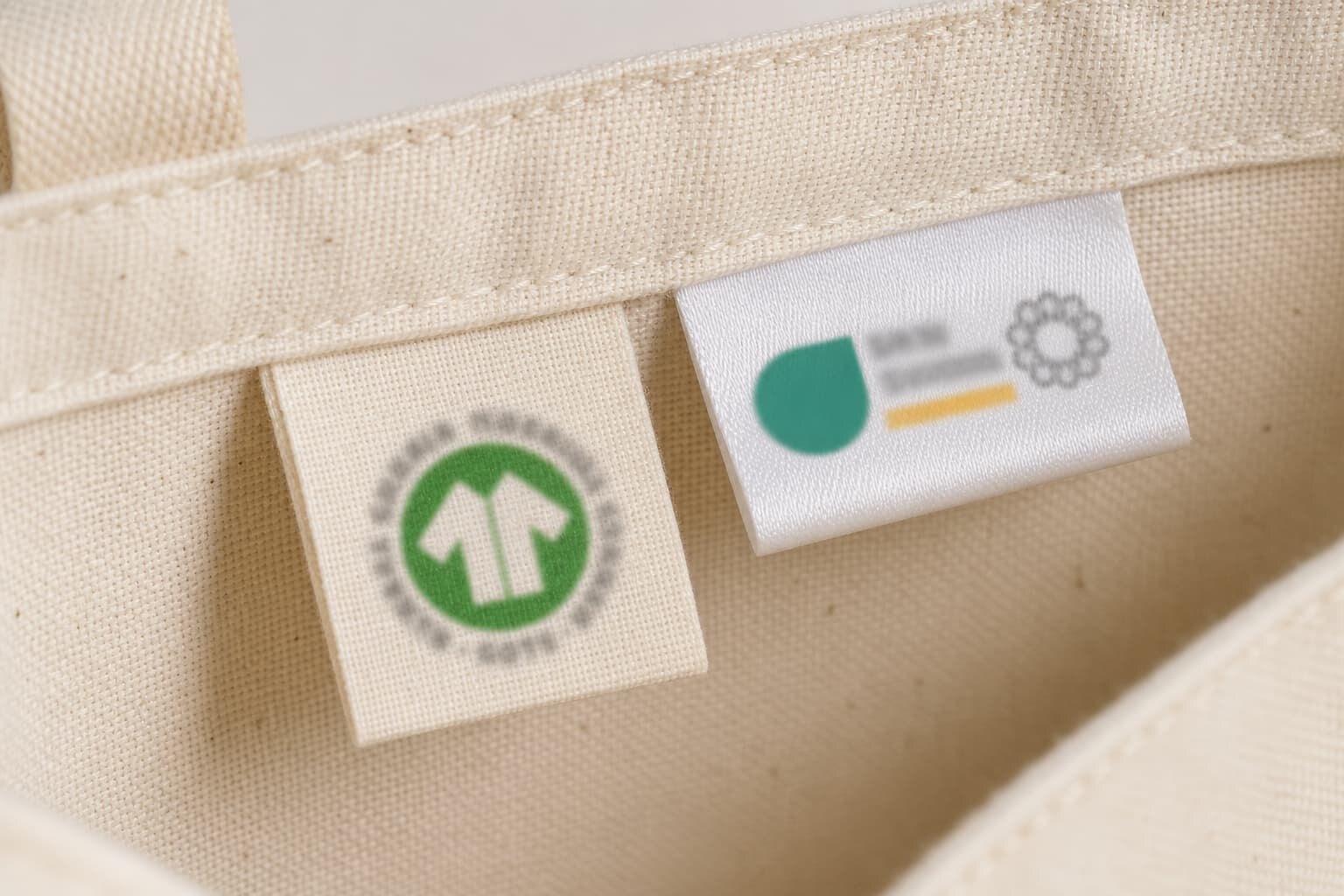
Start with the buying problem: material affects cost, claim, and customer perception
For an ecommerce brand, an organic canvas tote is usually not just a carrier bag. It may be sold as merchandise, inserted into a subscription box, used as a welcome gift, or packed with apparel orders to lift perceived value. The same artwork can feel cheap on thin fabric, too stiff for parcel packing on heavy fabric, or risky from a compliance point of view if the organic claim is not defined clearly.
Material selection should happen before the RFQ, not after the first supplier quote arrives. If buyers only ask for an organic canvas tote, factories may quote different fabric weights, different handle types, different organic scopes, and different packing standards. The cheapest quote may simply be quoting a lighter fabric, non-organic handles, no certification documents, and basic bulk packing.
- Decide whether the tote is a free insert, paid retail product, reusable shopper, or premium campaign item.
- Separate the material decision from the logo decision; fabric weight and finishing control the base cost.
- Ask factories to quote comparable specifications, otherwise price comparison becomes misleading.
- Clarify what level of organic claim is needed for your product page, packaging, import file, or retailer compliance team.
Choose the right canvas weight before discussing decoration
Canvas weight is the first commercial decision. Organic cotton canvas is commonly discussed in ounces in many export markets, but GSM is more precise for comparison. A 10 oz canvas is often around 280-300 GSM, 12 oz is often around 340-380 GSM, and 14 oz or 16 oz can move into the 400-500 GSM range depending on weave and finishing. Do not treat these numbers as exact without supplier confirmation because loom setting, shrinkage, and finishing can change the final weight.
For ecommerce packing, heavier is not always better. A 16 oz tote may look premium, but it increases unit cost, carton gross weight, and shipping volume. It may also be hard to fold flat into subscription boxes. A 10 oz tote may be efficient and easy to pack, but it can feel too light for paid merchandise. The right weight depends on use, selling price, freight budget, and how much structure your brand wants.
- 8 oz or below: usually too light for premium organic canvas positioning unless the project is strictly a low-cost insert.
- 10 oz, about 280-300 GSM: good for folded ecommerce inserts, welcome kits, and moderate reuse.
- 12 oz, about 340-380 GSM: common balance for retail-feel totes and branded merchandise.
- 14-16 oz, about 400-500 GSM: suitable for premium shoppers, but check MOQ, sewing capacity, and shipping impact.
Natural organic canvas is not a pure white retail fabric
Many buyer disputes start with color expectations. Unbleached organic cotton canvas normally has a warm natural tone with small cotton seed flecks, slubs, and shade variation between fabric lots. These are normal material characteristics, not automatically defects. If the ecommerce product page shows a clean ivory-white bag but the bulk order uses unbleached natural canvas, the customer may complain even if the factory made the bag correctly.
If a brand needs a cleaner white, a fashion color, or exact brand color matching, the RFQ should say bleached canvas, dyed canvas, or custom color with lab dip approval. That changes MOQ and lead time because the mill may need greige fabric preparation, dyeing, washing, drying, and color approval. It may also affect certification scope and chemical compliance documentation, so the buyer should not treat dyeing as a small cosmetic change.
- Use natural unbleached canvas when shade variation and seed flecks match the brand story.
- Use bleached canvas when artwork needs a lighter background and the sustainability claim is worded carefully.
- Use dyed canvas when the bag is part of a color-managed retail collection.
- Request a fabric swatch card and approve one production shade range, not only one perfect photo.
Define the organic claim so suppliers quote the same thing
Organic can mean different things in a quote conversation. One supplier may mean organic cotton yarn or fabric. Another may quote finished bags made in a certified facility with chain-of-custody paperwork. A third may use organic fabric for the body but standard cotton webbing for handles or conventional thread. The buyer must define the claim before comparing quotes.
If the tote will be sold on a marketplace, supplied to a retailer, or promoted with formal sustainability language, ask what documentation is required internally before ordering. Some brands need only fabric composition support. Others need recognized certification documents for the finished goods. Certification, transaction documents, certified accessories, and certified printing processes can affect both cost and supplier selection.
- State whether you require organic cotton fabric only or finished certified organic cotton bags.
- Ask whether handles, thread, labels, and drawcords if any must also be organic or only cotton.
- Check whether the factory can provide certification documents before you publish claims online.
- Avoid broad wording such as 100 percent organic bag unless every relevant component and process supports it.
Match bag construction to ecommerce use, not only to a catalog photo
A tote that looks similar in a supplier catalog may perform very differently in use. The main construction points are body size, gusset, top hem, handle length, handle width, and reinforcement. For a flat parcel insert, a simple non-gusset tote may be enough. For grocery or retail shopping, a bottom or side gusset gives more capacity and better shape. For shoulder carry, handle drop needs to be long enough after the top hem is folded and sewn.
The handle attachment area is a common failure point. Organic canvas can be strong, but if the handle is narrow, poorly positioned, or sewn with weak reinforcement, the bag may fail under normal use. For most ecommerce brand totes, cross-stitch or box-X stitching at the handle is safer than a single line stitch. Heavy totes may need wider handles or reinforcement patches to avoid tearing at the top hem.
- Common compact tote size: about 35 x 40 cm for books, apparel, or gift sets.
- Common shopper size: about 38 x 42 cm with 8-12 cm gusset for retail use.
- Hand carry handle drop: often about 12-16 cm depending on style.
- Shoulder carry handle drop: often about 25-30 cm, but test on a real sample.
- Handle width: 2.5 cm is common; 3-4 cm feels more comfortable for heavier bags.
Select print method after checking fabric texture and artwork
Decoration on organic canvas should be tested on the actual material. Rougher canvas absorbs ink differently from smooth cotton twill or polyester. Fine lines may break, large solid areas may look uneven, and natural seed flecks can show through light ink colors. If the factory quotes printing before seeing vector artwork, Pantone colors, print size, and fabric weight, the quote is only a rough estimate.
Water-based screen printing is a practical option for many ecommerce totes with one to three spot colors. It gives a softer handfeel than many plastic-feeling prints, but color brightness depends on fabric color and ink system. Digital, DTF, or heat transfer methods may suit short runs or detailed artwork, but buyers should test handfeel, fold cracking, wash resistance, and brand fit. Embroidery is possible on heavier canvas, but it can pucker thinner fabric and adds cost.
- Screen print: best for simple logos, repeat orders, and medium to large quantities.
- Water-based ink: softer feel, but needs artwork and fabric testing for opacity.
- Pigment or discharge style effects: confirm compatibility with organic fabric and compliance needs.
- DTF or transfer: useful for detail and small runs, but test cracking and handfeel.
- Embroidery or woven label: premium look, but confirm stitch density, backing, and placement.
Understand MOQ logic before rejecting a quote as too high
MOQ is not only a sales policy. It comes from fabric sourcing, dyeing, cutting efficiency, printing setup, certification paperwork, and packing labor. Natural organic canvas in a standard weight may have a lower MOQ if the mill or factory keeps fabric stock. Custom dyed organic canvas usually needs a higher MOQ because the dye house has minimum batch requirements. Heavy organic canvas may also require custom weaving if not stocked.
Printing also affects MOQ. Screen printing has screen setup and color change costs, so very small runs may carry a high unit price. Digital or transfer printing may reduce setup pressure for small test orders, but the unit cost and feel may not suit a premium tote. A good RFQ asks for tiered pricing so the buyer can see where the cost improves and whether a forecasted reorder justifies a better first production plan.
- Ask for MOQ by fabric type: stock natural, bleached, dyed, and heavy canvas.
- Ask for MOQ by print method and number of colors.
- Request tiered pricing at realistic quantities such as 500, 1000, 3000, and 5000 pieces if relevant.
- Check whether sample yardage and bulk fabric come from the same stock or future production lot.
- Do not approve a low MOQ if it forces fabric substitution without written confirmation.
Build a quote sheet that exposes the real cost drivers
A useful factory quote is not only a unit price. For procurement comparison, the quote should identify material, size, construction, print, packing, sample terms, lead time, and trade terms. Without those details, two suppliers can appear far apart in price while actually quoting different products. A 12 oz organic canvas tote with certified fabric, self-fabric handles, water-based screen print, individual packing, and carton labels should not be compared with a 10 oz basic tote in bulk packing.
Buyers should also ask what is excluded. Certification transaction documents, lab testing, custom barcode labels, recycled paper bands, special carton marks, inspection support, and inland freight can all affect the final landed cost. For ecommerce brands, packing can be a hidden cost because a tote may need to arrive clean, folded consistently, and ready to insert into fulfillment cartons.
- Material: organic cotton canvas weight in oz and GSM, color, finish, and certification scope.
- Construction: finished size, gusset, top hem, handle material, handle drop, and reinforcement.
- Decoration: print method, color count, print size, placement, and artwork file requirement.
- Packing: pieces per polybag or paper band, pieces per carton, carton dimensions, and gross weight.
- Commercial terms: MOQ, price tiers, sample fee, sample time, bulk lead time, payment term, and trade term.
Use samples to prevent bulk production mistakes
A sample should answer production questions, not just look nice in a photo. For organic canvas totes, the buyer should inspect fabric handfeel, weight, shade, print quality, handle comfort, seam strength, and folded packing size. If the sample is made from substitute fabric because bulk fabric is not available yet, the factory should clearly mark it as a construction sample only. Otherwise the team may approve the wrong material without realizing it.
Before bulk production, approve a pre-production sample using the actual fabric, actual print method, actual handle construction, and actual packing style whenever possible. Keep one signed sample at the factory and one with the buyer. This becomes the reference for inspection and dispute handling. Photos are useful, but they do not replace a physical sample for canvas thickness, stiffness, odor, and print handfeel.
- Weigh the sample or request GSM confirmation instead of judging thickness by touch only.
- Fold the tote as it will be packed and check whether the logo creases or transfers.
- Load test the handle with a realistic weight for the intended use.
- Rub the print with a white cloth and check ink transfer after full curing time.
- Measure at least three points: body width, body height, gusset, handle length, and handle drop.
Plan packing and lead time around ecommerce fulfillment
Packing decisions should be made early because they affect labor, material cost, carton size, and delivery condition. Bulk packed totes are cheaper, but they may arrive wrinkled or dirty if the carton is handled roughly. Individual recycled polybags protect the bag but may not match a plastic-reduction brand policy. Paper bands look cleaner for retail or subscription inserts, but they add labor and can leave pressure marks if tied too tightly around thick canvas.
Lead time depends on material availability and approval speed. A simple natural organic canvas tote using stock fabric can move faster than a custom dyed heavy canvas tote with multi-color print and certified paperwork. The buyer should build the schedule backward from the ecommerce launch date, including artwork approval, sample shipping, sample review, bulk fabric preparation, printing, sewing, packing, inspection, export booking, and inbound fulfillment receiving.
- Ask for sample lead time separately from bulk lead time.
- Confirm whether lead time starts after deposit, artwork approval, fabric approval, or pre-production sample approval.
- Request carton dimensions and gross weight before confirming freight method.
- Check if folded size fits your subscription box or fulfillment carton without damaging the print.
- Add inspection and rework time to the schedule, especially for first orders.
Specification comparison for buyers
| Spec decision | Recommended option | When it fits | Buyer risk to check |
|---|---|---|---|
| Main fabric for light ecommerce orders | 10 oz organic cotton canvas, about 280-300 GSM | Welcome kits, subscription boxes, apparel add-ons, gift-with-purchase programs where the tote must fold neatly inside cartons | Can feel too soft if the brand expects a structured retail tote; confirm shrinkage and print opacity on natural fabric |
| Main fabric for premium reusable tote | 12 oz organic cotton canvas, about 340-380 GSM | Merchandise sales, bookstore or lifestyle retail, higher perceived value, repeat-use shopping bags | Higher unit cost and carton weight; check whether freight budget allows the heavier bag |
| Heavy-duty ecommerce merchandise tote | 14-16 oz organic canvas, about 400-500 GSM | Premium drops, event merchandise, laptop or grocery use where stiffness and durability matter | MOQ may increase because mills may not stock organic heavy canvas; verify fabric availability before promising launch date |
| Natural color selection | Unbleached natural organic cotton canvas | Brands selling sustainability-focused products and buyers who accept cotton seed flecks and shade variation | Natural color varies by lot; do not require pure white unless bleaching or dyeing is specified |
| White or custom dyed body | Bleached or dyed organic canvas with approved lab dip | Brand color matching, retail collections, high contrast printing, seasonal drops | Dyeing adds lead time, MOQ, color tolerance management, and possible certification scope questions |
| Standard handle construction | Self-fabric canvas handles, cross-stitch reinforced at top hem | Most ecommerce totes where body and handle should match and support regular shopping weight | Ask for handle width, length, and reinforcement photo; weak bar tacks cause returns |
| Budget handle option | Cotton webbing handles sewn into hem | Large campaigns needing faster production and consistent handle strength | Webbing may not match body shade; confirm organic status if claiming all components are organic |
| Print method for simple logo | Water-based screen print on pre-shrunk canvas sample | One to three spot colors, clean logo, medium to large order quantity | Ink can sink into rough canvas; approve strike-off on actual fabric weight, not paper or polyester |
| Print method for full-color artwork | DTF or digital print only after wash and rub testing | Small batches, detailed artwork, ecommerce personalization tests | Film handfeel or cracking risk; not ideal for every organic brand positioning |
Buyer checklist before sampling
- Define the tote use case before choosing GSM: parcel insert, paid merchandise, grocery use, event giveaway, or retail shelf product.
- Confirm whether the claim is organic cotton fabric only or finished bag under a recognized certification scope.
- Request fabric weight in both oz and GSM, plus tolerance, because factories and mills may quote differently.
- Specify natural, bleached, dyed, or washed finish; do not assume all organic canvas looks the same.
- Provide bag dimensions as width x height x gusset, and state whether measurements are finished size after sewing.
- Choose handle length and width based on carry style: hand carry, shoulder carry, or oversized shopper.
- Approve print on the actual bulk fabric weight and color, not on a substitute canvas.
- Ask whether fabric is stock, greige-to-dye, or custom woven because this controls MOQ and lead time.
- Check carton weight and folded size if the tote will be inserted into ecommerce parcels.
- Set acceptance criteria for shade variation, seed flecks, print position tolerance, stitching strength, and measurement tolerance.
Factory quote questions to send
- Is the quoted canvas organic cotton fabric in stock, or does it require weaving, bleaching, dyeing, or finishing?
- What is the exact fabric weight in oz and GSM, and what tolerance should we expect in bulk?
- Can you quote 10 oz, 12 oz, and 14 oz options using the same bag size so we can compare landed cost properly?
- Does the organic claim cover only the fabric, or can the finished bag be supplied under a certification transaction document if required?
- What is the MOQ for natural canvas, dyed canvas, and custom printed canvas separately?
- What print method do you recommend for our artwork on this fabric weight, and can you provide a strike-off on actual canvas?
- What handle construction is included in the quote: self-fabric, cotton webbing, cross-stitch, bar tack, or reinforced patch?
- What are the sample fee, sample lead time, bulk lead time, and approval steps before mass production?
- How many pieces per export carton, what is the estimated carton size and gross weight, and can the tote be packed to fit our ecommerce carton?
- What quote data is excluded: certification paperwork, lab testing, custom dyeing, individual packing, barcode labels, inspection, or inland freight?
Quality-control points to confirm
- Verify fabric weight by cutting and weighing a measured sample area or by requesting a mill test report; visual checking alone is not enough.
- Check finished bag dimensions after pressing and packing, including gusset depth and handle drop.
- Inspect seam density, thread trimming, top hem consistency, and reinforcement at handle attachment points.
- Run print adhesion, rub, and fold tests on the approved artwork before bulk printing.
- Compare bulk fabric shade against approved sample under consistent lighting and record acceptable variation.
- Check cotton seed flecks and slubs against the approved natural canvas reference so normal organic fabric character is not rejected unfairly.
- Confirm packing method prevents moisture, odor transfer, print blocking, carton crushing, and dirty marks during export handling.
- Review carton labels, polybag warning text if applicable, barcode labels, and master carton quantities before shipment.
- Pull random packed pieces to check whether folding creates permanent creases across the printed logo.
- Keep one signed pre-production sample and one bulk shipment sample for claim handling and reorder matching.