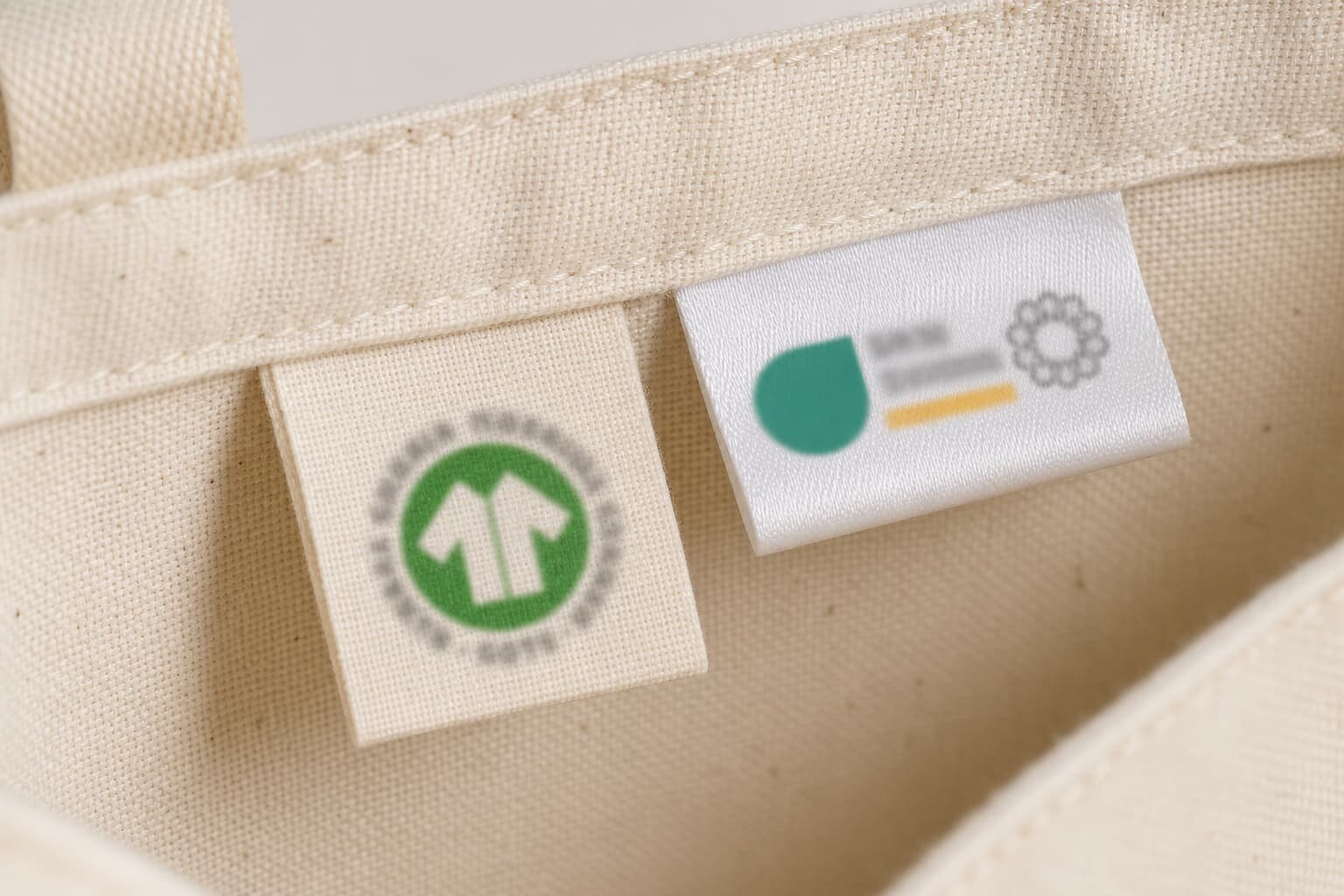
1. Start with the order problem, not the tote
Most quote confusion on an organic canvas tote starts before the supplier even prices it. Buyers ask for a natural canvas bag, then compare numbers that were built on different assumptions: different GSM, different finished size, different handle reinforcement, different print method, and different packing. If your RFQ does not lock those basics, the cheapest quote is often just the quote with the most omissions.
For ecommerce brands, the real buying problem is not finding a tote. It is getting a bag that looks consistent in product photography, survives fulfillment, and lands at a usable cost per order. Define the use case first: is this a premium merch item, a gift-with-purchase insert, a shipping add-on, or a retail shelf SKU? Each one pushes the spec in a different direction.
- State the intended use, annual volume, and reorder expectation before asking for price.
- Give the factory a finished spec, not just a logo and a rough size range.
- Ask for a quote breakdown so you can see where the cost is coming from.
2. Choose fabric weight based on the load, not the label
For an organic cotton canvas tote, fabric weight is one of the first decisions that changes both look and cost. A 10-12 oz range, roughly 340-410 gsm, is usually enough for lightweight ecommerce programs, branded inserts, and general retail carry. It keeps freight lower and sews faster, but it can feel soft and may show more shadow from dark print coverage if the weave is open.
If the tote needs a more structured retail look, or if it will carry heavier products, step up to 14-16 oz, roughly 475-540 gsm. That gives better body, less show-through, and a more premium handfeel. The tradeoff is predictable: more cotton per bag, slower sewing, and higher carton weight. Ask the supplier whether the quoted GSM is before or after finishing, because that can distort quote comparison.
- Match the GSM to the maximum practical load, not the average load.
- Ask whether the fabric is bleached, natural, or dyed, because shade variation changes between lots.
- If you need a certified organic claim, ask for the relevant certificate chain separately from the bag quote.
3. Lock size, handles, and seam construction early
Finished size matters more than most buyers expect. A tote can look similar on paper yet behave very differently once it is folded, packed, and filled. For ecommerce orders, a common mistake is approving only the body width and height while ignoring gusset depth and handle drop. If the bag is meant to sit on a shoulder, the handle length and attachment position are part of the product, not an afterthought.
Construction details are where a factory can quietly save cost or where a buyer can accidentally create a weak bag. Specify the top hem finish, side seam type, bottom seam reinforcement, and whether the handle attachment needs cross-stitching or a box-X pattern. If the tote will carry heavier merchandise, make reinforcement a line item in the spec, not a vague instruction. The same applies to lining, inside pockets, zipper closures, or label placement if you need them.
- Define finished dimensions, not only cut dimensions, and include tolerance.
- State handle drop in inches or millimeters, not just total handle length.
- Ask the factory to confirm reinforcement at the handle anchor and bottom stress points.
4. Pick the print method that fits the artwork and volume
Screen print is usually the most practical choice for a straightforward ecommerce tote with one to three solid colors. It handles repeat orders well, keeps the brand mark sharp, and usually gives the best cost balance. On textured canvas, though, fine lines, small text, and tiny gaps can close up if the artwork is too delicate or if the ink deposit is too heavy. Your file needs to be designed for fabric, not just copied from a web banner.
If your artwork changes often, or if you need names, variable data, or a very small run, the factory may suggest heat transfer or another decoration method. That can make sense for a test order, but you should check for cracking, edge lift, or a glossy finish that looks off on organic canvas. Embroidery or a woven label can work for premium branding, but the space is limited and the labor adds up quickly. Always ask for a strike-off or pre-production print on the actual fabric, not on paper.
- Provide vector artwork with Pantone references where possible.
- Specify print size, placement, and clear space from seams and hem lines.
- Ask what ink system is used and whether it is suitable for your target market requirements.
5. Understand MOQ logic before you compare quotes
MOQ is not just a factory policy. It is usually the point where fabric sourcing, cutting efficiency, print setup, and packing labor become economically workable. A supplier may offer a lower MOQ for natural stock canvas with one-color print, but the same factory may ask for a much higher order if you want custom dyed fabric, multiple print colors, special labels, or retail-ready packaging. That is normal, but it has to be visible in the quote.
Compare quotes by cost driver, not just by the bottom line. Ask the supplier to separate fabric, print, sewing, label, packing, and any testing or documentation fees. If one quote is dramatically lower, check whether it left out the overrun allowance, inner packaging, or carton marking. A quote that looks cheap because it omits half the spec is not a real option.
- Ask for MOQ by fabric color, print color count, and packing format.
- Clarify whether a sample fee is credited back against bulk or charged separately.
- Check whether the supplier allows a small reorder at the same setup cost or treats every order as a new run.
6. Treat sampling as a production test, not a formality
A tote sample should answer production questions, not just show the logo. Review the fabric handfeel, weave density, print registration, stitch consistency, handle length, and exact finished dimensions. If the sample arrives with loose threads, crooked label placement, or a logo that sits too close to the seam, those are not small issues. They usually become repeated issues at scale unless the process is corrected before bulk approval.
For a proper approval chain, ask for the right sample stage. A design sample may confirm appearance but not final production behavior. A pre-production sample should reflect the actual fabric, print method, and construction. If anything changes after approval, such as a fabric substitute or a different packing method, the factory should send an updated reference before cutting bulk. Keep one sealed approved sample with the PO file.
- Measure the sample against the approved spec sheet, not against memory.
- Check print curing by rub test and fold test on the actual bag.
- Approve the sample only after confirming both look and production method.
7. Build the packing spec around the receiving warehouse
Packing is often where an otherwise good tote order becomes expensive to receive. For ecommerce, the key decisions are whether bags ship bulk packed or individually packed, how they are folded, whether a polybag is needed, and how carton labels are set up. A retail-ready pack might need an insert card, barcode sticker, or moisture protection, while a warehouse-only pack may only need a clean bulk fold and carton count. Do not let the factory decide this for you by default.
Carton planning also affects freight and storage. A bulky fold or oversized carton can raise cubic volume long before the bag weight matters. Ask the factory for carton dimensions, gross weight, units per carton, and whether the tote compresses cleanly without permanent creasing. If your warehouse uses barcode receiving, define label placement and carton marks before production starts.
- Specify fold method and whether the bag should be shipped flat or nested.
- Define inner packaging, desiccant, and barcode requirements if you need them.
- Confirm carton count and dimensions before comparing freight estimates.
8. Separate sample time, production time, and freight time
Lead time is usually quoted too loosely. A useful quote should show when the clock starts, what must be approved first, and which steps are included. For organic canvas tote orders, the critical path can include fabric booking, cutting, printing, curing, sewing, inspection, and carton labeling. If the supplier gives you one broad number without explaining the sequence, there is a good chance the date will move once artwork or sample revisions begin.
For buyer planning, split the schedule into sample lead time, bulk production time, and transit time. If the order is seasonal or tied to a campaign launch, ask where the supplier expects delays to show up first. Printing and finishing often become the bottleneck, not cutting. If you need a second sample round, build that into the plan before you issue the PO rather than assuming the first version will be approved immediately.
- Ask whether the lead time is in working days or calendar days.
- Confirm what approval event starts bulk production: art sign-off, deposit, or sample approval.
- Check whether inspection and packing are included inside the quoted production window.
9. Compare factory quotes on the same line items
The easiest way to make a bad decision is to compare one complete quote against one incomplete quote. A serious supplier should tell you the fabric weight, finished size, print method, label type, sewing details, packing format, MOQ, sample fee, and lead time. Without those details, the unit price is not enough to judge value. You are not buying a generic bag; you are buying a specific production process with a specific tolerance for variation.
When two quotes are close in price, review the hidden risk items. Check whether the cheaper quote uses a lighter fabric, a looser tolerance, simpler stitching, less protective packing, or weaker approval control. Also check whether the supplier owns the whole process or is outsourcing parts of it, because that can create schedule gaps. The goal is not the lowest number on the page. The goal is the lowest risk for the finished tote you actually need.
- Compare landed cost, not only ex-factory cost.
- Ask for a line-item quote if the first offer is bundled.
- Treat missing spec data as a risk, not as a negotiation advantage.
10. Know when organic canvas is the right tote and when it is not
An organic canvas tote is a strong choice when the brand wants a natural handfeel, visible fabric texture, and a product that reads as more substantial than a thin giveaway bag. It works well for ecommerce inserts, premium merch, book and lifestyle packaging, and retail programs that want a simple, durable silhouette. The format also supports repeat production because the bag shape is simple, the print can be standardized, and the material story is easy to explain to the buyer.
It is not the best choice for every program. If the order needs full-color photo printing, a very low cost giveaway, or extremely compact shipping, another bag construction may be better. Some buyers also over-specify the tote with too much structure, lining, or embellishment and then lose the cost advantage. Keep the build aligned to the actual retail role of the product, and do not force premium details onto a tote that is meant to move in volume.
- Use organic canvas when the brand story and tactile quality matter.
- Avoid overbuilding the bag if the main goal is efficient fulfillment.
- Choose the simplest construction that still meets the shelf and load requirement.
Specification comparison for buyers
| Spec decision | Recommended option | When it fits | Buyer risk to check |
|---|---|---|---|
| Fabric weight | 10-12 oz / 340-410 gsm canvas | Light retail carry, ecommerce inserts, brand merch, lower freight weight | Can feel soft or show print shadow if the weave is open |
| Fabric weight | 14-16 oz / 475-540 gsm canvas | Premium retail tote, stronger shape, better opacity, heavier product loads | Higher unit cost, more sewing time, and larger carton cube |
| Print method | 1-3 color screen print | Simple logo programs, repeat orders, clear brand marks, best unit economics | Check curing, handfeel, and whether fine type holds on textured canvas |
| Print method | Woven label or small embroidery | Premium brand positioning, minimal artwork, side-label branding | Placement limits and higher labor can push cost up fast |
| Packing format | Flat bulk packed with carton labels | Warehouse receiving, DTC fulfillment, lower freight cost | Confirm fold size, moisture protection, and carton count per SKU |
Buyer checklist before sampling
- Finished size, gusset depth, and handle drop are specified, not just cut size.
- Fabric composition and finished GSM are confirmed in writing, with any organic claim documentation requested separately.
- Artwork file, print colors, print area, and edge clearances are approved on a sample.
- Reinforcement points, stitch count, seam allowance, and top hem finish are included in the spec.
- Packing method, fold style, inner polybag use, carton count, and carton dimensions are fixed before PO.
- Target MOQ, overrun allowance, and reorder pricing logic are clear.
- Lead time is split into sample, production, inspection, and freight windows.
- The supplier quote separates fabric, decoration, packing, and any special testing or labeling cost.
Factory quote questions to send
- What is the exact fabric composition, weave, and finished GSM after washing or finishing?
- Is the quoted size a cut size or a finished sewn size, and what tolerance do you work to?
- What reinforcement do you use at the handle and stress points, and how many stitches or cross-stitches are standard?
- Which print method is included in the quote, how many colors are covered, and what is the print size limit?
- What is the MOQ by fabric color, print color count, and packaging format?
- What sample stages are included before bulk production, and what is the sample fee if changes are needed?
- What packing format is quoted: bulk pack, individual polybag, insert card, barcode sticker, or retail-ready packing?
- What is the production lead time after art approval and deposit, and what parts of the schedule are excluded?
Quality-control points to confirm
- Verify finished dimensions against the approved spec sheet, including handle drop and gusset depth.
- Check fabric weight consistency and confirm the handfeel is stable across the batch.
- Inspect print alignment, color density, curing, and edge sharpness on the actual production fabric.
- Pull and stress-test handle attachments, bottom seams, and side seams for weak points.
- Check for loose threads, skipped stitches, uneven hem width, and crooked label placement.
- Confirm fold method, carton count, and carton markings match the packing instruction.
- Review odor, dust, stains, needle damage, and any contamination before cartons are sealed.
- Keep an approved sample, a photo record, and the final signed spec sheet tied to the PO.