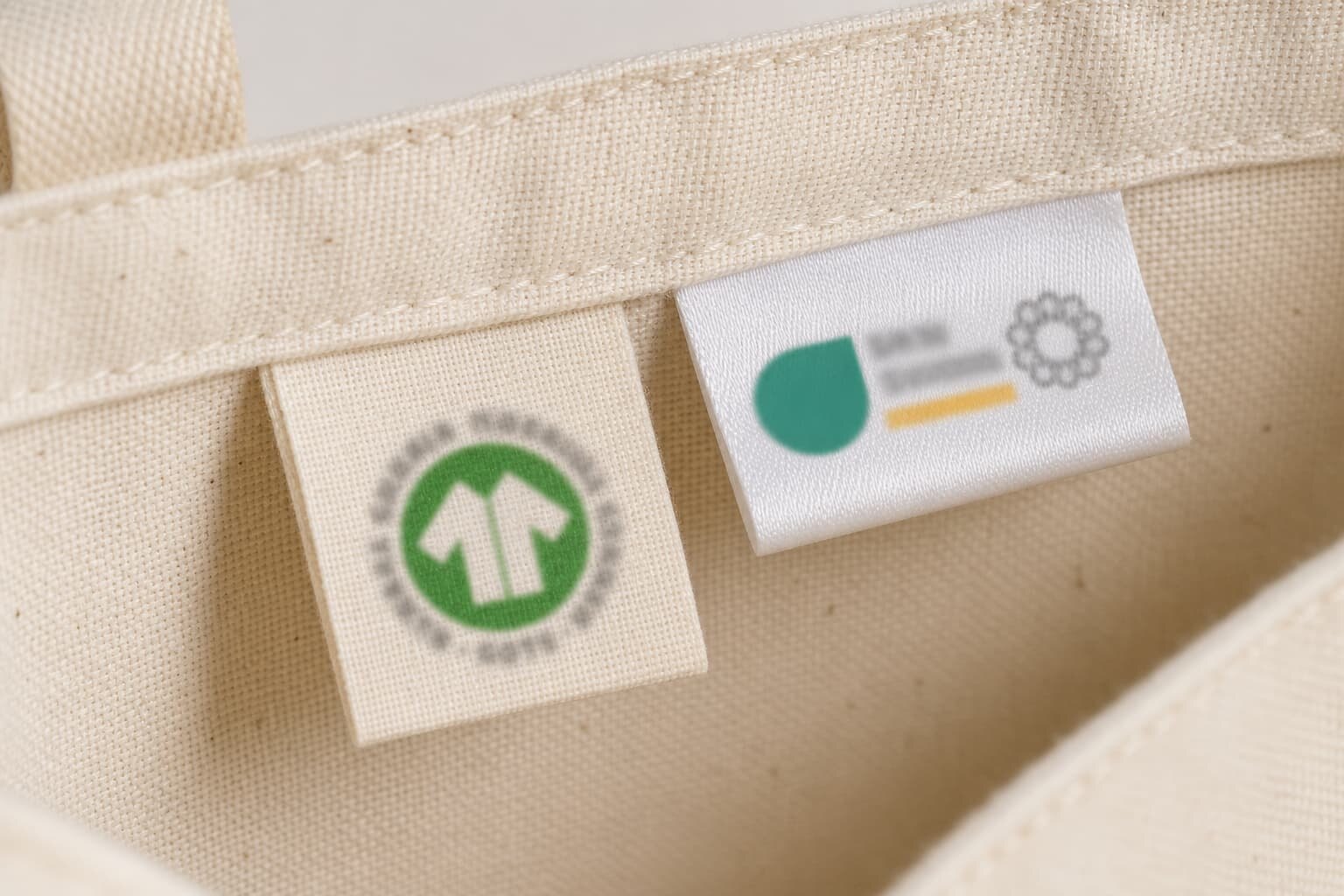
Start With the Use Case, Not the Quote
A natural cotton tote order goes wrong when buyers ask for a price before they define how the bag will be used. A tote for a trade show giveaway, a bookstore retail line, and a grocery carry program can all look similar on paper, but they need different fabric weights, print methods, and packing formats. If you do not define the use case first, factories will fill the gaps with their own assumptions, and quote comparisons will be misleading from the start.
For procurement teams and brand owners, the right RFQ begins with the product role: daily reuse, event distribution, premium merch, or retail shelf display. Then define the target customer load, the logo size, the order channel, and whether the bag must look soft, crisp, or structured. This is especially important for Organic Cotton Bags programs, where buyers often want a natural look but still need a controlled finish and repeatable production.
- State the end use in one line: giveaway, retail, grocery, subscription insert, or branded merch.
- Define the expected contents and weight load so the factory can advise on fabric and seam strength.
- List any packaging constraints such as shelf-ready folding, barcode stickers, or bulk carton packing.
- Tell the supplier whether the tote is a first order, a repeat order, or a seasonal reprint.
Choose Fabric Weight That Matches the Job
Fabric weight is one of the biggest drivers of both perceived quality and final cost. For a natural cotton tote, a light 140-160 gsm cloth works for low-cost promotional programs, but it can look thin and may not hide the contents well. A 200-220 gsm cloth is usually the practical middle ground for brand owners who want a tote that feels durable without becoming too heavy or expensive to sew.
If the bag needs to carry heavier items or sit in a premium retail range, 280-320 gsm cotton usually makes more sense. That heavier cloth gives the tote a more substantial hand, but it also raises sewing time, material cost, and shipping weight. The quote should say whether GSM is measured before or after finishing, because a supplier can use the same words while quoting different actual cloth weights.
- Ask for fabric weight in gsm and, if possible, yarn count and weave type.
- Check whether the fabric is bleached, dyed, washed, or left natural, because that changes shrinkage and feel.
- Request a fabric swatch or lab dip if the bag must match a broader product line.
- Do not compare quotes that mix different GSMs, even if the bag size looks identical.
Specify the Bag Structure, Not Just the Size
Many RFQs fail because they describe only the outer dimensions and ignore the construction details that change production cost and usability. A tote with a flat body and short handles is not the same as a gusseted bag with long shoulder handles and reinforced cross-stitching. If you want clean quote comparison, define body width, height, gusset depth, handle width, handle drop, top hem finish, and seam allowance in one spec sheet.
The best production spec is the one a sewing supervisor can read without asking follow-up questions. If the bag will be used for retail, the details matter even more: a crooked hem, an uneven gusset, or a handle that twists after sewing will show up immediately on the shelf. Ask the factory to confirm whether the pattern is cut from one panel or multiple panels, because that affects both material usage and seam appearance.
- State finished size in millimeters or inches and confirm the tolerance you will accept.
- Define handle type: self-fabric, folded self-fabric, or webbing-style handle.
- Ask whether the bottom is single stitched, double stitched, or reinforced with bar tacks.
- If you need a gusset, specify the depth and whether the gusset is on the side, bottom, or both.
Match the Print Method to the Artwork
For most natural cotton tote projects, the print method should be selected around artwork complexity, unit volume, and the brand finish you want. A simple one-color logo is usually best handled by screen print because it is cost-effective and produces a solid, readable mark on natural cloth. If the art has multiple colors or fine type, ask the factory how they will keep registration stable and what line thickness they can hold without blur.
Do not default to the most fashionable print method. A soft-hand water-based screen print may be ideal for a premium lifestyle brand, while a bold ink deposit is better for events where visibility matters more than softness. If you need a woven label or sewn side label instead of a printed front panel, that can reduce artwork risk and create a cleaner retail look, but it may raise MOQ or setup cost.
- State the print size in centimeters or inches, not only as "front logo."
- Confirm the exact number of print colors and whether the art has halftones, gradients, or reversed text.
- Ask for the curing method so you can judge rub resistance and wash durability.
- If the artwork is not final, ask the factory for a print feasibility review before sampling.
Use MOQ Logic to Compare Real Quotes
MOQ should not be treated as a single number detached from production reality. For a natural cotton tote, MOQ depends on fabric availability, print colors, size changes, and whether the factory can use stock material or must open a new fabric run. A lower MOQ is often possible when the bag uses standard cloth, a single print color, and a common size, while a custom shape or special trim usually pushes the minimum higher.
The important buyer question is not only "what is your MOQ?" but "what variables increase MOQ or unit cost?" That is how you separate a flexible supplier from a supplier who is only quoting the easiest version of the bag. A clear quote should show whether the MOQ is by design, by print color, by fabric color, or by total order across several SKUs.
- Ask for MOQ separately for size, color, print version, and label version.
- Check whether a mixed-SKU order can be combined under one fabric run.
- Ask what changes trigger a new setup charge or a new minimum.
- Make sure the quote states whether the MOQ is firm or only a planning estimate.
Inspect the Sample for More Than Appearance
A sample should prove that the bag can be repeated in mass production, not just that one piece looks good on a table. Check the sample for fabric hand feel, panel symmetry, handle evenness, print opacity, label position, and seam neatness. If the tote has a natural cotton finish, also check whether the surface has stray lint, visible slubs, or uneven fiber density that could make the retail version look inconsistent.
The most useful sample review is written and repeatable. Measure the sample against your spec, photograph the front, back, inside, and bottom seam, and mark any deviation before you approve production. If the factory sends a pre-production sample, confirm that it matches the agreed fabric lot and packing style, because a good sample on different material is not a reliable approval.
- Measure the sample body size, handle drop, and gusset with a ruler, not by eye.
- Rub the print lightly and check for transfer, cracking, or tackiness.
- Lift the bag with weight inside to see whether the handles distort or the stitches pucker.
- Check one sample folded in the expected packing format so you know the retail presentation is real.
Build Packing and Carton Specs Into the RFQ
Packing is often ignored until the first shipment arrives, and then it becomes a receiving problem. A natural cotton tote may look simple, but packing details affect warehouse efficiency, retail presentation, and freight cost. If the bags are sold in bulk, ask for the carton count, carton size, gross weight, and whether there is an inner polybag or tissue insert. If the bags are sold at retail, define fold direction, label visibility, and any barcode or hangtag placement before production begins.
Quote comparison gets distorted when one factory assumes bulk packing and another assumes individual polybags. The per-unit cost can look close while the landed logistics cost is very different. Make sure the carton marks, quantity per carton, and any special master carton requirements are written into the PO, especially if the order is going into a distributor network or a retail DC.
- Specify whether the bag should be bulk packed, individually polybagged, or banded in sets.
- Confirm the exact carton pack count and whether the factory can keep the same count across all cartons.
- Ask for master carton dimensions if freight planning matters to your buyer team.
- State any labeling rules early, including SKU stickers, UPC placement, or country-of-origin marks if applicable.
Plan Lead Time by Stage, Not by One Date
Lead time is easier to manage when the factory breaks it into stages. For tote bags, the timeline usually includes sample development, sample revision, material booking, bulk cutting, printing, sewing, final inspection, and packing. If the supplier only gives you one total lead time without stage detail, you cannot tell whether the order is waiting on cloth, waiting on artwork approval, or already in production.
A serious buyer should also ask what can delay the order. Common delays are artwork changes after sample approval, fabric color inconsistency, missing label approvals, or carton art revisions. Build your internal approval calendar around those risk points so the factory is not forced to guess while your team is still debating the spec.
- Ask for a production calendar with sample, bulk, and packing milestones.
- Confirm whether the lead time starts at deposit receipt, artwork approval, or sample approval.
- Ask what portion of the order can be started before the full artwork sign-off.
- Check whether peak season or fabric sourcing constraints can extend the schedule.
Compare Quotes Like a Production Engineer
A useful quote is more than a unit price. The clean way to compare suppliers is to break each offer into fabric, sewing, print, packaging, cartonization, and any optional services such as artwork handling or sample revisions. That way you can see whether a low price comes from thinner cloth, simpler packing, fewer QC steps, or a different assumption about waste and overs.
The best quote also states what is not included. If one supplier includes one revision sample, inner polybags, and standard carton marks while another charges separately for each, the raw unit price means very little. Ask each factory to quote the same spec sheet and then compare on identical assumptions, otherwise you are comparing sales tactics instead of production capability.
- Use one spec sheet and send it to every factory in the same format.
- Compare itemized costs rather than a single total price.
- Check whether freight, duties, customs paperwork, and testing are excluded.
- Ask each supplier to confirm overrun, underrun, and replacement policy in writing.
Avoid the Mistakes That Create Rework
The most expensive tote bag mistakes are usually simple: the logo is too close to the seam, the handle length is wrong, the fabric is thinner than expected, or the packing spec was never confirmed. These are not design problems; they are RFQ problems. When the buyer does not define the production details early, the factory has room to make assumptions that may be acceptable for a sample but not for a commercial order.
Set acceptance criteria before you approve production. For example, define size tolerance, acceptable print shift, acceptable thread tail length, and the exact look you will reject at final inspection. Buyers who write those rules into the order usually get fewer disputes because both sides know what "good" looks like before the run starts.
- Do not approve a sample without measuring it against the spec sheet.
- Do not compare a printed sample and an unprinted quote as if they are the same product.
- Do not leave packing details to the factory if the bags are going to retail or distribution centers.
- Do not assume the second order will match the first unless the spec and approved sample are archived.
Specification comparison for buyers
| Spec decision | Recommended option | When it fits | Buyer risk to check |
|---|---|---|---|
| Fabric weight | 140-160 gsm cotton | Low-cost promotions, event giveaways, lightweight retail packs | Can feel thin, show contents, and distort large prints |
| Fabric weight | 200-220 gsm cotton | Daily-use retail totes, brand merch, bookstore and lifestyle programs | Check shrinkage, softness after wash, and whether the quote is before or after finishing |
| Fabric weight | 280-320 gsm cotton | Premium retail, grocery carry, heavier contents, long-life reuse | Higher cost, slower sewing, and a stiffer first-hand feel |
| Print method | 1-3 color screen print | Simple logos, large flat graphics, repeat orders with stable artwork | Confirm ink type, registration tolerance, and cure method |
| Closure and trim | Open top with side label or woven brand label | Clean branded look, broad use cases, easier production | Check label placement, edge finish, and whether the label is sewn before or after washing |
| Packing format | Bulk packed in cartons with agreed inner count | Wholesale shipments, import orders, and warehouse receiving | Verify carton count, polybag needs, and carton marking before production starts |
Buyer checklist before sampling
- Confirm the exact tote size in finished dimensions, not only the flat cut size.
- Choose the target GSM or fabric ounce weight and ask whether the quote is before or after washing or finishing.
- Specify handle length, handle width, seam allowance, and whether handles are self-fabric or webbing.
- Approve the print method, print size, number of colors, and ink style before sampling.
- State the target MOQ by design, color, and print version so the factory can quote realistically.
- Ask for a sample or pre-production sample with the same fabric, print, label, and packing method.
- Confirm carton pack count, master carton size, and whether individual polybags are needed.
- Ask for the planned lead time by stage: fabric booking, sample approval, production, and final inspection.
Factory quote questions to send
- What fabric weight, yarn count, and weave structure are you quoting for this tote?
- Is the GSM quoted before washing, after washing, or after finishing?
- What is the MOQ by size, color, print color, and total order quantity?
- Which print method do you recommend for this artwork, and why?
- What are the size tolerances for body dimensions, handle length, and seam placement?
- What packing format is included in the quote, and what extra cost applies for polybags or inserts?
- How many sample rounds are included before production?
- What is the standard production lead time after sample approval and deposit?
- What are the allowed overrun or underrun percentages on the final shipment?
- Which items in the quote are included as standard and which are optional add-ons?
Quality-control points to confirm
- Fabric weight matches the approved spec, with a practical tolerance agreed in advance.
- Finished tote dimensions are within tolerance and both handles are even in length and placement.
- Stitching is consistent at stress points, especially handle joins and bottom seams.
- Print is correctly aligned, fully cured, and free from pinholes, smears, and color shift.
- Label placement is centered and secure, with clean edges and no loose threads.
- Seams are straight, the top hem is even, and the bag sits flat without twisting.
- Carton count matches the packing list, and carton marks match the purchase order.
- Random samples from the final run match the approved pre-production sample in color, print, and hand feel.