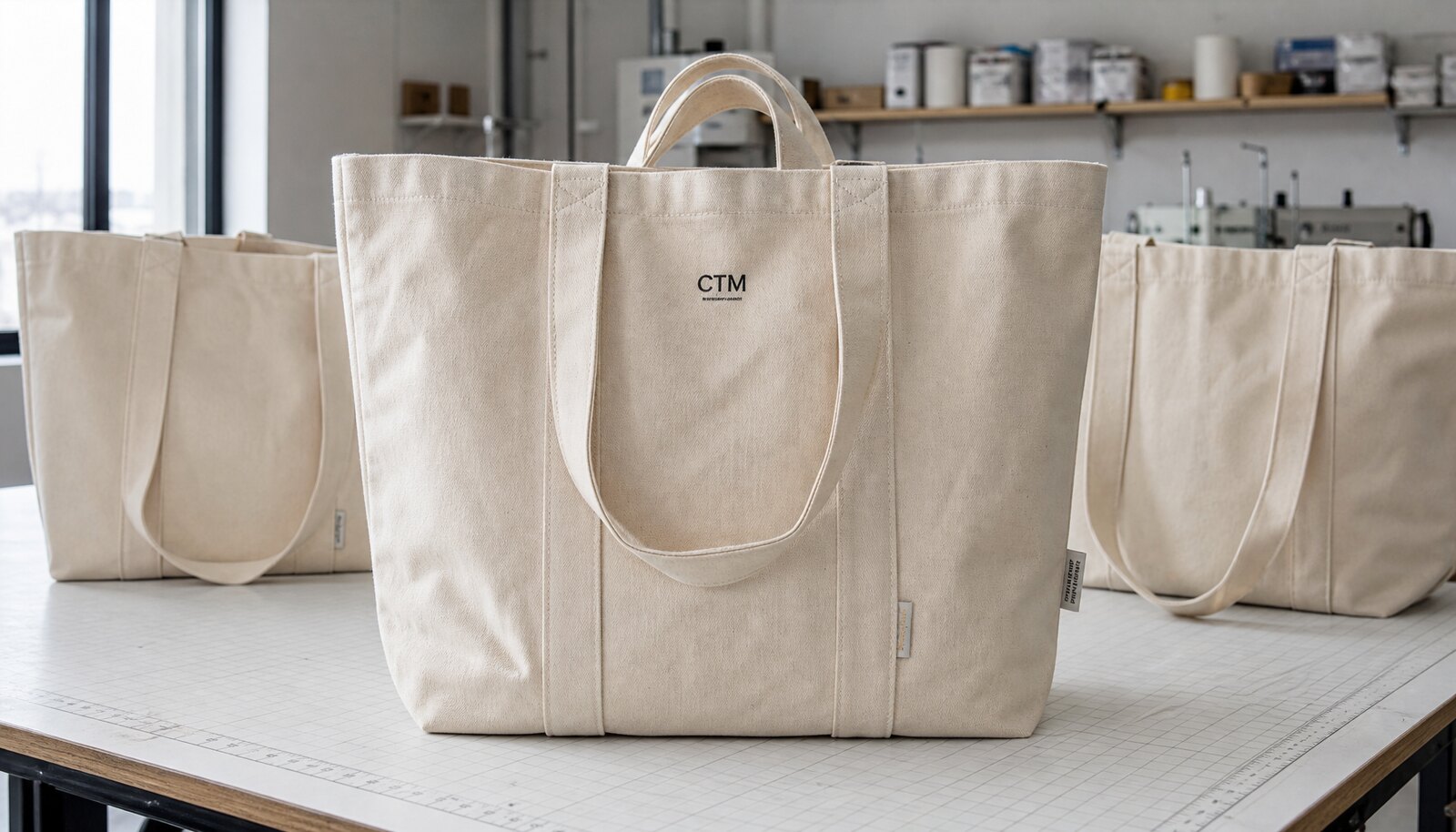
Why hotels buy large canvas grocery bags differently
Large canvas grocery bags for hotels are rarely purchased as simple promotional totes. In hospitality, the same bag may need to serve three different functions: a guest convenience item, a retail-resale product, or a reusable carrier for housekeeping and back-of-house operations. That difference matters because each use case changes the buying logic. A resort gift bag can tolerate a more decorative finish. A retail bag on a hotel shop shelf has to look clean, hold its shape, and survive repeated handling. A back-of-house carrier may need to prioritize value and durability over visual polish.
This is why a procurement team should avoid comparing hotel canvas bags to generic trade-show totes. Grocery-style loads are different from light event handouts. Hotels often face heavier contents, sharper packaging edges, and more frequent reuse. A guest can also judge quality instantly by touch and stitching. A bag that looks inexpensive may still work, but if it feels flimsy, it can undermine the brand in a premium property. Good sourcing starts by defining how the bag will be used, what it must carry, and how long it needs to last in the guest’s hands.
The commercial goal is not to buy the thickest canvas available. It is to buy the lightest spec that still meets the load requirement, print quality, and perceived value target. That balance is where the best bulk pricing plan usually lives. Once the use case is clear, the rest of the quote becomes easier to control: fabric weight, handle build, printing, packing, and the number of color or size variations. Hotels that define those inputs early usually see cleaner quotes and fewer disputes after order placement.
- Guest-facing bags need better seam finish and cleaner folding than internal utility bags.
- Retail-resale programs should prioritize print clarity, label placement, and shelf appearance.
- Amenity or housekeeping bags can often be simplified to reduce setup cost and improve reorder speed.
The spec that drives cost most: fabric weight, weave, and build
For large canvas grocery bags, fabric weight is the biggest price lever. A common starting point is 10 oz canvas, roughly 340 GSM, which gives enough body for shopping use without making the bag overly stiff. That is often the best middle ground for hotel programs because it supports a respectable hand feel and does not push freight weight as high as heavier canvas. If the bag needs to handle heavier purchases or present a more premium look, 12 oz canvas can be justified. If the goal is a low-cost reusable bag for light use, 8 oz may be acceptable, but only if the customer will not expect bottle-carrying performance.
Canvas is not just “thick fabric.” The weave, finishing, and construction affect how the bag behaves. Tighter weave tends to print more cleanly and resist distortion better. A looser weave may lower cost but can make artwork less crisp and allow the bag to collapse visually when empty. Buyers should ask the supplier whether the quoted weight is measured on finished fabric or greige fabric. That distinction matters because a quote based on greige weight can make the material sound heavier than the finished product actually is.
Build details matter just as much as weight. A straight hem, reinforced handle attachment, and consistent seam allowance all affect appearance and failure rate. If the bag will carry bottled items, the handle reinforcement should be non-negotiable. The cheaper quote is not always the better value if it avoids reinforcement and later creates breakage, guest complaints, or a replacement run. For procurement teams, it helps to think of the bag as a small engineered item rather than a simple sewn accessory.
When comparing factories, ask for the exact seam pattern and reinforcement method. Bar-tacks, X-box stitching, and double-needle construction all carry different labor costs and performance levels. A supplier who can explain those tradeoffs clearly is usually easier to work with than one who only quotes a single line price. If you want more predictable bulk pricing, standardize the fabric weight and construction before you open the order to competitive bids.
- 10 oz / 340 GSM is a practical starting point for most hotel grocery use.
- 12 oz / 406 GSM suits heavier loads or a more structured retail look.
- 8 oz / 270 GSM only works when the bag is light-duty and the price target is aggressive.
- Confirm whether the quote is based on finished canvas weight, not greige weight.
- Ask for the exact reinforcement method at the handle and bottom seams.
How to read a bulk pricing plan without being misled by the headline unit price
A strong bulk pricing plan should break the order into visible cost layers. At minimum, that means fabric, sewing labor, decoration, packing, cartonization, and any setup fees. If a supplier gives you only one flat price, the quote is incomplete. The low number may depend on a lighter fabric, shorter handles, simpler stitching, fewer ink colors, or more basic packing. Those changes can be acceptable if they are intentional. They become a problem when they are hidden.
The right comparison is landed cost per acceptable bag, not ex-factory unit price alone. Landed cost should include the bag price, sample cost, packing cost, inland transport, carton volume, freight mode, duty assumptions, and any expected rework. A bag that looks a little more expensive can still be cheaper overall if it ships in tighter cartons, needs no repacking, and arrives without quality exceptions. Procurement teams should ask every supplier to price the same locked spec, or the comparison will not be meaningful.
A practical quote structure helps you make the decision faster. Ask for tiered pricing at 1,000, 3,000, 5,000, and 10,000 units. That reveals where the price actually drops and whether the supplier’s MOQ is real or negotiable. Ask for separate line items for first sample, print screen or plate setup, woven label tooling if applicable, and packing. Once those are visible, you can decide whether the premium quote is justified by better control or whether the cheaper quote is missing a necessary production step.
For large canvas grocery bags for hotels, one of the most common budget surprises is freight. Canvas is bulky, and poor carton planning can increase the cost sharply even when the unit price is strong. A quote that ignores carton dimensions or overpacks bags in a way that crushes shape can create downstream losses in storage and presentation. That is why procurement should always compare carton count, gross weight, and CBM alongside unit pricing.
- Request the same spec sheet from every supplier before comparing prices.
- Separate one-time setup costs from recurring unit costs.
- Ask for pricing at 1,000 / 3,000 / 5,000 / 10,000 units to expose real tier breaks.
- Compare CBM and carton efficiency, not only the per-bag number.
Supplier route matters: direct factory, trading company, or hybrid sourcing
The type of supplier you choose changes the quality of control you get. A direct factory is usually the best route when the hotel program needs repeatability, stable stitching, and a consistent spec over multiple reorders. You are closer to the sewing line, fabric source, and packing process. That matters if the bag is part of a chain-wide standard or a retail program that must look the same across properties. Direct factory sourcing also makes it easier to lock down reinforcement details and sample records.
A trading company can be useful when the buyer needs easier communication, mixed product consolidation, or a smaller initial order. Trading layers often move quickly and may manage multiple categories for hotels at once. The tradeoff is that the buyer has less direct visibility into fabric source, print setup, and line-level QC. That can be fine for simple orders, but it becomes risky when the bag carries a visible brand mark or has to meet a specific retail standard.
A hybrid route is often the most practical in hospitality procurement. In this model, the bag comes from a factory, while a distributor or consolidator manages mixed shipments, local storage, or multi-item purchase orders. That can simplify the buying process for hotel groups that order bags with towels, amenities, or retail packaging in one cycle. Even so, the buyer still needs the factory-level spec. Without that, the price may look fine while the product quietly changes from one order to the next.
The sourcing route should be chosen based on control, not habit. If your team cares most about exact fabric weight, seam control, and reorder stability, go direct. If your team needs one point of contact and a low-admin order process, a trading partner may be enough. If freight consolidation is the key issue, use a hybrid route but keep the bag spec locked to the factory record.
- Use a direct factory when repeat orders and spec control matter most.
- Use a trading company when admin simplicity and mixed-product buying matter more than line-level detail.
- Use a hybrid route when consolidation matters but you still need the factory spec to stay fixed.
- Ask who owns the sample record and who approves substitutions before production.
Comparison table: sourcing routes, cost tiers, and quality tradeoffs
The table below is meant to help a buyer compare not just product specs, but the economics of different sourcing routes. The same bag can price very differently depending on MOQ, setup structure, and who controls the factory process. Use it to ask better questions during supplier evaluation.
A good comparison should include the cost tier you expect to land in, the MOQ breakpoint that triggers better pricing, and the main quality tradeoff that comes with the lower or higher route. That gives the procurement team a more realistic view than a simple unit-price list.
- Use the table to compare apples to apples, not “similar-looking” quotes.
- Ask every supplier to identify the price tier that matches your expected annual volume.
- Treat quality tradeoffs as part of the commercial decision, not as an afterthought.
Production details buyers should lock before sending an RFQ
A clean RFQ for large canvas grocery bags for hotels should be specific enough that three different suppliers would quote the same thing. If size, decoration, and packing are vague, each supplier will fill the gap with their own standard. That creates a false comparison and often leads to a production mismatch later. The more precise the brief, the more useful the quote.
Start with the bag geometry. State the finished width, height, and gusset, and include a sketch if possible. Do not rely on generic terms like “large tote” or “grocery bag style.” Then define the handle length, handle width, attachment method, and whether the handles are same-fabric or another material. For hotel use, the handle has to feel comfortable when carried on the shoulder or by hand with a modest load.
Decoration should be tied to the artwork, not the supplier’s default method. A one-color logo on a natural canvas bag is often best handled with screen print. If the brand wants a more understated look, a woven label or small patch may be better. If the artwork includes many colors or gradients, it may need to be simplified for canvas to avoid a muddy result. Buyers should not assume that every print method will reproduce the same logo quality.
Packing needs to be specified early. A bulk-ordered canvas bag can be folded in multiple ways, and the wrong fold may leave a visible crease or make shelf presentation inconsistent. If the bags are being imported, ask for carton count, carton dimensions, and whether the cartons are made for pallet stacking or only shipping. Small decisions like that directly affect receiving speed and freight cost.
- State the finished size in inches or centimeters, plus a simple flat sketch.
- Specify handle length, width, and reinforcement method.
- Define the print size, print color count, and exact placement.
- State packing expectations: bulk carton, inner polybag, or retail-ready fold.
MOQ logic and how it changes your pricing tier
MOQ is more complicated than one number on a quote sheet. In canvas bag sourcing, the minimum can change by body color, print color count, label type, and even handle material. A supplier may accept 3,000 units of a blank natural bag but require a larger minimum for printed or labeled versions. That does not necessarily mean the supplier is inflexible. It usually means one component creates the bottleneck, such as print setup, dyeing, or label sourcing.
Buyers should ask for MOQ by component rather than a single global number. If the factory says the MOQ is 5,000, ask whether that is for the base bag, the print, or the label. Then ask what happens if you keep the bag standard but change only the decoration. Sometimes the MOQ can drop significantly when the base spec stays stable. In other cases, the decoration is what drives the minimum. Knowing that before budget approval helps avoid surprises.
For hotel groups, the smartest strategy is often to standardize one core spec and vary only the branding if needed. That keeps the production line simple and improves the chance of getting a better tier price. If every property wants a different size, color, or label, the order fragments and the unit price rises. One standard bag with a single reorder path is easier to manage, easier to forecast, and easier to compare from year to year.
If you expect recurring use, consider two versions: a main spec for the primary brand standard and a simplified replenishment spec for follow-on orders. The replenishment version can keep the same silhouette and essential quality while reducing noncritical extras that inflate the cost. That kind of program design is often more effective than chasing the lowest possible first-order quote.
- Ask whether MOQ is driven by bag body, print, label, or packaging.
- Single artwork versions usually price better than multi-version orders.
- A repeat order can improve pricing if the supplier can reuse fabric and print setup.
- Standardize the silhouette to reduce fragmentation across properties.
Sample approval: the fastest way to avoid expensive production mistakes
The pre-production sample should be treated as the production reference, not a courtesy sample. For a hotel procurement program, that sample needs to match the actual fabric weight, stitching structure, handle reinforcement, print method, label position, and packing format. A sample that looks good but uses a nicer fabric or a better print process than the final order does not protect you. It only creates false confidence.
Review the sample with a checklist and measure it, rather than relying on a visual “looks fine.” Check the finished dimensions, seam quality, handle strength, logo placement, and overall cleanliness. If the bag is meant for guest-facing retail, smell matters too. Dust, oil marks, lint, or a chemical odor can make an otherwise acceptable bag unsuitable for a hotel shelf. If the order has a premium brand position, review the sample under normal daylight rather than only under factory lighting.
For practical testing, load the bag with real items that reflect the hotel’s use pattern. A bag that carries folded paper may still fail when loaded with bottles or heavier packaged goods. Test the handle lift and look at whether the body twists, seams distort, or stitches pop under pressure. If the sample shows obvious weak points, fix them before you release the purchase order. Rework after bulk production is far more expensive than a better sample review.
Keep a signed master sample, artwork proof, and spec sheet together. That reference package should be available to purchasing, quality, and receiving teams. It is the easiest way to resolve disputes if the re-order arrives with a different shade, print placement, or seam finish.
- Keep the approved sample and signed spec together as the production reference.
- Test the sample with real-use weight, not only empty-hand inspection.
- Reject samples that show loose threads, uneven print, odor, or size drift.
- Do not approve a sample that is materially better than the intended production version.
Packing and carton planning for importers and hotel distributors
Packing has a direct effect on both freight cost and warehouse handling. Bulk packing is usually the most efficient format when the bags are being imported for distribution, repacking, or back-of-house use. It keeps labor lower and avoids paying for presentation that the receiving team may not need. However, if the bags are being sold in a hotel shop or displayed in a guest-facing retail area, a cleaner inner pack or retail-ready fold may be worth the added cost.
When reviewing a quote, ask for bag count per carton, carton dimensions, gross weight, and estimated CBM. Those numbers matter because canvas is bulky. A slightly lower unit price can be canceled out by poor carton design that increases freight cost or makes the cartons difficult to palletize. The best carton plan is the one that protects the bags, fits the warehouse workflow, and keeps the air out of the shipment.
The fold method should be defined before production starts. A bad fold can leave a permanent crease or distort the bag’s appearance on shelf. Carton marks should also be clear: style, size, color, quantity, and PO reference should be visible without opening every box. For hotel groups with multiple properties, that kind of receiving clarity saves time and reduces mis-shelving.
If the program includes both retail and bulk distribution, consider separating the packing logic by channel. Retail cartons can be cleaner and more presentation-focused, while bulk cartons can be optimized for shipping efficiency. Mixing those requirements into one pack spec usually makes both functions worse and can inflate the total program cost.
- Ask for carton quantity, gross weight, and CBM for each price tier.
- Use bulk packing when presentation is not the priority.
- Define folding orientation to avoid permanent creases and shelf damage.
- Require clear carton marks with style, size, color, and PO reference.
Lead time and production risk: where hotel programs usually slip
Canvas bag lead time is often determined by fabric availability, print approval, and packing setup rather than sewing alone. If the supplier has to source a special dyed canvas, a custom thread color, or a less common label, the schedule can stretch quickly. Standard natural canvas with a simple one-color logo is usually the fastest route. That is one reason many hotel buyers choose a restrained branding approach when the delivery date is fixed.
The most common delay is artwork approval. The supplier may have the fabric ready, but production cannot begin until the print proof or strike-off is signed off. If multiple stakeholders review the design, approval can drift. Procurement should set an internal decision window before the order is released. Otherwise, the bag order ends up waiting for final brand comments while the rest of the launch schedule keeps moving.
For multi-property hospitality rollouts, schedule risk is not only about manufacturing. It also includes when the warehouse can receive the goods, how cartons will be labeled, and whether partial shipments are acceptable. A late or split shipment may force air freight or emergency substitution, both of which can erase the savings from the original bag price. It is better to choose a simpler spec that can be produced on time than a fancier spec that misses the launch window.
The safest program is the one with the fewest moving parts: standard fabric, one print color, one packing style, one approved sample, and one delivery date. That does not mean the product must look generic. It means the buying process should be structured so the quote is stable and the factory can execute without guessing. In bulk purchasing, predictability often saves more money than aggressive spec chasing.
- Standard natural canvas and one-color print usually reduce schedule risk.
- Custom dye, multi-color decoration, and special packing increase lead-time exposure.
- Set an internal approval deadline before the supplier starts production.
- Avoid split shipments unless your warehouse and rollout plan are built for them.
Specification comparison for buyers
| Decision area | Recommended buying direction | MOQ / pricing impact | Quality tradeoff to watch |
|---|---|---|---|
| Fabric weight | 10 oz / 340 GSM canvas for most hotel grocery use | Usually the best mid-tier price point; 8 oz lowers cost but can feel flimsy, 12 oz raises cost and freight weight | Too light can sag and print poorly; too heavy can feel stiff and increase CBM and unit cost |
| Bag size | 15 x 16 x 4 in or a similar large grocery profile | Standard sizes often price better because patterns and cutting are simpler | Oversized bodies raise fabric usage; shallow bags reduce usable volume and guest satisfaction |
| Handle build | Self-fabric handles with reinforced X-box or bar-tack at load points | Reinforcement adds labor but is cheaper than returns or breakage claims | Short handles hurt usability; weak stitching can fail with bottle loads |
| Print method | 1-color or 2-color screen print for larger runs | Best setup-to-unit cost balance after setup fees are absorbed | Fine artwork may blur on textured canvas; color count increases cost and rejection risk |
| Decoration route | Small woven label or patch for premium positioning | Higher unit cost and longer approval cycle than a simple print | Can rub, curl, or distort if placement is too close to a seam or handle base |
| MOQ structure | Quote by size, color, print color, and label type separately | Multiple variants often split MOQ and push unit pricing up | A low headline MOQ may hide higher minimums for each artwork version |
| Packing method | Bulk packed in inner polybag + master carton for import and distribution | Bulk packing is cheaper; retail-ready packing adds labor and materials | Poor folding or overstuffed cartons can crease bags and increase receiving time |
| Supplier route | Direct factory when spec control and repeatability matter most | Factory-direct usually improves consistency at scale; trading layers may add margin | A middleman can simplify buying but can also obscure material substitutions |
| Sampling route | Pre-production sample with final fabric, print, stitching, and packing spec | Sample fees are minor compared with the cost of a wrong production run | A “look-alike” sample that is lighter or differently printed is not a valid approval reference |
Buyer checklist before sampling
- Define the use case before you price anything: guest shopping, minibar retail, welcome gift, housekeeping resale, or promotional give-away. Each one changes the target fabric weight, handle length, and finish level.
- Lock the bag size using real load items, not only dimension ranges. Test the bag with bottles, amenity kits, or typical guest purchases to confirm working capacity.
- Specify fabric in GSM or ounces, plus color type (natural, bleached, dyed) and acceptable shade tolerance. Ask whether the factory quotes finished fabric weight or greige weight.
- State the decoration method, the number of print colors, and the maximum print area in a flat sketch. If premium branding is required, define whether a woven label or patch is part of the spec.
- Set stitching requirements: seam allowance, corner reinforcement, handle attachment method, and the acceptable stitch appearance on the exterior.
- Choose packing by channel: bulk cartons for import, inner polybags for shelf display, or mixed-carton packing for hotel warehouse distribution.
- Request a pre-production sample that matches the final fabric, seam structure, handle reinforcement, print method, and packing method. Do not approve a cheaper sample as a stand-in.
- Build a landed-cost worksheet with unit price, sample fees, carton count, carton dimensions, estimated CBM, inland packing, freight mode, and duty assumptions.
- Ask the supplier to disclose any substitute materials they would use if the quoted fabric, thread, or ink is unavailable, and require pre-approval before any substitution.
- Keep the approved sample, signed specification sheet, and artwork proof together so reorders can be checked against the same reference set.
Factory quote questions to send
- What exact fabric weight are you quoting, and is that finished GSM, finished ounces, or greige fabric weight?
- What is included in the quoted price: blank bag, one-color screen print, multi-color print, woven label, individual polybag, or only the sewn body?
- What is the MOQ by size, color, print color count, and decoration type? Please separate the base bag MOQ from the print/label MOQ.
- How are the handles reinforced: bar-tack, X-box, double stitch, or another pattern? Can you state the stitch count or reinforcement standard?
- What are the sewn size tolerances for length, width, and gusset depth?
- Can you provide carton quantity, carton dimensions, gross weight, and estimated CBM for each pricing tier?
- What sample cost applies, and is it refundable or credited against PO after order confirmation?
- What is the standard lead time after sample approval, and what specific items add delay: dyeing, artwork revision, label sourcing, or packing changes?
- Which components might be substituted if supply changes, and how will you notify us before production begins?
- What inspection standard do you apply before shipment, and can you share photos or an inspection report format?
Quality-control points to confirm
- Fabric weight tolerance should be defined in the PO and checked against the approved sample; a practical control band is typically around +/- 5% to 8% depending on the material run and supplier consistency.
- Measure finished dimensions after pressing and folding, not only before sewing. Length, width, and gusset should remain within the agreed tolerance band so the bag loads correctly on arrival.
- Inspect seam integrity at the side seams, bottom corners, and handle junctions. Reject bags with open stitches, skipped stitches, loose thread tails longer than the agreed limit, or distorted seam lines.
- Use a loaded handle lift test with a realistic hotel-use weight. The bag should hold without handle stretch, stitch pop, or handle edge tearing during repeated lifts.
- Check print registration, edge sharpness, and ink coverage. Common failure examples include smearing, double images, haloing around text, cracked ink on fold lines, and off-center placement.
- Confirm color against the approved strike-off or sample under natural daylight. Small shifts can be acceptable for natural canvas, but obvious shade drift should be flagged before packing.
- Review packing count against the packing list and carton marks. A receiving team should be able to verify style, color, size, and quantity without opening every carton.
- Check for odor, dust, oil spots, needle marks, and contamination in the bag body and polybags. Guest-facing bags should arrive clean enough for immediate retail or in-room use.
- Inspect fold consistency and carton compression. Bad folding can leave permanent crease lines that make the bag look lower quality on shelf.
- If the order includes labels or patches, check alignment and attachment strength. A loose woven label or crooked patch can downgrade the perceived value of the entire batch.