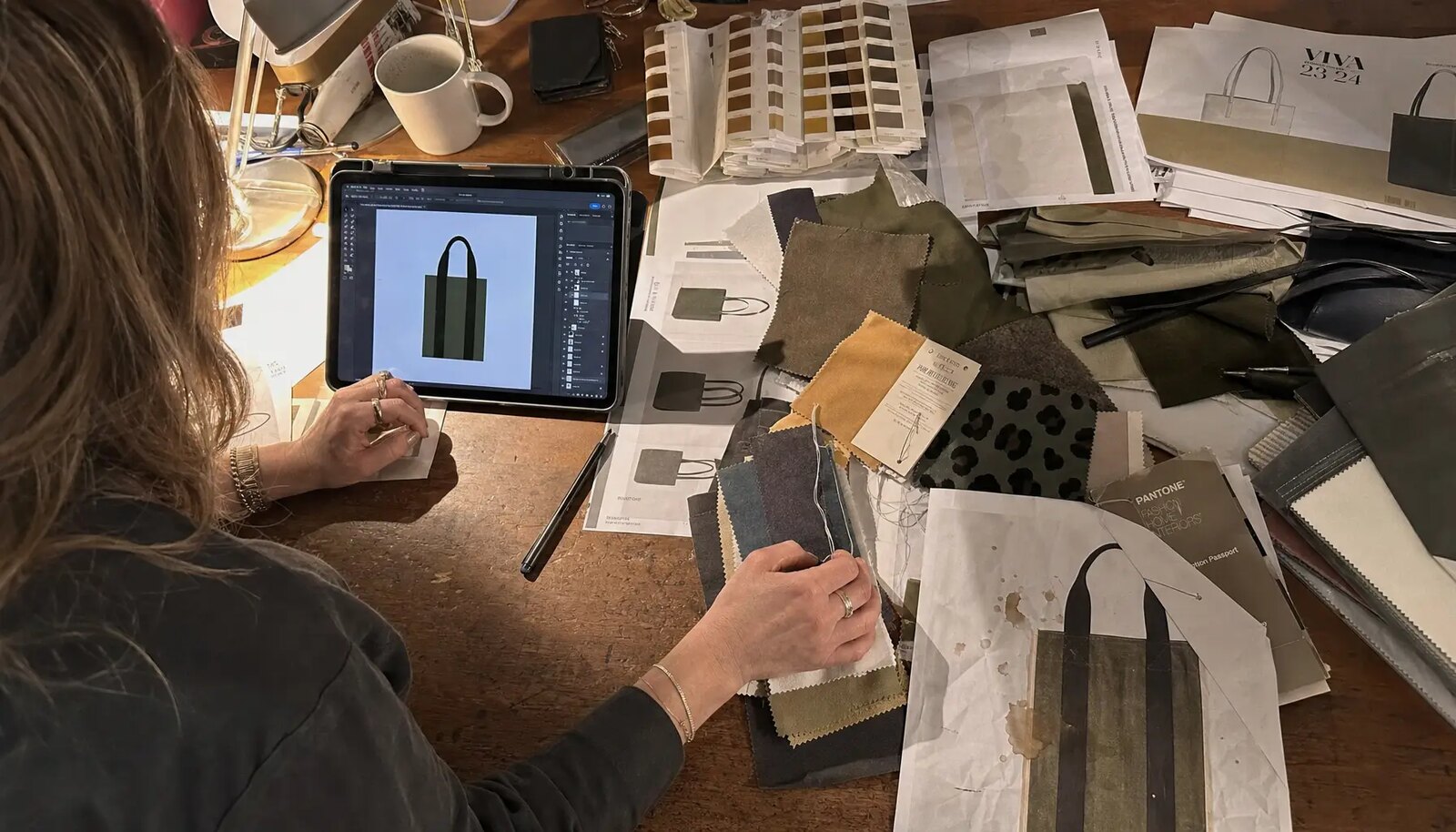
Start the RFQ with the craft fair use case, not only the bag photo
Jute tote bags for craft fairs are bought for several different jobs: shoppers carrying small purchases, vendors packaging handmade goods, sponsors giving welcome bags, or retailers selling reusable totes as merchandise. These uses look similar in product photos, but they require different sizes, handle strength, print durability, and packing formats. A procurement team that sends only a reference image will receive quotes that are impossible to compare because each factory will assume a different fabric weight, handle type, lamination, and carton pack.
A better RFQ starts with carrying purpose and distribution channel. If the tote will be sold at a retail price, the buyer usually needs cleaner stitching, a stable rectangular shape, better print alignment, and possibly a hang tag or barcode. If it is a sponsor giveaway for one weekend, cost control and delivery date may matter more than premium finishing. For a distributor serving many craft fair vendors, standardizing one base construction can reduce MOQ pressure while allowing different print logos.
- For vendor packaging: prioritize low carton volume, fast replenishment, and consistent blank stock.
- For retail resale: prioritize shape, handle comfort, print accuracy, labeling, and defect rate.
- For sponsor giveaways: prioritize artwork visibility, delivery date, and simple packing by event location.
- For outdoor fairs: consider laminated jute or better moisture protection during transport and storage.
Choose the jute fabric weight and finish before comparing prices
Jute tote prices are strongly affected by fabric weight, weave density, and finish. Many low quotes hide behind vague wording such as natural jute, burlap fabric, or eco jute bag. For wholesale buying, that is not enough. A buyer should specify GSM or oz, plus whether the body is laminated or unlaminated. A practical range for many craft fair totes is about 300-420 GSM, often described commercially as around 13 oz to 15 oz depending on the supplier's measurement method. Heavier fabric gives better structure but increases material cost and freight weight.
The finish changes both performance and marketing claims. Laminated jute has an inner plastic film that helps the bag stand upright and gives some resistance against moisture from tables, grass, or light rain exposure. It can also support sharper printing because the fabric is more stable. Unlaminated jute looks softer and more natural, but it sheds more fiber, wrinkles more easily, and absorbs moisture faster. If the brand wants to make sustainability claims, the RFQ should be precise because a laminated jute bag is not the same material story as an unlaminated natural jute bag.
- State fabric weight as GSM or oz, with accepted tolerance and test method where possible.
- Request a swatch from current available fabric, not only an old showroom sample.
- Record whether the quoted fabric is laminated, unlaminated, dyed, bleached, or natural.
- Avoid approving a price before confirming whether the supplier includes the same fabric finish in the sample and bulk quote.
Size, gusset, and handle design decide whether the tote is useful
The most common buying mistake is choosing a bag size from a catalog without testing what the craft fair customer actually carries. A tote that looks economical may not fit boxed candles, pottery wrap, folded textiles, or brochures. A very large tote looks generous but creates more carton cube, higher freight cost, and a weaker loaded shape if the fabric and handles are not upgraded. For many fair uses, a medium tote around 35 x 40 cm with a 10-15 cm bottom gusset is a practical starting point, but the correct size should be based on the product mix.
Handle design is equally important. Cotton webbing handles are usually more comfortable and consistent than rough jute handles. Jute handles give a rustic appearance but can feel scratchy and may vary in thickness. Rope handles create a different look but can be less suitable for flat packing and may pull at the attachment points. For wholesale orders, define handle drop, width, material, stitch pattern, and load requirement. The phrase reinforced handles is not a specification unless the factory knows what reinforcement to build.
- Specify bag height, width, bottom gusset, and side gusset if required.
- Define handle drop for hand carry or shoulder carry; shoulder carry usually needs a longer drop.
- Use box-X stitching or multiple bar tacks at handle joints for heavier contents.
- Set a realistic load test, for example a defined weight held for a defined time, instead of saying strong handle.
Printing on jute needs simpler artwork and real strike-off approval
Jute is not a smooth cotton canvas. The weave is uneven, fibers are coarse, and slubs can interrupt fine lines. Screen printing is usually the most practical method for solid logos, simple icons, and one to three color branding. It is cost-effective at wholesale quantities and works well when the artwork is bold. Very small text, thin lines, QR codes, gradients, and detailed illustrations often perform poorly unless the factory tests the artwork on the actual jute material.
Heat transfer can reproduce more detail, but it may look less natural on rustic jute and needs careful adhesion testing, especially on laminated or rough surfaces. Embroidery is rarely the best choice for coarse jute totes unless the design is small and the backing is handled cleanly. A woven side label is a good premium option when the buyer wants subtle branding and repeat retail quality. The RFQ should include vector artwork, Pantone references, print size, location, number of colors, and whether print registration tolerance is critical.
- Prefer bold artwork with fewer fine lines for direct screen printing.
- Provide Pantone colors, but allow realistic tolerance because jute background affects ink appearance.
- Approve a printed strike-off on actual jute before bulk production for any buyer-facing logo.
- Test dry rub and light damp rub so the logo does not smear onto clothing or merchandise.
Understand MOQ logic before splitting too many logo versions
MOQ for jute tote bags is not only about finished bag quantity. It can be driven by fabric roll size, cutting efficiency, handle material, lamination batch, print setup, and packing requirements. A buyer may request 500 bags across five different logos and expect one simple price, but the factory sees five print setups, five artwork approval paths, and more sorting work. If each version also has a different handle color or size, the cost and production risk increase quickly.
For first-time craft fair programs, the safer structure is one shared body specification with multiple print versions only where necessary. This lets the factory cut and sew more efficiently, while the buyer still supports different vendors or sponsors. If a distributor needs many small logo orders, blank stock plus later printing may be worth comparing against fully custom production. The unit price may be higher for local printing, but it can reduce inventory risk and shorten replenishment cycles.
- Separate MOQ by blank bag body, fabric color, handle color, and logo version.
- Consolidate sizes and materials before negotiating logo variations.
- Use a shared base bag for craft fair vendor programs when each vendor needs a different print.
- Include print setup charges in quote comparison; do not compare only the finished unit price.
Compare quotes using cost drivers, not just unit price
A low jute tote quote may be cheaper because it uses lighter fabric, narrower handles, no lamination, fewer print colors, thinner cartons, or higher carton compression. These differences are not always visible in the first email. Procurement teams should build a quote comparison sheet that records material weight, finish, handle specification, print method, packing, Incoterm, carton data, sample cost, setup charge, and lead time. Without those fields, the lowest price is often just the least defined specification.
Freight can change the buying decision. Jute totes are not extremely heavy, but gusseted bags can consume carton volume, especially if packed loosely to protect shape. Laminated bags may need gentler folding to avoid creases, which can increase carton cube. For importers and distributors, CBM per 1,000 pieces is a useful comparison metric. A bag with a slightly higher unit price but better carton efficiency may land cheaper than a lower-priced bag with bulky packing.
- Record EXW, FOB, CIF, or DDP basis before comparing unit prices.
- Request carton size, pieces per carton, gross weight, and net weight with every quote.
- Add screen charges, sample charges, label charges, and special packing charges into the comparison.
- Calculate landed cost per usable accepted bag, not only supplier unit cost per produced bag.
Sample approval should include structure, print, and packing behavior
A jute tote sample can pass visually but still fail in bulk because the sample did not represent production fabric or packing. Buyers should separate sample stages. First, review a fabric swatch and blank construction sample to approve material, size, gusset, and handle feel. Then approve a printed strike-off or full pre-production sample for logo color, placement, and ink behavior. Finally, review packed sample photos or a small packed carton if the order has retail presentation requirements.
The approved sample should become the golden sample, with date, version number, and signed specification. If changes happen after approval, such as handle length adjustment or print size reduction, the factory must update the sample record. Many disputes come from informal approvals over chat photos where color, scale, and material texture are unclear. Physical samples cost time, but they reduce the chance of receiving thousands of bags with unreadable logos or uncomfortable handles.
- Approve material swatch, blank bag, printed strike-off, and pre-production sample as separate checkpoints when the order value justifies it.
- Measure the sample and record tolerances instead of relying on visual approval.
- Photograph logo placement with a ruler or template for repeat production.
- Keep one approved sample with the buyer and one with the factory production team.
Packing choices affect creases, moisture, freight, and retail handling
Jute is a natural fiber and can absorb moisture during storage or sea freight. Cartons should be strong enough for export handling, and bags should not be packed into damp or weak cartons. If the order uses laminated jute, over-compression can create fold marks or cracked lamination. If the order uses unlaminated jute, loose fibers and odor can be more noticeable when bags are tightly packed for a long time. Packing is not just a warehouse detail; it affects how the product looks when vendors open cartons before the fair.
Retail buyers may need individual polybags, barcode stickers, hang tags, or inner packs by color or logo version. Event buyers may prefer bulk packing by exhibitor, booth number, or delivery location. Distributors may want neutral cartons and easy carton-level identification. Every added packing step changes labor time and cost, so it should be included in the RFQ rather than added after price approval. For sustainability-focused programs, buyers should also specify whether polybags are prohibited, reduced, or replaced with paper bands.
- Define pieces per carton and maximum carton weight for warehouse handling.
- Use moisture protection suitable for the shipping lane and season.
- Require clear carton marks showing item number, logo version, quantity, and destination if split shipping is needed.
- Avoid tight folding that creates permanent front-panel creases across the printed logo.
Build the production schedule around approval dates, not fair dates
Craft fairs have fixed dates, so schedule risk is often more important than saving a small amount on unit price. Buyers should work backward from the required delivery date and include artwork approval, sample making, sample transit, sample review, material booking, bulk production, inspection, export documentation, shipping, customs clearance, and inland delivery. The factory lead time only starts cleanly after final artwork, material specification, sample approval, and deposit or purchase order are complete.
Jute material availability can also affect schedule. Natural jute, dyed jute, cotton webbing, and laminated stock may have different booking times. If the buyer changes fabric weight or handle color after sampling, the production clock can reset. For seasonal craft fair programs, it is safer to approve the base bag early and leave only final logo versions to complete later. When the delivery window is tight, reduce complexity: fewer colors, fewer print positions, standard handles, and standard packing.
- Create a timeline with separate dates for artwork lock, sample approval, material booking, bulk start, inspection, and shipment.
- Do not treat digital mockup approval as production approval for textured jute printing.
- Leave buffer for re-sampling if the logo has small text or strict brand color requirements.
- If the fair date cannot move, avoid last-minute specification changes after the production sample is approved.
Set QC acceptance criteria that match jute production reality
Jute is not a perfectly smooth synthetic material, so buyers should define acceptable natural variation while controlling defects that affect saleability or function. Minor weave variation, small slubs, and natural color difference may be normal. Stains, mildew, broken seams, severe panel distortion, sharp odors, peeling lamination, unreadable printing, and weak handles are not acceptable. A clear QC standard prevents both sides from arguing over normal natural texture versus real defects.
For wholesale orders, use an AQL inspection plan and add product-specific tests. The inspector should measure dimensions, review print placement, perform rub tests, check handle pull strength, inspect seam density, count cartons, and review moisture or odor condition. If the bags are for retail chains, needle control and carton drop condition may also matter. The goal is not to reject handmade-looking natural texture; the goal is to stop functional failures and visible defects before shipment.
- Define major defects: broken handle, open seam, wrong logo, wrong color, strong mildew odor, and severe stains.
- Define minor defects: small loose threads, slight weave variation, or small natural slub within agreed limits.
- Use the approved golden sample as the reference for print size, placement, fabric feel, and handle construction.
- Inspect packed cartons as well as loose bags because moisture and compression damage often appear after packing.
Specification comparison for buyers
| Spec decision | Recommended option | When it fits | Buyer risk to check |
|---|---|---|---|
| Jute body fabric weight | 13 oz to 15 oz jute, commonly around 300-420 GSM depending on weave and finish | Most craft fair retail totes, vendor welcome bags, and branded merchandise bags that need structure without becoming too costly | Low GSM jute can collapse on display, fray faster at seams, and print unevenly; require actual GSM test or cutting weight sample, not only supplier wording |
| Inner finish | Laminated jute for moisture resistance or unlaminated jute for softer eco look | Lamination fits food-adjacent fairs, outdoor events, and bags needing sharper shape; unlaminated fits natural craft branding and lighter carrying needs | Lamination can crack if folded tightly and may affect recyclability claims; unlaminated jute sheds fiber and absorbs moisture more easily |
| Bag size and gusset | Medium tote around 35 x 40 cm with 10-15 cm bottom gusset, adjusted to product use | Good for craft fair purchases, brochures, small boxed items, yarn, candles, soaps, and retail take-home use | Oversized bags increase carton cube and freight; too-small gussets make the bag look cheap and reduce usable carrying volume |
| Handle construction | Cotton webbing or jute handles with box-X stitching and reinforced top seam | Cotton webbing gives better comfort and consistency; jute handles keep a natural mono-material appearance | Thin rope or weak top seam can fail under real load; define handle drop, width, and pull-test target in the RFQ |
| Printing method | Screen print for solid logos; heat transfer only for detailed multi-color artwork; woven label for premium subtle branding | Screen print works for most craft fair logos and short slogans; transfer fits gradients or small details; label works for reusable retail look | Jute texture breaks fine artwork; ink spread and uneven weave can make small text unreadable unless proofed on actual jute |
| MOQ strategy | Start with one body fabric, one size, and limited print versions to reach efficient cutting and setup quantities | Best for first orders, distributor programs, and craft fair assortments with several customers sharing one base bag | Too many colors, linings, or print positions push up setup cost and create leftover semi-finished stock risk |
| Packing method | Flat packed in export cartons with moisture control and shape protection for laminated bags | Works for wholesale cartons, retail backroom storage, and distributor replenishment | Over-compression can crease lamination, distort gussets, and make bags hard to merchandise at fair booths |
| Inspection level | AQL inspection with added functional tests for seam strength, handle pull, print adhesion, odor, and carton drop condition | Needed for retail buyers and importers selling to event organizers or craft fair vendors at volume | General appearance inspection alone misses handle failures, wet cartons, strong odor, and print rub-off |
Buyer checklist before sampling
- Define the exact use case: vendor resale bag, event sponsor giveaway, retail shopping tote, or exhibitor welcome bag.
- Set the bag dimensions with tolerance, including height, width, bottom gusset, side gusset if any, and handle drop.
- Specify jute weight by GSM or oz plus acceptance tolerance, and request a physical swatch from current production stock.
- Decide laminated versus unlaminated jute before quoting because it changes fabric behavior, print sharpness, packing, and cost.
- State handle material, width, length, attachment method, stitch pattern, and target carrying load.
- Provide artwork as vector files with Pantone references, print size, print position, and minimum readable text size.
- Limit first-order complexity by using one body size and one fabric specification across multiple buyer logos where possible.
- Request sample photos plus a physical pre-production sample when color, logo placement, or handle strength matters.
- Define carton packing: quantity per carton, flat or folded packing, polybag policy, carton marks, pallet requirement, and moisture protection.
- Compare supplier quotes using the same EXW, FOB, or CIF term, carton dimensions, production lead time, sampling charge, and setup cost basis.
Factory quote questions to send
- What is the actual jute fabric weight in GSM or oz, and what tolerance will be used in bulk production?
- Is the quoted jute laminated or unlaminated, and what is the lamination thickness or finish type if laminated?
- Which handle material is included in the price: cotton webbing, jute webbing, rope, or custom dyed handle?
- What is the handle drop, handle width, stitch pattern, and recommended maximum carrying load for this construction?
- Which print method is quoted, how many colors are included, and are screen setup charges listed separately?
- Can the supplier print the artwork on actual jute fabric before bulk production, not only on paper or cotton?
- What MOQ applies to the bag body, fabric color, handle color, and each logo version separately?
- What carton quantity, carton dimensions, gross weight, and cubic meters are used for the freight estimate?
- Does the price include individual polybags, hang tags, barcode labels, inner cartons, palletization, or retail-ready packing?
- What sample types are available: material swatch, blank size sample, printed strike-off, and full pre-production sample?
Quality-control points to confirm
- Measure finished bag dimensions against approved sample with practical tolerance, commonly plus or minus 1 cm for hand-sewn jute totes unless a tighter retail tolerance is agreed.
- Verify fabric GSM or material weight using a cut sample or supplier test record from the actual bulk roll.
- Inspect jute weave consistency, heavy slubs, broken yarns, stains, oil marks, mildew spots, and excessive shedding.
- Check laminated jute for bubbling, peeling, cracking at fold lines, and strong chemical odor.
- Test handle attachment with a realistic load and hold time; review box-X or reinforced stitching for skipped stitches and loose threads.
- Rub the printed logo dry and lightly damp to identify poor ink curing, transfer edge lifting, or color contamination.
- Compare print color, logo size, and placement to the signed pre-production sample, not only to digital artwork.
- Open random cartons to confirm bag count, packing direction, moisture control, carton strength, and carton mark accuracy.
- Review metal detection or needle control process if the bags are sold into retail chains with needle policy requirements.
- Keep one approved golden sample and one production sample for dispute handling and repeat order matching.