Start With the Bookstore Load, Not the Catalog Photo
For university bookstores, jute tote bag fabric weight should be chosen around the actual purchase basket. A tote used for one hoodie and a water bottle does not need the same structure as a bag expected to carry textbooks, stationery, boxed gifts, and campus merchandise. Many RFQs fail because the buyer writes only "jute tote bag, natural color, logo printed" and leaves the factory to guess the fabric weight, lamination, handle strength, and packing method.
A practical starting point is 280-320 GSM laminated jute for standard retail bookstore totes. This range usually gives enough body for shelf presentation, checkout use, and moderate book weight without making the bag too rigid or expensive to ship. For premium alumni merchandise or paid reusable shopping bags, 340-380 GSM can make sense, but the buyer should expect a firmer handfeel, higher carton volume, and more sensitivity to creasing.
- Use 220-260 GSM only for lighter giveaways, orientation packs, or apparel-focused retail use.
- Use 280-320 GSM for the main bookstore tote when the bag must carry mixed purchases.
- Use 340-380 GSM for premium retail bags, gift totes, or higher perceived value programs.
- Write the expected load in the RFQ, such as 5 kg for 2 hours or another measurable target.
- Do not compare supplier quotes until fabric GSM, lamination, handle type, and bag size match.
How GSM Changes Cost, Strength, and Shelf Feel
Jute GSM is not only a strength number. It changes the way the bag folds, prints, stands, smells after packing, and fills an export carton. A lower GSM jute may look acceptable in a small sample photo, but the finished bag can sag when loaded with books. A heavier jute can feel premium, yet the panels may become wavy if the lamination is stiff or the fabric is not relaxed before cutting.
For bookstore buyers, the best fabric weight is usually the lightest weight that passes the intended load and presentation requirement. This is because university bookstore orders often have tight receiving windows before semester starts, and bulky cartons increase freight and warehouse handling pressure. If the tote is sold at retail, a higher GSM may be justified by perceived value. If it is a free-with-purchase bag, strength and cost control matter more than a luxury handfeel.
- Lower GSM reduces fabric cost and carton weight but increases the risk of sagging and weak corners.
- Mid-weight laminated jute gives better print stability and a cleaner rectangular bag shape.
- Heavy GSM improves perceived value but may increase creasing, freight volume, and cutting waste.
- Fabric tolerance should be stated, for example plus or minus 5 percent, if the factory can support it.
- Request a GSM test from bulk fabric, not only from a showroom swatch.
Laminated, Unlaminated, or Jute-Cotton Blend
Most university bookstore totes use laminated jute because it adds structure, reduces fiber shedding, and gives the bag better resistance to light moisture. Lamination also helps the tote stand open at checkout, which matters when staff are packing several items quickly. The tradeoff is that lamination can add odor if the material is packed too soon after production, and it can crease if cartons are over-compressed.
Unlaminated jute has a softer and more natural look, but it is less predictable for retail handling and printing. Jute-cotton blend can be a good option when the buyer wants a cleaner print surface and a softer feel while keeping a natural texture. The RFQ should define the material construction clearly because "jute bag" can mean different fabrics across suppliers.
- Choose laminated jute for structure, checkout usability, and better shape retention.
- Choose unlaminated jute only when a softer rustic look is more important than stiffness.
- Choose jute-cotton blend when logo clarity and handfeel are higher priorities.
- Require the supplier to state whether GSM is before lamination or total finished material weight.
- Add odor and delamination checks to inspection when laminated material is used.
Bag Size and Gusset Decide Whether the GSM Works
The same 300 GSM fabric can perform very differently depending on bag size. A small gift tote may feel firm and strong, while a large textbook tote in the same material may bow at the sides. University bookstore buyers should specify finished dimensions together with GSM because suppliers cannot quote responsibly from fabric weight alone.
A box gusset is usually better than a flat tote for bookstores because the bag needs to hold books, folded apparel, bottles, journals, and boxed accessories. A gusset depth of 10-15 cm is common for retail use, while deeper gussets require stronger bottom construction and more careful packing. If the bag must stand upright at checkout, the bottom panel and lower corner stitching need as much attention as the front logo.
- For light retail, a smaller tote with 8-10 cm gusset can work with mid-weight jute.
- For textbook and apparel use, 10-15 cm gusset gives better capacity and packing efficiency.
- For large premium totes, increase handle reinforcement before simply increasing fabric GSM.
- Set finished size tolerance, such as plus or minus 1 cm, for width, height, and gusset.
- Request photos of the sample loaded with representative bookstore items.
Handle Construction Is Where Cheap Quotes Often Hide
A jute tote body may look solid, but the first failure in bookstore use is often the handle attachment. Textbooks create concentrated weight, and customers may carry the bag across campus rather than only from checkout to a car. Narrow handles also reduce comfort, even when the fabric body is strong enough.
Cotton webbing handles are a practical choice for university bookstores because they are comfortable, printable if needed, and easier to control than rope handles. Padded jute handles can look more integrated but need clean stitching and enough width. The buyer should define handle drop, width, attachment area, and reinforcement pattern in the RFQ, then verify these details on the pre-production sample.
- Use 2.5-3.8 cm handle width for better comfort under bookstore loads.
- Define handle drop based on hand carry or shoulder carry; do not leave it open.
- Require reinforced stitching at handle ends, such as box stitch, cross stitch, or bar tack.
- Reject skipped stitches, loose thread tails at stress points, and uneven handle length.
- Load test should include handle attachment, not only fabric tearing.
Print Method for University Logos and Seals
Jute is not a smooth canvas. The open weave and natural color affect logo sharpness, ink coverage, and color matching. Screen printing is usually the most economical and reliable method for solid bookstore logos, school names, simple mascots, and one to three color artwork. Fine university seals, small type, and detailed mascot artwork need special review because thin lines can break across the jute texture.
Heat transfer can handle more detail and gradients, but it changes the surface feel and may look less natural on jute. Embroidery is usually not the first choice for large jute tote logos because it adds cost and can pucker the fabric, though it may work for small patches or labels. A woven side label with CTM, bookstore, or private label branding can be combined with a front print when the buyer wants a more retail-ready finish.
- For screen print, provide vector artwork and Pantone references, not only a JPG.
- Set minimum line thickness for small text and seal details after reviewing the print strike-off.
- Expect color shift on natural jute; approve a physical print sample instead of relying on screen proofs.
- Use heat transfer only when detail requirements justify the different handfeel.
- Specify print position tolerance, such as plus or minus 5 mm, for front panel placement.
MOQ Logic for Bookstores With Multiple Departments
University bookstore programs often involve several stakeholders: the main bookstore, athletics, alumni office, orientation team, campus events, or department stores. The order can become expensive if every group requests a different bag size, handle type, fabric weight, and print method. The smarter sourcing route is to standardize the bag body and vary the print when possible.
Factories usually calculate MOQ around fabric purchasing, cutting efficiency, print setup, and packing work. If three departments share one 300 GSM laminated jute body but use different one-color logos, the project is easier to consolidate than three fully different tote specifications. The buyer should ask for MOQ by body style, fabric color, and print design separately so internal teams can see where cost is really coming from.
- Standardize one or two bag bodies before collecting department artwork.
- Group orders by natural jute color and same handle material to reduce material fragmentation.
- Separate body MOQ from print MOQ in the quote comparison.
- Ask whether mixed designs can ship in one master order with separate inner carton marks.
- Avoid last-minute artwork additions after screens or transfers are approved.
Sample Approval Should Prove the Bulk Order
A nice showroom sample is not enough for a bookstore tote order. The approved sample should use the same fabric weight, lamination, handle material, stitching method, print process, and packing fold that will be used in production. If the factory sends a sample from available stock and promises to adjust later, the buyer still has not approved the real bag.
A good sample process can include material swatches, a print strike-off, a fit sample, and a pre-production sample. For simple one-color logo totes, some steps can be combined, but the buyer should still keep one signed or sealed sample for final inspection. The final goods should be judged against that sample, not against memory, screenshots, or a catalog page.
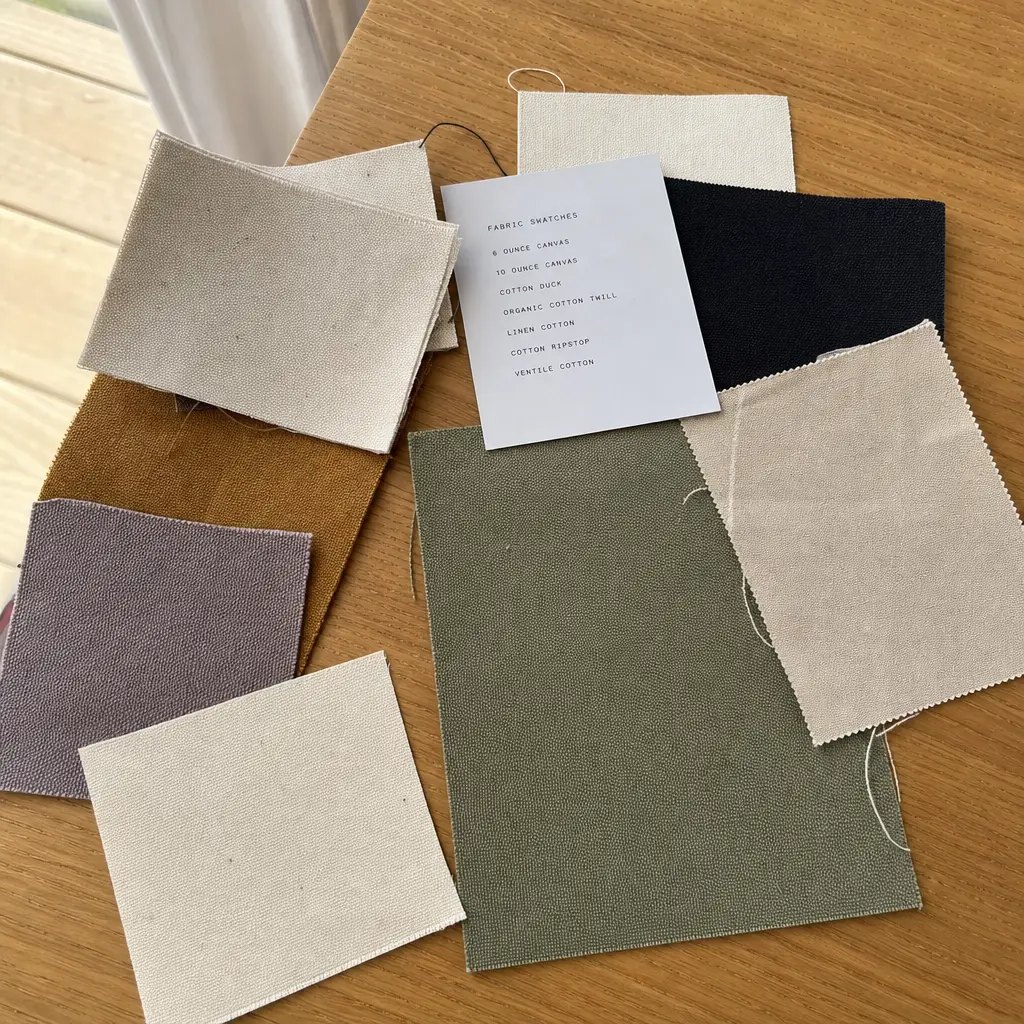
- Material swatch should show jute GSM, lamination, shade, stiffness, and odor condition.
- Print strike-off should show ink coverage, line clarity, color, and rub resistance.
- Fit sample should confirm size, gusset, handle drop, and standing shape.
- Pre-production sample should represent the final approved construction and packaging.
- Keep one approved sample at the buyer side and one at the factory side for comparison.
QC Thresholds for Bookstore-Grade Jute Totes
Quality control for jute tote bags must allow for natural fiber variation while still protecting retail presentation. Slight shade variation and small slubs are normal in jute, but stains, oil marks, strong odor, broken yarns, loose handles, poor print registration, and distorted panels should not be treated as acceptable natural character. The inspection standard should separate natural texture from actual defects.
For bookstore use, load testing and visual inspection both matter. A tote that looks beautiful but fails under textbooks is not acceptable. A strong tote with crooked logos and dirty panels is also not acceptable for retail shelves. Acceptance criteria should be written before production starts so the factory, inspector, and buyer are not negotiating quality after cartons are finished.
- Measure fabric GSM from production material within agreed tolerance.
- Test finished bag load using the agreed weight and duration.
- Inspect handle stitching for skipped stitches, loose ends, and uneven reinforcement.
- Check print alignment, ink coverage, smudging, and color consistency across cartons.
- Reject strong chemical odor, moisture marks, mold risk, and delamination.
- Compare carton-packed goods to the approved sample after unpacking and airing briefly.
Packing and Carton Planning Affect the Final Bag
Jute tote packing is not only a logistics detail. Over-compression can crease laminated panels, deform gussets, and bend handles in a way that makes the bag look tired before it reaches the bookstore. Under-filled cartons waste freight space and can collapse in transit. The right packing plan balances carton efficiency with the need for clean shelf presentation.
Flat packing is common, but the fold line should not cut across the main logo if the lamination is stiff. Inner polybags may protect against moisture, but some buyers want reduced plastic. If plastic is limited, the carton liner, moisture control, and warehouse conditions become more important. For campus receiving, carton marks should clearly separate designs, departments, purchase orders, and quantities so staff do not open every carton during a busy season.
- Define pieces per inner bundle and pieces per export carton before confirming freight estimates.
- Set maximum carton weight that the bookstore or warehouse can handle safely.
- Use moisture protection for ocean freight or long storage periods.
- Avoid folding through the printed logo on laminated jute when possible.
- Require carton marks by design, PO, quantity, color, and destination department.
Specification comparison for buyers
| Spec decision | Recommended option | When it fits | Buyer risk to check |
|---|---|---|---|
| Body fabric weight | 280-320 GSM laminated jute for most bookstore retail totes | Good balance for books, apparel, gifts, and paid checkout bags without becoming too stiff | Low GSM may collapse under textbooks; high GSM can raise freight cost and make folding cartons bulky |
| Premium body fabric | 340-380 GSM jute or jute-cotton blend | Alumni merchandise, gift sets, limited bookstore drops, or bags sold as reusable lifestyle items | Buyer must approve handfeel and panel flatness because heavy jute can look wavy after lamination |
| Budget body fabric | 220-260 GSM jute with reinforcement at stress points | Orientation giveaways, event bags, or low-load apparel purchases | Not ideal for heavy books unless handle stitching, bottom strength, and load test are tightened |
| Inner backing | Food-safe or retail-grade lamination if moisture resistance and structure are needed | Bookstores selling drinkware, stationery, apparel, and campus gifts in mixed baskets | Glossy lamination can change print appearance and create odor concerns if not aired before packing |
| Handle type | Cotton webbing or padded jute handle, 2.5-3.8 cm width | Campus buyers want comfortable carry for books and branded merchandise | Thin rope handles may look rustic but can dig into hands and fail bookstore load expectations |
| Print method | Screen print for solid logos; heat transfer only for detailed multi-color artwork | University seals, mascot marks, department logos, and bookstore branding | Jute texture reduces fine detail; artwork needs minimum line thickness and controlled ink coverage |
| Bottom construction | Box gusset with reinforced lower corners | Bags expected to stand at checkout or hold textbooks, hoodies, notebooks, and bottles | Flat totes are cheaper but less useful for bookstore baskets and can distort printed logos when loaded |
| MOQ logic | Consolidate sizes and vary print only when possible | Multiple campus departments share one bag body but use different logos or event marks | Too many body sizes split fabric purchasing and increase setup cost, sampling time, and leftover stock |
| Packing method | Flat pack with moisture barrier and carton compression limits | Long ocean freight routes or warehouse storage before semester opening | Over-compressed cartons can crease laminated jute, bend handles, and create poor shelf presentation |
Buyer checklist before sampling
- Define the expected load: single apparel purchase, mixed bookstore basket, or heavy textbook use.
- Specify body fabric weight in GSM and whether the jute is laminated, unlaminated, or blended.
- State finished bag size, gusset depth, handle width, handle length, and reinforcement method.
- Provide logo artwork with Pantone references, minimum line thickness, and print position tolerance.
- Require a pre-production sample using bulk fabric, bulk handle material, and final print method.
- Set load test criteria, seam allowance, stitch density, and handle pull strength before PO release.
- Confirm carton quantity, flat or folded packing, inner polybag policy, moisture protection, and carton marks.
- Request quote separation for fabric, printing, handles, packing, tooling or screen charges, and freight basis.
- Lock the approval timeline around semester launches, orientation events, and bookstore receiving windows.
- Keep one approved sample sealed for final inspection comparison.
Factory quote questions to send
- What GSM options are available for natural jute, laminated jute, and jute-cotton blend in the required bag size?
- Is the quoted fabric weight measured before or after lamination, and what is the normal tolerance?
- Which handle material and width are included in the quote, and what handle pull test can the factory support?
- What print method is quoted for the university logo, and how many colors, screens, or transfer films are included?
- Can the factory show previous jute tote samples with similar logo detail, not only digital artwork approvals?
- What is the MOQ per bag body, per fabric color, and per print design if several campus departments order together?
- What sample types are included: material swatch, print strike-off, fit sample, and pre-production sample?
- How many pieces fit per export carton, what is the estimated gross weight, and how are creases controlled?
- What production lead time starts after which approval: deposit, artwork, fabric booking, or pre-production sample sign-off?
- What inspection standard will be used for stains, odor, loose fibers, print registration, seam strength, and carton moisture?
Quality-control points to confirm
- Fabric GSM should be checked from bulk material, with tolerance agreed before production rather than judged by handfeel only.
- Finished size should be measured empty and flat, including width, height, gusset, handle drop, and print placement.
- Handle attachment needs reinforced stitching, consistent bar tack or cross stitch pattern, and no skipped stitches at stress points.
- Print should be tested for coverage over jute texture, edge sharpness, rub resistance, and acceptable color shift from Pantone target.
- Lamination should be even, without bubbling, delamination, heavy odor, or sharp cracked creases after folding.
- Load testing should reflect bookstore use, not only light promotional carry; define weight, duration, and pass or fail condition.
- Cartons should be dry, clean, correctly marked, and packed to avoid crushing bottom gussets or bending handles.
- Random inspection should compare final goods against the sealed approved sample for fabric shade, stiffness, logo scale, and workmanship.