The inspection problem in hotel retail jute totes
Hotel retail buyers usually approve jute tote bags because the material looks natural, supports resort or spa positioning, and has enough stiffness for shelf display. The common problem is that the bag is treated like a simple promotional item during sourcing, then inspected like a retail product only at the end. That gap creates avoidable disputes: the jute shade is not what the hotel team expected, the logo looks rough, the handles feel weak, or the cartons arrive with front panels crushed.
A useful inspection checklist must connect the retail use case to the manufacturing details. A bag sold in a hotel boutique needs better shelf appearance than a giveaway bag, and a tote placed inside a guest room cannot smell damp or chemical. The RFQ should therefore define fabric weight, lamination, logo method, load target, packing style, and approval samples before price comparison starts.
- Use one approved reference sample as the inspection standard, including fabric shade, logo scale, handle drop, and packing fold.
- Separate natural jute characteristics from true defects; slubs are normal, holes and oil stains are not.
- Inspect both function and presentation because hotel retail combines guest use, brand image, and resale margin.
- Do not accept a low quote unless the supplier states GSM, lamination, print method, packing quantity, and carton CBM.
Define the retail use before choosing the specification
The first QC decision is not the logo or price. It is the expected use of the bag. A small spa product bag carrying candles and bath salts has different stress points from a beach tote carrying towels and sunscreen. A welcome amenity tote left in the room may need a cleaner odor profile and better folding presentation, while a gift shop tote must stand well on a shelf and survive repeated guest handling before purchase.
Hotel procurement teams should write the use case into the RFQ. Include expected load, product category, display method, target retail price band, and whether the bag is sold empty or packed with merchandise. This helps the factory recommend the right fabric weight, handle style, gusset, and packing method rather than quoting the cheapest jute tote that matches the outside dimensions.
- Light boutique tote: suitable for cosmetics, small accessories, and paper goods; focus on neat print and shelf shape.
- Spa or amenity tote: suitable for guest room kits; focus on odor control, clean packing, and soft but secure handles.
- Beach or resort tote: suitable for towels and bottles; focus on gusset strength, handle pull resistance, and bottom reinforcement.
- Premium retail tote: suitable for paid merchandise; focus on fabric consistency, label details, closure quality, and carton protection.
Fabric weight and jute construction acceptance criteria
Jute fabric is not uniform like polyester canvas. Yarn thickness, slub frequency, shade, and weave tightness vary by batch. That is why a hotel retail order should not specify only “natural jute.” A practical RFQ uses GSM or ounce weight, lamination status, weave appearance, and acceptable shade range. For structured retail totes, many buyers choose around 340-420 GSM or 13-15 oz jute, depending on bag size and desired firmness.
The inspection team should measure fabric weight from approved bulk material, not only from finished bags. If lamination is included, clarify whether the stated GSM refers to jute only or laminated fabric. For laminated jute totes, inspect for bubbling, cracking, edge peeling, and uneven stiffness. For unlaminated jute totes, inspect for excessive looseness, distortion, and yarn gaps that can make the logo look broken.
- Recommended retail range: 340-420 GSM for many structured hotel tote applications, adjusted by size and load.
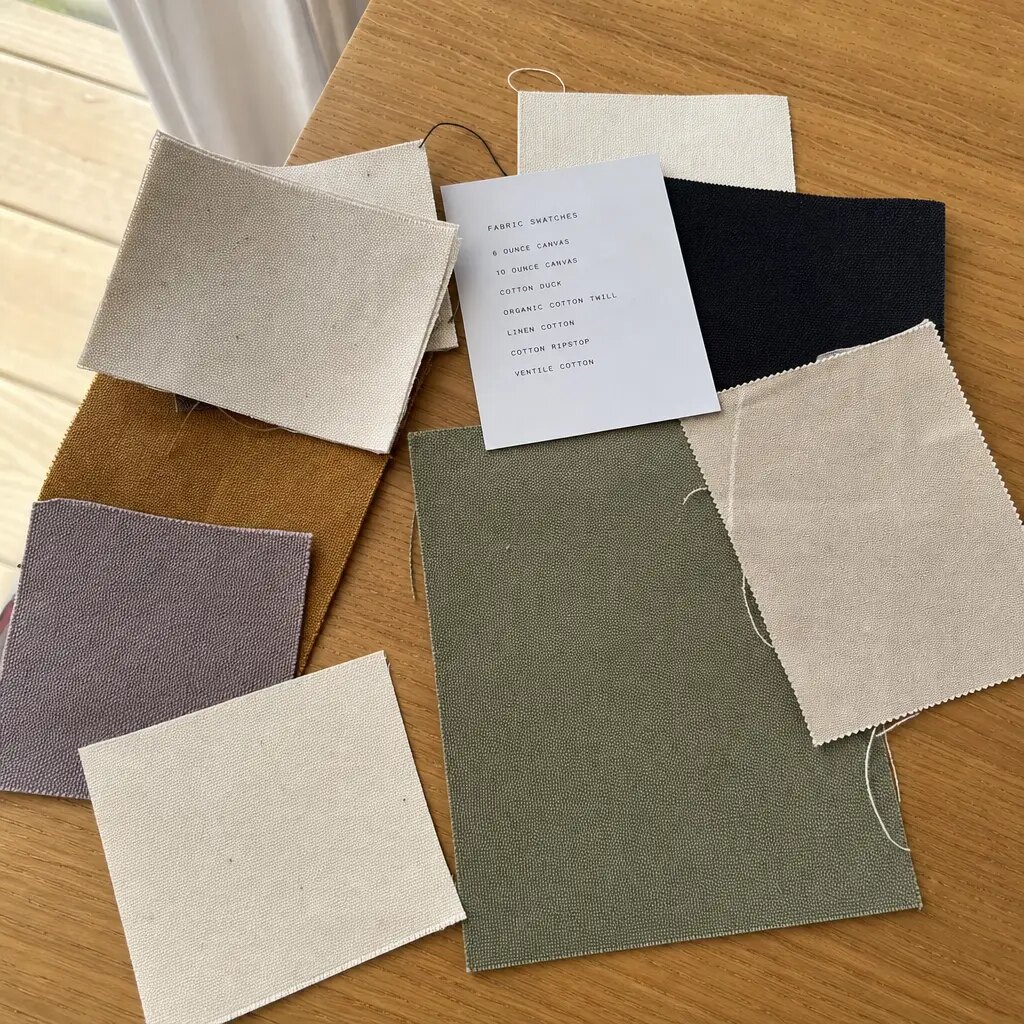
- Shade control: approve a physical swatch range because natural jute may shift from golden tan to grey beige.
- Weave control: reject large holes, missing yarns, severe banding, heavy knots on logo area, and panel distortion.
- Lamination control: reject strong odor, peeling corners, visible bubbles, brittle cracking, and uneven gloss.
Logo printing checks for rough natural surfaces
Logo quality is one of the biggest reasons hotel retail buyers reject jute tote bags. Jute has an uneven surface, so fine text, thin lines, and delicate gradients do not behave the same way as they do on cotton canvas. Screen printing works well for solid hotel marks, resort names, icons, and simple one to three color artwork. Heat transfer can support finer detail, but it may look less natural and should be checked for edge adhesion and long-term flexing.
For inspection, the buyer should define logo position tolerance and visual acceptance criteria before mass production. A realistic tolerance may allow small variation because panels are sewn and handled manually, but a logo that tilts visibly on the front panel or crosses a seam should be rejected. Pantone matching should be judged against an approved printed sample, not only a digital file, because jute color affects perceived ink color.
- Minimum line width: avoid very thin strokes; test fine marks on actual jute before approving bulk artwork.
- Print position: define distance from top seam, side seam, and bottom edge, with an agreed tolerance.
- Ink coverage: reject heavy bleeding, patchy fill, ghosting, double images, and major pinholes in solid areas.
- Rub resistance: use a simple dry and damp rub test when bags may contact towels, garments, or guest clothing.
Handle, seam, and load testing for guest use
A jute tote can look acceptable on a table but fail when a guest carries towels, bottles, or books. Handle design is therefore a functional QC point, not a styling detail. Cotton webbing handles are comfortable and printable in some cases. Jute webbing keeps a natural look but may feel rougher. Rope handles can feel premium, but the anchoring method must be strong and consistent.
The factory should state the stitch construction at handle attachment points. For hotel retail use, reinforced box stitching, cross stitching, or extended handle tape into the body is usually safer than a few straight stitches on the top hem. Inspection should include static load testing, seam tension review, and visual checks for skipped stitches. If the buyer expects the bag to carry 5 kg, the sample should prove more than a short showroom carry test.
- Handle drop: specify the finished drop so the bag works by hand or over shoulder as intended.
- Stress points: inspect handle bases, top hem, side seam intersections, bottom gusset corners, and closure attachment points.
- Thread quality: reject loose thread tension, skipped stitches, broken thread, and open seams at corners.
- Load test: define load weight and hold time in the purchase order or inspection protocol.
Sample approval that prevents bulk disputes
A proper pre-production sample should be built from the planned fabric weight, handle material, lining or lamination, logo method, closure, label, and packing style. A sample made from available leftover jute is useful only for shape discussion. It should not be used as the final approval for color, print absorption, stiffness, odor, or handle strength.
Hotel buyers often need approval from design, retail, procurement, and sometimes the property operations team. To avoid late changes, the supplier should receive consolidated comments. Mark the approved sample clearly and keep one sealed sample at the factory and one with the buyer or inspection company. During final inspection, the approved sample becomes the practical reference when the written tolerance does not fully capture appearance.
- Approve actual logo size and position on the finished bag, not on a loose fabric panel only.
- Record sample weight, handle drop, bag dimensions, closure function, label position, and packing fold.
- Photograph normal jute variation beside reject-level defects to align buyer, factory, and inspector.
- Freeze changes after sample approval unless the supplier recalculates cost, MOQ, and lead time.
MOQ and cost drivers hidden inside quality requirements
MOQ for jute tote bags is not only a factory preference. It is affected by fabric procurement, lamination, handle dyeing, printing screens, labels, carton setup, and labor line efficiency. A plain natural jute tote with one-color print may have a lower MOQ than a multi-color tote with custom dyed cotton handles, zipper closure, inner pocket, woven label, and individual retail packaging.
When comparing supplier quotes, buyers should check what the price includes. A lower unit price may exclude pre-production samples, screen charges, hangtags, barcodes, inner cartons, stronger export cartons, or inspection support. It may also assume a lighter fabric weight or fewer stitches at handle points. A serious quote should provide enough data for landed-cost comparison, not just FOB unit price.
- Fabric cost: heavier GSM, tighter weave, and lamination increase material cost and sometimes cutting waste.
- Printing cost: each color, screen, placement, and artwork revision can add setup and production time.
- Sewing cost: zipper, inner pocket, reinforced bottom, piping, and shaped gusset increase labor minutes.
- Packing cost: individual polybags, tissue, hangtags, barcodes, and stronger cartons increase both unit cost and CBM.
- MOQ logic: custom materials and colors usually require higher quantity than standard natural jute and stock handles.
Packing inspection for shelf-ready hotel merchandise
Many jute tote quality complaints are created after sewing, not during sewing. Flat bags packed too tightly can arrive with permanent creases, bent corners, distorted gussets, and pressure marks in laminated jute. If printed panels touch each other before the ink fully cures, there can be print transfer or scuffing. For hotel retail, the carton plan affects shelf appearance and should be reviewed before production closes.
The packing instruction should state whether each bag is flat packed, folded, individually polybagged, paper interleaved, tagged, barcoded, or packed into inner cartons. Buyers trying to reduce plastic can use paper bands or bulk packing, but they still need moisture control and abrasion prevention. Cartons should be sized so bags do not move excessively but are not crushed under compression.
- Carton data: request pieces per carton, carton size, gross weight, net weight, and CBM before booking freight.
- Moisture control: avoid packing damp jute; use dry cartons and consider desiccants for long ocean shipments.
- Retail presentation: protect the front logo panel and keep hangtags or barcode labels visible and consistent.
- Carton strength: use export-grade cartons suitable for stacking, handling, and hotel distribution warehouses.
Lead time risks and inspection timing
Jute tote lead time depends on material availability, sample approval speed, printing complexity, sewing capacity, and packing requirements. A buyer who approves artwork late or changes logo color after strike-off approval can lose the original production slot. Hotel retail programs often have opening dates, seasonal campaigns, or property launch schedules, so the production timeline should be managed with checkpoints instead of a single delivery date.
Inspection timing matters. Incoming material checks catch fabric shade, GSM, odor, and lamination problems before cutting. In-line inspection catches sewing and logo placement issues while they can still be corrected. Final inspection confirms quantity, workmanship, packing, carton marks, and shipment readiness. For a high-visibility hotel retail order, relying only on final inspection is risky because rework after packing can damage schedule and carton presentation.
- Material booking: confirm fabric, lamination, handles, labels, and packaging before sample approval is treated as final.
- Print strike-off: approve logo on actual jute, especially for fine lines, light ink, or multi-color registration.
- In-line check: review first bulk pieces for size, handle position, seam strength, and logo placement.
- Final inspection: perform only after full quantity is packed or according to the agreed inspection percentage.
Quote data needed for landed-cost comparison
A hotel retail buyer cannot compare jute tote suppliers using unit price alone. Freight cost can change significantly based on carton dimensions, packing method, and whether bags are shipped flat or shaped. A slightly cheaper bag with low carton efficiency may cost more after ocean freight, warehouse handling, and repacking. The quote should include enough information for procurement and logistics to calculate landed cost before the order is placed.
The quote should also identify assumptions. If the price is based on natural jute without lamination, one-color print, standard cotton handles, no hangtag, bulk carton packing, and a certain MOQ, those assumptions should be visible. When another supplier quotes laminated jute, individual polybags, reinforced handles, barcodes, and stronger cartons, the prices are not equivalent. A clean comparison sheet prevents the buyer from choosing the wrong supplier for the wrong reason.
- Essential quote fields: FOB price, MOQ, fabric GSM, lamination, handle type, logo method, size, closure, and packing.
- Freight fields: carton size, pieces per carton, gross weight, net weight, CBM, and expected container loading quantity.
- Retail fields: hangtag, barcode, care label, woven side label, individual packaging, and shelf display requirements.
- Commercial fields: sample cost, sample lead time, bulk lead time, payment terms, inspection window, and validity date.
Specification comparison for buyers
| Spec decision | Recommended option | When it fits | Buyer risk to check |
|---|---|---|---|
| Body fabric weight | 13-15 oz jute or 340-420 GSM laminated jute for structured hotel retail totes | Gift shop, spa boutique, welcome amenity, and in-room retail where the bag must stand upright | Too-light jute collapses on shelf and may show open slubs, weak yarns, and uneven print absorption |
| Lamination choice | Inner PP lamination for shape and moisture resistance; unlaminated only for a softer eco look | Hotel retail bags holding towels, slippers, books, wine, or resort merchandise | Poor lamination can bubble, crack at folds, smell strongly, or delaminate after carton compression |
| Handle construction | Cotton webbing, jute webbing, or padded rope with reinforced box stitch | Premium hotel boutiques where guests may carry 3-6 kg of merchandise | Handles sewn only into the top hem can tear unless the stitch pattern and thread count are specified |
| Logo method | Screen print for solid 1-3 color logos; heat transfer only for fine gradients; woven label for understated branding | Hotel logos, spa marks, resort coordinates, or co-branded retail programs | Heavy ink on rough jute can bleed into yarn gaps; fine serif text may fill in or break |
| Top closure | Open top for lower cost; magnetic snap, zipper, or cotton tie for higher perceived value | Open top suits gift shops; zipper or snap suits guest amenity kits and travel retail | Added closures change sewing time, MOQ, carton thickness, and inspection points |
| Sample approval | Pre-production sample using actual jute lot, actual logo color, handle, lining, and packing method | Any retail order where shelf appearance and logo accuracy matter | A showroom sample made from substitute fabric is not reliable for print color, shrinkage, odor, or handle strength |
| Inspection level | AQL inspection with critical defects at zero tolerance and functional defects checked by pull and load tests | Importers, distributors, and hotel procurement teams buying repeat seasonal programs | Only visual inspection misses weak seams, handle tearing, carton crushing, and ink rub-off |
| Packing format | Flat packed with paper interleaving or light shaping support; carton size matched to avoid deep compression | Hotel retail programs needing clean shelf presentation on arrival | Over-tight cartons cause creases, bent corners, lamination marks, and distorted front panels |
Buyer checklist before sampling
- Define finished bag size with tolerance, not only nominal size; include width, height, gusset, handle drop, and whether dimensions are measured flat or open.
- Specify jute weight in GSM or oz plus lamination status, because a quote for natural jute without fabric weight cannot be compared fairly.
- Request photos or swatches of the actual jute lot before bulk cutting when the bag will sit next to hotel-branded merchandise.
- Set logo artwork limits for jute, including minimum line width, smallest readable text height, Pantone reference, print position, and acceptable print offset.
- Require handle pull testing based on the intended load, such as 5 kg for light boutique use or higher if towels, books, or bottles are packed.
- Approve a pre-production sample with actual print, handle, lining, closure, label, hangtag, polybag, and carton packing before releasing mass production.
- List critical defects separately: mold, strong odor, wrong logo, sharp metal parts, loose needle fragments, major stains, handle detachment, and carton water damage.
- Define acceptable natural jute variation so inspectors do not reject normal slubs but do reject holes, broken yarns, oil marks, and severe color banding.
- Confirm carton weight, carton dimensions, flat-pack method, inner quantity, and whether bags need shelf-ready folding or individual polybags.
- Ask for lead time split by material booking, sample approval, printing, sewing, inspection, and export packing, not only one total production day count.
Factory quote questions to send
- What jute fabric weight, weave type, and lamination thickness are included in this quote?
- Is the quoted sample made from the same fabric lot and handle material planned for bulk production?
- What is the MOQ for this exact size, fabric weight, handle type, logo method, lining, and closure combination?
- How many print colors are included, and what is the surcharge for each additional screen or logo position?
- What finished size tolerance, print position tolerance, and handle drop tolerance will your QC team apply?
- Which defects are treated as critical, major, and minor during final inspection?
- Can you perform handle pull, static load, ink rub, odor, and carton drop checks before shipment?
- What packing method is included: flat pack, individual polybag, paper wrap, inner carton, master carton, or retail hangtag?
- What are the estimated carton dimensions, gross weight, CBM, and pieces per carton for freight calculation?
- What production schedule do you propose after artwork approval, sample approval, deposit, and packaging confirmation?
Quality-control points to confirm
- Fabric GSM must match the approved specification within the agreed tolerance, commonly plus or minus 5-8 percent depending on fabric availability.
- Jute panels should not show holes, severe broken yarns, heavy oil marks, mold, wet smell, or visible lamination bubbling.
- Finished bag size should stay within the agreed tolerance, with gusset and handle drop measured consistently from approved sample method.
- Logo print must match approved color standard as closely as the jute surface allows, with no serious bleeding, ghosting, pinholes, or misregistration.
- Handle stitching should include reinforced stitching at stress points and pass the agreed static load or pull test without tearing.
- Seams, bottom corners, and gusset joins should be checked for skipped stitches, loose threads, open seams, and weak thread tension.
- Metal snaps, eyelets, zippers, or magnetic closures should be aligned, secure, rust-free, and functional after repeated opening.
- Odor should be controlled before packing; strong chemical, mold, or damp fiber smell should trigger hold and rework discussion.
- Packing should protect front panels from deep creases, print transfer, moisture, carton abrasion, and over-compression.
- Carton marks, SKU labels, quantity, hangtags, barcodes, and retail packaging should match the buyer’s packing instruction.