Why fabric weight matters first
For natural grocers, the fabric weight decision is not cosmetic. It changes how the bag stands on shelf, how it carries produce and pantry goods, and how the print reads on a coarse jute surface. A thin bag may save a little on paper, but it tends to look loose, wrinkle hard, and feel underbuilt when a customer loads it at checkout.
A practical way to source jute tote bags is to start with the use case, then move to GSM. If the bag is a resale item or a premium reusable shopping tote, a mid-to-heavier construction usually makes more sense. If it is a giveaway or low-cost add-on, you can stay lighter, but you still need enough body to hold shape and survive packing and transport.
- Retail resale tote: favor a more structured jute body with cleaner edges and stronger handles.
- Giveaway tote: accept a simpler build, but keep the print area large and the artwork bold.
- Weekly grocery use: prioritize load strength, seam reinforcement, and base stability over decorative detail.
Pick the GSM range that matches the channel
Most buyer mistakes start with treating all jute as the same material. It is not. A 320 GSM bag behaves very differently from a 450 GSM bag in hand feel, drape, and cost. The lighter end can work for promotional programs, but the bag should still feel intentional, not flimsy. The heavier end helps with structure and premium perception, but it adds cost and can make sewing slower.
For natural grocers, a mid-range fabric often gives the best balance. It supports grocery loads, carries a respectable retail look, and gives the printer a stable surface without pushing the bag into a high-cost tier. If the bag includes lamination, canvas lining, or a rigid insert, the fabric choice should be reviewed together with those features because the combined build can change the final hand feel more than GSM alone.
- 320-380 GSM: common starting range for practical retail totes and promotional grocery bags.
- 400+ GSM: better for premium retail presentation, heavier carry loads, and structured silhouettes.
- Lower GSM only works if the buyer accepts a softer bag and has confirmed print readability on the weave.
Compare sourcing routes before you quote
Not every supplier route gives you the same control. A factory-direct quote is usually the cleanest path if you need repeatability, because the same team that cuts, sews, and packs the bags owns the spec. If you are relying on a trading route, the quote may look simple but hide the real factory, which makes sample ownership and change control harder.
For brand programs, the best route is often the one that lets you lock the final build before bulk cutting. That matters more than chasing the lowest unit line. If you need decoration support, some factories can handle print in-house and outsource only specialty labeling. That is usually easier to manage than splitting production across multiple vendors.
- Factory-direct: better for stable repeat orders and tighter spec control.
- Trading company: useful when you need multi-category sourcing, but verify the real production site.
- Hybrid route: acceptable when print or label work requires a specialist, as long as responsibility is written down.
Use the comparison table to avoid false savings
The cheapest jute tote quote can turn expensive once you add reinforcement, packing, and print setup. That is why a buyer should compare not just the bag size, but the build path behind the quote. Two bags that look similar on a spec sheet can behave very differently in production and in use.
The table below is built for procurement decisions, not catalog browsing. Use it to align the quote with the channel: grocery retail, private label resale, promotional distribution, or seasonal campaign. The goal is to make the supplier expose the real cost drivers before you place the order.
- Compare the same fabric weight, same print count, and same handle construction across all quotes.
- Ask for carton dimensions and gross weight so you can compare freight impact, not just factory price.
- Treat labeling and packing as part of the product, not afterthoughts.
Print method should match weave, budget, and art
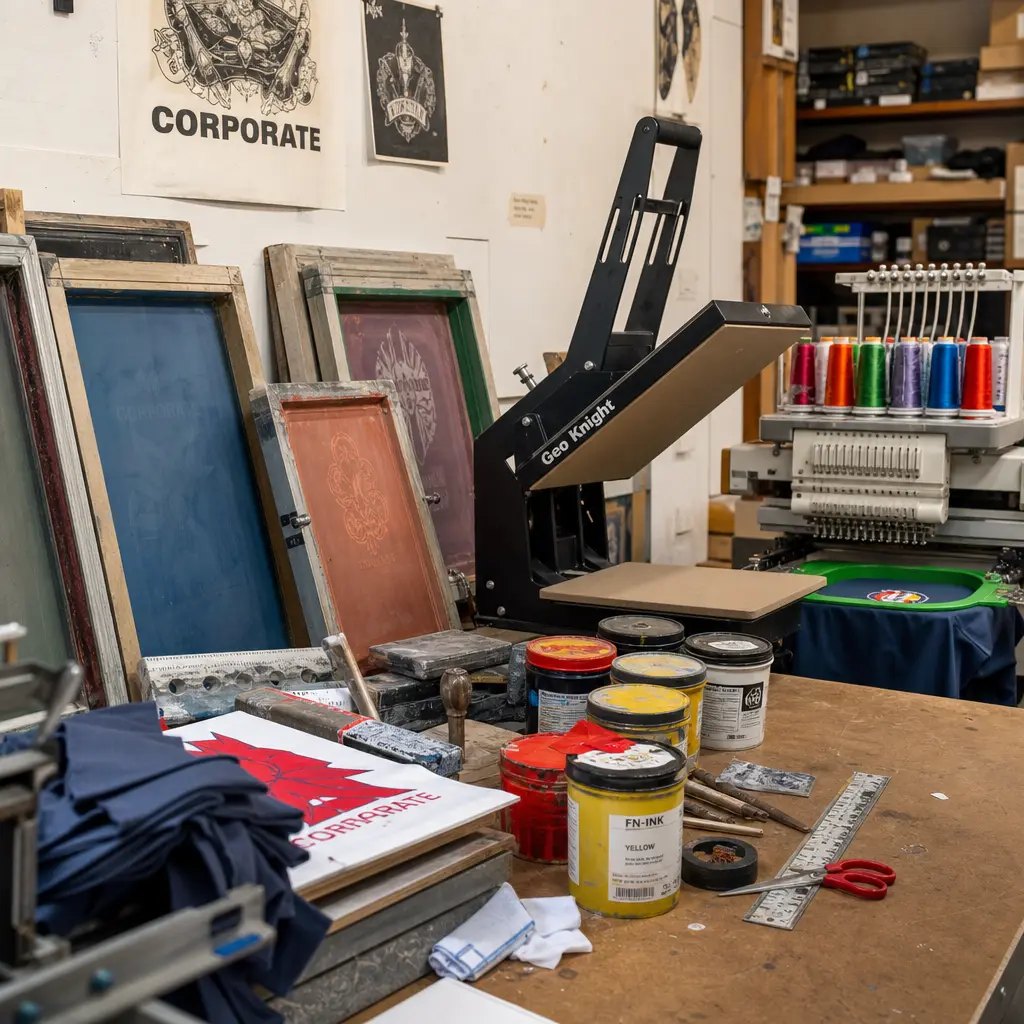
Jute is forgiving for bold graphics and basic branding, but it is not a smooth substrate. If your artwork depends on fine type or tight registration, coarse weave will expose the weakness. For most natural grocer programs, a one- or two-color screen print is the most practical choice because it is durable, cost-controlled, and readable from a distance.
If the bag is meant to look more retail-ready, a sewn label, woven patch, or a small embossed detail can elevate the product without making the print line more complicated. That said, each added decoration step increases inspection points and can extend lead time. Keep the artwork simple enough that the factory can repeat it cleanly across the full batch.
- Screen print: best for bold logos, short copy, and controlled MOQ.
- Woven label or sewn patch: useful when shelf identity matters more than large graphics.
- Heat transfer or complex multicolor art: only use if the supplier has proven the surface can hold detail cleanly.
MOQ logic should follow design complexity
MOQ is not just a factory preference; it is a function of setup time, fabric utilization, and decoration complexity. A single print layout on one fabric weight is easier to scale than a program with multiple colors, handles, and size splits. Once the order has too many variants, the fabric planning gets messy and the probability of mismatched cartons rises.
For a first order, keep the spec narrow enough to test sell-through. One body size, one handle color, one print version, and one packing standard is usually enough to judge market response. If the program works, a second run can add variations with less risk and better price leverage.
- One spec stack makes sampling, cutting, and packing easier to control.
- Multiple SKUs should only be added when they create real shelf or channel value.
- A modest MOQ tied to one repeatable build is better than a low price on an unstable spec.
Sample approval should test the real failure points
A sample is not approved just because it looks close. For jute tote bags for natural grocers, sample approval should confirm the actual pain points: print clarity on textured fabric, stitch strength at the handle anchor, and the way the bag stands when partially filled. Those are the things buyers regret skipping.
Request a pre-production sample built from final fabric and final trims. Then load it with realistic grocery weight, not just paper or empty handling. Compare the sample against the measured spec sheet, and note where the acceptable tolerance ends. If the supplier cannot reproduce the sample cleanly, the bulk run is not ready.
- Measure body width, height, gusset, and handle drop against the approved spec.
- Inspect print placement from a normal viewing distance, not only at close range.
- Test one or two loaded lifts to expose seam weakness before cutting bulk stock.
Packing and moisture control can change arrival quality
Jute absorbs and holds the environment around it. That means packing is not a cosmetic line item. If cartons travel through humid lanes or sit in storage, the bags can pick up odor, waviness, or carton marks that hurt presentation at receipt. Buyers often discover this only when the first warehouse opening happens.
The packing plan should fit the route. Short domestic movement may tolerate simpler carton packing. Long export lanes, ocean freight, or warehouse staging usually benefit from moisture protection and tighter carton discipline. If the bag is retail-ready, ask whether inner poly, desiccant, or carton liners are warranted for the transit profile.
- Define pieces per carton and keep it consistent across all shipments.
- Confirm carton size, gross weight, and stackability before shipment booking.
- Use moisture protection when the route or storage environment makes it sensible, not by habit.
Build a landed-cost view, not a unit-price illusion
The right question is not whether one factory quoted a lower piece price. The right question is what the fully landed bag will cost once you add printing, cartons, freight, duties, local handling, and any split charges for labeling or consolidation. Jute bags can look cheap at ex-works level and then move into a less attractive bracket after packing and shipping are added.
For a natural grocer program, landed cost should be compared against expected shelf price or promotional value. If the bag is a paid retail item, a higher-spec build can still win if it supports a better margin and fewer complaints. If it is a giveaway, you may choose a lighter fabric or simpler decoration, but only if the bag still survives the intended use.
- Ask for pricing at multiple quantities so you can see the real breakpoints.
- Separate base bag cost from print, packing, testing, and freight.
- Use the same assumptions across quotes or the comparison will be misleading.
What to put in the RFQ
A useful RFQ for jute tote bags does not need to be long. It needs to be specific in the places that drive cost and quality. If the supplier has to guess the fabric weight, decoration method, packing format, or carton count, the quote will not be reliable enough for procurement decisions.
Keep the request focused on the commercial path you actually want. If the bag is for natural grocers, say whether it is a resale tote, promotional bag, or checkout add-on. That framing helps the factory choose the right reinforcement, print method, and finishing level without overbuilding the product.
- Include target dimensions, GSM, handle style, print colors, and any label or patch requirement.
- State whether the first order must be repeatable for a second run.
- Request lead time from sample approval, not from inquiry date.
Specification comparison for buyers
| Spec decision | Recommended option | When it fits | Buyer risk to check |
|---|---|---|---|
| Body fabric weight | 320-380 GSM jute | Main retail tote program for natural grocers that want a structured bag with a clean print surface | Too light and the bag softens or wrinkles badly; too heavy and unit cost rises without much merchandising benefit |
| Bottom and side reinforcement | Extra canvas or jute base insert with bar-tacked handles | When the bag will carry produce, pantry items, or repeated weekly grocery loads | Weak seams usually show up after the first heavy fill test, not on first visual approval |
| Print method | 1-2 color screen print on one side | Simple logo programs, private label retail, and lower MOQ orders | Fine detail, gradients, and small text can break up on coarse jute weave |
| Brand presentation | Woven side label or sewn logo patch plus front print | When the bag is sold as a retail item and needs stronger shelf identity | Label placement, stitch quality, and edge fray must be approved before bulk |
| Supplier route | Factory-direct with local decoration partner if needed | When the order needs controlled unit cost and consistent repeat production | Middlemen can hide factory capacity limits, delayed sample handoff, or extra handling charges |
| MOQ strategy | Start with a balanced MOQ tied to one print layout and one handle spec | When you need price discipline but still want a test run for sell-through | Too many variants split production and increase fabric waste, carton mix-ups, and artwork risk |
| Packing method | Bulk packed by size/color with inner poly if moisture exposure is likely | When cartons move through humid warehouses or long transit lanes | Moisture, odor, and carton compression can affect jute appearance on arrival |
| Lead time control | Sample approval locked before fabric cutting | When the retailer has a fixed promotion window or seasonal launch date | If approvals slip, the order often loses the shipping window and forces air freight or a delayed launch |
| Landed-cost route | Compare FOB factory, local warehousing, and delivered pricing with carton volumes included | When you need a real margin view instead of a unit price only | A low unit quote can hide high packing, print, inland, or consolidation charges |
Buyer checklist before sampling
- Confirm final bag size, gusset, handle drop, and usable loading weight.
- Specify fabric type, GSM/oz weight, color tolerance, and shrinkage expectations.
- Send vector artwork and define logo size, print position, and Pantone references.
- Ask for sample photos plus one physical pre-production sample before bulk approval.
- Agree carton packing, barcode or hangtag needs, and shipment marks before production.
- Record inspection checkpoints for stitching, print adhesion, stains, and quantity count.
Factory quote questions to send
- What GSM jute fabric are you quoting, and is that finished fabric weight or raw cloth weight?
- Does the quote include handles, base reinforcement, stitching, print setup, and carton packing, or are any of those extras?
- What is your MOQ per colorway and per print design, and how does the unit price change at 500, 1,000, and 3,000 pieces?
- What sample stage will you provide before bulk cutting, and what dimensions and print tolerances will the sample be held to?
- How many pieces fit per carton, what is the carton size and gross weight, and is moisture protection included?
- What is the standard production lead time after sample approval, and what parts of the schedule are outside your control?
Quality-control points to confirm
- Fabric weight should match the quoted GSM within an agreed tolerance, and the weave should be dense enough that the bag does not look sparse or open.
- Handle stitching should hold under a loaded lift test without seam pop, loose thread, or handle twist.
- Print should be centered, legible, and consistent across the batch, with no major ink bleed into the weave.
- Cut edges should be neat, seam allowance consistent, and corners shaped evenly from bag to bag.
- Cartons should arrive dry, intact, and packed to prevent crush marks, odor transfer, or visible abrasion.