Start With the Bottle Load, Not the Bag Picture
For liquor retail, the material decision starts with the product being carried. A tote that looks acceptable when empty can fail when it holds two glass bottles, a gift box, tissue paper, and a receipt envelope. The buyer should define the real load before discussing GSM, handle style, or print method. A single 750 ml bottle, two wine bottles, a boxed spirit bottle, and a mixed retail pack all create different stress points on the bottom gusset and handle seams.
The most useful RFQ gives the supplier the bottle diameter, bottle height, boxed or unboxed condition, target quantity per bag, and expected carry distance. If the tote is used as a counter gift bag, the buyer may prioritize standing shape and print appearance. If the tote is sold or reused by customers, handle comfort and seam strength become more important. This prevents a common mistake: quoting the cheapest generic jute tote, then discovering during sample approval that the bottle leans, the gusset collapses, or the handle feels too narrow.
- For one bottle, size the inner width around the actual bottle diameter plus clearance for easy loading.
- For two bottles, use a stable bottom gusset and consider an internal divider only if the retail program needs premium protection.
- For boxed spirits, confirm box dimensions and corner sharpness because box edges stress laminated jute differently than round bottles.
- For display bags, require a sample that stands upright with the intended product inside, not only an empty beauty sample.
Choose Jute Weight by Function and Freight Impact
Most liquor retail jute tote bags work best in the mid-weight range: about 13 oz to 15 oz jute, often around 370-425 GSM before lamination. Lighter jute can work for small promotional giveaways, but it usually loses shape faster and may show more uneven weave. Heavier jute can feel more premium, yet the buyer pays twice: first in fabric cost and then in carton weight and shipping volume. For bulk retail distribution, the right weight is the one that holds the bottles safely and presents the brand cleanly without wasting freight.
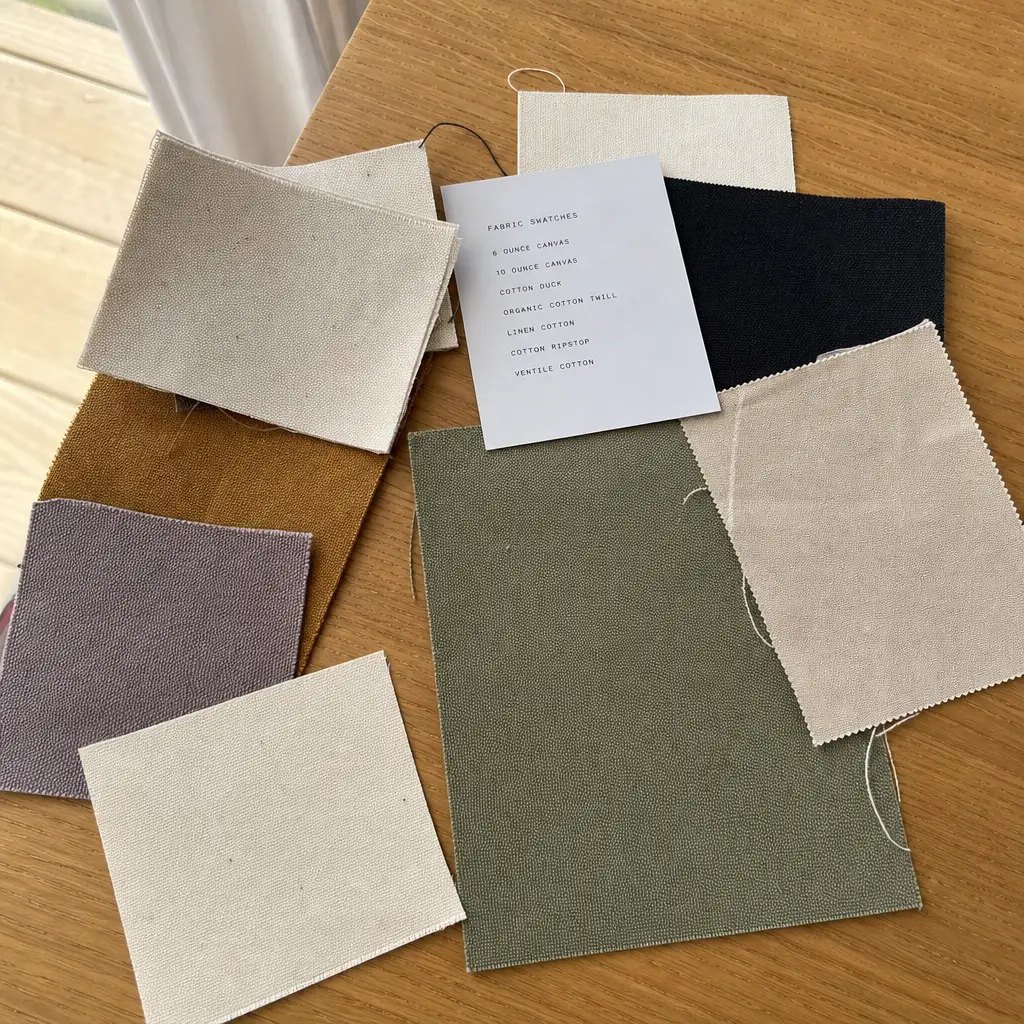
Buyers should be careful when comparing quotes because suppliers may express weight differently. One quote may list raw jute GSM, another may list laminated composite weight, and a third may use ounces per square yard. These are not automatically equal. A serious supplier can explain the basis and provide a material swatch or weighed panel sample. If the order is large, ask for the panel weight of a cut piece from the actual production roll. It is a practical way to catch fabric substitution before the full batch is sewn.
- Use 10-12 oz jute only for light giveaways where load and shape are not critical.
- Use 13-15 oz jute for most one-bottle and two-bottle liquor retail totes.
- Use 16 oz and above only when the buyer accepts higher unit cost, heavier cartons, and slower sewing.
- Compare quotes using the same fabric basis: raw jute weight, lamination thickness, and finished bag dimensions.
Laminated or Unlaminated Jute Changes the Whole Spec
Lamination is not just a finish choice. It changes the bag's stiffness, print surface, moisture behavior, fiber shedding, and packing recovery. Inner PP lamination is common for liquor retail because it helps the tote stand better and keeps loose jute fibers away from bottle labels and gift packaging. It also reduces the risk of a messy unpacking experience at the store. For natural, rustic brand positioning, unlaminated jute may look more authentic, but it needs stricter packing and handling control.
The tradeoff is feel and crease behavior. Laminated jute can show hard fold marks if cartons are over-compressed or stored under weight. It can also create odor concerns if the material is packed too soon after lamination or printing. Unlaminated jute breathes better and folds softer, but it absorbs moisture more easily and can look less structured on a shelf. The buyer should specify the lamination side and thickness, then approve a folded and packed sample rather than only a flat panel.
- Choose inner lamination when retail cleanliness, shape retention, and reduced shedding matter.
- Choose unlaminated jute when a softer natural hand feel is more important than sharp structure.
- Avoid vague terms such as 'eco jute look' because they do not define lamination, weight, or fiber quality.
- Include odor, peeling, bubbling, and crease checks in the sample approval record.
Handle Design Is the Main Failure Point
In liquor retail bags, the handle seam often fails before the fabric panel. A glass bottle load pulls directly on the handle attachment, especially when customers carry the bag from the store to a parking lot or hold multiple bags in one hand. Cotton webbing handles are practical because they are comfortable, printable if needed, and easier to stitch securely. Jute handles can match the body material but may feel rougher. Rope handles can look premium, but the attachment patch and hole reinforcement must be engineered, not guessed.
The RFQ should define handle width, finished drop length, stitch pattern, and reinforcement method. A short hand-carry handle may be enough for a wine shop gift tote, while a shoulder-length handle may suit reusable retail totes. Longer handles create more swing and more stress at the seam. The safest production standard is to use box stitching or X-box stitching with enough stitch density and a reinforcement patch on the inside when the bottle load is heavy.
- Specify handle width, such as 25 mm or 30 mm cotton webbing, instead of only saying 'strong handles'.
- Define handle drop, not only total handle length, because buyer comfort depends on usable clearance.
- Require load testing with filled bottles or equivalent weight, held long enough to reveal seam movement.
- Reject samples with loose stitch ends, skipped stitches, narrow seam allowance, or puckering around handle patches.
Print Artwork Must Be Designed for Jute Texture
Jute is not a smooth canvas. The weave is uneven, fibers are raised, and the natural base color affects ink appearance. For liquor retailers, screen printing is usually the most reliable method for one-color or two-color logos, solid brand marks, and simple campaign messages. A good screen print can look clean and commercial, but it will not reproduce tiny legal copy, thin serif fonts, or delicate gradients the same way paper labels do.
Heat transfer can help when artwork needs sharper edges or more colors, especially on laminated panels, but it may look less natural and can add cost. Digital printing is less common for true jute surfaces and should be tested carefully before bulk approval. Buyers should provide vector artwork, Pantone references, print size, placement from bag edges, and minimum acceptable readability. If the liquor brand requires exact color control, remember that natural jute is a variable base; a white underbase may help but changes cost and hand feel.
- Keep important strokes above 2 mm where possible for better readability on coarse jute.
- Use bold logos, simple typography, and limited colors for the cleanest mass-production result.
- Approve print on the actual jute and lamination construction, not on a substitute cotton panel.
- Set placement tolerance, commonly plus or minus 3 mm for front-panel logos on standard totes.
MOQ and Cost Drivers Behind the Quote
Jute tote bag pricing is driven by more than fabric weight. The main cost drivers are material width and waste, lamination, dyeing or bleaching, handle type, reinforcement, print color count, screen setup, sewing difficulty, packing method, and order split. Buyers often lose price leverage by dividing one program into many small logo versions, each with different dimensions, handle colors, and carton labels. A factory can usually price better when the body size and fabric remain common across SKUs.
MOQ should be understood by production constraint, not treated as a random number. There may be one MOQ for fabric purchasing, another for lamination, another for dyeing, and another for each print screen. A practical buying strategy is to standardize the bag body and vary the front logo, hangtag, or carton label. For distributor programs serving multiple stores, this keeps the tote consistent while allowing retail customization without restarting the full material process.
- Lowest MOQ usually comes from natural jute, standard size, standard handle, and one-color print.
- Dyed jute increases MOQ because color processing and shade control require batch efficiency.
- Multiple logo versions should be quoted with separate screen charges and shared material assumptions.
- Reinforced bottoms and dividers add sewing time, material handling, and inspection points.
Sample Approval Should Simulate Store Use
A jute tote sample should not be approved only because it photographs well. For liquor retail, the sample must be loaded, carried, packed, unpacked, and viewed under normal store lighting. The buyer should test the actual bottle or box configuration, then record whether the base stands flat, the handles twist, the side seams distort, and the logo remains visible when the bag is filled. This is where many problems appear before they become expensive bulk defects.
The approval sample also locks the commercial standard. Keep one signed sample with the buyer and one with the factory if possible. Mark the approved fabric weight, color shade, lamination, handle material, print size, print color, carton packing method, and any allowed tolerance. If the buyer approves a sample with a slightly crooked logo or weak handle, the factory may treat that as acceptable. The sample record should say what is approved and what must be corrected in bulk.
- Load the sample with the intended bottle weight plus a safety margin for handle testing.
- Measure finished dimensions at the top, middle, bottom, and gusset because jute can shift during sewing.
- Fold and pack the sample for several days to see whether lamination creases recover acceptably.
- Photograph the approved sample from front, side, bottom, handle attachment, inside lamination, and carton packing view.
Packing and Carton Planning Affect Retail Presentation
Jute bags are bulky compared with thin cotton pouches, and laminated jute does not always recover from hard compression. A quote that looks cheaper at unit level can become more expensive after carton volume is calculated. Procurement teams should request pieces per carton, carton size, gross weight, net weight, and CBM early, not after production. This is especially important when the bags ship with other promotional items or need to fit a fixed warehouse receiving plan.
For liquor retail programs, carton labeling also matters. Stores may receive several versions by brand, region, or promotion period. If carton marks are unclear, the warehouse can mix logo versions and delay rollout. Flat packing is efficient, but the fold line must not cross the main logo in a way that leaves a permanent crease. Moisture control is also important because jute can absorb humidity during storage and sea freight. Export cartons should be strong enough to protect shape without creating excessive air freight dimensional weight.
- Request carton dimensions and CBM before final budget approval.
- Avoid tight compression on laminated jute panels with front logo printing.
- Use clear carton labels showing PO, SKU, logo version, quantity, and carton number.
- Consider moisture-control packing for sea shipment, humid destinations, or long storage periods.
Lead Time Risks in Jute Bag Production
Lead time should be counted from final approval, not from the first inquiry. A realistic schedule includes material sourcing, lamination or dyeing, cutting, printing, drying, sewing, trimming, QC, packing, and export documentation. If artwork changes after the screen is made, or if the buyer changes from unlaminated to laminated jute after sampling, the schedule resets. For seasonal liquor promotions, this can be the difference between arriving before the campaign and becoming leftover inventory.
The highest schedule risks are nonstandard dyed jute, late artwork approval, revised sample rounds, multi-SKU packing, and overloaded production periods before major retail seasons. Buyers can reduce risk by approving a standard material library early, limiting logo variations, and agreeing on inspection criteria before production starts. The factory should provide a production timeline with approval gates and not only a broad delivery estimate.
- Reserve extra time for dyed jute shade approval because natural fiber absorbs color unevenly.
- Lock artwork before screen making to avoid setup waste and reapproval delays.
- Use a pre-production sample for first orders or when changing fabric weight, lamination, or handle construction.
- Schedule final inspection after goods are fully packed but before shipment release.
Quote Data Needed for a Clean Landed-Cost Comparison
Procurement teams should not compare jute tote quotes only by FOB unit price. A lower unit price may hide lighter fabric, smaller finished dimensions, weaker handles, fewer stitches, thinner lamination, or larger carton volume. Landed cost depends on unit price, packing density, freight mode, duty classification, inland charges, inspection cost, and the cost of defects discovered after arrival. A proper comparison normalizes the bag specification first, then compares commercial terms.
Ask each supplier to quote the same size, same GSM basis, same lamination, same handle, same print method, same carton requirement, and same inspection standard. Then request a breakdown for tooling or screen charges, sample charges, packing upgrades, and revision costs. If a supplier refuses to state material weight or carton CBM, the quote is not ready for sourcing approval. Clear quote data protects both sides because the factory knows what to produce and the buyer can defend the sourcing decision internally.
- Compare FOB price together with carton CBM and gross weight.
- Separate one-time charges from repeat-order unit costs.
- Request material and construction details in writing, not only photos.
- Include defect replacement terms, inspection access, and shipment split costs where relevant.
Specification comparison for buyers
| Spec decision | Recommended option | When it fits | Buyer risk to check |
|---|---|---|---|
| Jute fabric weight | 13 oz to 15 oz jute, roughly 370-425 GSM before lamination | Standard liquor retail gift totes carrying one to three bottles plus light merchandise | Too light fabric can sag at the base and distort print; too heavy fabric increases freight and sewing difficulty without improving shelf appeal enough |
| Lamination choice | Inner PP lamination for shape retention and reduced fiber shedding | Retail displays, bottle gifting, and orders requiring cleaner packing presentation | Unlaminated jute feels more natural but may shed fibers, crease more easily, and absorb moisture during ocean freight |
| Bag size and gusset | Bottle-based sizing with 10-14 cm bottom gusset for single or double bottle formats | Programs where the tote must stand on a counter or fit gift packs neatly | Generic tote dimensions may not hold boxed bottles upright; confirm inner usable size after seams and lamination |
| Handle construction | Cotton webbing or padded jute handles with reinforced box stitching | Repeated carry from store to car, club packs, premium retail gifting | Rope handles can look attractive but may pull out if the patch size and stitch density are underspecified |
| Print method | Screen print for solid logos, heat transfer only for fine multi-color artwork on laminated panels | Brand marks, store logos, seasonal liquor campaigns, distributor gift sets | Jute texture breaks small type; artwork below 2 mm stroke width may look incomplete after mass production |
| Base reinforcement | Optional sewn-in PP board or thicker laminated bottom panel | Heavier bottle loads, multi-bottle packs, and display bags that must stand upright | Loose base boards can shift in transit; fixed reinforcement must not create sharp corners that cut the fabric |
| MOQ logic | Combine same fabric and size, then vary print color or logo where possible | Multi-store rollouts, distributor networks, private label campaigns | Splitting many small logo versions may trigger separate screen, setup, packing, and carton-label costs |
| Packing method | Flat packed or lightly folded with moisture control and export cartons sized to avoid crushing | Importers shipping by sea or mixed container with other retail goods | Over-compression can crease laminated jute permanently; cartons need clear PO, SKU, and logo version marking |
| Supplier route | Direct factory for customized GSM, lamination, and reinforced construction | Programs needing controlled samples, quote traceability, and repeated seasonal replenishment | Trading-only quotes may hide fabric substitution; require material swatch, sample weight, and production photo evidence |
Buyer checklist before sampling
- Define the exact bottle count, bottle diameter, bottle height, and whether boxed bottles must fit inside the tote.
- State fabric weight in oz or GSM, and clarify whether the value is before or after lamination.
- Specify natural, dyed, bleached, or laminated jute, including acceptable shade tolerance between sample and bulk.
- Confirm handle material, handle length, stitch pattern, reinforcement patch size, and target carry load.
- Provide logo size, Pantone reference, print position, and minimum readable line width for jute texture.
- Decide whether the bag needs a fixed bottom board, removable insert, or only a sewn gusset.
- Request packed carton dimensions, pieces per carton, gross weight, and estimated CBM before approving the order.
- Approve a pre-production sample using filled bottle testing, not only an empty tabletop photo.
- Separate costs for fabric, lamination, printing, accessories, packing, sample, screen setup, and inland freight in the quote.
- Reserve schedule time for material booking, artwork proofing, sample approval, production, drying, QC, and export packing.
Factory quote questions to send
- What jute weight will be used, in GSM or oz, and is that before lamination, after lamination, or total composite weight?
- Is the jute laminated on the inside, outside, both sides, or not laminated, and what lamination thickness is proposed?
- What are the finished inner dimensions after seams, gusset folding, and top hemming?
- What handle material, width, length, and stitch pattern are included in the base quote?
- What is the tested load capacity, and how many minutes or cycles is the handle pull test held for?
- Which print method is recommended for the supplied artwork, and what line width or color limits apply on jute?
- Are screen charges, sampling charges, color matching charges, and revised sample costs included or separate?
- What MOQ applies per size, per logo, per print color, and per fabric color?
- How many pieces fit per export carton, and what are the carton dimensions, gross weight, and CBM?
- What production lead time starts after which approval: deposit, artwork, material swatch, or pre-production sample?
Quality-control points to confirm
- Finished size tolerance should normally stay within plus or minus 5 mm for width and height, and plus or minus 8 mm for gusset depth unless the bag is oversized.
- Handle attachment should pass a loaded hang test using the intended bottle weight plus a safety margin, with no seam tearing, fabric splitting, or stitch popping.
- Print registration should keep the logo centered within the approved tolerance, commonly plus or minus 3 mm for standard front-panel placement.
- Screen print should show acceptable coverage on raised jute fibers without excessive bleeding, pinholes, or unreadable small text.
- Lamination should be even, without bubbling, peeling, strong odor, or hard creases visible on the retail-facing panel.
- Top hem and side seams should be straight, with no loose threads longer than the buyer's approved trimming standard.
- Cartons should use export-grade board, moisture protection where needed, and clear SKU or logo-version labels matching the packing list.
- Bulk color should be compared under consistent light against the approved swatch, allowing natural jute variation but rejecting obvious mixed lots.