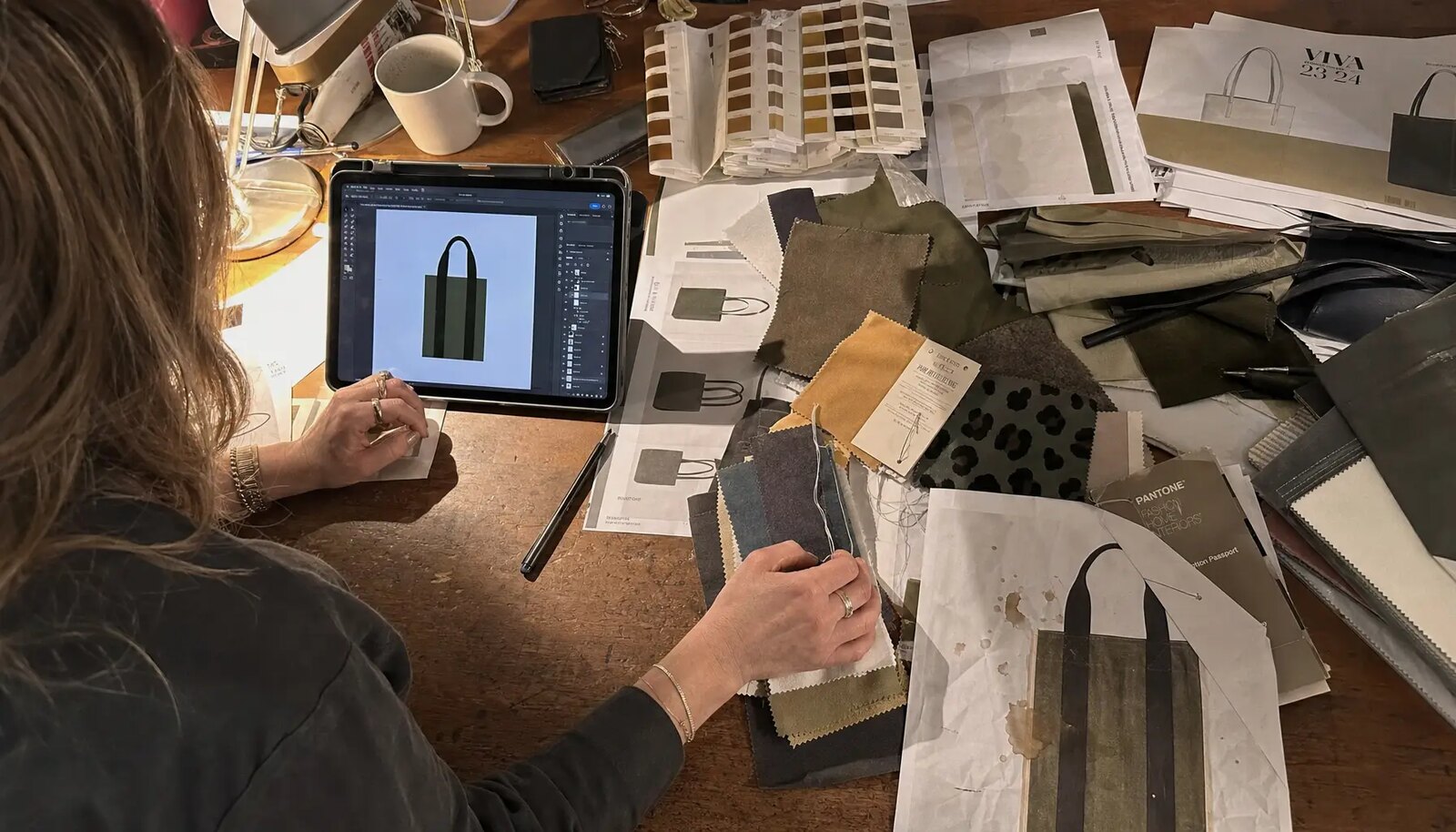
Why craft fair buyers need a different inspection lens
Jute tote bags for craft fairs are judged in a harsher way than office giveaways. The bag sits on a crowded table, gets handled by shoppers, may carry ceramics, candles, books, or packaged food, and then has to survive a day of repeated opening and closing. If the tote looks soft and casual in the photo but collapses on the sales table, the buyer has already lost the retail battle before the product leaves the booth. That is why the inspection checklist has to focus on structure, print visibility, seam security, and packing hygiene, not just low unit cost.
The most common failures are easy to spot once you know what matters. A crooked logo or uneven top edge makes the bag look like a factory sample that slipped into bulk. A handle that twists under load makes the customer doubt the whole product line. Loose jute dust, mildew smell, or a bag that arrives wrinkled and crushed will trigger returns even if the sewing is technically acceptable. For a craft fair program, the goal is not only to pass inspection; it is to deliver a bag that feels intentional on the table and reliable in the customer’s hand.
- Prioritize appearance under real retail handling, not just lab-style spec compliance.
- Treat shape retention, print clarity, and odor control as part of quality, not as extras.
- Build the checklist around what the end buyer sees in the first three seconds.
Lock the base spec before you compare supplier prices
Most quote noise comes from vague spec writing. A supplier can look cheaper simply because the quoted bag is lighter, smaller, softer, or missing reinforcement. For craft fair use, a practical starting point is a finished bag in the 30 x 35 x 12 cm range with a handle drop that allows a shopper to carry it over a coat or shoulder, plus a body fabric around 500 to 600 GSM when the bag is meant to hold gift items or retail goods. That range gives enough body to stand up on a table without turning the bag into a rigid box.
If the order needs to sit at a lower price point, the fabric can come down, but the buyer should then tighten the rest of the construction. Lower GSM jute needs better handle stitching, a cleaner cut edge, and a more controlled print area because the body will telegraph defects more easily. The same logic applies to gussets and inserts. A flat tote with no base support may be fine for a lightweight brochure pack, but it is a weak choice for a craft fair where the bag must carry heavier impulse purchases and still look presentable at the end of the day.
- Define finished size, not just target size.
- State whether the GSM applies to the cloth or the sewn bag.
- Set handle drop, gusset depth, and any base insert requirement in the RFQ.
- Use a tighter tolerance on width and gusset than on height, because shape affects retail appearance more than a small height shift.
Choose the print method around the artwork, not around habit
Jute is coarse, so the print method has to match the artwork. For simple logos, screen print is usually the cleanest route because it can hold solid color and keep the cost in check at moderate volumes. It is still sensitive to ink load, mesh choice, and the flatness of the printing area, so the supplier should show a strike-off on the same cloth before bulk starts. Thin type, fine lines, and small registration marks are risky on raw jute because the weave breaks the edge of the image and makes the logo look blurry even when the printer did the job correctly.
If the brand wants a more premium finish, a sewn woven label or stitched patch is often safer than trying to force a delicate decoration method onto rough fiber. Embroidery can work on reinforced areas, but it adds cost, needle stress, and shape distortion on soft jute. Heat transfer only makes sense when the panel is backed or coated enough to accept the film cleanly. Buyers should treat decoration as a production choice, not a design wish. The cheapest print method is not the one with the lowest setup charge; it is the one that survives the fabric and the customer’s eye.
- Keep artwork bold and simple if the jute is raw and coarse.
- Ask for a strike-off or print proof on the same fabric construction.
- Set a minimum text size so the logo remains legible from a normal selling distance.
- Match the branding method to the MOQ, because multiple screens or special labels can change the economics quickly.
Compare sourcing routes before you request quotes
A direct factory is usually the best choice when the buyer needs control over fabric, sewing, and packing. It gives a cleaner path to repeat orders, but only if the factory actually owns or controls the printing and finishing steps. Some plants quote like full manufacturers and then move printing or lamination to a subcontractor, which is where variation starts. For a craft fair program, that matters because the first bulk lot often becomes the standard for the whole season. If the subcontracted printer shifts ink density or label position, the bags no longer match the approved sample.
Trading companies and local stockists can help when the order is small, urgent, or mixed across several bag types. Their value is speed and flexibility, not always the lowest true landed cost. The buyer should know what tradeoff is being accepted. A trading company may source from different factories on different reorders, which can change handle length, print tone, or carton packing without an obvious warning. A stockist can shorten lead time, but customization is often limited and the unit cost can hide the margin on top of the factory price.
- Ask who actually cuts, sews, prints, and packs the bag.
- Find out whether the supplier can hold the same factory source on reorders.
- Use direct factory sourcing when the spec must stay consistent across multiple fair seasons.
- Use a reseller or stockist only when speed matters more than deep customization.
Use sample approval as a production gate, not a formality
A sample is only useful if it freezes the production standard. Buyers should distinguish between a sales sample, a pre-production sample, and the golden sample kept for reference. The sales sample can be better than bulk because it is built to win the order. The pre-production sample should use final fabric, final print method, final label, and final stitching pattern. If the factory cannot produce that level of match, then the sample has no control value and the order risk stays high. The approval should cover dimensions, handle length, reinforcement layout, logo placement, and the packing method, because those details are what move during mass production.
The best safeguard is to require a photo or video of the first bulk-off-line bag before the rest of the lot runs. That one step catches the common problem where the factory approves a sample that was sewn by its best operator and then shifts the bulk to a different team. If the first bulk piece deviates in print tone, stitch density, or panel alignment, the order can still be corrected before the entire run is locked in. For seasonal craft fair buyers, that is usually cheaper than trying to sort defects at the warehouse.
- Approve one golden sample and keep it signed and dated.
- Confirm that the bulk uses the same cloth roll, label, and print method as the sample.
- Reject any sample that is visibly better than the quoted production spec without written confirmation that bulk will match it.
- Tie bulk release to sample approval when the launch date is fixed.
Inspect the defects that actually hurt retail performance
The QC plan should be built around defects that customers notice first. Measurement errors matter, but on jute totes the larger issue is whether the bag looks aligned and holds shape. Use a practical tolerance band on finished size, then inspect the bag flat and filled. The top edge should be level, the sides should not bow badly, and the handle attachment should sit symmetrically. Print should be centered by eye and not bleed into the raw weave. A few millimeters of variation may be acceptable on rough jute, but a visibly crooked logo is not.
Stitching quality should be judged at the load points. Box-X or bartack reinforcement is worth specifying because the handle area carries the weight and gets the most stress during use. A light pull test on a sample lot is usually enough to expose weak thread tension or poor backstitching. For retail orders, many buyers also use a basic AQL style inspection with a tighter rule on major defects than on minor cosmetic flaws. Odor, mold, oily marks, and loose fiber contamination should be treated as major defects if the bags are intended for direct sale.
- Set a realistic dimension tolerance and inspect the bag both flat and lightly filled.
- Treat crooked logos, weak handle reinforcement, and mildew smell as major issues.
- Use a simple pull test on handles and top seams before release.
- Differentiate cosmetic variation from defects that affect shelf appeal or bag life.
Packing should protect the bag without ruining the presentation
Jute bags move through the supply chain like a retail item, not a hard good. They pick up dust, moisture, and fold marks quickly. Individual polybags help keep the finish clean, but they can trap odor if the bag is packed before it has fully aired. That means the factory needs enough drying and resting time before final carton closing. If the bag includes a lining, insert, or laminated surface, the buyer should confirm whether the supplier folds it with tissue, cardboard, or a simple flat pack. The wrong fold pattern can leave permanent lines across the front panel where the logo sits.
Carton packing matters because the outer box is the last defense against compression and dirt. For a craft fair buyer, the carton should carry clear SKU marks, quantity, color, and carton count so warehouse receiving stays simple. If the bags are going straight to distributors or event organizers, the master carton should not be overloaded. A crushed carton can deform the bag and make even a good product look second-rate on arrival. If the order includes barcodes or retail tags, those should be positioned before packing is locked so there is no repacking later.
- Use the fold style that protects the print area.
- Allow the bag to air before polybagging if there is any lamination or finishing odor risk.
- Keep carton counts consistent and easy to receive.
- Add moisture protection when shipping by sea or storing in humid warehouses.
Price the real lead time, not just the sewing time
A quoted lead time that ignores sample approval, printing setup, and packaging sourcing is not a useful lead time. For jute totes, the production clock often starts with cloth availability and artwork approval, not with the sewing line. Add time for screen preparation if the artwork is not already on file, and add more time if the supplier must source a custom label, insert, or carton spec. A factory that quotes the same lead time for a plain bag and a branded multi-step bag is usually simplifying too hard. The buyer should make the supplier separate the timeline by step so the schedule risk is visible.
Craft fair programs also have a seasonal risk that goes beyond factory lead time. If the bags are needed for a market date, the buyer should build in margin for inspection delay, export booking, and inland trucking. Shipping can also change the plan if the supplier can only release goods after full payment or after the container closes. The practical answer is to treat the event date as a hard deadline and the factory date as a planning input. If the calendar is tight, order the sample earlier and reduce change requests late in the process.
- Ask for lead time by stage: sample, print setup, sewing, packing, and ex-factory release.
- Add contingency if the order needs new packaging or multiple print colors.
- Do not schedule a market launch on the exact date the factory says it can finish.
- Protect the event date with at least one internal buffer window.
Compare quotes by landed cost, not by headline unit price
The cleanest RFQ is the one that forces each supplier to quote the same scope. Ask for the bag body, handle, print, label, packing, sample charge, tooling charge, and shipment term separately. Then compare EXW against EXW or FOB against FOB, not a mixed bag of terms that hides transport and handling. If one supplier looks much cheaper, the difference is often sitting in a missing setup fee, a lighter fabric, a smaller print area, or a looser packing spec. The buyer needs the total landed cost for the same commercial output, not a vanity unit price that falls apart after freight and cartonization are added.
It also helps to request pricing at two or three volumes so the fixed setup costs become visible. A bag that is expensive at 1,000 units may become competitive at 5,000 if the print screen, label, and packaging charges spread out properly. That is where a good buyer can spot the right source route. A direct factory may win on repeat orders, while a stockist may win on a short urgent run even though its unit cost is higher. The decision should be made on season plan, not on a single line item.
- Request a full quote breakdown with setup, packing, and shipping terms separated.
- Compare like for like volumes before judging the price.
- Look for hidden cost in packaging changes, extra print screens, and label substitution.
- Use landed cost to decide whether the order belongs with a factory, trader, or stockist.
Use one final RFQ filter before you release the order
The safest way to launch a jute tote program for craft fairs is to treat the RFQ like a production filter. If the supplier cannot state the fabric weight, handle reinforcement, print method, sample plan, carton packing, and lead time by stage, the quote is not ready for a PO. If the sample looks strong but the factory cannot commit to the same material and process in bulk, the order is still exposed. A buyer should only release the order after the sample, quote, and packing spec all point to the same build standard.
That last step is where many problems are avoided. A bag that looks acceptable in a showroom can still fail in the warehouse if it was not designed for the real use case. Craft fair buyers need a tote that appears clean, carries weight, protects the print, and arrives in a condition that can go straight into retail or event packing. If the supplier can support that workflow with clear evidence, the order is ready. If not, the buyer should tighten the spec before committing volume.
- Release the PO only after sample, quote, and packing spec all match.
- Keep the spec simple enough that bulk production can repeat it consistently.
- Use the first order to lock the standard for future reorders.
Specification comparison for buyers
| Spec decision | Recommended option | When it fits | Buyer risk to check |
|---|---|---|---|
| Fabric weight and weave density | 500 to 600 GSM with a tight, even weave | Retail craft fair bags that must stand up on a table and survive repeated handling | Too-light fabric will feel limp and may show crooked seams or weak corners |
| Inner build | Light lining or water-based lamination only if shape retention or dust control matters | When the bag carries small retail items, gifts, or product samples | Some laminations add odor, stiffness, or peeling risk if the supplier rushes drying |
| Handle construction | Cotton webbing or folded jute handles with box-X or bartack reinforcement | When buyers want better hand feel and a lower risk of handle tear | A pretty handle without stress reinforcement often fails in field use |
| Base and gusset | 10 to 15 cm gusset with a base insert if the bag must stand upright | Craft fairs, boutiques, and retail display programs where shelf presence matters | A wide bag without structure collapses and looks cheaper than the quote suggests |
| Print method | One- or two-color screen print on a flat front panel | Medium MOQ orders with a clear logo and simple artwork | Fine text, gradients, and thin lines can break up on coarse jute |
| Branding route | Sewn woven side label or stitched patch for premium positioning | When the logo is small or the buyer wants a cleaner premium finish | Labels can hide poor print work if the core bag spec is weak |
| Supplier route | Direct factory with in-house sewing and printing | Repeat programs that need tighter spec control and easier reordering | Some factories outsource print or lamination without saying so, which creates variation |
| Packing route | Individual polybag plus labeled master carton with controlled count | Retail replenishment and distributor orders that need clean warehouse intake | Loose packing raises dust, moisture, and carton damage risk |
Buyer checklist before sampling
- State finished size, gusset depth, and handle drop in the RFQ, not just approximate dimensions.
- Specify fabric weight in GSM and say whether the number applies to the finished bag or the base cloth.
- Define the print method, number of colors, print placement, and whether Pantone matching is required.
- Call out handle material, reinforcement stitch pattern, and any load expectation for the bag.
- Set acceptable tolerance for size, print position, and stitching defects before the sample is approved.
- Request a pre-production sample made with final fabric, final print method, and final accessories.
- Ask for carton count, carton size, gross weight, and whether the outer carton needs retail marks or barcodes.
- Confirm MOQ by size, color, print color count, and label type instead of accepting one generic MOQ.
- Ask which process is in-house and which process is outsourced, especially printing, lamination, and label sewing.
- Compare quotes on the same incoterm and the same packing spec so the unit price is actually comparable.
Factory quote questions to send
- What exact fabric GSM, weave density, and finish are you quoting for the jute body?
- Is the quoted size a finished size after sewing, or a cut size before sewing loss?
- Which print method are you using, how many colors are included, and what is the setup cost?
- What is the MOQ per colorway, print version, and label option?
- Are sample charges, screen charges, woven label charges, or tooling charges separate from the unit price?
- Will printing, lamination, and label sewing be done in-house or sent to another workshop?
- What are the carton pack count, carton dimensions, and gross weight per carton?
- What is the production lead time after sample approval and deposit receipt?
- What defect standard or inspection level do you use for sewing, print, and packing?
- Can you quote EXW, FOB, and CIF on the same spec so I can compare landed cost cleanly?
Quality-control points to confirm
- Fabric weight and hand feel match the approved sample, with no obvious thin spots or loose weave patches.
- Finished dimensions stay within the agreed tolerance after the bag is fully sewn and pressed.
- Handles are symmetrical, securely attached, and reinforced at the stress points with no loose threads or skipped stitches.
- Print registration, placement, and color density match the approved artwork, with no heavy bleed into the weave.
- Seams, gussets, and corner turns are straight and clean, with no puckering that changes the shape of the bag.
- The bag has no mildew, oil, chemical smell, or excess dust after airing and packing.
- Any lining, lamination, or insert sits flat and does not bubble, peel, or distort the exterior panel.
- Cartons are marked correctly, packed to the agreed count, and closed well enough to protect against moisture and crush damage.
- A pull test on handles and top seams shows no immediate slippage, tearing, or stitch failure under the agreed load target.
- The bulk run uses the same label, trim, and print placement that were approved on the golden sample.