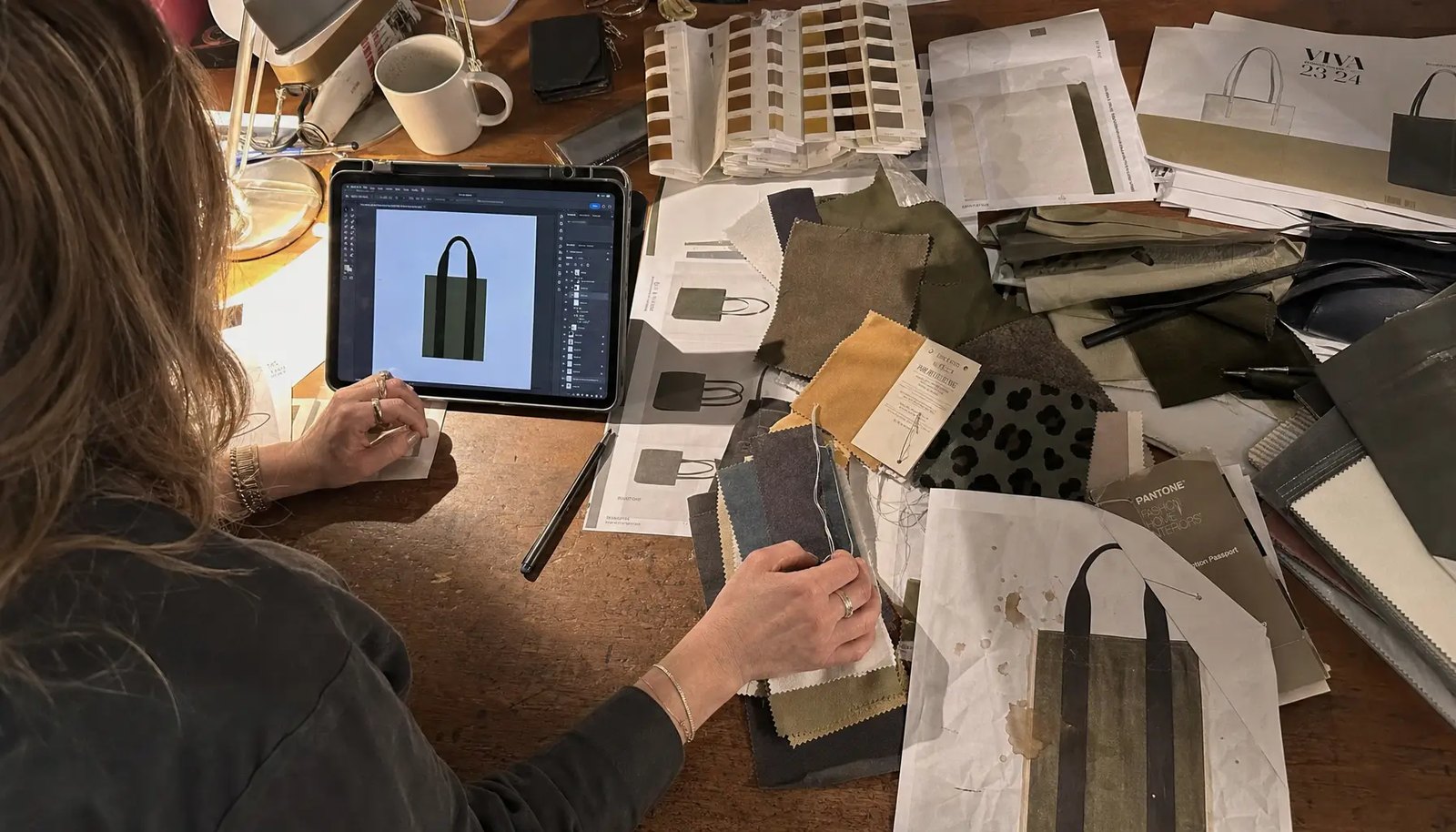
Start with the old bag in your hand
A jute tote bag reorder planning guide for wine clubs should start with one simple discipline: treat the next order as a controlled manufacturing repeat, not a casual refill. The old bag may look straightforward, but many of its important details are hidden in the fabric weight, lamination, stitch pattern, handle tape, divider, fold method, and carton pack-out. A supplier cannot reliably reproduce what the buyer has not defined.
Build the reorder file around evidence. Include the approved physical sample, last accepted purchase order, final artwork file, carton markings, packing photos, and any receiving or inspection notes. If the last shipment had a handle drop everyone liked, record it. If the logo printed slightly fuzzy but was approved, say that. If cartons arrived over-compressed or bags needed time to air out, capture that too. These notes turn memory into a usable procurement record.
Wine club bags are not only merchandise. They touch member fulfillment, tasting-room pickup, release events, premium-tier gifts, and sometimes retail resale. A small change can travel through the operation. A gusset that loses 10 mm can slow bottle loading. A shorter handle can feel awkward with three bottles. A looser weave can make the same artwork look weaker. A different carton count can disturb warehouse storage and 3PL receiving.
The cleanest approach is to freeze the baseline first, then list intentional changes. Moving from a 2-bottle to a 3-bottle bag is not a simple reorder; it is a revised construction that needs new loaded-use approval. Changing logo size may require a new screen or label setup. Switching from unlaminated to laminated jute will change stiffness, surface feel, print behavior, and folding. None of those changes are necessarily wrong, but they should be visible before quotation.
The purchase order should reference a final spec version rather than a product nickname. Dimensions, fabric, handles, print, divider, tolerances, packing, and schedule should all be tied to the same document. That gives suppliers a fair quoting basis and gives QC something objective to inspect.
- Minimum reorder record: approved physical sample, spec sheet, last PO, artwork file, carton photos, and inspection notes.
- Often-missed details: handle drop, handle width, gusset depth, print reference point, divider height, fold method, and units per carton.
- Decision rule: any change to bottle count, body fabric, handle construction, divider, print method, or packing format should trigger sample reapproval.
Forecast by club cycle, not annual average
Annual bag volume is useful for budgeting, but it is a weak reorder trigger. Wine clubs consume packaging in pulses. A monthly membership program, quarterly allocation release, tasting-room event, and holiday gift campaign can all draw from the same stock in very different weeks. Procurement should ask a sharper question: after sample approval, production, inspection, freight, receiving, and internal QC, how many weeks of covered demand remain?
Separate demand before you calculate the reorder point. Member fulfillment should sit apart from tasting-room bags, event giveaways, premium-tier kits, corporate gifts, and marketing extras. When all channels pull from one jute tote inventory, peak overlap matters more than the average month. A spring release followed by club pickup and a gift run can make a comfortable annual forecast feel suddenly thin.
For many repeat import programs, an 8-10 week stock-cover trigger is a sensible starting point. Adjust it to match the route and risk. Add time if the supplier must source a particular jute GSM, custom handle tape, divider material, woven label, or carton size. Add time if physical pre-production sample approval is required. Add more if the bags must arrive for one fixed club shipment and partial delivery would not help.
Firm and flexible demand should not compete in the same line item. Already-sold member shipments deserve protection first. Optional tasting-room or event usage can be added as a separate quantity or held for a later release. This keeps promotional discussion from delaying the core replenishment that protects member experience.
Give suppliers a clear scheduling brief: target order quantity, acceptable quantity tolerance if any, required ready-to-ship date, destination, carton requirements, and whether partial shipment is acceptable. A supplier can price and plan more accurately when the commercial assumptions are explicit.
- Use peak weekly usage, not annual average usage, to set the reorder trigger.
- Protect committed member-fulfillment demand before optional tasting-room, event, or marketing demand.
- Set the reorder point in weeks of cover, then add time for sample approval, material sourcing, production, inspection, freight, receiving, and internal QC.
Fit the bag around real bottles
A wine club RFQ should never rely only on the phrase 2-bottle bag or 3-bottle bag. Standard 750 ml bottles vary in height, shoulder shape, base diameter, punt depth, and glass weight. Sparkling bottles, Burgundy-style bottles, tall Riesling bottles, and heavier premium glass can all change the fit. If the club uses a rotating bottle mix, the bag has to work for the realistic range, not just one convenient sample.
Specify finished width, height, gusset, base width, handle width, and handle drop. For many sewn jute tote bags, main dimensions are commonly controlled somewhere around +/-5 mm to +/-10 mm, depending on bag size, seam type, and hand-sewing variability. The agreed tolerance belongs in the RFQ and PO. It should not become an argument during final inspection.
The gusset and base deserve extra attention. If the gusset is too narrow, bottles press into the side panels, the bag leans, and seams take stress they were not designed for. If the base is too wide, the bag may waste carton space and fold less neatly. The right dimension is not always the smallest material footprint. For club fulfillment, it is the size that loads quickly, stands well, presents cleanly, and packs efficiently.
Test with the actual packed set. Load the bag as the warehouse will load it, including dividers, tissue, cards, bottle sleeves, tasting notes, or gift inserts. Check the top opening, base stability, handle comfort, side-panel distortion, and how the filled bag looks when handed to a member. Then fold empty samples and confirm the expected carton count still works.
Dimension choices affect landed cost. A slightly deeper gusset or stiffer laminated body may reduce the number of units per carton. That can raise freight and storage cost even when the ex-factory unit price looks unchanged. Ask for carton dimensions and units per carton with the bag quote so procurement can compare delivered economics, not only unit price.
- Specify finished width, height, gusset, base width, handle width, and handle drop in the RFQ and PO.
- Agree dimensional tolerances before production; do not leave acceptability to final inspection judgment.
- Validate dimensions using the real bottle mix, divider, inserts, fold method, and warehouse loading process.
Define jute by weight, finish, and feel
Fabric language needs to be measurable. For many wine club programs, 320-380 GSM laminated jute is a practical range for reusable tote-style bags that need structure and a cleaner consumer presentation. Natural unlaminated jute can also work, especially for a rustic winery look, but it should be specified by oz or GSM equivalent plus an approved sample reference. Surface texture, weave tightness, shade, and hand feel can vary widely.
A 320-350 GSM body may be suitable for value-focused 2-bottle programs when handle reinforcement and base construction are sound. A 360-380 GSM body may make more sense for premium club tiers, heavier bottle loads, or gift bags expected to stand neatly. Heavier is not automatically better. It can increase stiffness, carton cube, sewing difficulty, and cost. The buyer should choose the fabric that fits the use, not the one that sounds strongest on paper.
Lamination is a separate decision from fabric weight. Laminated jute usually adds body, reduces loose fiber exposure inside the bag, and can help print consistency. It may also look less raw and feel less traditional. Unlaminated jute can deliver a natural burlap character, but it may shed more, absorb ink unevenly, and show more surface irregularity. Either route can be right when it is approved against the brand standard and loaded-use requirement.
Natural shade variation should be discussed before quoting. Jute can shift between lots because of fiber source, processing, moisture, and finishing. Some variation is normal for the material, but acceptable variation should be tied to an approved sample, a shade range, or a written comment from the buyer. If the wine club needs a tighter tone for a retail wall or brand system, say so before production.
Odor and cleanliness matter because the bag sits close to wine, cards, tissue, and gift components. Jute can carry earthy or processing odors, especially after poor storage or humid packing. The inspection brief should call out odor, moisture, mold risk, dust, oil marks, loose fibers, and surface cleanliness. The standard is not sterile packaging; it is consumer-facing presentation suitable for wine club use.
- State GSM or oz, lamination status, lining status, color, weave or finish description, and approved sample reference.
- Use 320-350 GSM for lighter 2-bottle applications and 360-380 GSM where structure or premium feel matters more.
- Define acceptable natural-jute shade, odor, moisture, and surface-cleanliness criteria before bulk production.
Engineer handles for the actual load
Handles are one of the easiest places for a reorder to drift and one of the hardest defects to forgive. A jute tote can look acceptable flat on a table and still perform poorly once bottles are inside. Wine bottles create concentrated weight. Members may lift the bag by one handle, carry it from a tasting room to a car, or reuse it later. The handle construction has to match that reality.
The RFQ should state handle material, width, finished drop, total handle length if relevant, attachment depth, stitch pattern, and reinforcement method. Cotton webbing and jute-webbing handles are common. A practical width range is often 25-38 mm, depending on bag size and desired comfort. Narrow handles can cut into the hand under load. Wider handles can feel better, but may cost more and alter folding or carton pack-out.
Attachment detail matters more than the tape alone. A box stitch, cross stitch, or bar-tack reinforcement spreads force better than a shallow top stitch. The handle end should be anchored deeply enough into the body or seam area to resist pulling. Ask for close-up photos at sampling, then inspect production for skipped stitches, loose thread, uneven stitch density, weak backtacks, and insufficient anchoring depth.
State the load in kilograms, not only in bottle count. Two 750 ml bottles plus glass, bag, divider, tissue, cards, and inserts may commonly put a finished bag in the 3-5 kg range. Three bottles can fall around 5-8 kg depending on glass weight and gift components. These are planning ranges, so the best practice is to weigh the actual club pack and provide that number to the supplier.
A simple loaded-use check catches many problems early. Load the sample with the intended bottles, lift it repeatedly, hold it briefly, set it down, and inspect handle attachment, top opening, side seams, base shape, and distortion. This is not a substitute for formal testing when risk is high, but it is a practical procurement screen before bulk production starts.
- Quote handle material, width, drop, attachment depth, stitch pattern, stitch density, and reinforcement method.
- Provide the estimated loaded weight per finished bag, including bottles, dividers, cards, tissue, and gift inserts.
- Inspect handle reinforcement at pre-production, inline, and final stages because it is a common repeat-order drift point.
Do not treat dividers as an afterthought
A jute tote is not automatically a protective wine carrier. If bottles can touch, rub, or shift, the buyer needs to define how separation will work. Common options include a stitched jute divider, fabric-lined divider, removable paperboard insert, board-supported base, or a separate shipper-pack method. Each choice changes cost, loading speed, presentation, carton packing, and inspection scope.
For 2-bottle and 3-bottle club packs, specify divider material, height, placement, attachment method, and fit. A divider that is too low may not stop bottle contact. A divider that is too tight can slow packing and distort the bag. A divider that is poorly stitched can pull away during use. If a removable insert is used, define board thickness or grade, fold shape, and whether inserts are packed inside each bag or shipped separately.
The fulfillment method should drive the protection standard. A tasting-room carryout bag may not need the same bottle control as a gift presentation packed inside an outer shipper. If the bag is part of a premium member experience, scuffing, alignment, and interior cleanliness may matter as much as basic separation. Procurement should explain the use case rather than asking the factory to guess.
Internal components need their own QC checks. Inspectors should verify divider position, stitch security, bottle fit, insert edge finish, and whether the divider interferes with the top opening or handles. If the divider or insert uses a different material from the body, check color, odor, stiffness, and surface cleanliness separately.
It is often more effective to solve bottle movement with a well-designed divider than by simply increasing outer fabric weight. A heavier body can improve structure, but it does not keep glass apart. Decide whether the target is carrying strength, bottle separation, presentation, or all three, then specify the construction accordingly.
- Define divider or insert material, dimensions, attachment, fit, and packing method instead of writing with divider only.
- Test bottle loading with the actual bottle shapes used in the club shipment.
- Inspect divider alignment, stitch security, bottle spacing, insert finish, and loading speed as separate QC points.
Keep branding simple enough for jute
Jute has a coarse and uneven surface. That texture is part of its appeal, but it also limits print precision. Most repeat wine club programs perform best with a simple 1-2 color screen print or a woven side label. Fine typography, gradients, photo-style art, metallic effects, tight registration, and large solid ink blocks can be difficult to repeat cleanly on burlap texture.
For screen printing, provide vector artwork, print size, placement reference, ink color or Pantone reference, and acceptable placement tolerance. Placement should be measured from fixed points such as the top edge, side seam, or centerline. Fine lines below about 1 mm, tiny text, and close multi-color registration should be sampled before approval because the weave will interrupt crisp edges.
A woven label can be better when the brand needs a cleaner small logo or a premium understated finish. Labels reduce the risk of uneven ink absorption and can look controlled on natural jute. The tradeoff is an added trim component and sewing operation. The RFQ should state label size, fold type, woven colors, placement, attachment stitch, and whether label tooling is a one-time or repeat charge.
Artwork changes on a reorder should be treated as commercial changes until proven otherwise. A seasonal mark, club-tier version, co-branded release, new logo color, or resized print may require a new screen, new label tooling, different setup, or separate MOQ. Ask the supplier to separate these charges so the cost of variation is visible before the buyer approves several versions.
Physical approval is still important. A digital proof can confirm layout, but it cannot show how ink or a label behaves on the actual jute lot. For any branding-sensitive program, approve a physical pre-production sample or documented print sample on the intended material before bulk production.
- Use screen print for simple logos with strong line weight, moderate coverage, and limited colors.
- Use woven labels when repeatability and a premium understated look matter more than large print area.
- Approve print or label placement against fixed measurement points, not only by visual judgment.
Compare quotes on equal assumptions
Wine clubs usually choose among direct factories, trading companies, and local importers or distributors. Each route can be appropriate. The right choice depends on specification control, timing, landed cost, and the buyer's ability to manage detail. A stable reorder with fixed dimensions may suit a direct factory. A multi-component order may benefit from a capable trading company. A time-sensitive need may justify local stock, even with fewer customization options.
Direct factory sourcing can give strong control over fabric, sewing, printing, and packing when the buyer has a clear spec and repeat volume. It also requires disciplined sampling, inspection, and schedule management. Trading companies may simplify communication when several SKUs, dividers, labels, or cartons are involved, but buyers should still require factory-level detail. Local stock can reduce lead time but often limits size, fabric, handle, and branding flexibility.
The quote should break out unit price, sample fees, setup charges, screen charges, woven label tooling, divider cost, special packing, carton changes, and repeat fees. A single flat price hides assumptions. Ask for quantity breaks at the target volume plus one lower and one higher quantity. That reveals whether a larger buy actually improves economics or simply creates inventory exposure.
MOQ should be reviewed by variation, not only by total order quantity. A supplier may have one MOQ for body fabric, another for handle color, another for print design, and another for woven label. If the club splits one reorder into several logo colors, tier marks, or seasonal versions, the factory may treat them as separate setups. That reduces leverage and complicates inspection.
Compare landed cost, not just ex-factory price. Carton cube, carton weight, units per carton, freight mode, duty assumptions, inspection cost, and warehouse handling can offset a cheaper unit price. Bulky jute tote bags make packing efficiency especially important. A quote with better carton discipline may be the lower-cost option once freight and storage are included.
- Compare direct factory, trader, and local stock routes by repeatability, timing, MOQ fit, specification control, and landed cost.
- Require line-item pricing so setup, screens, labels, dividers, samples, special packing, and repeat charges are visible.
- Ask MOQ by body material, handle color, print design, woven label, divider, and carton format, not only by total order quantity.
Write QC rules before bulk production
The sample stage should prove both appearance and function. For wine club jute tote bag reorders, approval based only on a front-facing photo is too thin. The sample should be checked for dimensions, material match, handle construction, print or label execution, divider fit, odor, cleanliness, folding, and loaded performance. The buyer should handle it the way a member will handle it.
Tolerances belong in the PO before production starts. Measurable points usually include width, height, gusset, base width, handle drop, print placement, label position, and carton count. The exact tolerance should match the construction and supplier capability, but it should be defined. Main dimensions may be controlled to an agreed +/-5 mm or +/-10 mm range, while print placement may be measured from the top edge, side seam, or centerline.
Defect definitions prevent arguments later. Critical or major defects may include missing handle reinforcement, broken stitches, wrong fabric, wrong print color, severe print smudge, mold, strong odor, incorrect divider, unsafe sharp insert edges, or wrong carton quantity. Minor defects may include loose thread tails, slight natural shade variation within the approved range, or small jute slubs that are normal for the material.
Ask the supplier what they check at pre-production, inline, and final stages. Inline inspection is valuable for handle reinforcement, stitch consistency, print drift, and divider placement because corrections are still possible. Final inspection should sample across cartons and, where possible, across the beginning, middle, and end of production. One staged sample from the top carton is not enough for a repeat program.
Both buyer and supplier should retain an approved sample identified by PO number, date, spec version, and artwork version. That physical standard makes future reorder discussions much easier. When a receiving issue appears, the team can compare the lot to a known reference rather than relying on emails, photos, or subjective memory.
- Approve the sample under real loaded conditions, not only by appearance.
- Write dimension, print, label, shade, odor, seam, handle, divider, and packing tolerances into the PO or inspection brief.
- Define major, minor, and critical defects before final inspection begins.
Control packing and the calendar
Packing is part of the product specification. Jute tote bags are bulky, and the fold method affects carton cube, freight cost, warehouse receiving, storage, and final presentation. A bag can leave the sewing line acceptable and arrive with crushed corners, tangled handles, mixed lots, or odor transfer if packing is left vague.
The PO should state units per carton, carton dimensions, gross weight limit, fold method, inner packing, lot labeling, and whether individual polybags are allowed. Polybags can protect presentation and cleanliness for premium gift programs, but they add material, labor, volume, and disposal concerns. For replenishment stock used by a warehouse, controlled bulk packing may be more practical.
Carton labels should support receiving, not just export handling. Include PO number, item code, description, quantity, carton number, total carton count, lot or production date if used, and destination information required by the buyer or 3PL. If partial shipment is allowed, define how cartons will be marked and what minimum partial quantity is worth shipping.
Lead time should be split into stages: pre-production sample, buyer approval, material procurement, bulk production, final inspection, ready-to-ship date, freight, receiving, and internal QC. A supplier may quote 25-35 days of production, but that may not include sample approval, material waiting time, inspection booking, or transit. The calendar should show who owns each stage and when a late approval will move the ship date.
Do not schedule bags to arrive the day they are needed for kitting. Build in time to count cartons, inspect samples, separate lots, air out bags if needed, and resolve shortages or defects before club shipment assembly starts. Reorder planning works best when procurement protects the operational handoff, not only the factory completion date.
- Put carton count, carton size, gross weight, fold method, inner packing rule, and label format in the PO.
- Treat sample approval, production, inspection, freight, receiving, and internal QC as separate calendar items.
- Decide in advance whether partial shipment, carton substitutions, fold changes, or packing changes require written approval.
Specification comparison for buyers
| Spec decision | Recommended option | When it fits | Buyer risk to check |
|---|---|---|---|
| Body fabric | 320-380 GSM laminated jute, or natural jute specified by oz plus an approved sample reference | 2-bottle and 3-bottle club packs where shape, stitch holding, and brand presentation matter | Do not accept vague terms such as heavy jute or export quality; require GSM or oz, lamination status, finish, and approved sample match |
| Dimension tolerance | Finished width, height, gusset, and base width controlled to an agreed range, commonly +/-5 mm to +/-10 mm depending on size and sewing construction | Repeat programs where bottles, dividers, gift inserts, and carton pack-out must fit the same way each cycle | A small size drift can slow bottle loading, reduce base stability, change presentation, or alter carton cube |
| Handle construction | 25-38 mm cotton webbing or jute-webbing handle with box stitch, cross stitch, or bar-tack reinforcement | Club pickup bags, gift carriers, and member fulfillment bags expected to carry loaded bottles | Top-stitch-only handles or narrow tape can reduce load margin; confirm handle width, drop, stitch pattern, attachment depth, and reinforcement position |
| Loaded-use design | State intended bottle count and estimated loaded weight, commonly 3-5 kg for 2 bottles and 5-8 kg for 3 bottles depending on bottle format and inserts | Programs using 750 ml wine bottles, mixed bottle shapes, heavier glass, dividers, tissue, cards, or gift components | Suppliers cannot design handle reinforcement or base stability correctly if the RFQ only says wine bag or tote bag |
| Print method | 1-2 color screen print, tested heat transfer where suitable, or woven side label for finer branding | Repeat wine club logos, release programs, tasting room merchandise, and restrained premium branding | Fine lines under about 1 mm, gradients, small serif text, tight registration, and large solid ink areas can reproduce unevenly on coarse jute |
| Bottle separation | Internal jute divider, stitched divider, removable paperboard insert, board-supported base, or defined shipper-pack method | 2-bottle and 3-bottle sets where glass-to-glass contact, scuffing, or gift presentation matters | Outer fabric weight alone does not prevent bottle contact; define divider material, fit, attachment, and inspection method |
| MOQ strategy | One core body spec with limited logo, label, or handle-color variation | Wine clubs that need reorder leverage without fragmenting volume into too many SKUs | Low MOQ may hide higher unit cost, repeated setup fees, less material control, weaker inspection leverage, or several small production lots |
| Packing format | Controlled fold, consistent handle position, master carton count, carton labels, and an agreed inner polybag rule if needed | Warehouse receiving, 3PL kitting, winery storage, and quick club shipment assembly | Loose or over-compressed packing can crush corners, tangle handles, transfer odor, increase sorting labor, and make lot tracing harder |
| Lead-time control | Separate sample time, approval time, material procurement, production, inspection, freight, receiving, and internal QC; reorder before stock drops below 8-10 weeks of cover | Monthly or quarterly club cycles with fixed member dispatch windows | A single blended lead time hides material sourcing risk, approval delay, inspection scheduling, transit variability, and receiving time |
Buyer checklist before sampling
- Attach the approved physical sample, last accepted PO, final artwork, carton photos, and inspection notes to the reorder file.
- Lock finished bag width, height, gusset, base width, handle width, handle drop, and intended bottle count before requesting quotes.
- State body fabric by GSM or oz, weave/finish description, lamination status, lining status, and whether natural jute shade variation is acceptable.
- Give the supplier the estimated loaded weight per bag, including bottles, divider, tissue, cards, and any gift insert.
- Specify handle construction: tape material, tape width, finished drop, box stitch or bar-tack requirement, stitch density expectation, and reinforcement location.
- Define print method, artwork file type, print size, print location, Pantone or ink reference, and acceptable placement tolerance.
- Confirm whether the new production must match the previous approved lot exactly or whether documented changes are allowed.
- Require pre-production sample approval for dimensions, handle attachment, print, divider fit, odor, cleanliness, and loaded-use performance.
- Ask suppliers to quote unit price, sample cost, setup charges, screen or label charges, divider cost, special packing cost, and any repeat fees separately.
- Request quantity break pricing at the target volume and one lower and higher break point so MOQ decisions are based on total economics.
Factory quote questions to send
- What exact body material are you quoting, including GSM or oz, weave description, lamination, lining, color, and finish treatment?
- What finished dimensions will you manufacture to for width, height, gusset, base width, and handle drop, and what tolerance will you accept in production?
- What bottle count and loaded weight is this construction designed for, and have you allowed for 750 ml bottles, heavy glass, or mixed bottle shapes?
- What handle material, width, length, attachment depth, stitch pattern, stitch density, and reinforcement method are included in your price?
- If a divider is required, what material, thickness or GSM, attachment method, and bottle spacing are included?
- What print method are you quoting, what maximum print area is included, and what line-weight or artwork limitations apply on this jute surface?
- What is your MOQ by body size, fabric color, handle color, print design, woven label, divider, and carton format?
- Which costs are one-time and which repeat on every reorder, including screens, label tooling, sample fees, ink matching, and special packing?
- Can you match the previous approved sample and PO without changing fabric source, handle tape, lining, divider, print process, carton count, or fold method?
- What is the schedule by stage: sample making, sample transit, material procurement, bulk production, final inspection, and ready-to-ship date?
Quality-control points to confirm
- Measure finished width, height, gusset, base width, and handle drop against the PO tolerance using samples from the beginning, middle, and end of production.
- Check fabric GSM or agreed fabric reference where practical, and compare weave, lamination, surface hairiness, color tone, and hand feel to the approved sample.
- Load the bag with the intended bottle count and estimated weight, then inspect base stability, side-panel distortion, handle twisting, and seam strain.
- Inspect handle attachment for box stitch or bar-tack presence, stitch density, skipped stitches, loose thread, insufficient anchoring depth, and uneven handle length.
- Verify seam construction at side seams, bottom corners, gusset folds, divider joins, and handle joins for seam grin, puckering, fraying, missed stitch sections, and weak backtacks.
- Check print placement from fixed reference points such as top edge, side seam, or centerline, and inspect ink coverage, smudging, pinholes, fuzzy edges, cracking, and color match.
- Confirm woven labels, hangtags, dividers, liners, zippers, snaps, or inserts are attached straight, securely, and without interfering with bottle loading.
- Review odor, moisture, mold risk, dust, oil marks, loose fibers, and surface cleanliness before bags are packed close to wine gift materials or inserts.
- Count units per carton, verify carton labels, confirm lot separation, inspect fold method, and check that handles are not tangled or crushed.
- Record inspection photos by lot, carton range, and defect type so any receiving issue can be traced to production or packing conditions.