Why Coffee Roasters Need a Pricing Worksheet for Jute Tote Bags
Jute tote bags are a staple for coffee roasters—used for retail sales, subscription boxes, trade shows, and wholesale orders. But pricing varies wildly between suppliers because jute is a natural fiber with inconsistent quality, and many buyers focus only on unit price without factoring in fabric weight, print method, packing, and freight. A pricing worksheet helps you compare quotes on an apples-to-apples basis and avoid hidden costs that eat into your margin.
This guide breaks down the eight cost drivers that change your jute tote bag quote, with specific numbers and acceptance criteria you can use in your next RFQ. Whether you are ordering 500 bags for a new blend or 10,000 bags for a national retail launch, these details will help you make a better buying decision.
- Jute tote bags are often the first branded item a coffee buyer sees—quality matters for brand perception
- A pricing worksheet prevents you from comparing a 270 GSM bag from one supplier to a 320 GSM bag from another
- Hidden costs like sample fees, packing surcharges, and rush lead times can add 20–40% to your total cost
Fabric Weight (GSM): The Single Biggest Cost Driver
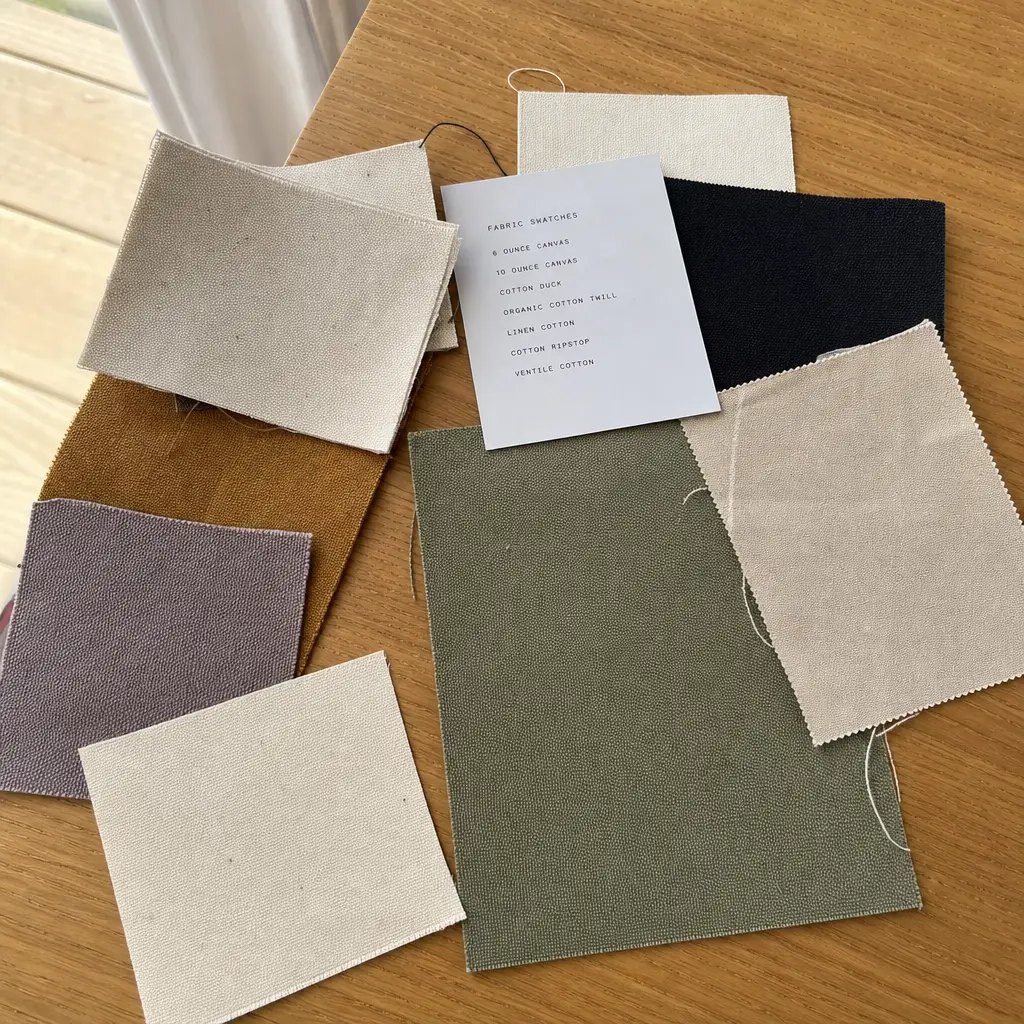
Jute fabric weight is measured in grams per square meter (GSM). For coffee roasters, the sweet spot is 270–320 GSM. Below 250 GSM, the bag feels flimsy and handles tear easily when carrying 2–3 kg of coffee bags. Above 350 GSM, the bag becomes stiff and heavy, increasing both material cost and freight charges by 15–20%. Always ask your supplier for the exact GSM they are quoting and request a swatch card before production.
Some suppliers quote a 'standard jute bag' without specifying GSM, then deliver a lighter fabric to save cost. In your RFQ, state the minimum GSM you will accept and include a clause that bags below that spec will be rejected. A 10% difference in GSM can change your unit cost by $0.05–0.10, which adds up fast on a 5,000-piece order.
- Request a swatch card with the exact GSM and weave pattern before placing an order
- Specify a tolerance of ±5% on fabric weight in your purchase order
- Heavier GSM bags cost more per unit but last longer and feel more premium to the end customer
Handle Type and Attachment: A Common Failure Point
The handle is the most stressed part of a jute tote bag. For coffee roasters, double-stitched 50 cm cotton webbing handles are the standard. Single-stitched handles fail at around 8 kg load, while double-stitched handles can hold 15 kg or more. Polypropylene handles are cheaper but degrade faster in humid storage and feel less premium. Specify the handle material, length, and stitch type in your RFQ.
Handle attachment method matters too. Handles stitched through the gusset are stronger than those attached to the side seam. Ask your supplier for a handle pull test result—15 kg static load for 30 seconds without tearing is a good benchmark. If the supplier cannot provide test data, request a sample and test it yourself before approving bulk production.
- Cotton webbing handles cost $0.08–0.15 more per bag than polypropylene but last longer and feel better
- Double stitching adds about $0.03–0.05 per bag but reduces handle failure risk by 80%
- Handles stitched through the gusset are stronger than side-seam attachment for heavy loads
Print Method: Screen Print vs. Heat Transfer vs. Woven Label
Screen printing with water-based ink is the most common and cost-effective method for jute tote bags. It works well for 1–2 color logos without fine detail. Heat transfer printing is faster but tends to delaminate after 5–10 washes, especially on jute's rough surface. Woven labels are more durable and look premium, but they add $0.20–0.40 per bag and require a longer lead time.
For coffee roasters, screen printing is usually the best balance of cost and durability. Avoid solvent-based inks if the bags will hold food products—they can off-gas and contaminate coffee. Always request a print sample on the actual jute fabric, not on paper, because jute's texture affects ink adhesion and color appearance.
- Screen print setup fee: $30–80 per color, depending on artwork complexity
- Heat transfer is cheaper per unit for small runs (under 500) but fails faster on jute
- Woven labels are best for premium retail bags but add 7–10 days to lead time
Bottom Gusset and Side Seam: Stability and Cost
A flat bottom gusset of 8–10 cm allows the bag to stand upright on retail shelves—important for coffee roasters who display bags in stores or at farmers' markets. No gusset means the bag tips over easily. A gusset over 12 cm wastes fabric and adds $0.08–0.12 per unit without improving stability. Specify the gusset dimension in your spec sheet.
Side seam type also affects cost and durability. French seams are stronger and cleaner but cost more. Overlock seams are cheaper but can unravel over time. For coffee roasters, overlock seams are acceptable for giveaway bags, but French seams are better for retail bags that will be reused by customers.
- French seam adds $0.05–0.10 per bag but improves durability and appearance
- Gusset dimension tolerance: ±0.5 cm; out-of-spec gussets cause bag instability
- Request a photo of the gusset and seam from the supplier's previous production run
MOQ Logic: How Minimum Order Quantities Affect Your Cost
MOQ for jute tote bags typically ranges from 500 to 3,000 pieces per design. Below 500 pieces, suppliers often charge a setup surcharge of $150–250 to cover fabric waste and machine changeover. Above 3,000 pieces, you may get a volume discount of 5–10%, but you also tie up working capital and storage space. For a first test order of a new coffee blend, 1,000–2,000 pieces is a safe range.
If you need multiple designs (e.g., different roast levels or seasonal blends), ask about split MOQ—where you order a total quantity across designs and the supplier shares the setup cost. Some suppliers allow a 2,000-piece total MOQ split into 4 designs of 500 each, with a small surcharge per design. This is cheaper than ordering 500 pieces per design separately.
- Split MOQ can save 15–25% on setup costs for multi-SKU orders
- Volume discounts typically kick in at 3,000+ pieces per design
- Always ask for the MOQ per design and the total MOQ across designs
Packing and Carton Marking: Avoid Damage and Customs Delays
Standard packing for jute tote bags is 50 bags per polybag, then 200 bags per bale or carton. Loose packing causes dirt stains and creases. Over-packed bales (300+ bags) increase damage risk during container loading. Specify the packing method in your RFQ and request a photo of the packed bale before shipment.
Carton marking is often overlooked but critical for customs clearance and warehouse receiving. Include your barcode, product description, country of origin, and net weight on each carton. If you are shipping to multiple distribution centers, specify the marking format for each destination. A mislabeled carton can cause a 2–3 day delay at customs.
- Polybag each bag individually if the bags will be stored for more than 3 months
- Carton marking: include HS code, barcode, and country of origin
- Request a packing list photo before shipment to verify carton labels
Lead Time and Schedule Risk: Plan for Delays
Standard lead time for jute tote bags is 25–30 days after sample approval. This includes fabric procurement (7–10 days), production (10–15 days), and packing (3–5 days). Rush orders under 20 days add a 20–30% premium. Chinese New Year and July factory holidays add 10–15 days to lead time, so plan your orders around these periods.
Schedule risk is higher for first-time suppliers. Always build in a 7–10 day buffer for sample revisions and production delays. If you need bags for a specific event or retail launch, order at least 45 days in advance. Ask the supplier for their current production load—if they are running at 90% capacity, expect delays.
- Sample approval: 5–7 days including shipping time
- Production: 10–15 days after sample approval
- Rush orders: 20–30% premium for 20-day lead time
Landed Cost Comparison: Beyond the Unit Price
Unit price is only part of the total cost. Landed cost includes freight, duties, customs brokerage, and inland transport to your warehouse. A $0.80 bag from a supplier in Bangladesh may cost $1.10 landed in the US, while a $0.95 bag from a supplier in India may cost $1.20 landed. Use a landed cost calculator to compare quotes on a total-cost basis.
Freight costs vary by container type (20 ft vs. 40 ft), port of origin, and season. A 20 ft container holds about 12,000–15,000 jute tote bags, while a 40 ft container holds 25,000–30,000 bags. If you are ordering 5,000 bags, you may pay a higher per-unit freight cost because you are sharing a container. Ask your supplier for a freight estimate based on your order quantity.
- Landed cost = unit price + freight + duties + customs brokerage + inland transport
- Duties for jute bags: typically 5–10% depending on country of origin and trade agreements
- Request a freight estimate from the supplier for your specific order quantity and port
Sample Approval Process: The Most Important Step
Never approve bulk production without a pre-production sample that matches your exact spec. The sample should use the same fabric weight, handle type, print method, and gusset dimension as the bulk order. Free samples are often standard stock bags, not your custom spec. Budget $40–80 for a pre-production sample, including shipping.
When you receive the sample, check the fabric weight (weigh it and calculate GSM), handle pull strength, print alignment, and gusset dimension. Take photos and compare them to your spec sheet. If the sample does not match, request a revised sample before approving production. A sample revision takes 5–7 days but prevents a costly bulk order mistake.
- Request a pre-production sample with your exact print and handle spec
- Check fabric weight, handle strength, print alignment, and gusset dimension
- Take photos of the sample and compare to your spec sheet before approving
Specification comparison for buyers
| Spec decision | Recommended option | When it fits | Buyer risk to check |
|---|---|---|---|
| Fabric weight (GSM) | 270–320 GSM jute (tolerance ±5%) | Retail giveaways, trade shows, subscription boxes | Below 250 GSM bags tear at handle stitch; above 350 GSM increases freight cost by 15–20% |
| Handle type | Double-stitched 50 cm cotton webbing (4-5 SPI) | Bags carrying 2–3 kg of coffee bags | Single-stitched handles fail at 8 kg load; polypropylene handles degrade faster in humid storage |
| Print method | Screen print with water-based ink | Logos with 1–2 colors and no fine detail | Heat transfer on jute delaminates after 5 washes; avoid solvent inks for food-contact environments |
| Bottom gusset | 8–10 cm flat gusset (tolerance ±0.5 cm) | Bags that must stand upright on retail shelves | No gusset causes bags to tip; gusset over 12 cm wastes fabric and increases unit cost by $0.08–0.12 |
| Inner lining | Unlined (standard) | Dry coffee bags, short-term storage | Lined bags add $0.35–0.55 per unit and trap moisture if coffee is not fully cooled before packing |
| MOQ per design | 1,000–2,000 pieces | First test order for a new roast blend | MOQ below 500 pieces often incurs a $150–250 setup surcharge; MOQ above 3,000 ties up working capital |
| Packing method | 50 bags per polybag, 200 per bale | Sea freight or mixed pallet loads | Loose packing causes dirt stains; over-packed bales (300+) increase damage risk at container loading |
| Lead time | 25–30 days after sample approval | Standard production without rush fee | Rush orders under 20 days add 20–30% premium; Chinese New Year and July factory holidays add 10–15 days |
| Sample cost | $40–80 including shipping | First-time supplier or new spec combination | Free samples often mean standard stock bags, not your spec; always request a pre-production sample before deposit |
Buyer checklist before sampling
- Confirm jute fabric weight (GSM) in writing with a ±5% tolerance and request a physical swatch card before production
- Specify handle length (50 cm), stitch type (double-stitched), attachment method (stitched through gusset), and thread type (polyester)
- Choose print method based on artwork complexity, color count, and wash durability requirement (request AATCC 8 test data)
- Define bottom gusset dimension (8-10 cm) and side seam type (French seam for retail, overlock for giveaways)
- Request a pre-production sample (PPS) with your exact print and handle spec before bulk production, and approve via signed spec sheet
- Agree on packing method (50 pcs/polybag, 200 pcs/carton) and carton marking (barcode, net weight, country of origin, HS code)
- Clarify MOQ per design and whether split shipments are allowed for multi-SKU orders
- Get a landed cost estimate including freight, duties, and customs brokerage for your specific port
- Confirm payment terms (30% deposit, 70% against BL copy is standard for new suppliers)
- Ask for photos of the actual production run at 50% and 100% completion, plus a final QC report
Factory quote questions to send
- What is the exact jute GSM you are quoting, and can you provide a swatch or photo of the actual fabric roll?
- How many stitches per inch (SPI) do you use on the handle attachment, and what thread type (polyester or cotton)?
- Do you offer a pre-production sample before bulk production, and what is the cost and turnaround time?
- What is your standard packing method, and can you customize carton labels with our barcode and country of origin?
- What is the lead time breakdown: sample approval, fabric procurement, production, and packing?
- Do you charge extra for split shipments if we need partial delivery for a multi-SKU order?
- What is your defect tolerance (acceptable AQL level for major/minor defects), and how do you handle bags that fail inspection?
- Can you provide a landed cost estimate including freight to our port and estimated duties?
- What is your payment term for first-time buyers, and do you accept a letter of credit?
- Do you have experience with coffee roaster clients, and can you share a reference or sample order photo?
Quality-control points to confirm
- Fabric weight tolerance: ±5% of specified GSM; reject rolls below 95% of spec
- Handle pull test: must withstand 15 kg static load for 30 seconds without tearing
- Print adhesion: rub test with dry white cloth for 10 passes; no visible ink transfer
- Stitch density: minimum 4 stitches per inch on all seams; skip stitches cause seam failure
- Gusset dimension: ±0.5 cm tolerance; out-of-spec gussets cause bag instability on shelves
- Color fastness: AATCC 8 test for crocking; dry rub rating 4.0 minimum, wet rub 3.5 minimum
- Packing inspection: no dirt, oil stains, or loose threads; bags must be folded consistently
- Sample approval: pre-production sample must match approved artwork, fabric, and handle spec before production starts