MOQ Planning Starts With SKU Count
For spa retailers, jute tote bag MOQ is rarely just one number. A factory may quote 1,000 pieces, but that figure can mean 1,000 pieces of one bag size, one natural jute shade, one handle color, and one logo artwork. If the order is split into four spa locations, two seasonal gift sets, and a separate VIP logo, the real production plan becomes several smaller SKUs. That is where unit price, setup cost, and lead time start to move.
The cleanest RFQ structure is to list every version in a simple SKU table before requesting price. Include bag size, body material, handle color, print color, logo size, label requirement, and packing method. A supplier can then tell you which versions can share fabric, screens, cutting dies, cartons, or labels. This prevents a common problem: the buyer approves a quote based on total quantity, then discovers later that each artwork has a separate MOQ or screen charge.
- Good MOQ request: 1,200 pieces total, split into three logos of 400 pieces each, same bag size, same jute GSM, same handle, same carton packing.
- Risky MOQ request: 1,200 assorted jute totes with different logos and store names, no breakdown by artwork or packing.
- Best planning rule: separate commercial forecast from production SKU count. The factory prices production SKUs, not retail intentions.
Choose GSM For The Retail Load
Jute tote bags for spa retail need enough structure to stand on a shelf or reception counter, but they should not become so stiff that they feel like packaging board. For most spa gift totes, 280-320 GSM jute is a practical starting point. It supports common retail loads such as boxed candles, essential oils, towel sets, bath salts, robes, and amenity kits while keeping the bag foldable enough for export packing.
Below about 260 GSM, the bag may still be usable for lightweight promotional giveaways, but it often loses shape when displayed empty. Above about 340 GSM, the bag can look more structured, yet the carton volume increases and the fold lines become more visible. The right choice depends on whether the tote is sold as a reusable retail bag, included with a gift set, or used as a spa welcome amenity.
- For light samples and brochures: 240-260 GSM may work if price is the main driver.
- For spa gift sets and retail purchases: 280-320 GSM is usually the safer commercial range.
- For premium boxed sets: consider heavier jute or add cotton lining, but recalculate freight volume before approval.
Lamination, Lining, And Odor Control
Laminated jute is common for retail tote bags because it adds body and makes the inside easier to wipe. This matters in spa retail where products may include oils, lotions, candles, or bath items that leave residue on packaging. Lamination also helps the bag stand better. The tradeoff is that poor lamination can crack at folds, create a plastic smell, or separate from the jute after compression.
Unlaminated jute has a more natural hand feel, but it sheds more fiber and has less structure. Cotton lining improves the inside finish and can lift the perceived value, especially for boutique spa sets, hotel spa shops, and gift-with-purchase programs. However, lining adds material, sewing labor, and inspection points. If the project is price-sensitive, use lamination. If the tote is part of a premium retail set, lining may justify the extra cost.
- Request a fresh sample, not only an old showroom sample, to judge current lamination odor.
- Open the sample after 24 hours in a sealed polybag to check trapped smell.
- Fold the bottom corners several times to see whether lamination cracks or turns white.
Logo Printing On Jute
Jute is a rough, open-weave fabric, so artwork that looks clean on paper may not print cleanly on the bag. Screen printing is usually the most stable method for simple spa logos, one-color brand marks, and solid graphic panels. Dark green, black, warm gray, deep brown, and navy normally read better than pale beige or thin gold lines on natural jute. Fine serif text, small QR codes, and delicate icons should be enlarged or moved to a woven label.
Heat transfer can reproduce more colors, but it must be tested carefully on the jute surface and lamination structure. Transfers may look too glossy for a natural spa brand, and adhesion varies by coating. Embroidery on jute is possible for some designs but can pucker the panel and is not the first choice for large logos. For most spa retailers, a neat screen print plus an optional woven side label gives the best balance of appearance, cost, and production stability.
- Keep minimum line thickness practical; very fine lines break across the weave.
- Specify logo size in centimeters and position from the top edge and side seam.
- Approve a print strike-off on actual jute, not only a digital proof.
- Use Pantone references, but accept that natural jute background affects perceived color.
MOQ Logic Behind The Quote
A factory MOQ is driven by material purchasing, cutting efficiency, printing setup, sewing line changeover, and packing administration. For customized jute tote bags, 500-1,000 pieces per version is often a practical planning range, but the real number depends on whether the factory has stock jute fabric and stock handles. If your project uses a standard natural jute body with one screen print, the supplier may support a lower test quantity. If you require dyed jute, custom handles, lining, woven labels, and individual retail packing, MOQ rises quickly.
Buyers should avoid comparing MOQ without checking what the MOQ includes. A lower MOQ from a stock decorator may mean ready-made blank bags with local printing. That can be useful for a small spa event, but repeat shade, handle length, and stitching quality may not match a factory-made custom order. A higher MOQ from a factory may include better control over material, construction, carton packing, and repeat production.
- Stock blank plus print: lower MOQ, faster, less construction control.
- Factory custom production: higher MOQ, better repeatability, more specification control.
- Mixed artwork order: possible, but screen setup and packing segregation must be priced clearly.
- Dyed jute or custom-colored handles: plan higher MOQ and longer material lead time.
Cost Drivers Buyers Miss
The jute tote bag unit price is only one part of the buying decision. Screen setup, sample cost, woven label minimums, carton quality, moisture protection, inner packing, inspection cost, and freight volume can change the landed cost. Spa retailers often focus on the front logo and bag size, but the real budget issue appears when cartons are measured and the forwarder prices the shipment by volume weight.
A structured jute tote takes more carton space than a thin cotton bag. Laminated panels and reinforced handles also resist tight compression. Packing the bags too tightly may reduce freight cost on paper but damage presentation at arrival. When comparing quotes, request carton dimensions, pieces per carton, net weight, gross weight, and expected CBM. A supplier who cannot provide packing data at quotation stage is leaving a major landed-cost variable open.
- Material cost: jute GSM, lamination, lining, handle type, label.
- Process cost: screen count, print area, sewing complexity, reinforcement.
- Packing cost: inner polybag, carton grade, moisture protection, retail tags.
- Logistics cost: carton CBM, palletization, destination handling, inspection.
Sample Approval Standards
A spa retailer should not approve bulk production from photos alone. The sample must show the actual bag structure, jute hand feel, handle length, print scale, and packing behavior. A digital mockup is useful for artwork placement, but it does not prove ink coverage, stitch strength, odor, or whether the bag stands upright with product inside. For repeat retail use, request at least one full pre-production sample made with final materials.
The approved sample should be measured and recorded. Keep notes on width, height, gusset, handle drop, print location, fabric shade, and carton packing. If the supplier later changes fabric lot, handle tape, lamination thickness, or carton count, the difference can be compared against the signed sample. This makes quality control more objective and reduces disputes during final inspection.
- Measure bag body width, height, gusset, and handle drop on the sample.
- Load the bag with the intended spa products and carry it for several minutes.
- Rub the printed logo with a dry white cloth after full ink curing.
- Photograph approved packing layout before cartons are sealed for bulk shipment.
Packing For Spa Retail Presentation
Packing affects how the jute tote looks when the store team opens the carton. Flat packing is common, but the number of pieces per carton should be chosen carefully. Too many pieces in one carton can crush bottom corners, bend handles, and leave deep crease lines across laminated panels. For many jute tote styles, 25-50 pieces per export carton is a reasonable range, depending on size and structure.
Moisture protection is also important because jute is a natural fiber. Export cartons should be dry and strong enough for stacking. A master poly liner or moisture barrier may be useful for sea freight, but fully sealing damp goods inside plastic is not a solution. The factory should control material dryness before packing. For retail buyers, carton labels should show SKU, logo version, quantity, carton number, and gross weight so warehouse teams can separate store allocations correctly.
- Use flat pack for standard retail totes unless the bag has a rigid insert or special structure.
- Avoid extreme compression when lamination or shaped gussets are part of the design.
- Require carton markings by SKU and artwork if the order includes multiple spa locations.
- Confirm whether individual polybags are necessary; some spa brands avoid excess plastic.
Lead Time And Schedule Risk
A realistic schedule includes artwork checking, material sourcing, sample making, sample shipping, buyer approval, bulk cutting, printing, sewing, inspection, packing, and export handover. For a straightforward jute tote with stock fabric and one-color print, sampling may take about one to two weeks after artwork is ready, with bulk production scheduled after approval. More complex versions with lining, dyed handles, or multiple artwork splits need more time.
Schedule risk usually comes from late artwork, unclear logo color, sample revisions, fabric lot changes, or peak-season production capacity. Spa retailers planning holiday gift sets, resort openings, or seasonal promotions should not place the bag order after the product set is already packed. The tote is part of the retail presentation, and a late bag can delay the whole kit. Build a sample approval deadline into the purchase order, not only a final ship date.
- Artwork review: vector file, Pantone color, print size, print position.
- Sampling: material swatch, print strike-off, full sample, packing sample if needed.
- Bulk production: fabric inspection, cutting, printing, sewing, trimming, packing.
- Final control: inspection, carton measurement, shipping documents, export handover.
Comparing Supplier Routes
There is no single best sourcing route for every spa retailer. A local decorator using stock blank jute bags can support a small event or urgent launch, but the buyer gives up some control over jute shade, handle construction, and repeat order consistency. A trading company can manage communication and consolidation, which helps importers buying many product types. A factory-direct route works better when the tote bag becomes a recurring retail packaging item and the buyer needs clear control over MOQ, specs, QC, and packing.
When comparing suppliers, do not rank them by unit price only. Request the same specification from each supplier and compare what is included. One quote may include full export carton packing, while another assumes simple bulk packing. One may price one-color screen print, while another may include two colors. A quote that looks cheaper can become more expensive after setup charges, sample revisions, and freight volume are added.
- Use stock decorators for very small runs, local events, or urgent promotional needs.
- Use trading companies when consolidation and order coordination are more valuable than factory-level detail.
- Use factory-direct production for repeat programs, multiple SKUs, controlled QC, and export packing.
- Compare quotes using the same GSM, size, handle, print method, carton packing, and inspection expectation.
Specification comparison for buyers
| Spec decision | Recommended option | When it fits | Buyer risk to check |
|---|---|---|---|
| Order quantity structure | Plan MOQ by color, size, and print artwork instead of total bag count only | Best for spa chains ordering one natural jute body with several branch or treatment-line logos | A quote based on total units may change if the factory must reset screens, labels, or packing for each SKU |
| Jute fabric weight | Use 280-320 GSM laminated or structured jute for retail gift totes | Fits spa products such as robes, candles, oils, boxed sets, and amenity kits that need shelf presence | Below 260 GSM can collapse on display; above 340 GSM raises freight volume and may feel too rigid |
| Inner construction | Laminated jute with wipeable inner surface, or unlaminated jute with cotton lining for premium ranges | Lamination suits damp spa environments and retail handling; lining suits higher gift positioning | Low-grade lamination may crack at fold lines, while lining adds labor cost and longer sewing time |
| Handle choice | Cotton webbing handles, 45-60 cm length, reinforced with cross-stitching | Good for spa retail shoppers carrying light to medium product bundles by hand or shoulder | Short handles reduce usability; rope handles can look premium but may scratch delicate packaging |
| Logo method | Screen print for simple spa logos; heat transfer only for small multi-color artwork after testing | Screen print works well on natural jute texture with one or two solid colors | Fine lines, pale ink, and low-contrast beige artwork can disappear into the jute weave |
| MOQ trigger | Treat 500-1,000 pieces per size or artwork as a practical starting range for customized jute totes | Useful for seasonal spa gift sets, resort retail, opening campaigns, and distributor test orders | Very low MOQ may be possible with stock bodies, but unit cost, print setup cost, and shade control usually weaken |
| Packing method | Flat pack 25-50 pieces per export carton with moisture protection and carton compression limits | Best for importers balancing freight cost, warehouse receiving, and clean retail presentation | Over-compressed cartons can distort corners, crease lamination, or leave handles permanently bent |
| Supplier route | Factory-direct for repeat custom programs; trading company or stock decorator for very small tests | Factory-direct fits confirmed retail rollouts; stock routes fit trial quantities and urgent events | Comparing only unit price hides setup charges, sample fees, packing quality, and re-order consistency |
Buyer checklist before sampling
- Define MOQ by SKU: bag size, fabric color, handle color, print artwork, label, and packing version.
- State target product load in kilograms and the typical spa items packed inside the tote.
- Specify jute GSM, lamination or lining, handle length, handle material, and reinforcement method.
- Send logo artwork as vector files and include Pantone references for each print color.
- Request a pre-production sample using final fabric, final handle, final print size, and final packing method.
- Set acceptance criteria for print position tolerance, stitch density, handle pull strength, odor, stains, and carton condition.
- Confirm whether the supplier quote includes print setup, sample charge, label charge, export carton, inner polybag, and pallet requirements.
- Check carton dimensions and gross weight before confirming freight, especially for laminated jute bags with structured panels.
- Reserve time for jute shade approval because natural fiber color can vary between fabric lots.
- Keep a signed sample and approved packing photo as the reference for bulk inspection.
Factory quote questions to send
- What is the MOQ per bag size, per jute color, per handle color, and per print artwork?
- Which jute GSM options are available for this style, and are they laminated, unlaminated, or cotton-lined?
- Is the quoted price based on stock jute fabric or fabric purchased specifically for this order?
- What print method do you recommend for our artwork on natural jute, and what is the maximum stable print area?
- How many print colors are included, and what are the separate screen or setup charges?
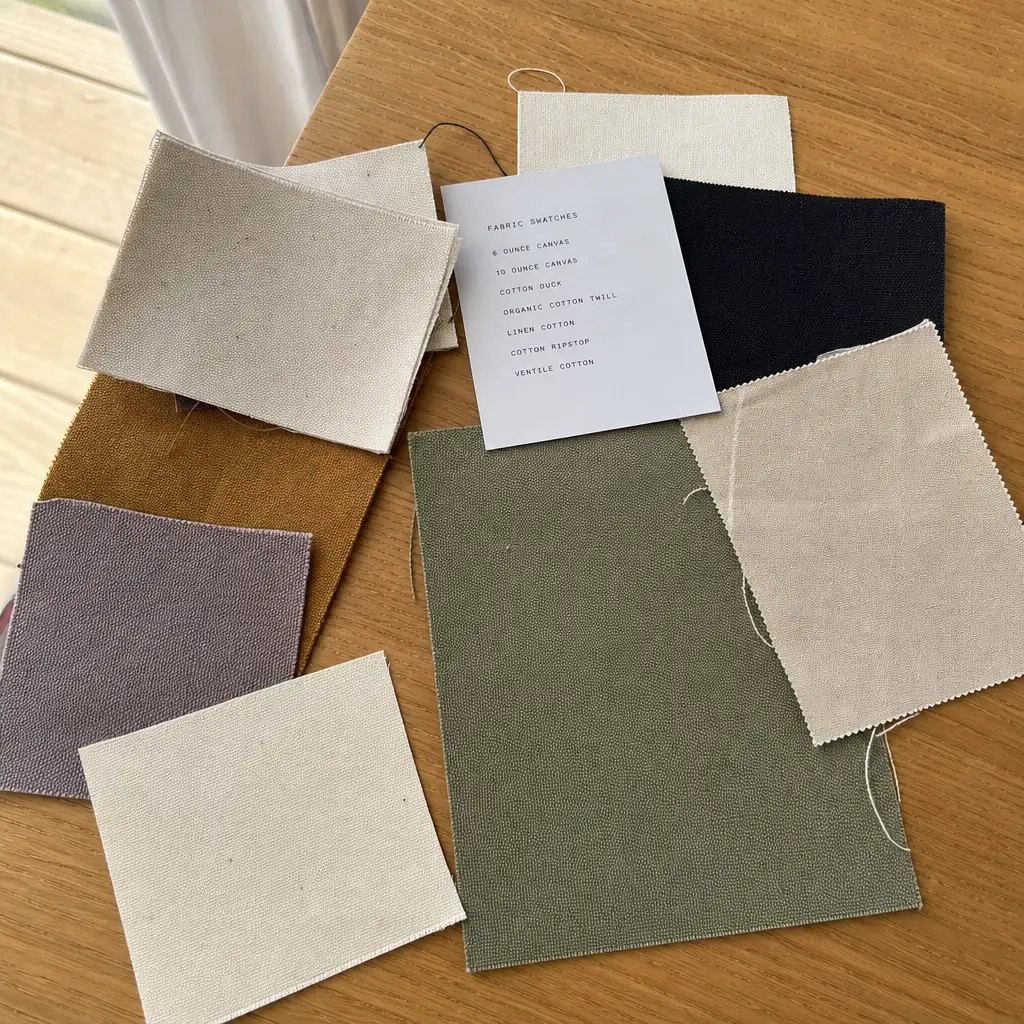
- Can you provide a material swatch, print strike-off, and full pre-production sample before bulk cutting?
- What handle pull test standard or internal test method do you use for this bag construction?
- What is the lead time for sampling, bulk production, final inspection, and export packing after artwork approval?
- How many pieces per carton, what carton size, and what gross weight should we use for freight estimation?
- What tolerance do you apply for bag size, print placement, jute shade, and order quantity overrun or underrun?
Quality-control points to confirm
- Jute GSM should match approved sample within the agreed tolerance and should not be substituted without written approval.
- Bag dimensions should stay within practical retail tolerance, commonly plus or minus 1 cm for width and height unless otherwise agreed.
- Print placement should be measured from fixed panel edges, not judged visually from the handle position.
- Screen print ink should be dry, rub-resistant, and free from major pinholes or ink buildup on the jute texture.
- Handle attachment should include reinforced stitching and pass the agreed load test for the intended spa retail contents.
- Lamination should not show cracking, bubbling, strong chemical odor, or delamination at fold lines.
- Jute panels should be free from large oil stains, mold marks, broken yarn clusters, and sharp fiber fragments.
- Cartons should be dry, correctly labeled, and packed to avoid crushing, deep creasing, and handle deformation.