Why Jute Tote Bag Material Choice Matters for Spa Retailers
Spa retailers use jute tote bags as gift-with-purchase items, retail carry-out bags, or branded merchandise sold at the counter. The material choice directly affects how the bag feels to a spa client, how long it lasts, and whether it reinforces the brand's natural, eco-friendly image. A bag that sheds fibers onto a client's new robe or collapses under the weight of a shampoo bottle creates a negative brand experience.
The jute market has wide quality variation. A 280 GSM bag made from Grade 1 Bangla White jute feels smooth and uniform. The same GSM made from Grade 3 jute will have visible woody particles and a rough texture. Spa buyers often pay a premium for the natural look but receive a lower grade without knowing it. This guide helps you specify the right material and verify it during production.
- Jute grade determines fiber softness and uniformity
- GSM affects bag structure and load capacity
- Lining choice impacts product protection and eco-claims
- Print method compatibility varies with jute surface texture
Jute Grades: What Every Spa Buyer Should Know
Jute is graded from 1 to 5 based on fiber length, color, and cleanliness. Grade 1 (Bangla White) has the longest fibers, lightest color, and fewest woody particles. Grade 3 is the most common in commodity bags—it has more defects but is cheaper. For spa retail, Grade 1 or Grade 2 is recommended because the bag will be handled directly by clients and should feel pleasant.
A common supplier trick is to quote a 'natural jute bag' without specifying grade, then ship Grade 3 material. The buyer sees the bag only after production. To avoid this, include the grade in your RFQ and request a fiber sample card before bulk production. The cost difference between Grade 1 and Grade 3 is roughly 8–12% on the material line, but the perceived quality difference is much larger.
- Grade 1: Long fibers, light color, minimal woody stalks—best for spa retail
- Grade 2: Slightly shorter fibers, acceptable for mid-range bags
- Grade 3: Common for promotional giveaways, but rough texture and visible defects
- Always request a fiber sample card with grade labeled
GSM Selection: Finding the Right Weight for Your Spa Products
GSM (grams per square meter) determines the fabric's thickness and stiffness. For a standard spa tote that carries a towel, lotion bottle, and small accessories, 280–350 GSM is the sweet spot. Bags under 250 GSM feel flimsy and may not stand upright. Bags over 400 GSM become heavy and expensive to ship, and the stiffness can make folding or packing difficult.
Ask your supplier for a GSM range rather than a single number. Jute is a natural fiber and GSM can vary by up to 10% within a single roll. If your spec says 300 GSM, accept 285–315 GSM. If the supplier cannot guarantee this tolerance, find another source. Also request a swatch—not just a number—so your team can feel the fabric before committing.
- 280–350 GSM: Ideal for standard spa retail totes
- Under 250 GSM: Too flimsy for moderate loads
- Over 400 GSM: Adds shipping cost without proportional benefit
- Request a GSM tolerance of +/- 10% in your spec
Lining Options: Cotton, Poly-Cotton, or No Lining?
Unlined jute bags are cheaper and more eco-friendly, but they shed fine fibers onto contents. For spa products like candles, soaps, or skincare bottles, this can be a problem. A cotton or poly-cotton lining (120–150 GSM) prevents shedding and gives the bag a finished interior. Cotton lining supports the eco-claim; poly-cotton is more durable and slightly cheaper.
Vinyl or PE-coated linings are sometimes offered but should be avoided for spa retail. They add weight, complicate recycling, and contradict the natural image. If you choose a lining, ask for a half-bag mockup with the lining stitched in to check the fit and finish. The lining should be sewn separately and attached at the top seam, not glued.
- Cotton lining: Best for eco-branding, 120–150 GSM
- Poly-cotton lining: More durable, slightly lower cost
- Vinyl lining: Avoid for spa—adds weight and hurts eco-claims
- Always request a stitched mockup to check lining fit
Strap Attachment: The Most Common Failure Point
The strap attachment is where most jute tote bags fail. A single row of stitching without reinforcement will tear after 20–30 uses, especially if the bag carries 3–5 kg. For spa retail, where clients may reuse the bag for groceries or travel, the strap must be double-stitched with a bartack (reinforced stitching) at each stress point.
Ask your supplier for a strap pull test report. The standard for a 3 cm wide jute strap should be a minimum 15 kg break strength. If the supplier cannot provide a test report, request a sample and test it yourself. The cost of adding bartack reinforcement is about 0.03 USD per bag—a small price to avoid returns and negative reviews.
- Double-stitched with bartack: Minimum requirement for spa retail
- Single-stitch straps: Risk of tearing within 20–30 uses
- Request a pull test report: 15 kg minimum for 3 cm strap
- Bartack reinforcement adds ~0.03 USD per bag
Print Method Compatibility: What Works on Jute
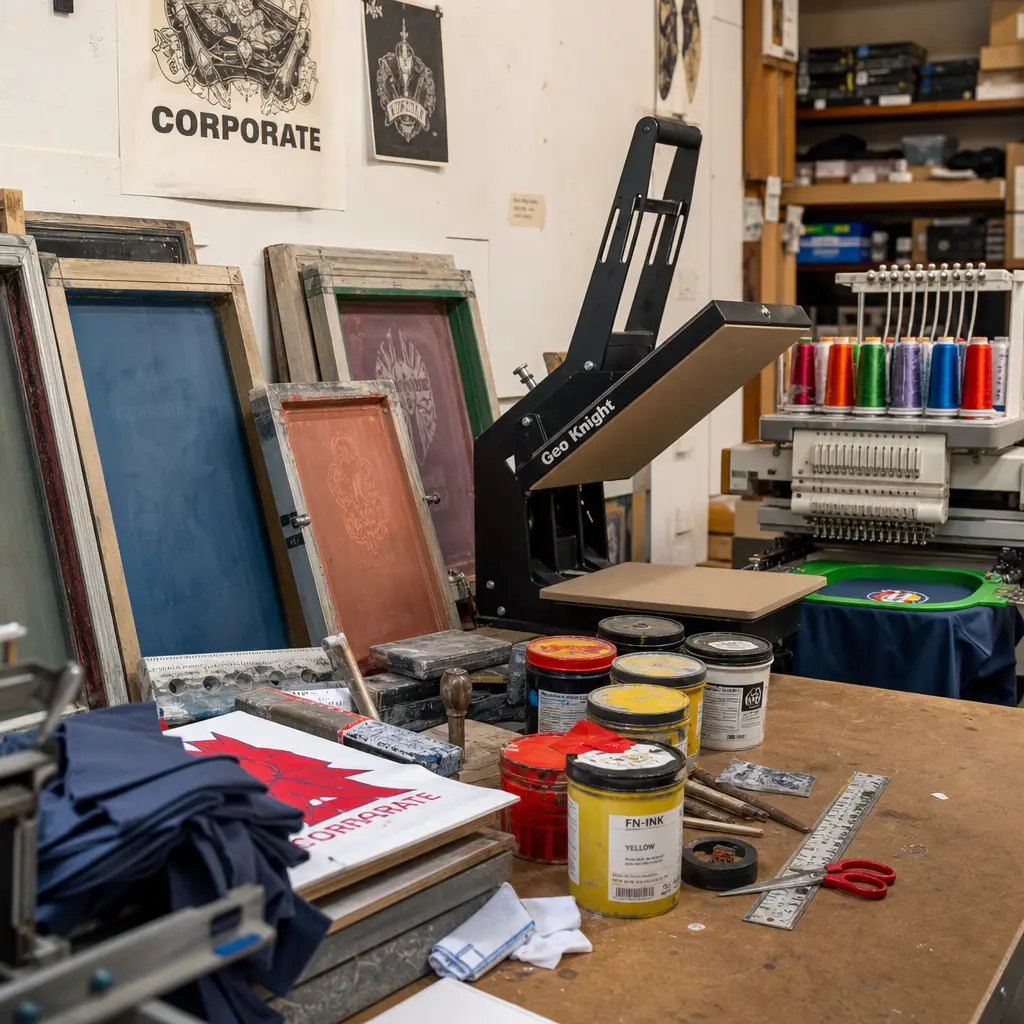
Jute has a rough, uneven surface that limits print options. Screen printing with water-based ink is the most reliable method for simple logos and 1–2 color designs. The ink absorbs into the fibers and holds well if cured properly. Heat transfer printing is not recommended—the adhesive often peels off within weeks because the jute surface is too irregular.
Digital printing on jute is possible but requires a smooth surface that jute does not have. Some suppliers apply a coating to the jute before digital printing, but this adds cost and changes the hand feel. For spa retail, stick with screen printing. Request a wash test on a printed sample: the ink should not fade or crack after 10 gentle hand washes.
- Screen print (water-based ink): Best for jute, 1–2 colors
- Heat transfer: Avoid—peels easily on rough jute surface
- Digital print: Requires coating, changes texture, adds cost
- Request a wash test: 10 gentle hand washes without fading
Gusset Design and Bag Structure for Retail Display
A flat gusset (6–8 cm) allows the bag to stand upright on a retail counter, which is important for spa display. Without a gusset, the bag collapses and looks messy. Too wide a gusset wastes material and increases the flat shipping cost because the bag takes up more carton space. Measure the gusset width in your spec and verify it in the pre-production sample.
The bag's overall dimension should also be considered. A typical spa tote is 35 cm wide x 40 cm tall x 8 cm gusset. This fits a standard towel or a set of small products. If you plan to ship the bags flat, ask the supplier to measure the carton cube per 100 bags. A bag with a 10 cm gusset may require 15% more carton space than one with a 6 cm gusset.
- Flat gusset 6–8 cm: Ideal for standing upright on counter
- No gusset: Bag collapses, poor display
- Wide gusset (>10 cm): Wastes material and shipping space
- Verify gusset width in pre-production sample
MOQ Logic: What to Expect and How to Negotiate
For jute tote bags, the typical MOQ is 500–1,000 pieces per design. This is because jute yarns are produced in lots, and smaller runs require hand-loom weaving, which is slower and more expensive. If you need a lower MOQ for a trial, ask about using leftover yarns—but verify the color consistency. Leftover yarns from different lots can have noticeable shade variation.
Some suppliers offer a 'stock bag' program where you can order 100–200 pieces with your print only. These bags use standard dimensions and materials. The trade-off is limited customization: you cannot change the GSM, gusset width, or lining. For a first-time spa trial, this can be a good way to test the market before committing to a full MOQ.
- Standard MOQ: 500–1,000 pieces per design
- Lower MOQ possible with leftover yarns—check color consistency
- Stock bag program: 100–200 pieces, limited customization
- Trial before committing to full MOQ
Sample Approval Process: Avoiding Production Surprises
Always request a pre-production sample (PPS) made with the actual bulk materials before production starts. A hand-made sample is faster (7–10 days) but may not represent the bulk quality because hand-weaving is tighter and more uniform. A machine-made sample takes longer (15–18 days) but is more accurate. If your budget allows, request both.
During sample approval, check the following: jute grade (look for woody stalks), GSM (weigh the sample), strap stitching (count rows and check bartack), print alignment (measure from bag edge), and lining fit (should be smooth without wrinkles). Approve the sample in writing and keep a reference sample for the factory to match during production.
- Hand-made sample: 7–10 days, faster but less representative
- Machine-made sample: 15–18 days, more accurate for bulk
- Check grade, GSM, stitching, print alignment, lining fit
- Keep a reference sample for production matching
Packing and Shipping: Protecting Your Bags in Transit
Jute bags should be packed flat, not folded, to avoid permanent crease marks. Each bag should be nested inside the next to minimize carton volume. Ask the supplier for a carton packing list that includes individual bag weight, carton dimensions, and carton cube. This helps you calculate landed cost and container utilization.
For spa retail, consider adding a polybag around each bag to protect against dust and moisture during shipping. This adds about 0.02 USD per bag but prevents complaints about dirty or damp bags. If your bags have a lining, ensure the polybag is breathable (perforated) to avoid mildew. Request a packing photo or video before the container is sealed.
- Pack flat, not folded, to avoid crease marks
- Nest bags to minimize carton volume
- Request carton packing list with weight and cube
- Consider polybag protection for dust and moisture
Specification comparison for buyers
| Spec decision | Recommended option | When it fits | Buyer risk to check |
|---|---|---|---|
| Jute grade | Bangla White (Grade 1) | High-end spa retail or gift with purchase | Lower grades (Grade 3/4) have more woody stalks, rougher feel, and may shed fibers on light-colored garments |
| Fabric weight (GSM) | 280–350 GSM | Standard spa tote for lotions, candles, towels | Under 250 GSM bags lack structure and collapse under moderate weight; over 400 GSM increases cost and shipping weight without proportional durability gain |
| Lining type | Cotton or poly-cotton (120–150 GSM) | Bags that carry small items or need a clean interior finish | Unlined jute can shed fibers onto products; vinyl lining adds cost and reduces eco-claims |
| Strap attachment | Double-stitched with reinforced bartack | Any bag expected to carry 3–5 kg regularly | Single-stitch straps tear at the seam after 20–30 uses; bartack reinforcement adds ~0.03 USD per bag but prevents returns |
| Print method | Screen print (water-based ink) | Logos or simple 1–2 color designs on flat panels | Heat transfer on jute often peels within weeks; digital print requires a smooth surface that jute does not have |
| Bottom gusset | Flat gusset (6–8 cm) | Bags that need to stand upright on a retail counter | No gusset = bag flops over; too wide a gusset wastes material and increases flat shipping cost |
| Color options | Natural jute (undyed) or low-impact reactive dye | Brands that emphasize eco-positioning | Reactive dyes on jute have poor lightfastness; expect fading after 3–4 months of display window exposure |
| MOQ range | 500–1,000 pieces per design | First-time spa trial or seasonal promotion | MOQs below 500 often use leftover yarns with inconsistent color; verify yarn lot consistency in pre-production sample |
| Sample lead time | 7–10 working days for a hand-made sample | Any order where print placement or handle length is critical | Machine-made samples take 15–18 days but are more representative of bulk; ask for both if possible |
Buyer checklist before sampling
- Confirm jute grade and request a fiber sample card before placing bulk order
- Specify GSM range in the RFQ and ask for a swatch to verify hand feel
- Decide on lining material and get a lining sample stitched into a half-bag mockup
- Request a strap pull test report (minimum 15 kg break strength for 3 cm wide strap)
- Verify print method and ask for a wash/fade test on a printed sample
- Check gusset width and measure the flat bag dimension for shipping carton fit
- Ask for a pre-production sample (PPS) with actual bulk materials before production
- Confirm MOQ per color and per print design separately
- Request a carton packing list with individual bag weight and carton cube
- Ask for a lead time commitment that includes sample approval days
Factory quote questions to send
- What jute grade do you use as standard, and can you quote a higher grade separately?
- What is the exact GSM of your standard jute fabric, and what is the tolerance (+/-)?
- Do you offer cotton lining as standard, or is it a separate line item?
- What is the break strength of your standard strap attachment?
- Which print methods do you recommend for jute, and what is your minimum print order?
- Can you provide a reference sample from a recent spa or retail order?
- What is your MOQ for a custom color weft (if we want a colored stripe)?
- How do you pack the bags—flat or folded—and what is the carton cube per 100 bags?
- What is your lead time from PPS approval to shipment?
- Do you charge separately for a hand-made sample vs. a machine-made sample?
Quality-control points to confirm
- Inspect jute fiber for excessive woody stalks (should be <5% of visible surface)
- Measure GSM on three random spots per roll; reject if any spot is more than 15% below spec
- Check strap stitching: minimum 3 rows of stitching with bartack at stress points
- Verify print alignment within 2 mm tolerance on both sides of the bag
- Perform a 5 kg static load test on a sample bag for 24 hours
- Check lining seam strength: pull seam apart by hand; no gap should open more than 2 mm
- Measure gusset width against spec: tolerance +/- 5 mm
- Weigh 10 random bags from the production run; average weight should be within 5% of spec
- Inspect carton packing: bags should be nested flat, not folded, to avoid crease marks
- Request a video of the production line for the first 100 bags of your order