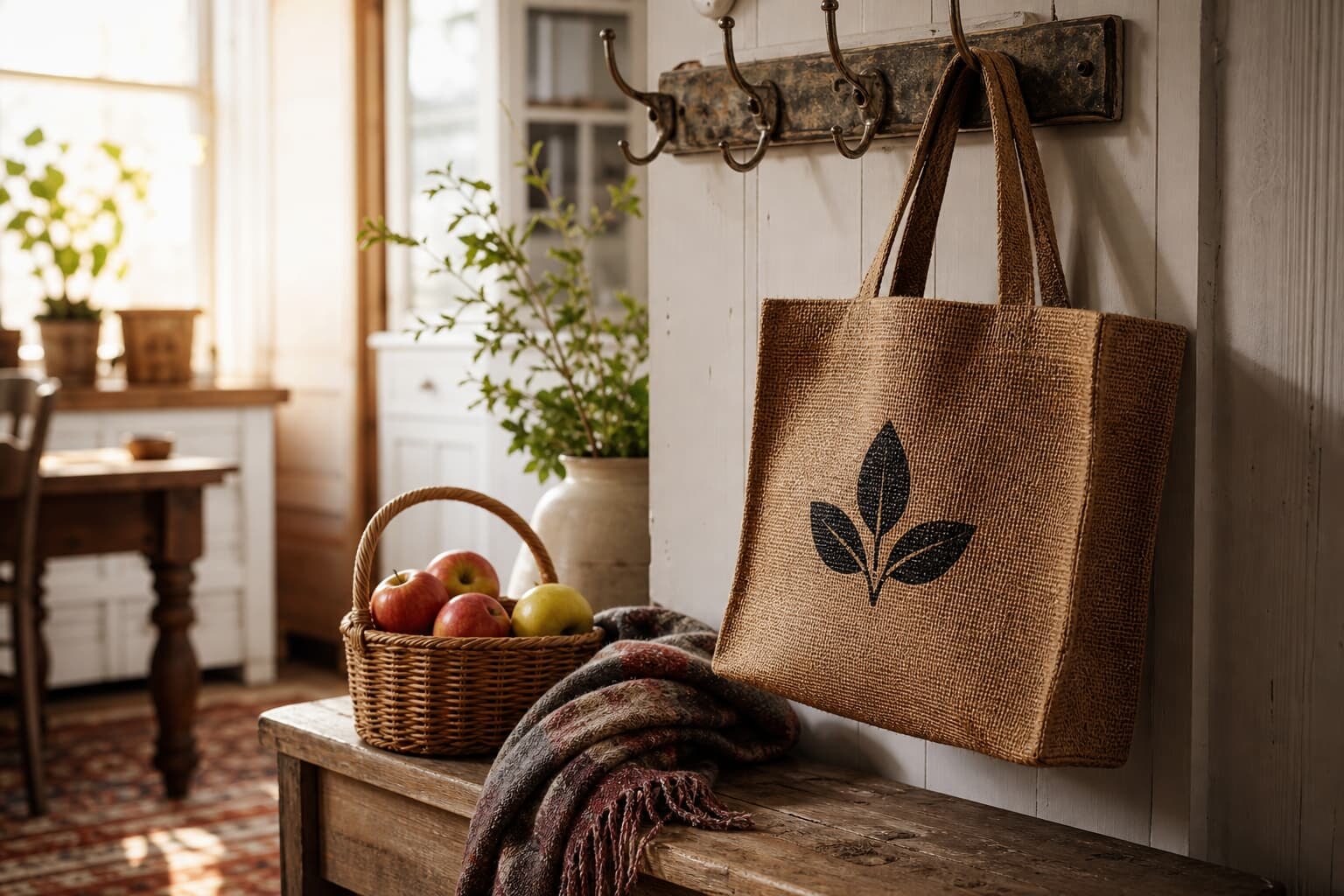
Why a Rollout Checklist Matters for Jute Burlap Bags
A jute burlap bag looks simple until procurement has to roll it out across stores, events, distributors, or seasonal retail programs. The common buying mistake is treating it like a standard tote bag and comparing only size and unit price. In reality, jute GSM, weave openness, lamination, handle construction, print behavior, odor, carton packing, and lead time control all change the final result. If these points are not fixed before the purchase order, the buyer may receive a bag that is technically close to the quote but not suitable for retail use.
This checklist is built for wholesale buyers who need repeatable production, not a one-time sample that looks good in photos. Use it before sending your RFQ, during quote comparison, and again before approving the pre-production sample. The goal is to make every supplier quote the same bag construction so your procurement team can compare real cost, not guess what was included or omitted.
- Use the checklist before requesting prices, not only after receiving samples.
- Treat jute burlap as a structured textile product with natural variation, not as a uniform plastic bag.
- Lock material, construction, branding, packing, and inspection rules in writing before bulk production.
- Compare suppliers by confirmed specifications and risk control, not by the lowest headline unit price.
Start With the Rollout Use Case, Not the Bag Size
The first RFQ line should explain how the bag will be used. A jute bag for a wine bottle launch, a farm shop retail bag, a grocery loyalty program, and a cosmetics gift set may all share similar burlap fabric, but the right construction is different. A grocery bag needs handle comfort and load strength. A gift bag needs clean presentation, stable shape, and controlled odor. A promotional event bag may need lower cost and fast packing, but still needs reliable print visibility.
If the use case is unclear, the factory will quote the safest or cheapest version based on its own assumptions. That is where problems start. A supplier may offer a light unlaminated jute fabric for a retail bag that needs to stand upright, or quote a laminated bag when the brand message requires a more natural handfeel. A good rollout checklist turns the buyer's commercial purpose into measurable production requirements.
- Retail shopping bag: prioritize shape retention, clean seams, handle comfort, and carton presentation.
- Event giveaway: prioritize MOQ, print speed, carton efficiency, and acceptable logo visibility.
- Wine or bottle bag: prioritize bottom strength, divider accuracy if used, and handle pull resistance.
- Gift packaging: prioritize odor control, fabric shade consistency, logo alignment, and low fiber shedding.
- Distributor stock item: prioritize repeatable GSM, standard carton packing, and stable reorder specifications.
Lock Fabric GSM, Weave, Lamination, and Natural Variation
Jute burlap is not a flat synthetic fabric. It has slubs, color variation, thicker and thinner yarn areas, and an open weave. These features are part of the natural appearance, but they must still be controlled. For wholesale tote and shopping bags, many buyers specify around 260-320 GSM for laminated jute or 280-360 GSM for unlaminated jute, depending on size and load target. Heavier fabric gives better structure but increases cost, sewing bulk, carton weight, and freight.
Lamination is one of the biggest quotation differences. Clear PP lamination inside the fabric helps the bag stand, reduces stretching, and improves moisture resistance, but it can create odor, crease marks, and a more synthetic feel. Unlaminated jute feels more natural and can suit premium rustic packaging, but it may shed more fibers and collapse more easily. Your RFQ should say whether lamination is required and whether the quoted GSM is measured before or after lamination.
- Ask for GSM tolerance, for example quoted GSM plus or minus an agreed range.
- Request a fabric swatch from the same available lot whenever possible.
- Define whether small natural slubs and color variation are acceptable or must be limited.
- Check whether dyed jute needs extra lead time and whether colorfastness testing is required.
- Confirm if lamination is inside only, outside, both sides, or not included.
Choose Construction Details That Match Real Loading
The most expensive complaint on a jute burlap bag is usually not the fabric itself. It is handle failure, torn seams, distorted gussets, or a bottom that cannot hold the intended product. For wholesale orders, the construction should be specified as clearly as the dimensions. Include handle material, handle width, handle drop, stitch type, reinforcement pattern, seam binding, bottom shape, and whether the bag must stand upright.
Handle selection is both a cost and performance decision. Cotton webbing is comfortable and prints a softer brand image. Jute webbing gives a consistent natural look but can feel rougher. Rope handles can work for wine or gift bags but need strong anchoring. For heavier retail or grocery use, ask the factory how it tests handle pull strength and whether the test is static loading, hanging time, repeated lifting, or a simple manual check.
- Specify handle drop in centimeters, not only handle length, because sewing position changes carrying comfort.
- Use reinforced box stitching or cross stitching for higher load requirements.
- Ask whether inner seams are bound with cotton tape, non-woven tape, or left raw.
- For boxed bottom bags, check gusset corner sewing because this is a common failure point.
- For wine bags, test the bottle base pressure and handle pull together, not separately.
Plan Print Method Before Comparing Prices
Jute burlap has an uneven surface, so logo printing behaves differently than printing on cotton canvas or non-woven fabric. Screen printing is the normal choice for solid logos, short text, and simple brand marks. It is cost-effective for wholesale quantities, but fine lines can break on the weave and large ink areas may look less smooth than on canvas. Heat transfer can support more detail, but it may look less natural and must be checked for adhesion, edge lifting, and flexibility on laminated surfaces.
Do not send only a logo image and ask for the cheapest printing. Provide vector artwork, Pantone references, print size, print location, distance from bag edge, and acceptable position tolerance. If the bag has a gusset or curved side panel, mark whether the logo should be centered on the flat front panel or centered after the bag is opened. These small instructions prevent a common bulk issue: the logo looks centered when flat but shifts visually when the bag is filled.
- Use screen print for one to three solid colors and bolder artwork.
- Use a sewn cotton label or woven label when low MOQ or fabric texture makes direct printing risky.
- Request a strike-off on the actual jute fabric before approving the full sample.
- Avoid very small text, thin lines, and tight registration unless the factory proves it on the same material.
- Confirm whether print setup charges are included per color, per side, and per artwork version.
Understand MOQ Logic and Quote Structure
MOQ for jute burlap bags is not only a sales rule. It is often driven by fabric roll availability, lamination setup, handle dyeing, print screens, cutting efficiency, and carton configuration. A buyer may ask for five sizes, three logos, and two handle colors, then expect the supplier to treat the order as one MOQ. In production, each variation may create separate material and printing setup. If the RFQ does not separate these details, the quote will look attractive but later change during order confirmation.
A useful quote should show what is included, what is optional, and what changes the price. Ask the supplier to break out the cost impact of GSM, lamination, handle upgrade, print colors, inner label, individual polybag, barcode label, export carton strength, and palletization if needed. You do not need every factory to reveal its full costing formula, but you do need enough structure to understand why one supplier is cheaper and whether the cheaper quote removed something important.
- Ask MOQ per size, per print design, per fabric color, and per handle color.
- Confirm whether overrun or underrun quantity is allowed and how it will be invoiced.
- Request separate prices for one-color print, two-color print, and label branding if artwork is not final.
- Ask whether sampling charges are refundable or separate from bulk order value.
- Compare carton volume and gross weight because a lower unit price may create higher freight cost.
Sample Approval Should Reproduce Bulk Conditions
A showroom sample is not enough for a jute burlap bag rollout. It may use available fabric, hand-cut panels, substitute handles, or a different print process from the bulk order. For procurement control, the pre-production sample should use the quoted GSM, actual lamination, final handle material, final logo method, intended inner label, and proposed packing method. If the production bag will be dyed or custom laminated, the sample should not be approved from natural stock fabric unless the buyer accepts that risk in writing.
Sample review should be more than visual approval. Measure the size, handle drop, gusset, print position, seam width, and carton fit. Load the bag with the intended product weight and lift it repeatedly. Smell the bag after it has been closed in a polybag or carton for at least a short period, because odor is often stronger after confinement. Keep one signed approval sample with procurement or quality control and ask the factory to keep the same sealed sample for production reference.
- Approve fabric swatch before full sample if GSM, shade, or lamination is critical.
- Approve print strike-off before sewing if the logo has tight color or detail requirements.
- Mark sample comments directly on photos and in a written approval sheet.
- Do not approve bulk production from a sample with substitute handles unless the substitution is recorded.
- Reject samples that look acceptable but fail the intended loading or packing test.
Packing, Carton Count, and Moisture Control
Packing affects the delivered appearance of jute burlap bags. Laminated jute can crease if it is compressed too tightly. Unlaminated jute can shed fibers if loose bags rub inside the carton. Structured shopping bags may arrive distorted if carton dimensions are chosen only to reduce volume. Before confirming the order, ask for pieces per carton, carton dimensions, gross weight, packing direction, use of inner liner, and whether bags are flat packed, folded, nested, or bundled.
Moisture control is also important. Jute is a natural fiber, and long ocean shipments or humid storage conditions can increase odor, mildew risk, and carton softness. Avoid vague instructions such as export packing only. Specify moisture barrier carton liners, dry carton storage, clean pallet handling if required, and inspection before container loading. If the bags will go directly to retail locations, carton marks, barcodes, SKU labels, and packing lists should be checked before shipment rather than corrected in the destination warehouse.
- Confirm carton count and allowable count tolerance before final inspection.
- Ask for carton drop strength if the cartons are heavy or handled by parcel networks.
- Avoid over-compression when laminated panels must remain flat and presentable.
- Use clear carton marks for SKU, color, size, PO number, and destination if the rollout has multiple versions.
- Request carton photos and packing photos as part of shipment approval.
Lead Time Control for a Wholesale Rollout
Lead time should start from a clear trigger, not from the first inquiry. For jute burlap bags, real production timing usually starts after artwork confirmation, sample approval, deposit or payment arrangement, material booking, and final packing instructions. If any of these are missing, the supplier may reserve capacity but not start cutting. Procurement teams should build a timeline with separate dates for quote confirmation, swatch approval, sample completion, sample comments, production start, inline check, final inspection, and delivery booking.
Seasonal retail programs need extra caution because jute fabric supply, print workshop capacity, and export bookings can tighten at the same time. If the rollout has many SKUs, split approvals can delay the whole order. One late logo file or unapproved handle color may hold the factory from cutting shared fabric. Ask the supplier which parts can start in parallel and which parts must wait for full approval. This helps you decide whether to approve common materials first while final artwork is still being checked.
- State required delivery date and work backward through production, inspection, booking, and transit.
- Separate sample lead time from bulk production lead time.
- Ask whether fabric is in stock or must be woven, dyed, or laminated after order confirmation.
- Confirm the latest artwork approval date that still protects the delivery plan.
- Include inspection and rework time instead of assuming final inspection will always pass first time.
Final Inspection and Acceptance Criteria
The final inspection should compare bulk goods against the approved sample and written specification. For jute burlap bags, the inspector should not reject every natural yarn slub or shade variation, but should reject problems that affect use, brand presentation, or shipment accuracy. Define these points before production: acceptable size tolerance, print position tolerance, major print defects, odor level, stains, broken yarns, loose seams, handle misalignment, wrong carton count, and damaged export cartons.
AQL inspection can be used, but the defect list must match the product. A generic textile checklist may miss burlap-specific issues such as shedding at raw seams, sharp lamination creases, uneven bag standing, fabric holes caused by open weave defects, and handle stitches pulling through the jute. If the order is for retail delivery, ask the inspector to open cartons from different parts of the shipment and check whether the packing method protects the bag shape after stacking.
- Major defects: broken handle, open seam, wrong logo, severe stain, wrong size, strong odor, or incorrect carton count.
- Minor defects: small natural slub, slight shade variation, minor loose fiber, or small print texture caused by normal weave.
- Functional checks: load test, handle pull, seam strength, standing shape, and gusset stability.
- Brand checks: logo color, logo position, print clarity, label placement, and retail-facing panel cleanliness.
- Shipment checks: carton marks, packing list, moisture condition, carton strength, and pallet or container loading photos.
Specification comparison for buyers
| Spec decision | Recommended option | When it fits | Buyer risk to check |
|---|---|---|---|
| Fabric weight | 260-320 GSM laminated jute or 280-360 GSM unlaminated jute | Retail gift bags, farmers market bags, wine bags, promotional totes, and reusable shopping bags | Too light may collapse or show uneven weave; too heavy raises freight cost and can make seams bulky |
| Lamination | Clear PP lamination inside for shape and moisture resistance; unlaminated for rustic natural feel | Laminated for structured retail packaging; unlaminated for eco-led campaigns where natural handfeel matters | Confirm odor, crease marks, recyclability claims, and whether lamination affects print adhesion |
| Handle type | Cotton webbing, jute webbing, rope, or padded cotton tape with reinforced box stitching | Cotton webbing for comfort; jute webbing for a uniform natural look; rope for gift and wine bags | Handle length, breaking strength, colorfastness, and stitch reinforcement are often missing from cheap quotes |
| Print method | Screen print for solid logos; heat transfer only for detailed multi-color graphics; woven or cotton label for low-MOQ branding | Screen print suits most wholesale jute bags; labels suit small batches or rustic premium branding | Ink bleeding through open weave, poor registration, cracking on laminated surfaces, and color mismatch to Pantone |
| Bag construction | Bound inner seams, gusset reinforcement, and boxed bottom for load stability | Retail shopping bags and promotional giveaways that need to stand upright | Raw seams can shed fibers; weak gusset corners cause early failure during load testing |
| Packing method | Flat pack or nested pack with moisture barrier carton liner and export carton marks | Flat pack for lower carton volume; nested pack for structured laminated bags | Compression can crease laminated panels; loose packing can deform shape before retail rollout |
| Sample approval | Pre-production sample with real fabric, real logo, actual handle, carton plan, and measured dimensions | Any branded order where launch timing, retail presentation, or franchise consistency matters | Approving a photo or substitute fabric sample creates disputes when bulk color, stiffness, or odor differs |
| MOQ logic | MOQ based on fabric availability, print setup, handle dyeing, and carton efficiency | Programs with multiple SKUs, regional rollouts, or mixed logo versions | A low MOQ may hide higher unit cost, fabric substitution, or no room for replacement quantity |
Buyer checklist before sampling
- Define bag use: giveaway, retail packaging, grocery, wine, gift, event, or reusable shopping program.
- Confirm target dimensions with tolerance, including width, height, bottom gusset, side gusset, and handle drop.
- Specify jute fabric weight in GSM and whether the bag is laminated, unlaminated, dyed, or natural.
- State required load capacity and whether the supplier must perform handle pull, seam strength, and bottom load checks.
- Choose print method and provide vector artwork, Pantone references, print size, print position, and logo placement tolerance.
- Ask for fabric swatch, handle swatch, print strike-off, and full pre-production sample before bulk approval.
- Clarify MOQ by style, size, print color, fabric color, handle type, and shipping carton configuration.
- Request quote breakdown for fabric, lamination, handle, printing, inner label, packing, mold or screen charge, and inland handling.
- Confirm packing method, carton size, carton weight, moisture control, barcode or carton mark rules, and pallet requirements.
- Lock production lead time by approval date, not by inquiry date, and include final artwork, deposit, sample approval, and material booking milestones.
Factory quote questions to send
- What exact jute fabric GSM are you quoting, and is the weight measured before or after lamination?
- Is the jute natural, dyed, bleached, or blended with another fiber, and can you send a real swatch from available stock?
- What lamination type and thickness are included, and will the bag have noticeable odor after packing?
- Which handle material, width, length, and stitching pattern are included in the quote?
- What is the maximum safe loading weight you recommend for this construction, and how do you test it?
- Which print method are you quoting, and how many print colors, screens, or setup charges are included?
- Can you provide a print strike-off on the same jute fabric before the full pre-production sample?
- What is the MOQ per size, per logo, per fabric color, and per handle color?
- What dimensions and tolerances will you guarantee in bulk production?
- How many pieces per carton, what carton size, and what estimated gross weight are you quoting?
Quality-control points to confirm
- Measure fabric GSM from approved swatch and bulk cutting lot; do not rely only on supplier catalog descriptions.
- Check bag dimensions after sewing and shaping, not only from the flat cutting pattern.
- Test handle strength with realistic loading and repeated lift cycles, especially for grocery and wine bag orders.
- Inspect print adhesion, ink coverage, edge sharpness, and registration on the same weave and lamination used in bulk.
- Smell-check laminated and dyed bags after carton closure because odor often appears stronger after packing.
- Check seam binding, loose fibers, raw edges, and bottom gusset corners where burlap shedding and seam failure usually start.
- Verify carton count, carton marks, barcode placement, polybag use, and moisture barrier before goods leave the factory.
- Compare final shipment to signed approval sample for fabric shade, stiffness, handle color, and logo position.