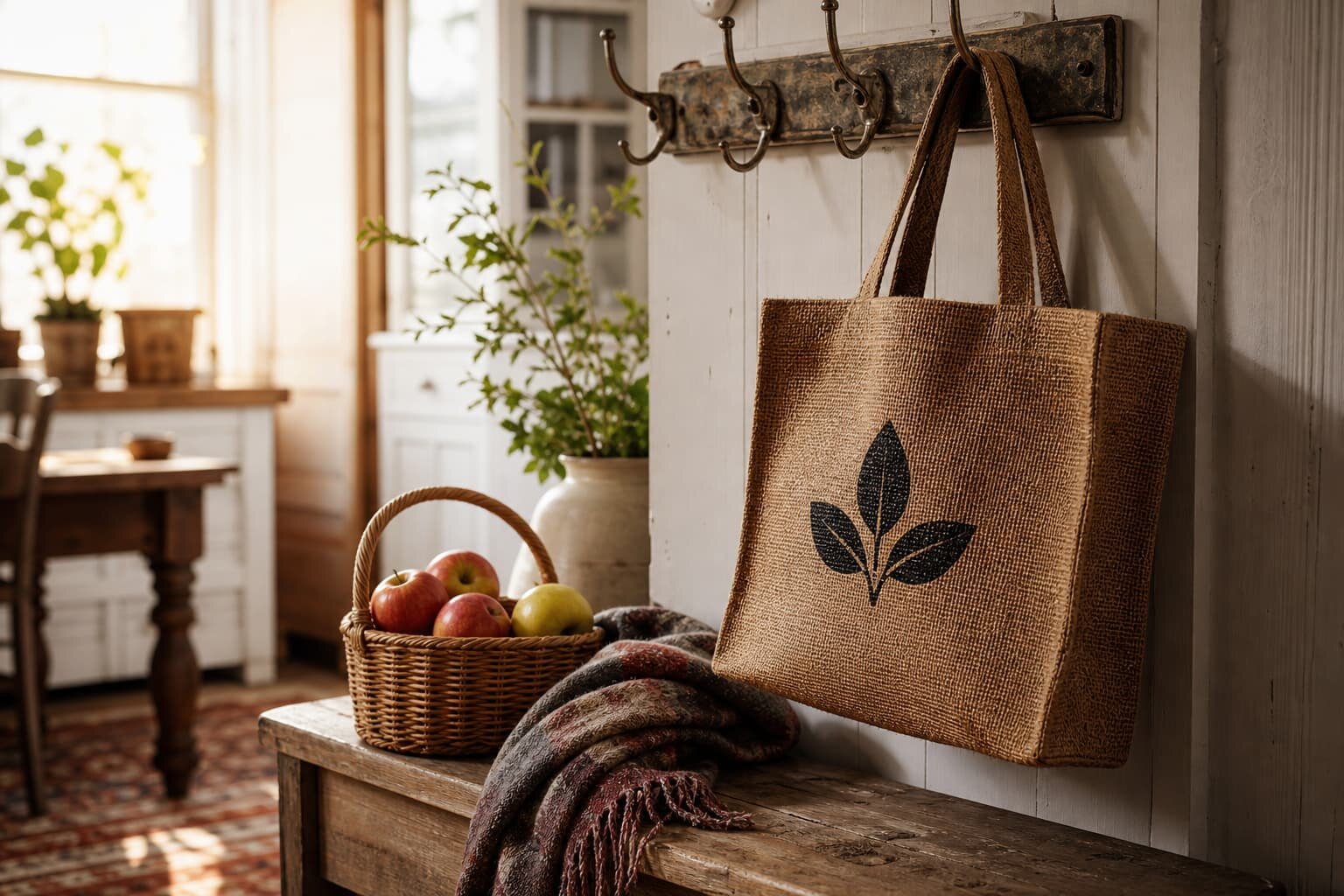
Why a weave variation record matters
Jute burlap is a natural material, so buyers should expect some variation from roll to roll. The problem is not variation itself. The problem is when the factory and the buyer never agree on how much change is acceptable. A weave variation record turns a vague fabric description into a buying tool. It gives procurement teams a shared reference for texture, density, slub level, and overall fabric behavior before the bulk order starts.
Without that record, a supplier can quote one cloth and ship another cloth that still looks like jute but performs differently. Print edges may spread, seams may pull, and the bag can feel softer or rougher than expected. For brands and importers, the record is not just quality paperwork. It is how you keep one factory quote comparable to the next and avoid arguments after production.
- It reduces disputes over natural variation by defining the acceptable range up front.
- It helps compare supplier quotes on the same fabric basis.
- It protects print quality, bag strength, and shelf appearance.
Start with the fabric definition, not the bag size
Many RFQs begin with size, handle length, and logo placement, but that is the wrong order for burlap. Start with the fabric definition first. The record should state the fiber mix if any, the weave count or weave density, the yarn thickness, the target GSM, and whether the cloth is raw, cleaned, dyed, laminated, or lined. If the buyer skips that step, the factory may use a lower-cost cloth that still fits the size spec but fails on structure or appearance.
Also state how the weight is measured. Some suppliers quote GSM for raw cloth, while others quote finished bag weight after trimming or lamination. Those are not the same number. If the buyer wants a 300-340 GSM finished bag, say so directly. If the buyer wants a 10 x 12 inch pouch-like burlap item, specify the fabric weight, the seam allowance, and whether the body needs to stand upright or collapse flat.
- Record the fabric stage: raw cloth, cleaned cloth, printed cloth, or finished bag.
- State the target GSM and the allowed tolerance range.
- Note whether the buyer accepts natural slub, color fleck, and fiber variation.
Set an approved baseline sample
The best weave variation record always starts from a physical baseline sample. That sample should be signed by both sides and kept as the reference for future production. It should show the acceptable fabric tone, the usual slub pattern, the seam quality, the print behavior, and the expected handfeel. A photo alone is not enough because burlap changes character when you touch it, fold it, or sew through it.
The baseline should not be treated as a perfect one-off specimen. It should represent the level of variation the buyer is willing to accept in bulk. Ask the factory to mark the sample with a job number, date, measured GSM, and any special finishing steps. If the order uses multiple sizes, create a sample for each size rather than assuming the large bag and the small bag will behave the same way under the same cloth.
- Keep one signed master swatch in procurement and one at the factory.
- Attach the sample to the RFQ, PP file, and final inspection sheet.
- Write the measured GSM, weave notes, and print notes directly on the reference file.
Match weave density to the end use
The right weave depends on what the buyer plans to put in the bag. A looser burlap weave can work for lightweight gift packaging or a rustic promotional item, but it is risky when the bag needs crisp print edges or higher load support. A tighter weave usually gives better print control and a cleaner retail look, but it can increase cost and reduce the soft natural feel that some brands want. The point of the record is to choose the weave intentionally instead of accepting whatever the mill has in stock.
Think about the contents, not only the logo. A wine bag, a retail tote, a garden gift bag, and a promotional giveaway each tolerate different levels of openness and stiffness. If the bag will carry bottles, ceramics, or boxed merchandise, the fabric needs more body and better seam stability. If it is a decorative pack item, the buyer may accept a slightly more open weave as long as the appearance is consistent across the order.
- Open weave: lower cost and a rustic look, but more fray and print spread.
- Medium weave: the safest choice for most branded bags and repeat orders.
- Tighter weave: better structure and print clarity, but usually higher cost.
Choose the print method that the weave can support
Jute burlap is unforgiving when the logo is too detailed or the print method is mismatched to the fabric. Screen print is still the most practical option for many bulk orders because it can hold bold shapes and tolerate the texture better than more delicate decoration methods. Even then, the ink can sink into gaps if the weave is too open or the mesh and curing are not adjusted for burlap. If the logo includes small text, fine rules, or close registration, the buyer should request a strike-off on the actual production cloth before approving bulk work.
For highly textured cloth, a sewn patch, woven label, or simple one-color print often delivers a cleaner result than a complex decorated surface. Heat transfer can crack or lift on rough burlap, and embroidery can pucker if the backing is not managed properly. The record should state the method, the number of colors, the coverage area, and the acceptable effect on the natural weave. If the buyer wants a crisp retail look, the decoration choice needs to be part of the fabric decision, not an afterthought.
- Screen print fits bold logos and simple artwork best.
- Fine detail needs a strike-off on the exact production cloth.
- Sewn labels or woven patches can outperform fragile decoration methods on open weave.
Use sample checks that catch weave problems early
A good sample check should do more than approve the artwork. It should test how the cloth behaves when it is cut, stitched, folded, filled, and handled. Ask for a pre-production sample and inspect the seam line, handle anchor, edge fray, logo alignment, and dimensional accuracy. If the bag will sit on a shelf, check whether it stays upright or slumps. If it will ship flat, check whether the fold marks recover well or stay obvious after opening.
The best sample review also catches hidden production risks. Look for loose yarns near cut edges, uneven stitch density at stress points, print contamination on the backside, and odor or dampness from storage. For a burlap order, the buyer should ask for a simple load test and a rub test on the decorated area. Use the sample stage to decide what variation is acceptable, not only what looks good in a single photo.
- Check dimensions, seam strength, and handle attachment on every sample round.
- Request a load test that matches the intended use of the bag.
- Confirm that the print, cut edge, and fold line remain acceptable after handling.
Compare factory quotes on the same basis
The fastest way to overpay for jute burlap bags is to compare quotes that do not describe the same cloth. One factory may quote a lighter fabric, a simpler print, and plain packing, while another includes a more stable weave, better finishing, and export cartons with moisture protection. A weave variation record helps prevent that problem because it forces each supplier to quote against the same approved reference. Without that reference, the cheapest quote may simply be the least complete quote.
A useful quote should break out fabric spec, sewing labor, print method, logo size, packing format, carton count, and sample charges. If the buyer sees a low price, check whether the factory is hiding cost in heavier MOQ, slower lead time, or reduced inspection. In many bag programs, fabric and sewing drive most of the cost, while print, labels, and packing add the difference between a usable retail item and a commodity giveaway. Ask for the same quote basis from every supplier so the procurement team can compare real value, not just unit price.
- Request a line-by-line quote for fabric, sewing, print, labels, and packing.
- Ask whether the MOQ applies per color, per size, or per print version.
- Make sure sampling cost and tooling are separated from bulk unit price.
Plan packing and moisture control before approval
Jute absorbs moisture and can hold odor if it is packed badly. That makes packing part of the product spec, not just a logistics detail. If the bags are packed too tightly or stored in damp cartons, the fabric can arrive wrinkled, musty, or stained. If the bags are printed, rubbing in transit can also dull the logo surface. For that reason, the record should say how many pieces go in each inner pack, whether the bags are folded flat or left more open, and whether the cartons need liners or desiccants.
Lead time should also be documented in stages. A buyer needs to know the time for sample approval, the time to source or weave the approved fabric, the sewing queue, the print queue, and the final packing window. If the factory says the bulk lead time is 25 days, ask what happens when the weave approval changes or the print strike-off needs revision. The best suppliers can explain the schedule by process step. That makes the quote easier to trust and easier to manage.
- Use flat packing for most export orders unless the bag shape requires a different format.
- Add moisture protection if the route involves long sea transit or humid storage.
- Separate sample lead time from bulk lead time so schedule risk is visible.
Write acceptance criteria the inspector can use
A weave variation record only works if it becomes an inspection tool. The final acceptance criteria should tell the inspector what to check, how to measure it, and what deviation is still acceptable. That means dimensional tolerance, print placement, seam integrity, fabric weight, and visible weave appearance all need a written standard. For burlap bags, the eye test matters, but so do measurements. A bag that looks rustic can still fail if the handle is off-center, the seam pulls under load, or the fabric weight drops below the approved range.
The record should also describe how to handle small natural changes that do not affect use. For example, a slight slub difference may be acceptable, while a loose weave at the corner is not. A photo set is very useful here because it shows what a pass and a fail look like in real production light. If the order is retail-facing, add shelf-facing criteria such as logo readability, bag stance, and overall visual balance when the bag is filled.
- Use measurable tolerances for size, weight, and print placement.
- Add photo examples for acceptable and rejectable weave variation.
- Inspect both empty and filled bags if the final use depends on shape retention.
Turn the record into a repeatable sourcing workflow
The weave variation record should live across the whole sourcing cycle, not in a single file cabinet. Start with the RFQ, move to the sample, then the pre-production approval, then the bulk order, and finally the inspection report. If the buyer changes size, print method, or lining later, the record should be updated and re-approved before the new PO goes out. That is the cleanest way to protect reorder quality when several teams touch the same program.
This workflow also helps distributors and retail buyers manage multiple suppliers. One factory may produce a slightly tighter weave, another may be better at print registration, and a third may offer the best packing discipline. The record gives the buyer a shared language for comparing those suppliers without losing control of the product. In practice, that means fewer surprises at receiving, fewer approval delays, and better reorder consistency when the bag becomes part of a larger brand program.
- Attach the record to the RFQ, PO, PP approval, and final QC file.
- Update the record whenever fabric, size, or decoration changes.
- Use the same record format across suppliers so quotes stay comparable.
Specification comparison for buyers
| Spec decision | Recommended option | When it fits | Buyer risk to check |
|---|---|---|---|
| Weave density | Medium, even weave with limited slub | Retail totes, gift bags, and any order that needs a clean print surface | Open cloth can spread ink, fray at cuts, and look inconsistent across cartons |
| Fabric weight | About 300-340 GSM for standard bags | When the bag needs decent body without becoming too stiff or too costly | Some factories quote weight before finishing, so confirm whether GSM is raw fabric or finished bag |
| Surface finish | Cleaned or singed burlap with controlled natural texture | If the buyer wants a natural look and lower cost | Over-finished cloth can change handfeel, odor, and print adhesion |
| Decoration method | 1-2 color screen print or sewn label | For bold logos on textured jute | Fine lines, small text, and heat transfers can break up on rough weave |
| Packing method | Flat folded with moisture protection | Ocean freight, warehouse storage, and large retail programs | Poor packing can create mildew, creasing, and print scuff before the bags reach the buyer |
Buyer checklist before sampling
- Attach one approved master swatch for weave, color, and handfeel.
- State whether GSM is measured on raw fabric, finished bag, or both.
- Define acceptable weave spread, slub level, and visible fiber variation.
- Confirm the exact bag size, seam allowance, and handle length in writing.
- Choose the print method before sampling, not after the bulk quote.
- Ask for the packing format, carton count, and moisture protection details.
- Request sample photos or video from the actual production cloth, not showroom stock.
- Set lead time separately for sampling, PP approval, bulk sewing, and export packing.
- Ask how the factory will replace or quarantine off-shade or loose-weave fabric.
- Compare all quotes on the same basis for fabric, labor, print, packing, and cartons.
Factory quote questions to send
- What exact weave density, yarn thickness, and GSM are you quoting?
- Is the GSM based on raw burlap, cleaned fabric, or the completed bag?
- What is the accepted weave variation range across different rolls or lots?
- Which print method are you quoting, and how many colors are included?
- What is the MOQ by size, color, and logo version?
- Do you include a pre-production sample, and what will it verify?
- How are the bags packed, and is moisture protection included in the carton?
- What lead time applies to sample approval, bulk production, and final shipment?
Quality-control points to confirm
- Approve the weave against a signed master swatch under daylight and indoor light.
- Check fabric weight on the production lot, not only on the first sample roll.
- Measure bag dimensions after sewing and after any pressing or finishing step.
- Inspect the logo for edge sharpness, coverage, and visible ink sinking into the weave.
- Confirm seam density, handle anchoring, and corner stress points on sample and bulk pieces.
- Check for fray, loose yarns, broken stitches, and uneven cut edges.
- Test smell, moisture, and carton condition after packing, especially for sea freight.
- Verify that the carton count, inner packing, and label placement match the PO.
- Review color consistency between fabric rolls, printed areas, and sewn labels.
- Document any acceptable variation with photos, measurements, and a clear pass-fail note.