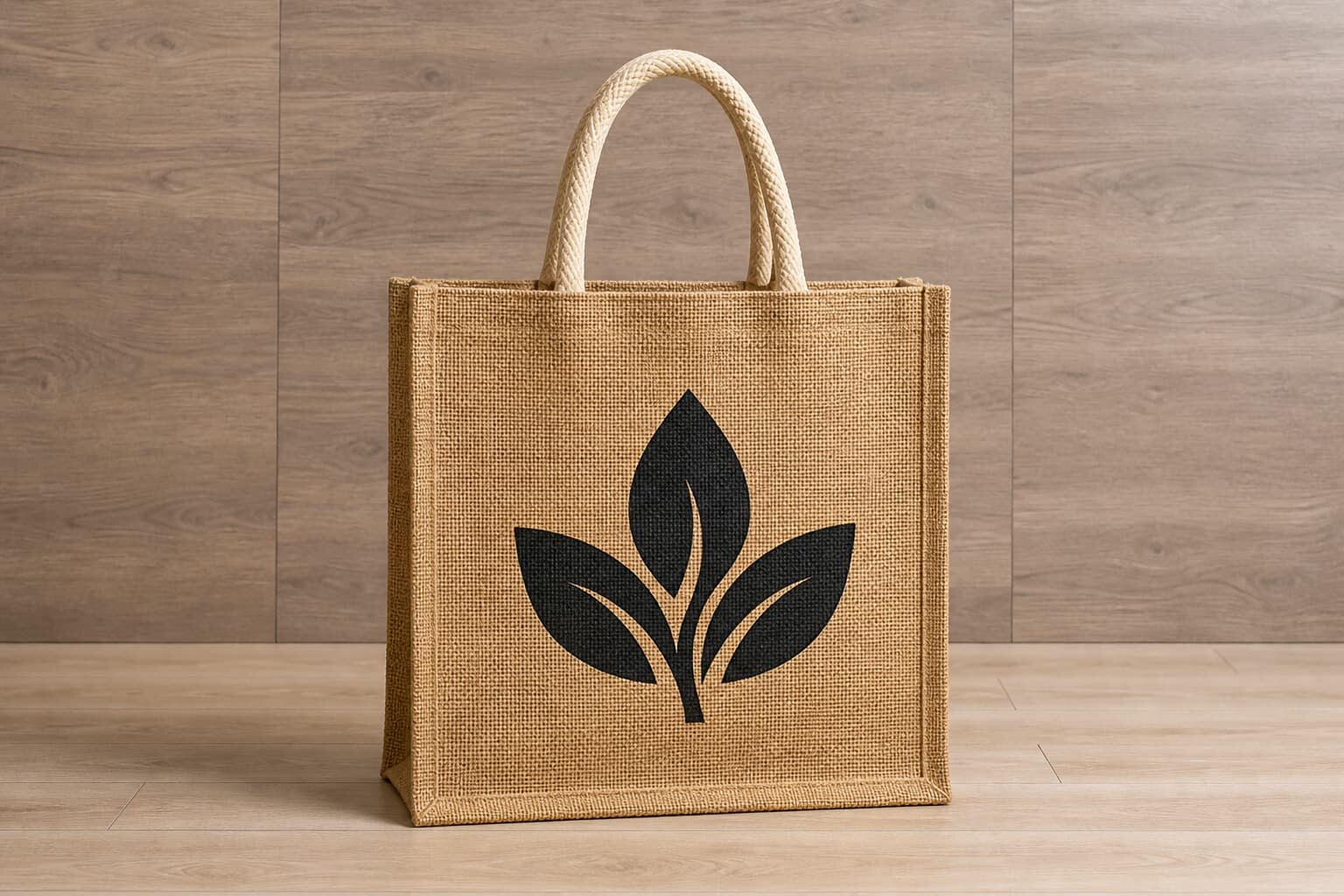
Why a Weave Variation Memo Belongs in the RFQ
Jute burlap is not a flat, uniform fabric like polyester canvas. It is made from coarse natural yarns, and the yarn diameter, color, slub level, and spacing can change across the same roll. This is part of the appeal, but it is also the source of many buyer-supplier disputes. A brand buyer may approve a neat sample, then receive bulk bags with darker streaks, larger gaps, thicker knots, or a rougher print surface. The factory may say it is normal burlap. The buyer may say it is a defect. Both sides lose time because the approval standard was not written clearly.
A jute burlap bag weave variation memo is a short technical approval document attached to the RFQ, quotation, sample approval, and final inspection file. It tells the factory which natural variations are acceptable, which are limited, and which are rejectable. For procurement teams, it also improves quote comparison because one supplier may quote premium tighter jute while another quotes loose promotional-grade burlap. Without a memo, the cheapest quote can look attractive on paper but create higher rejection risk after production.
- Use the memo when buying jute tote bags, wine bags, drawstring pouches, gift bags, shopping bags, and burlap packaging.
- Treat weave variation as a commercial specification, not a subjective comment after shipment.
- Request physical fabric cuttings because screen photos hide yarn thickness, holes, lint, and shade bars.
- Attach the same memo to supplier quotes, sample approvals, purchase orders, and inspection instructions.
Define the Buying Problem Before Choosing the Fabric
The first decision is not whether the bag is jute or burlap. The first decision is what the bag must do in the buyer's selling channel. A rustic wine bag can accept more slubs than a retail cosmetic tote with clean logo printing. A supermarket reusable bag may need stronger lamination and handle reinforcement. A premium gift bag may need a tighter weave, cleaner shade, and a cotton lining so the inside does not shed fiber onto the product.
Procurement teams should write the use case into the RFQ before asking for price. Factories quote more accurately when they know the packed weight, expected shelf presentation, printing area, handle type, and whether the bag touches food packaging, cosmetics, apparel, bottles, or fragile gifts. Jute is economical compared with many heavy cotton options, but the wrong fabric grade can make the bag look downgraded even if sewing is acceptable.
- For low-cost promotional bags, ask for normal rustic variation but reject holes, mildew, oil marks, and weak seams.
- For retail gift packaging, specify a cleaner face side, tighter weave, and consistent front panel selection.
- For printed brand bags, approve print on actual jute before confirming the artwork size.
- For heavy goods, define load expectation and handle reinforcement instead of only requesting thick fabric.
- For export retail programs, include moisture control and odor acceptance in the buying problem.
Fabric Weight, GSM, and What the Numbers Do Not Tell You
Jute bag fabric is often discussed in oz or GSM. A common commercial range for bag bodies is around 13-15 oz or approximately 280-340 GSM, depending on construction and supplier conversion. Lighter material can work for wine sleeves, small pouches, or short-life promotions. Heavier material is better for reusable totes, structured gift bags, and bags with larger panels. However, GSM alone does not guarantee a better bag. A heavy but loose weave may still have visible gaps, while a slightly lighter but tighter weave may print better and look cleaner.
Ask the supplier how GSM is measured and what tolerance is realistic across the production lot. Natural jute can vary by roll and by position across the roll width. A serious factory will not promise zero variation. A better answer is a controlled range, for example target GSM plus or minus an agreed tolerance, supported by fabric cuttings and in-line checking. If the bag will be laminated, clarify whether the GSM includes lamination film or only the jute fabric. This matters when comparing quotes.
- State target GSM or oz and whether tolerance is measured before or after lamination.
- Ask for fabric width, roll length, and expected cutting yield because they affect MOQ and cost.
- Request front-panel grade fabric when the visible side must be cleaner than side gussets or back panels.
- Do not compare a laminated jute quote directly with an unlaminated burlap quote unless the finish is clearly separated.
- Keep approved fabric cuttings with signed date, supplier name, fabric lot, and target GSM.
How to Set Acceptable and Rejectable Weave Variation
The practical way to control jute appearance is to approve a range, not a single perfect sample. Ask the factory to prepare three reference panels: light variation, average variation, and maximum acceptable variation. The maximum panel is important because it tells the sewing line and final inspector where the limit is. If only the best panel is signed, bulk production will almost always look worse than the buyer expected.
The memo should separate natural character from actual defects. Slubs, mild shade differences, and small yarn thickness changes may be acceptable for burlap. Open holes, broken yarns, missing picks, heavy dark streaks on the logo area, mildew, oil stains, burnt marks, and sharp fiber contamination should be rejectable. If the brand requires a cleaner retail face, specify that the front panel must not use the roughest fabric zones, even if those zones can be used for hidden inner parts or rejected altogether.
- Acceptable: mild slubs, natural tan shade movement, small yarn thickness changes, and limited lint after shaking.
- Conditionally acceptable: darker fiber streaks away from the logo, uneven bars on back panels, and minor edge fraying inside seam allowance.
- Rejectable: open holes beyond agreed size, broken yarns, black oil marks, mildew odor, fabric tears, weak bars crossing handle stress points, and heavy distortion.
- Controlled placement: cleaner fabric for logo panels, rougher but acceptable fabric for gussets if the buyer approves.
- Inspection note: compare the bag under consistent light because jute shade changes under warm warehouse lamps.
Printing on Burlap: Match Artwork to the Weave
Many print problems on jute are caused before printing starts. Fine lines, small serif text, thin QR codes, gradients, and tight registration artwork do not sit well on coarse yarns. Ink lands on high yarns first and may skip low gaps. Screen printing can work well for bold logos, block text, and simple shapes, but the buyer should expect a more textured edge than on cotton canvas. If the artwork must be sharp, consider a sewn cotton patch, woven label, heat transfer label, or printed cotton panel sewn onto the jute bag.
The RFQ should ask the factory to recommend print method after reviewing the artwork at actual size. For screen printing, confirm ink type, number of colors, minimum line thickness, print area, and whether underbase is needed on dyed jute. For heat transfer, confirm adhesion to rough surface or choose a smoother label material. For embroidery, check whether the jute can hold stitches without pulling yarns out of alignment. A print strike-off on the actual bulk fabric is more useful than a digital proof.
- Use screen print for bold one to three color logos and large simple brand marks.
- Use cotton patch or woven label when artwork has small text or fine detail.
- Avoid placing critical text across heavy slubs, seams, folds, or handle reinforcement zones.
- Check dry rub, wet rub if relevant, cracking after folding, and edge coverage across yarn gaps.
- Ask whether print charge is based on color count, screen count, artwork size, or setup quantity.
MOQ Logic: Why Weave Control Can Change the Minimum Order
MOQ for jute burlap bags is not only a sales number. It can be driven by fabric roll quantity, lamination batch, dye batch, print setup, sewing efficiency, handle material, and carton packing. If the buyer requests a special GSM, special color jute, custom lamination, or strict front-panel grading, the factory may need to reserve more fabric than the exact bag quantity requires. This creates waste allowance and sorting labor, which should be reflected in the quote.
For importers comparing suppliers, ask each factory to explain the MOQ basis. One supplier may accept a lower MOQ by using available stock jute, but the weave and shade may vary more. Another supplier may require a higher MOQ because they book a dedicated fabric lot, which can improve consistency. Neither is automatically better. The right choice depends on whether the program is a small promotion, a repeat retail SKU, or a seasonal packaging launch where appearance consistency matters.
- Stock fabric MOQ can reduce lead time but may increase shade and weave variation.
- Dedicated fabric lot MOQ improves consistency but may require higher quantity and longer booking time.
- Colored jute MOQ is often higher because dyeing and shade approval add batch control.
- Strict panel grading increases cutting waste and labor; ask the factory to show this cost separately if possible.
- Mixed sizes may not share the same fabric yield, so do not assume one MOQ covers all bag dimensions.
Sample Approval: Do Not Approve Only the Best Bag
A common procurement mistake is approving one attractive sample and treating it as the full production standard. For jute burlap bags, sample rooms often choose cleaner fabric pieces and sew more slowly than the bulk line. The approved sample may be useful for size, handle placement, printing layout, and general construction, but it may not represent the full weave range. The buyer should request a pre-production package that includes the finished bag plus fabric variation cuttings.
A strong approval set includes one finished bag, one printed strike-off, one handle and seam sample if load is important, and three weave reference panels showing acceptable range. If the bulk order uses lamination, lining, zipper, drawstring, rope handle, metal eyelet, or cotton webbing, each component should be confirmed in the approval file. The factory should not substitute thread color, lamination thickness, or handle width after approval unless the buyer signs a revised sample.
- Measure finished width, height, gusset, handle drop, seam allowance, and print position on the sample.
- Check that the sample fabric weight matches the quoted GSM and is not a heavier showroom fabric.
- Shake the sample over a dark surface to judge lint and loose fiber.
- Place actual product or load weight inside the bag to check shape, seam stress, and handle comfort.
- Approve average production quality, not a hand-selected perfect piece.
Quote Data Buyers Should Require Before Comparing Suppliers
A jute burlap bag quote that lists only size, material, and unit price is not enough for a purchasing decision. The buyer needs to see what is included and what is assumed. At minimum, request fabric specification, GSM or oz, lamination or lining detail, handle material and width, print method, number of print colors, packing method, carton quantity, sample fee if any, production lead time, and validity period. If freight is quoted, clarify whether cartons are compressed, palletized, or loose loaded.
Quote comparison should also include risk notes. A lower unit price may exclude desiccant, inner carton liner, artwork setup, special inspection support, or stronger export cartons. It may also use lower GSM, looser weave, shorter handle reinforcement, or less strict panel selection. Procurement teams should create a side-by-side quote sheet that separates material, decoration, labor, packing, testing, and logistics assumptions. This makes negotiation more factual and reduces surprises after the purchase order is issued.
- Ask for fabric source type: stock lot, booked lot, dyed lot, laminated lot, or buyer-selected lot.
- Request component breakdown for fabric, handle, lining, zipper or drawstring, print, packing, and carton.
- Confirm whether quoted lead time starts after deposit, artwork approval, fabric approval, or pre-production sample approval.
- Ask for estimated carton dimensions and gross weight because jute bags can be bulky.
- Require the supplier to list exclusions rather than hiding them until shipment.
Packing, Moisture, and Odor Control for Export Orders
Jute absorbs moisture and odor more readily than many synthetic fabrics. If bags are packed too soon after printing, lamination, or warehouse storage, cartons can arrive with a strong smell, damp feel, or mildew risk. This is especially important for ocean freight, humid origins, rainy season production, and long warehouse storage before retail launch. The weave variation memo should link to packing instructions because moisture can make natural variation look like defects through staining, waviness, and panel marks.
Packing should protect the bag without crushing the natural fabric into permanent creases. Flat packing is common, but the fold line should avoid the main logo when possible. Carton liners, desiccant, ventilation time before sealing, and moisture checks are practical controls. If the buyer has plastic reduction goals, ask the factory to propose a carton liner or paper banding alternative, but do not remove all moisture protection without evaluating the shipping route.
- Confirm whether each bag is individually polybagged, paper banded, bundled, or packed loose by carton.
- Use carton liners or moisture barrier where humidity risk is high.
- Avoid over-compression that distorts handles, gussets, laminated panels, or printed areas.
- Specify carton mark, barcode position, carton quantity, and mixed-size separation if applicable.
- Ask the factory to air finished bags before final packing when ink, lamination, or natural fiber odor is noticeable.
Lead Time and Production Control Workflow
Jute burlap bag lead time depends on more than sewing capacity. Fabric availability, lamination, dyeing, print screen preparation, sample approval, component purchasing, drying time, and inspection booking all affect schedule. A buyer who approves the bag shape but delays artwork or weave range approval can lose the production slot. For repeat programs, keep approved fabric standards on file so the next purchase order starts from a known baseline.
A practical workflow starts with RFQ and fabric cuttings, then quotation, sample, print strike-off, pre-production approval, fabric booking, cutting, printing, sewing, finishing, packing, and final inspection. The weave variation memo should be approved before cutting. If the buyer waits until final inspection to decide that the jute is too rough, the factory has already consumed fabric and labor. Early approval reduces commercial arguments and protects both sides.
- Sample lead time should be separated from bulk lead time in the quote.
- Fabric booking time should be shown when special GSM, color, lamination, or tight weave is required.
- Print approval should happen on real jute fabric, not only on paper or digital layout.
- In-line inspection should check fabric panels before too many bags are sewn.
- Final inspection should use the signed weave memo, not personal taste from a new inspector.
Specification comparison for buyers
| Spec decision | Recommended option | When it fits | Buyer risk to check |
|---|---|---|---|
| Main body fabric | 13-15 oz natural jute or 280-340 GSM laminated jute | Retail gift bags, wine bags, promotional totes, and reusable shopping bags needing a firm hand feel | Mill lots can vary in yarn thickness, slub density, and shade; approve a tolerance panel, not only one perfect swatch |
| Weave appearance standard | Controlled rustic weave with visible slubs but no open holes larger than agreed limit | Brands that want a natural burlap look without looking defective on shelf | If the RFQ says only natural jute, factory may treat heavy slubs, bars, and uneven picks as normal |
| Printing method | Screen print with heavier ink deposit, or heat transfer label for fine artwork | Bold logos, block text, simple one to three color branding | Fine lines break across coarse yarns; registration and edge sharpness must be checked on actual bulk fabric |
| Inside finish | Laminated backing or cotton lining when small goods must not snag | Cosmetic kits, food gift packaging, retail merchandise bags, and export packaging | Unlined burlap sheds fiber and can transfer dust; lamination can affect folding, odor, and recyclability claims |
| Handle construction | Cotton webbing, jute webbing, or rope handle with reinforced box stitch | Totes and gift bags carrying 3-10 kg depending on size and seam design | Handle pull strength depends on stitch density and backing, not only handle material |
| Packing method | Flat pack with moisture barrier and carton liner for humid routes | Ocean shipments, warehouse storage, seasonal retail programs | Jute absorbs moisture quickly; tight packing without airing time can create odor, mold risk, and panel creasing |
Buyer checklist before sampling
- Attach an approved weave variation memo to the RFQ, not only a photo of a preferred bag.
- State fabric type, target GSM or oz, lamination choice, yarn color range, and whether heavy slubs are acceptable.
- Define unacceptable defects: open holes, broken yarns, oil marks, dark fiber streaks, loose side seams, strong odor, and panel distortion.
- Approve print artwork on the same jute lot or a realistic production swatch before bulk printing.
- Request pre-production samples showing average weave, not only the cleanest fabric panel.
- Confirm MOQ logic by fabric lot, dye lot if colored jute is used, print color, size, and packing style.
- Specify carton packing, inner polybag or no-poly requirement, carton liner, desiccant, and pallet humidity precautions if needed.
- Ask the supplier to quote sample lead time, bulk lead time, fabric booking time, print setup time, and inspection window separately.
- Include measurable acceptance points for GSM, finished size, handle strength, print rub, seam allowance, carton quantity, and odor.
- Keep one signed reference sample and one approved fabric cutting from the same lot for comparison during final inspection.
Factory quote questions to send
- What exact jute fabric are you quoting: natural, dyed, laminated, unlaminated, blended, or lined?
- What is the target GSM or oz weight, and what production tolerance do you allow by roll?
- Can you provide three fabric cuttings from the intended lot showing light, medium, and heavy weave variation?
- What weave defects do you classify as normal for burlap, and which defects will you reject during in-line QC?
- Which print method do you recommend for our artwork on this weave, and what minimum line thickness should we use?
- Is the quoted MOQ based on fabric roll quantity, print setup, sewing line efficiency, or carton packing requirement?
- Will the sample use the same fabric source, lamination, thread, handle material, and print ink as bulk production?
- How will you control jute odor, moisture, lint, and panel creasing before packing?
- What inspection standard will you use for weave variation: AQL, internal grading, or buyer-approved reference panels?
- What quote items are excluded, such as artwork redraw, mold charge, screen charge, special carton, palletizing, desiccant, or third-party inspection support?
Quality-control points to confirm
- Check fabric GSM from multiple panels, not from one clean offcut.
- Compare bulk weave against approved light, medium, and heavy variation reference panels.
- Inspect for open holes, broken yarns, weak bars, oil stains, mildew smell, sharp fiber debris, and excessive lint.
- Measure finished bag size after sewing and pressing because coarse jute can distort during cutting.
- Test print adhesion, rub resistance, edge clarity, and color coverage on the actual production weave.
- Pull test handles and seam reinforcements according to the expected packed load.
- Review carton moisture protection, carton strength, piece count, barcode placement, and compression marks before release.
- Retain signed samples from sample approval, pre-production approval, and final inspection for dispute control.