Start With the Use Case, Not the Decoration
Wholesale canvas wine carriers look simple, but the buying decision changes as soon as you define the real use case. An event planner buying for a winery dinner needs a different build from a brand team preparing sponsor gifts, and both differ from a distributor who wants a retail-ready bottle bag that can sit on a shelf. The first question is not the logo. It is whether the carrier needs to protect a single bottle, carry two bottles, support a boxed bottle, or present a bottle as a premium takeaway without looking bulky.
That use case drives every later choice: the dimensions, the handle length, whether the bottle sits in a divider, whether the base needs reinforcement, and whether the outside surface needs to stay clean for a gift-ready presentation. If the bottle moves too much inside the carrier, the bag feels cheap. If the body is overbuilt for a simple welcome gift, the quote gets heavier than the program can carry. Buyers who define the event format first usually get sharper quotes and fewer sample revisions.
- Single-bottle carriers suit tastings, sponsor gifts, hotel welcome packs, and point-of-sale wine purchases.
- Two-bottle carriers fit bundled gifts, holiday programs, and premium event giveaways where the bottle set matters more than unit count.
- Tall or wide bottles need a size check before you compare prices, because a standard wine shape is not universal.
Choose Fabric Weight and Construction With the Bottle in Mind
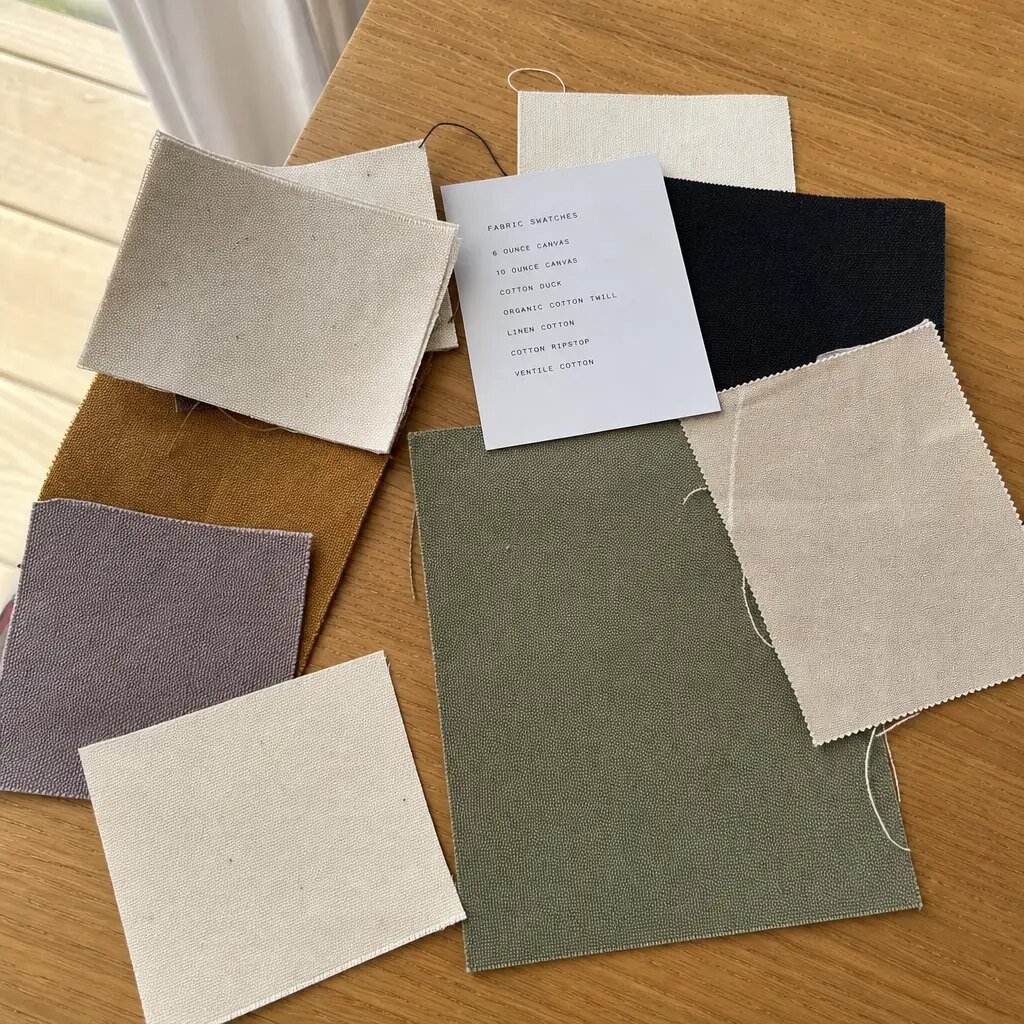
Canvas weight is one of the fastest ways to narrow the quote range. Light canvas around 10 oz, roughly 340 gsm, works for simple promotional carriers and lower-risk gifting. Midweight canvas around 12 oz, roughly 400 gsm, is the common sweet spot for most event planners because it feels structured without being stiff. Heavier canvas around 16 oz, roughly 540 gsm, fits premium programs that need a more substantial hand feel, better stand-up shape, or stronger resale appeal. Once you go heavier, you also need to watch sewing time, edge finishing, and freight weight.
Construction details matter as much as the fabric. A carrier with a good handle but weak side seams will fail in use faster than a lighter carrier with balanced reinforcement. Ask about seam allowance, handle width, bartack count, whether the bottom has an insert board, and whether the bottle compartment is single-wall or double-wall. For two-bottle carriers, a divider or internal spacer can stop bottles from knocking together in transit. If the quote does not state these details, the supplier is probably pricing a generic bag rather than a true wine carrier.
- 10 oz / about 340 gsm: useful for simple giveaways and short-cycle events.
- 12 oz / about 400 gsm: best all-round option for most branded wine gifts.
- 16 oz / about 540 gsm: better for premium retail packs and reusable hospitality programs.
- Ask for handle reinforcement and bottom support if the bottle will travel beyond a single handoff.
Decide How the Brand Mark Will Hold Up
The right decoration method depends on how the carrier will be used after the event. Screen printing is usually the best value when the logo is flat, one to three colors, and placed on a clean face panel. It gives buyers a clear cost structure and holds up well if the ink system matches the fabric finish. Embroidery looks stronger in premium gifting but adds thread count limits, setup time, and a higher chance of logo distortion on curved panels. Woven labels and sewn patches work well when the buyer wants a subtle brand mark that still looks retail-ready after repeated handling.
Heat transfer can be useful for small runs, sharper gradients, or multi-color artwork, but only if the supplier has a controlled application process and the transfer area is flat enough. The buyer mistake is to choose the decoration first and then force the artwork to fit the method. That usually causes over-detail, poor registration, or a logo that cracks after a few folds. Decide how the carrier will be judged in the hands of an attendee, then pick the decoration that survives that use, not the one that looks cheapest on a quote line.
- Screen print: strongest value for simple logos and steady reorders.
- Embroidery: best for premium perception, but verify stitch density and edge cleanup.
- Woven label or sewn patch: good for understated branding and repeat use.
- Heat transfer: acceptable for small runs, but test folding and scuff resistance.
Set MOQ Logic Before You Ask for Quotes
MOQ is not just a factory rule. It reflects how many units the supplier needs to cut fabric efficiently, set up printing, and complete packing without losing margin on small changeovers. A quote for 300 single-bottle carriers may look cheap until you split it across two colors, two logo placements, and custom tissue wrap. The same factory might be far more competitive at 1,000 units because the cutting waste drops and the print setup gets spread over more pieces. Buyers who ignore that structure often compare quotes that are not truly comparable.
A useful RFQ should separate the variables that actually change cost. Put canvas weight, carrier type, print method, color count, lining, insert board, and packing format into distinct lines if possible. If you need multiple colors, ask whether the MOQ is per color or total across the order. If you need mixed sizes, ask whether the price break applies only to one size. The cheaper quote is not the better quote if it assumes one artwork version and then adds fees later for every variation you need in production.
- MOQ usually rises when you add more print colors, more sizes, or more packaging steps.
- Mixing colors can be viable if the factory cuts from the same fabric lot, but confirm the price logic in writing.
- If the event date is fixed, ask what minimum run the factory can actually schedule without pushing your slot back.
Compare Sourcing Routes Before You Price Shop
For wholesale canvas wine carriers, the supplier route changes the real risk profile as much as the unit price. Direct factories are usually the best choice when you need exact control over size, fabric weight, and decoration, because the buyer can push changes into the production line before the first bulk cut. Trading companies are useful when the order is part of a larger basket of event goods, but the quote often includes an extra margin layer that can hide where the manufacturing cost really sits. Stock wholesalers are faster, but they usually trade away design flexibility and exact bottle fit.
A local decorator using imported blanks can work well for emergency dates, but the blank bag must already match the bottle and the print area. If the blank is too narrow, the final product still fails even if the logo looks perfect. The table below shows the tradeoff buyers should actually compare: control, speed, repeatability, and risk of hidden correction work. If you are buying for a one-time event, speed may win. If you are building a repeat order line for retail or hospitality, control is usually the better long-term decision.
- Use direct factories when you need exact fit, custom structure, and repeatable artwork.
- Use stock routes when the event date is locked and the logo treatment is simple.
- Use trading or multi-supplier routes when you need consolidation, but insist on visibility into the true maker.
Approve Samples Against Real Use, Not Just a Photo
A photo approval can hide the exact problems that show up in production. Canvas wine carriers need a physical sample because the bottle fit, handle feel, seam rigidity, and print finish all depend on real materials under load. Put the actual bottle, or at least a bottle with the same dimensions, into the sample and test the way an attendee or shopper will handle it. If the carrier tips, rubs, or stretches too much, the size is wrong even if the artwork is perfect.
Sample approval should be technical, not subjective. Measure the finished width and height, inspect the top opening, check whether the bottle neck is properly supported, and review logo placement from a normal viewing distance. If the carrier is meant for gifting, look at the inside surface too. Loose threads, fabric dust, odor, and rough seams can make a well-made carrier feel unfinished. A good sample is one that can go straight into a production sign-off without requiring the buyer to mentally correct it.
- Fit test with the intended bottle shape, not a generic wine bottle.
- Review logo placement on both the front face and the side panel if the design wraps around.
- Ask for a pre-production sample when size, print, or handle reinforcement changed from the first sample.
- Reject photo-only approvals for premium event programs.
Specify Packing That Survives Gifting and Freight
Packing is often where a good wine carrier program loses quality in the last mile. A carrier that looks clean in the sample room can arrive creased, dusty, or mixed across SKUs if packing is not defined early. Ask whether each unit will be folded with tissue, inserted into a polybag, tied with a ribbon, or packed loose in bulk. For event planners, the choice usually depends on whether the carrier is handed out as a ready-made gift or loaded later at the venue. For retail buyers, barcode labeling, hang tags, and carton configuration matter because the product may need shelf display as well as shipping protection.
Carton planning should match the bottle carrier structure. A tall carrier may look compact when folded, but it can still crush if the outer carton is too full or the stacking pattern is too loose. Master cartons should have consistent counts, clear outer marks, and a packing list that matches the order split by color and size. If the order is going into a mixed gift program, ask the factory to pack by set or by component so the fulfillment team does not spend time re-sorting cartons after arrival. The closer the packing matches final use, the fewer handling mistakes show up at event time.
- Use individual polybags when the carrier must stay clean for retail or premium gifting.
- Use tissue and fold protection when the bag must arrive crease-controlled.
- Require carton marks that match size, color, and artwork version for faster receiving.
- If the order is mixed-SKU, define whether cartons should be packed by set or by bulk unit.
Map Lead Time Around Approval Delays and Event Dates
For event programs, the factory sewing time is only part of the schedule. Sample development, artwork approval, packing sign-off, and shipping coordination can easily add more time than the actual stitching run. That is why buyers should ask for a timeline with separate milestones: sample lead time, bulk production lead time, packing completion, and pickup date. If the supplier only gives one total lead time, there is usually no buffer for artwork changes or QC corrections. A realistic schedule protects the event date better than a fast verbal promise.
Seasonality also matters. Holiday gifting, wine promotions, wedding season, and year-end corporate orders all compress the same capacity window. If you are buying for a fixed launch, ask whether the factory has already booked fabric or print slots for similar orders. Sea freight, air freight, and local trucking should be treated as different risk paths, not just different prices. The cheapest shipping mode is not useful if the event lands before the goods clear. Build the schedule from the event backward, with approval dates and freight booking dates fixed in the same plan.
- Separate sample time from bulk time in the schedule.
- Reserve buffer for logo approval, rework, and carton label changes.
- Treat shipping mode as a schedule decision, not only a cost decision.
- Plan earlier if the order overlaps with holiday or wedding peak demand.
Compare Landed Cost, Not Only Unit Price
The quote that looks cheapest on paper is often not the cheapest order. For wholesale canvas wine carriers, landed cost can include fabric upgrades, print setup, packaging, inner inserts, artwork revisions, inspection fees, freight, duty, and local receiving costs. Some suppliers show a clean factory price and then add cost once the buyer asks for the packing format needed for event use. Others quote a slightly higher unit price but include the decoration and pack structure that the program actually needs. Buyers should compare the full landed path before awarding the order.
A practical comparison sheet should show the same spec across all suppliers and make the hidden items visible. If one route is faster but riskier, note what the buyer pays for that speed: lower customization, higher freight, or weaker inspection control. If one supplier offers a lower base price but pushes every detail into add-ons, that quote may still win for a simple stock item but lose for a branded event program. The final award should go to the option that delivers the right carrier, packed the right way, on the right date, with the fewest surprises.
- Compare the same canvas weight, print method, and packing format across all quotes.
- Add freight, duty, inspection, and rework risk before deciding on the cheapest line price.
- Use a backup supplier if the event date is fixed and the primary route has no schedule buffer.
Specification comparison for buyers
| Spec decision | Recommended option | When it fits | Buyer risk to check |
|---|---|---|---|
| Direct factory with in-house printing | Best for custom size, handle build, and logo control | 500 units and up, with stable artwork and a fixed ship window | Confirm who owns screen setup, rework, and final inspection |
| Factory plus outsourced embroidery or patch | Use when the logo needs a premium tactile finish | Retail-facing packs or higher-value event gifts | Check whether subcontracted decoration adds color variation or delays |
| Trading company with factory network | Good when you need one contact for several product lines | Multi-SKU event programs and buyers who want fewer suppliers | Watch for markup layers and verify the actual factory name and capacity |
| Stock wholesaler with logo add-on | Fastest route for urgent campaigns with simple branding | Short lead times, seasonal events, and lower art complexity | Confirm stock consistency, logo placement limits, and carton mix |
| Local decorator using imported blanks | Useful when you need domestic turn-around after blanks arrive | Small runs, local fulfillment, or split-shipment programs | Check blank quality, shrinkage, and whether the blank matches the final spec |
| Niche wine-bag specialist | Strong choice for shape control and bottle fit | Premium tasting events, wineries, and hospitality gifting | Verify whether the specialist can handle your target MOQ and packing format |
| General tote supplier adding wine inserts | Acceptable if the carrier is simple and the insert is standard | Price-sensitive orders with straightforward single-bottle use | Risk of loose fit, poor bottle protection, and weak bottle-base support |
| Dual-source plan: factory sample, stock backup | Best when the event date matters more than absolute unit cost | Launches, roadshows, and seasonal peak demand | Make sure the backup option does not drift on color, size, or print quality |
Buyer checklist before sampling
- State whether the carrier is for one bottle, two bottles, or mixed bottle sizes.
- Send exact bottle dimensions, including diameter, height, and closure style if the bottle is tall.
- Lock the canvas weight target, such as 10 oz, 12 oz, or 16 oz, before asking for prices.
- Specify whether you need unlined canvas, cotton lining, a base insert, or a divider.
- Choose the branding method early: screen print, embroidery, woven label, heat transfer, or patch.
- Define the color count, print placement, and acceptable logo tolerance on the final sample.
- Set the MOQ by size, color, and artwork version so quotes stay comparable.
- Confirm packing details: polybag or tissue wrap, carton count, carton marks, and barcodes if needed.
- Ask for sample photos, production sample approval, and a pre-shipment inspection plan.
- Build the lead time around approval time, freight method, and the event date, not only factory sewing time.
Factory quote questions to send
- What canvas weight, weave, and finish are you quoting, and is that weight before or after any coating or washing?
- Is the quoted price for one-bottle or two-bottle construction, and what changes the cost if the bottle compartment is reinforced?
- What print method is included, how many colors are covered, and what is the setup charge per artwork version?
- What is the MOQ by color and by logo version, and do mixed colors or mixed handles change the price break?
- What packing is included in the quote, and what is the add-on cost for polybags, tissue wrap, inserts, or barcode labels?
- How long is the sample lead time, the bulk lead time, and the reprint or remake lead time if artwork is rejected?
- What inspection standard do you use before shipment, and will you replace units that fail stitching, print, or size checks?
- Which shipping term is quoted, and what costs are excluded such as freight, duty, inland trucking, or export paperwork?
Quality-control points to confirm
- Measure the finished carrier against the approved spec sheet, not against a verbal description.
- Test fit with the actual bottle type you plan to sell or gift, including tall neck or wider base bottles.
- Inspect handle anchor stitches, side seams, and bottom seams for consistent reinforcement and clean backtacking.
- Check logo placement, print density, and color match under normal indoor light, not only in photos.
- Look for loose threads, frayed raw edges, fabric slubs, and visible glue or stain marks on the inside.
- Verify that the carrier stands or hangs correctly when loaded and that the bottle does not swing excessively.
- Review carton packing count, carton dimensions, gross weight, and outer marks before shipment booking.
- Require at least one approved production sample or top-of-line sample when the order is for a branded event program.