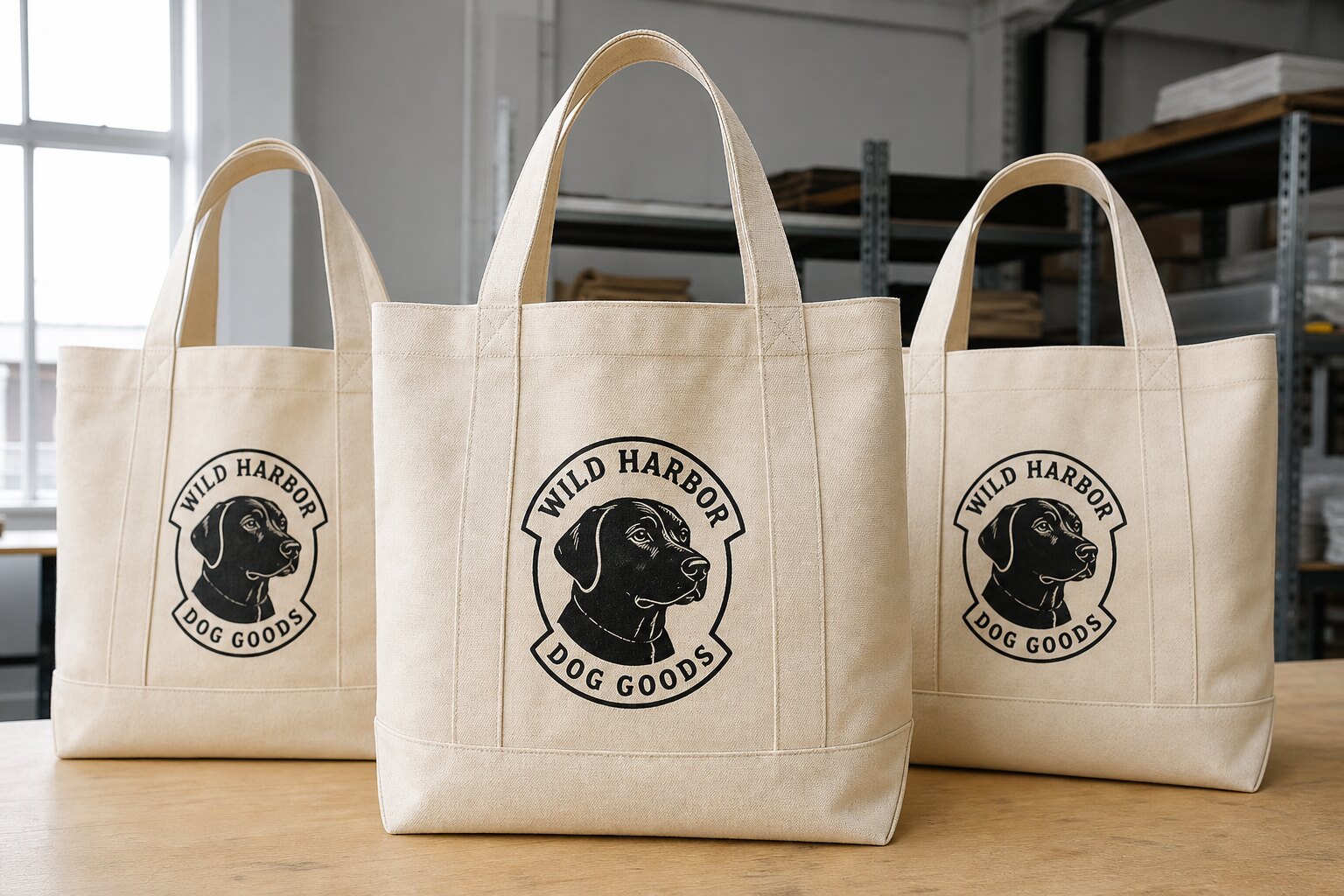
Define the Use Case Before You Pick the Bag
The right heavy duty canvas tote bag starts with the load case, not the logo. A bag for retail gifting, in-store resale, trade shows, or daily grocery use will need different fabric weight, seam reinforcement, and handle length. If you skip that step, you can end up with a bag that looks right in photos but fails after a few weeks of use.
For buyers, the real question is simple: how much weight must the bag carry, how often will it be reused, and how visible does the brand mark need to be? Once those three points are clear, the bag spec becomes easier to set and compare across suppliers.
- Match bag strength to the heaviest realistic load, not the average load.
- Decide whether the bag is for one-time promotional use or repeated retail use.
- Confirm the logo should support brand visibility, abrasion resistance, or both.
- Set the target price after the spec is fixed, not before.
Compare Canvas Weight, Gusset, and Stitching
A quick spec comparison helps separate light promotional totes from true heavy duty bags: | Spec | Entry level | Heavy duty | Best for | | --- | --- | --- | --- | | Canvas weight | 10-12 oz | 14-20 oz | Daily retail carry, books, bottles | | Gusset | None or small | 3-5 in. bottom and side gusset | Larger items and better volume | | Handle attachment | Basic straight stitch | Cross-stitch or reinforced box stitch | Repeated carrying and heavier loads | | Base construction | Single layer | Reinforced or double-layer base | Long service life | | Logo area | Small front print | Larger front panel or both sides | Retail branding and resale | This is usually where buyers find the biggest price gap. A heavier canvas and better stitching cost more, but they also reduce claims, replacements, and brand damage after the bags enter the market.
- Ask for fabric weight in oz or gsm and confirm it is measured consistently.
- Check handle stitching and base reinforcement on the physical sample, not just the spec sheet.
- Use gusset size as a volume indicator for real-world packing needs.
- Treat larger logo area as a design constraint that may affect seam placement.
Pick a Logo Method That Matches the Bag's Use
The decoration method should fit the bag's role. Screen printing is usually the first choice for clean, cost-effective branding on large orders. Embroidery can work well for premium retail programs, but it adds cost and can change how the fabric drapes. Woven labels and sewn patches are useful when the brand wants a durable mark with a more tactile finish.
For heavy duty canvas tote bags with logo, avoid choosing decoration only because it looks good in a sample photo. The logo has to survive folding, friction, and repeated handling. A hard-used tote with a cracked print will make the product feel cheaper than it really is.
- Use screen print for large runs with a flat, readable logo.
- Use embroidery when a premium texture matters and the logo size is modest.
- Use woven or sewn branding when the bag will see frequent abrasion.
- Confirm the print area, color count, and edge clearance before production starts.
Sample Checklist for Procurement Teams
Before approving mass production, test one sample against the intended buying spec. A good sample review should confirm both construction and branding quality under real handling.
- Fabric weight matches the approved spec.
- Handles feel secure when loaded and lifted.
- Seams at stress points are even and tight.
- Logo placement is centered and consistent.
- Print, stitch, or patch finish is clean with no fraying or bleed.
- Bag opens, folds, and stands as expected for the target use.
Common Buying Mistakes That Raise Total Cost
The most expensive mistake is buying a bag that is too light for the job. The second is approving a logo method that looks sharp on the first sample but breaks down after folding, shipping, or retail handling. Buyers also lose money when they do not lock down size tolerances, because small changes in gusset or handle length can affect packing, display, and end-user comfort.
Keep the order file tight: approved fabric weight, finished size, seam details, logo method, color standard, and packaging format. That gives the factory less room for interpretation and gives the buyer a cleaner comparison across quotations.
- Do not compare prices before comparing construction details.
- Do not approve artwork without confirming the logo area on the finished bag.
- Do not ignore handle reinforcement if the bag will carry weight.
- Do not assume all canvas weight claims from suppliers are measured the same way.
- Do not skip a pre-production sample when the bag will be sold at retail.