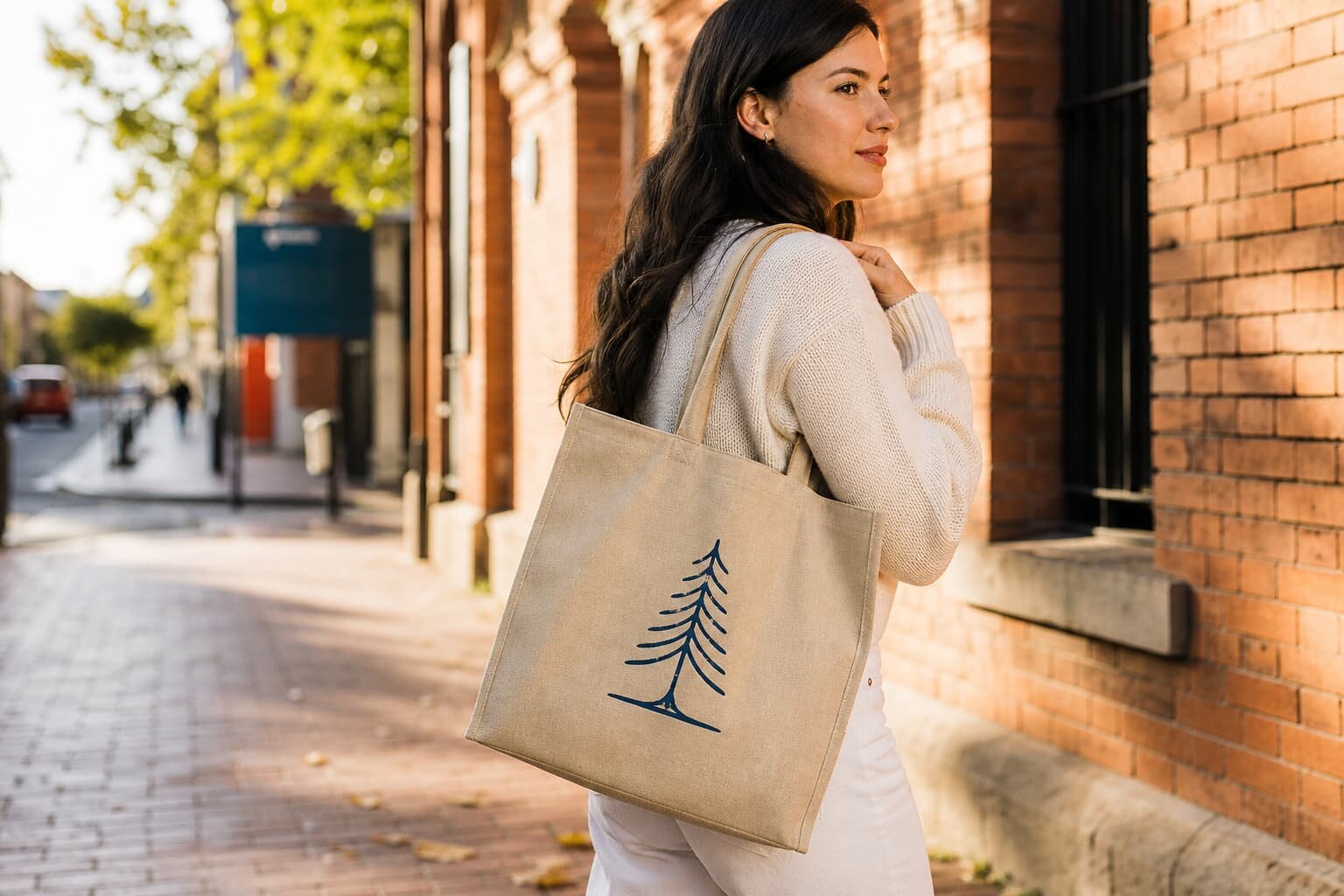
Why gusseted tote quotes are hard to compare
A gusseted canvas tote bag quote often looks simple at first glance, but the price is usually driven by more than one visible detail. Two bags can look nearly identical on a screen and still sit in different cost brackets because one uses heavier canvas, a deeper gusset, a stronger handle build, or a more labor-heavy print method. If the RFQ does not lock the finished size, fabric weight, construction, and packing, the supplier is not really quoting the same product. You are comparing assumptions, not prices.
The main buying problem is not finding the cheapest tote. It is finding the quote that actually covers the tote you plan to sell or distribute. For procurement teams, brand owners, and importers, the right approach is to normalize every quote to the same spec sheet before judging unit cost. That means separating the cost of fabric, sewing labor, decoration, packing, and sample work. Once those inputs are clear, the low quote is only useful if it still matches the quality and commercial target.
- Do not compare quotes until the finished dimensions are identical.
- Ask whether the quote is based on raw fabric or finished fabric weight.
- Check whether print, packing, and sample fees are included or excluded.
- Treat any quote without a spec sheet as an estimate, not a final offer.
Lock the tote dimensions before you ask for pricing
The first line item that moves cost is size. A tote with a wider body, deeper gusset, or longer handle consumes more fabric and takes more sewing time. The difference can be small on paper but meaningful in production. Always ask suppliers to quote finished dimensions, not cutting dimensions, and specify whether the bag should be measured flat or fully opened. A 2 cm change in gusset depth is not a cosmetic change; it affects fabric layout, seam count, and how the bag packs into a carton.
Handle drop matters just as much. A tote intended for shoulder carry needs a different handle length from one intended for hand carry or retail display. If the handle is too short, the bag feels awkward and may be rejected by the buyer team after sample review. If it is too long, the bag can look soft or hang too low. Set the size, gusset, and handle drop before pricing so every factory is quoting the same use case, not their own default pattern.
- Specify finished length, height, and gusset depth in the RFQ.
- State handle drop separately from handle length.
- Confirm whether the measurement tolerance is for the sewn bag or cut panels.
- Tell the factory if the bag must stand upright or only lay flat.
Compare fabric weight and GSM the right way
Fabric weight is one of the biggest cost drivers, but buyers often ask for it in only one unit and then miss the difference in finishing. Canvas is commonly discussed in ounces per square yard and GSM, but the same quote can be misleading if the supplier is describing raw greige fabric, finished dyed fabric, or fabric after washing and shrinking. A good buying conversation always asks for both oz and GSM where possible, plus whether the fabric is pre-shrunk, washed, or coated. That avoids a situation where a cheap-looking tote turns out to be lighter than the approved sample.
For many programs, 10 oz to 12 oz canvas is the practical middle ground because it gives the bag enough body without turning it into an expensive heavyweight item. Lighter canvas can work for giveaways, event bags, and short-life promo use. Heavier canvas suits retail, premium merch, and bags that need to hold shape or carry more weight. The key is not to chase the heaviest fabric. It is to choose the lightest construction that still meets your intended use, then ask every supplier to quote that same target.
- Ask for fabric weight in oz and GSM if the supplier can provide both.
- Confirm whether the quoted weight includes dyeing, washing, or finishing loss.
- Use lighter canvas only when the bag is for low-load promotional use.
- Use heavier canvas when structure, appearance, and repeat use matter more than unit cost.
Compare gusset and construction choices, not just fabric
A gusseted tote can be built with a bottom gusset only, a side and bottom gusset, or a boxed-corner style that creates a more structured body. Each option changes labor and material use. A deeper gusset increases volume, but it also increases panel complexity and sewing time. That is why two bags with the same canvas weight can still produce different quotes. If the supplier does not tell you how the gusset is constructed, you do not yet know what you are buying.
Handles are another place where cost comparison goes wrong. Self-fabric handles are usually the most economical, but they may need double layers or reinforcement stitching to perform well. Webbing handles cost more but can improve strength and reduce twist. Extra details like bound seams, bar tacks, X-box stitching, and top-edge reinforcement add time and quality, which is exactly why they should be named in the RFQ instead of left to the factory's standard.
- Define whether the gusset is bottom-only, side-and-bottom, or boxed corner.
- State whether the bag needs edge binding, a top hem, or raw inside seams.
- Ask how the handles are attached and reinforced at the load points.
- Request a photo or sample of the exact seam construction before bulk approval.
Choose the print method after quantity and artwork are fixed
Decoration can shift the cost more than many buyers expect. For canvas totes, screen print is usually the most efficient choice when the logo is simple and the quantity is high enough to absorb setup work. The more colors and print passes you add, the more the quote can rise. That is especially true if the artwork has fine type, full flood coverage, or a large print area that requires better registration and more drying control. A quote with a low fabric price but a complicated print spec is not automatically a good deal.
For lower quantities or more detailed branding, heat transfer, woven labels, embroidery, or sewn patches may make more sense. Each method has a different cost profile and a different risk profile. Heat transfer can be flexible for small runs, but the finish must be tested for crack resistance and wash durability. Embroidery looks premium, but it can pucker light canvas if the stitch density and backing are not controlled. Buyers should choose the decoration method based on quantity, artwork, and the look they want the end customer to see.
- State the number of print colors and the exact print size in the RFQ.
- Ask for strike-off or pre-production approval before bulk printing.
- Confirm whether one-side or two-side printing is included.
- Check color match expectations on natural canvas, which can shift the final look.
Use MOQ, sampling, and lead time to compare real offer value
MOQ is often where quote comparisons become unfair. A supplier can offer a lower unit price on a high minimum order because the setup cost is spread over more pieces, while another supplier may quote a higher unit price for a smaller order that is easier to test. Both can be correct. What matters is whether the MOQ is tied to fabric stock, dyeing, print setup, or a special construction detail. If you do not know what drives the minimum, you may think a supplier is expensive when they are actually quoting a more flexible program.
Sampling needs the same discipline. A development sample should prove the structure, dimensions, and decoration. A pre-production sample should freeze every detail before bulk starts. If a supplier says the sample is only for visual reference, that is a warning sign for any import program that needs accuracy. Lead time should also be separated into fabric sourcing, printing, sewing, packing, and approval time. Ask whether the quoted lead time starts when the PO is placed or when artwork and sample approvals are complete.
- Ask for MOQ by color and by decoration method, not just one headline number.
- Request separate pricing for development sample and pre-production sample.
- Confirm whether lead time is quoted in working days or calendar days.
- Avoid changing artwork or construction after the pre-production sample is approved.
Do not ignore packing, carton size, and freight impact
Packing can change the landed cost more than buyers expect. A tote packed loosely in bulk will usually cost less to handle than a bag folded with tissue, inserted card, barcode sticker, or individual polybag. But retail-ready packing can be worth the extra labor if it saves store labor or improves shelf presentation. The issue is not whether packing costs money. The issue is whether the quote clearly names the packing format so the comparison is honest. If one supplier assumes bulk packing and another assumes individual bagging, the unit prices are not comparable.
Carton size matters because freight is charged on volume as well as weight. A slightly stiffer canvas, a longer handle, or a different fold method can reduce carton efficiency and increase shipping cost even if the sewing price stays the same. Ask for carton dimensions, gross weight, and packed quantity per carton so the logistics team can estimate the real shipment cost. If the tote is for e-commerce or warehouse distribution, packing is not a side note. It is part of the product economics.
- State whether the bag should be bulk packed or retail packed.
- Include any insert card, tissue, barcode label, or polybag requirement in the RFQ.
- Ask for carton dimensions and packed quantity per carton.
- Check whether the folding method affects carton count and freight cube.
Read factory quotes line by line, not just by unit price
A clean factory quote should tell you what is included, what is not included, and what assumptions were used. At minimum, it should separate fabric, cutting, sewing, printing, packing, sampling, and any special handling. If a supplier gives one flat number with no breakdown, you may get a low price today and a long change-order discussion later. This is especially risky with gusseted totes because small construction changes can quietly turn into material and labor changes that were never priced.
The best comparison method is to force every supplier into the same format. Ask each factory to use the same finished dimensions, same fabric weight, same print method, same handle build, and same packing spec. Then compare sample quality, communication speed, and quote clarity alongside price. A factory that explains the assumptions clearly is usually safer than one that answers every question with 'no problem' but gives no detail. In tote sourcing, clarity is usually worth more than the lowest starting number.
- Watch for quotes that omit print setup, sample fees, or special packing labor.
- Treat vague language like 'same as sample' as a risk until it is written into a spec sheet.
- Ask for exclusions in writing so hidden charges do not appear later.
- Prefer itemized quotes when you are comparing more than one supplier.
Use a simple RFQ workflow that keeps every quote fair
The easiest way to compare gusseted canvas tote bag costs is to control the order of the sourcing process. First, define the use case: promo giveaway, retail merch, grocery carry, or premium brand tote. Second, lock the physical spec: size, gusset depth, fabric weight, handle build, and decoration method. Third, send one RFQ package to every supplier, with the same reference image and the same packing expectation. That gives you comparable offers instead of a stack of partial answers.
After the quote comes back, compare the sample against a short acceptance list before you negotiate on price. If the sample fails on dimensions, seam strength, print alignment, or packing, the supplier is not yet quoting the right product. Buyers who rush past this step usually discover the gap only after bulk production starts. A stronger process is to score the quote on four points: price, spec compliance, sample responsiveness, and logistics fit. That keeps the buying decision focused on total value instead of a single line item.
- Start with use case, then lock the spec sheet.
- Send the same RFQ package to every factory.
- Compare samples before discussing final order release.
- Score suppliers on price, quality, response speed, and packing fit.
Specification comparison for buyers
| Spec decision | Recommended option | When it fits | Buyer risk to check |
|---|---|---|---|
| Fabric weight | 10-12 oz canvas, or about 280-380 GSM depending on weave and finish | Most retail, brand merch, and everyday carry programs | Ask whether the quoted weight is raw fabric, finished fabric, or only an estimate |
| Gusset depth | 10-12 cm bottom gusset | Standard shopping, event, and promotional tote use | Depth changes fabric use and carton volume, so confirm finished measurements after sewing |
| Handle construction | Double-layer self-fabric handles or webbing handles with reinforcement | When the bag needs better load bearing or a more premium feel | Single-layer handles can twist, stretch, or fail early under real use |
| Print method | 1-2 color screen print for volume, woven label or embroidery for premium branding | Simple logos, repeat orders, or retail presentation | Setup charges and color count can make a low unit price misleading |
| Closure | Open top for low cost, zipper or snap only when function requires it | Retail gifting, travel, or higher perceived value programs | Closure hardware adds labor and can delay sampling and bulk approval |
| Packing | Defined fold method with bulk polybag or retail-ready insert spec | Importers comparing carton efficiency and warehouse handling | Loose packing specs create carton variance and freight surprises |
Buyer checklist before sampling
- Lock finished size, handle drop, and gusset depth before asking for prices.
- State fabric weight in both oz and GSM if possible, and ask whether it is raw or finished fabric.
- Choose one print method and one print area standard so suppliers quote the same decoration cost.
- Define handle reinforcement, seam type, and any edge binding or top hem detail.
- Specify packing format, polybag needs, inserts, and carton target before comparison.
- Ask for separate prices for sample, pre-production sample, and bulk order.
- Confirm MOQ by color, by print method, and by any special fabric color.
- Request carton size, gross weight, and estimated quantity per carton for freight planning.
Factory quote questions to send
- What finished dimensions are you quoting, and are those after sewing or cut size?
- What is the canvas weight in oz and GSM, and is that before or after finishing?
- What gusset depth, seam allowance, and handle drop are included in your price?
- What handle structure do you quote: self-fabric, webbing, single layer, or double layer?
- What print method is included, how many colors are covered, and what is the setup charge?
- What is the MOQ by color, by print color count, and by decoration method?
- What are the sample stages, sample fees, and lead times for each stage?
- What packing method is included: bulk fold, individual polybag, insert, or barcode sticker?
- What carton size, carton quantity, and gross weight do you estimate for the quoted spec?
- What is excluded from the quote, such as artwork cleanup, extra colors, or re-sampling after changes?
Quality-control points to confirm
- Measure finished length, height, and gusset depth against the approved spec sheet and tolerance.
- Check handle length, handle drop, and handle symmetry so the bag wears evenly on shoulder or hand.
- Inspect stitch density, bartacks, and reinforcement at handle anchors and stress points.
- Review print registration, opacity, curing, and rub resistance on the actual canvas texture.
- Check seam alignment, puckering, loose threads, and twisting at gusset corners and top hem.
- Verify folding method, polybag content, carton count, and outer carton marks before shipment.
- Pull one packed carton for a cube check so freight assumptions match the finished pack format.
- Compare the bulk sample against the pre-production sample before releasing mass production.