Start With the Hotel Retail Channel
A hotel tote RFQ should begin with the guest channel, not with a generic bag description. A paid boutique tote has to justify shelf price and repeat guest use. A suite welcome tote has to look polished in-room but may not need the same retail barcode system. A spa add-on may carry boxed products and glass bottles. An event tote may prioritize budget, fast delivery, and sponsor artwork. These channels change fabric weight, handle strength, artwork method, packaging, inspection focus, and acceptable cost.
Ask the retail or property team to define the commercial role before suppliers quote. Useful inputs include target retail price, target gross margin, expected markdown risk, display method, expected contents, replenishment frequency, and whether the tote sits beside higher-priced resort merchandise. If the buying team needs a tote that retails at $18 to $28, the landed cost target, packaging standard, and perceived hand feel will be different from a complimentary guest amenity. Sharing a cost ceiling does not weaken negotiation; it helps suppliers avoid quoting the wrong construction.
- Name the guest channel: hotel shop, spa retail, room amenity, welcome kit, event, or gift-with-purchase.
- Set target retail price and landed cost ceiling before confirming GSM and construction.
- List expected contents, such as folded apparel, guidebooks, boxed amenities, towels, candles, bottles, or documents.
- Define the display route: folded shelf stack, peg hook, checkout counter, in-room placement, kit pack, or warehouse replenishment.
- State whether the order is a one-time launch, seasonal design, repeat SKU, or multi-property rollout.
Build the Price Architecture Early
Hotel retail buyers often compare tote quotes at unit-price level, then discover that the real margin is shaped by setup fees, variant MOQs, packing labor, freight cube, barcode work, and property sorting. A stronger RFQ asks suppliers to quote the full commercial architecture. Include the target retail price range, the intended margin model, the required packing standard, and all destinations that may split the order. The goal is not to disclose every internal financial detail; it is to prevent a cheap factory price from becoming an expensive delivered SKU.
For resale totes, separate the product cost from the retail-readiness cost. A lower GSM tote may protect first cost, but if it feels promotional it may force discounting. A heavier gusseted tote may support a better shelf price, but carton cube and freight can pressure landed margin. Ask suppliers to price options in controlled steps: base tote, upgraded GSM, gusset, reinforced handle, inside label, hangtag, barcode, individual packing, and property sorting. This creates a practical good-better-best comparison instead of a pile of unrelated quotes.
- Request ex-factory and landed-cost assumptions separately when freight or duty is still uncertain.
- Ask for upgrade lines for GSM, gusset, handle reinforcement, inside pocket, label, hangtag, barcode, and packing.
- Compare one high-volume artwork against multiple low-volume property artworks before approving the assortment.
- Include overrun or underrun tolerance because small variances affect retail allocation by property.
- Check carton cube and gross weight, especially when heavier canvas is shipped by air or to multiple destinations.
Specify the Tote So Bids Match
A custom organic cotton tote RFQ should give suppliers measurable construction instructions. Finished dimensions are more useful than vague terms such as medium, premium, or sturdy. Include width, height, gusset depth, top hem depth, handle width, handle drop, seam type, and reinforcement. If the tote must fit a folded robe, boxed amenity kit, brochure folder, or retail shelf slot, include those details. Suppliers can then price the same bag instead of making hidden assumptions.
Use a simple measurement table or sketch. Body width should be measured flat from side seam to side seam. Height should be measured from top edge to bottom seam. Gusset depth should be measured across the bottom fold or side panel, depending on construction. Handle drop should be measured from the top edge of the bag to the inside top of the handle when laid flat. These reference points reduce disputes after sampling and make inspection easier.
- Provide finished width, height, gusset depth, handle width, handle drop, and top hem depth in centimeters.
- Define flat, bottom gusset, side gusset, boxed gusset, zipper, snap, pocket, or open-top construction.
- Specify seam finish, such as inside overlock, bound seam, French seam, or double-needle stitching.
- Define handle attachment, such as box stitch, cross stitch, bar tack, or reinforced double row.
- Ask suppliers to identify any spec item that materially changes price, MOQ, sampling, or lead time.
Match GSM to Guest Use
Organic cotton fabric weight is one of the fastest ways to change both cost and perceived value. Many hotel tote programs sit between 140 and 220 GSM, but that range covers very different products. A 140-160 GSM plain-weave tote can work for event merchandise, light welcome items, maps, brochures, or cost-sensitive room programs. It folds compactly and usually ships efficiently, but it may feel too promotional for a paid boutique SKU.
A 180-220 GSM canvas or heavier plain weave usually gives a fuller hand, better opacity, and stronger shelf presence. It is often better for resort shops, spa retail bundles, and destination merchandise. The tradeoff is higher fabric consumption, higher carton weight, more freight cube, and sometimes more stress around seams and handle joins. If the hotel wants natural unbleached cotton, approve the shade, seed flecks, and slub range before bulk cutting; natural variation may be acceptable, but it should not be a surprise at receiving.
- Use 140-160 GSM for light amenities, event handouts, and budget-sensitive guest programs.
- Use 180-220 GSM for paid resale, spa retail, gift-with-purchase, and premium destination merchandise.
- State GSM tolerance, commonly an approved range or ±5%, instead of only naming a target weight.
- Specify natural, bleached, dyed, washed, or undyed fabric because shade affects artwork and claim language.
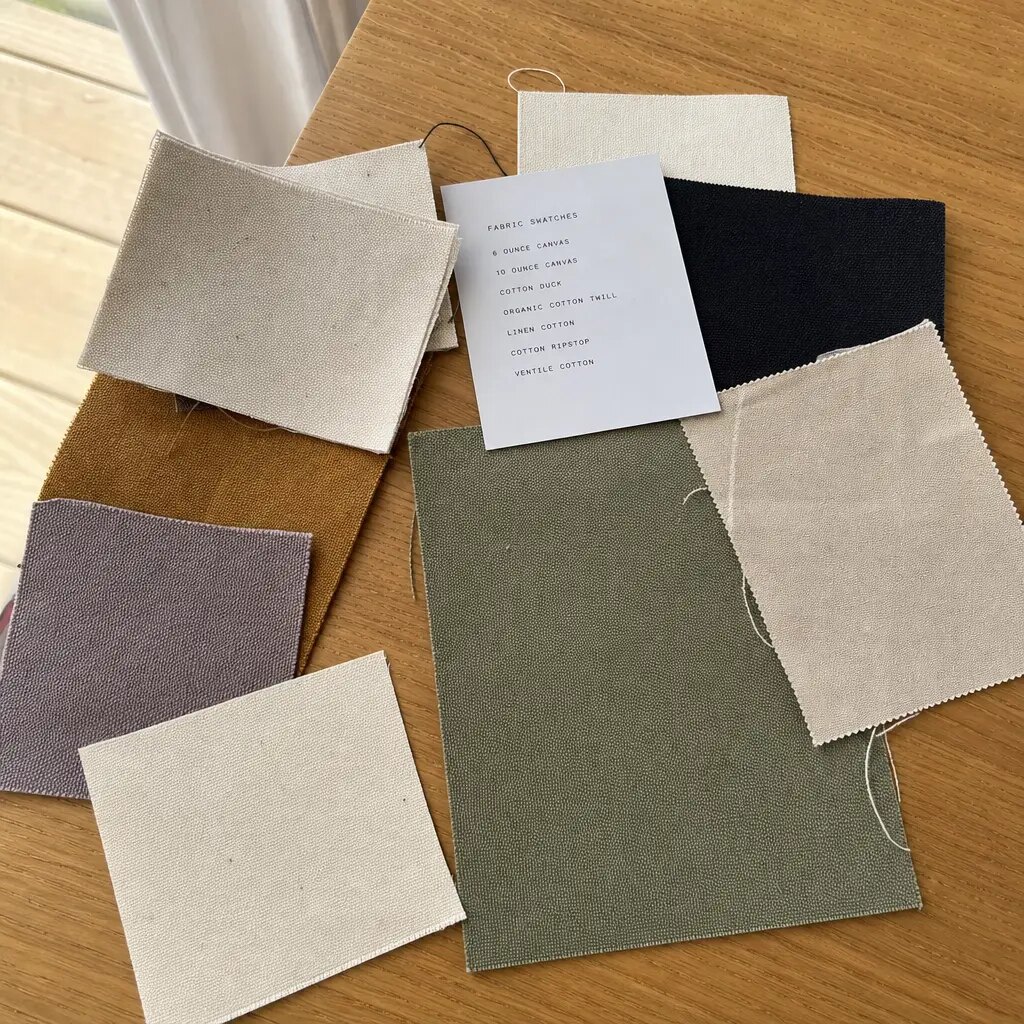
- Request swatches or lab dips when shelf presentation, brand color, or natural cotton appearance matters.
Verify Organic Claims With Named Documents
Organic cotton is a claim-sensitive category. The RFQ should not stop at asking for certificates. It should state the claim the hotel intends to make and the document level needed to support it. If the finished tote will be sold or tagged as organic, buyers commonly need recognized chain-of-custody support such as GOTS or OCS, depending on the claim wording and program requirements. If the hotel only wants organic cotton as an internal sourcing preference, material traceability may be enough, but that lower threshold should be written clearly.
Ask for documents by name. A scope certificate shows that a supplier or processor is certified for certain product categories and processes, but it does not by itself prove that a specific purchase order quantity is certified. A transaction certificate, when applicable under the certification program, links certified goods to a specific shipment or transaction. Buyers should also request material invoices, batch records, and process flow details when they need traceability. If branded hangtags or labels mention a certification, confirm label approval rules, logo-use permission, and any required license or certification wording before printing.
- State the required claim level: GOTS finished goods, OCS content claim, chain-of-custody support, or internal organic sourcing only.
- Request current scope certificates for relevant facilities, product categories, and processes before award.
- Request transaction certificates linked to the purchase order or shipment when the claim standard requires them.
- Check whether dyeing, printing, embroidery, labeling, or packing sites are covered if the claim extends beyond raw fabric.
- Do not approve hangtags, care labels, or product pages with organic claims until documentation and wording are confirmed.
Choose Branding by Artwork Risk
Hotel totes often carry more than a logo: destination art, property names, spa marks, local artist graphics, QR codes, or sustainability copy. The RFQ should attach final vector artwork where possible and state print dimensions, placement, number of colors, Pantone or brand references, and whether small text must remain readable. If artwork is not final, ask suppliers to quote based on written assumptions and identify what will change price once the file is approved.
Screen print is usually efficient for simple logos, line art, and one-to-three-color repeat programs. Digital, DTG, and transfer methods can work better for detailed full-color graphics, small seasonal runs, or many property variations, but hand feel, cracking, peeling, and color accuracy must be reviewed. Embroidery can add a premium touch for small marks, yet dense embroidery may pucker lighter cotton. For every method, require a strike-off on the actual bulk fabric. Cotton texture and natural base shade affect edge clarity and color more than a screen mockup suggests.
- Quote screen print, transfer, DTG, digital print, embroidery, and woven label as separate methods when artwork is undecided.
- Define print size, front or back placement, distance from top edge and side seam, and orientation after folding.
- Confirm minimum readable size for QR codes, URLs, property names, care copy, and organic claim wording.
- Require a fabric strike-off showing color, opacity, edge clarity, registration, rub behavior, and hand feel.
- Ask whether artwork variants can share screens, setup, base fabric, labels, or packing to reduce SKU cost.
Plan MOQ Around Properties and Variants
Hotel groups rarely buy one perfectly simple SKU. The same base tote may need different property logos, city names, seasonal artwork, language copy, hangtags, or delivery destinations. MOQ can apply to any of those variables. A quote that says 500 pieces minimum may still require 500 pieces per artwork, per fabric color, per print method, or per packing style. The RFQ should force that structure into the open before merchandising approves too many low-volume variants.
Ask suppliers to quote realistic scenarios. For example, request one artwork at 1,000 pieces, four property artworks at 250 pieces each, and a replenishment order at 300 pieces. If the supplier can pool fabric volume while charging separate print setup per artwork, that may be commercially useful. If every variant requires its own MOQ, the buyer may need fewer designs, a shared base logo, or a generic destination mark. This is where procurement can protect margin without weakening the retail concept.
- Ask MOQ by total order, artwork, fabric color, print method, label, hangtag, packing format, and destination.
- Request price tiers for 500, 1,000, 3,000, and 5,000 pieces using the same specification and Incoterm.
- Quote multi-property scenarios separately from single-artwork volume so allocation decisions are visible.
- Ask for reorder MOQ and repeat setup charges because hotel retail often replenishes unevenly.
- Confirm whether split shipments, mixed cartons, or property-specific carton labels add cost or lead time.
Make Packaging Retail-Ready
Packaging is part of the tote specification in hotel retail. A well-made bag can still fail operationally if it arrives folded inconsistently, mixed by SKU, missing barcodes, or packed in a way that conflicts with hotel shop display. Define the fold method, logo orientation, hangtag location, barcode placement, price-ticket rule, paper band, polybag policy, inner pack, master carton, and carton marks. If the barcode must scan through packaging, test that on the packed sample.
Resale packaging should support both presentation and receiving. A boutique tote may need a clean fold, hangtag, branded belly band, or kraft sleeve. A room amenity tote may need low odor, neat bulk packing, and quick unpacking by housekeeping. A warehouse replenishment SKU needs carton discipline: PO number, SKU, destination code, quantity, gross weight, carton number, and property sort. If the hotel has a plastic-reduction policy, state practical rules instead of vague preference. Individual polybags may be prohibited, allowed only for moisture protection, or replaced by paper bands or bulk packing.
- Define fold direction, front-face orientation, hangtag, barcode, price ticket, paper band, polybag, and bulk-pack rules.
- Specify inner count, master-carton count, carton dimensions, gross-weight limits, carton marks, and pallet needs if relevant.
- State whether cartons must be sorted by property, SKU, region, launch set, or replenishment batch.
- Require barcode data approval and a scan check on the packed sample and production cartons.
- Ask suppliers to price plastic-free, reduced-plastic, and moisture-protected packing options separately.
Use Sampling as a Buying Gate
Sampling should be treated as a formal approval gate, not a creative preview. Depending on risk, the buyer may need a fabric swatch, lab dip, print strike-off, construction sample, pre-production sample, and packed sample. The RFQ should state which stages are required, how many pieces are needed, who pays sample and courier costs, how long each stage takes, and whether charges are deductible after the bulk order. This prevents rush decisions after the purchase order is issued.
The pre-production sample should represent bulk intent. It should use the approved fabric weight, shade, construction, handle drop, seam type, reinforcement, print method, artwork placement, labels, hangtag, fold, barcode, and carton concept. If any part is substituted, the supplier should identify the difference in writing. Approval records should include dated photos, measured dimensions, artwork version, color references, comments, and exceptions. After approval, changes to fabric, artwork, print placement, labels, or packing should require written change approval.
- Define swatch, lab dip, strike-off, construction sample, pre-production sample, and packed sample requirements.
- State sample quantity, sample cost, courier cost, timeline, and whether charges are deductible.
- Approve bulk only against final or clearly disclosed materials, processes, artwork, labels, and packing.
- Record approvals with dated photos, measurements, artwork version, color standard, and written exceptions.
- Require a formal change note for any post-approval difference before bulk production continues.
Write QC Rules Inspectors Can Use
Inspection language needs to be measurable. Instead of saying premium quality, set tolerances for finished size, gusset, handle drop, handle placement, print position, GSM, shade, carton count, and barcode readability. Define automatic hold defects before production: open seams, broken handles, wrong artwork, unsupported claim labels, unreadable barcodes, wet cartons, incorrect SKU, mold odor, or mixed destination cartons. This gives the supplier and inspector the same release criteria.
QC should cover the whole hotel-retail experience: fabric, construction, branding, labeling, folding, and cartonization. Measure finished dimensions flat at the agreed points. Compare fabric to the approved swatch for GSM, shade, hand feel, and acceptable natural variation. Check seams for skipped stitches, broken stitches, loose thread nests, puckering, open seams, and sharp thread ends. Review handle reinforcement and perform the agreed loaded-hang check. Inspect print against the approved strike-off for color, opacity, placement, edge clarity, rub-off, cracking, peeling, and readability. Scan QR codes and barcodes from finished packed goods, not only from artwork files.
- Set starting tolerances such as body width and height ±1 cm, gusset ±0.5 cm, handle drop ±1 cm, print placement ±0.5 cm, and GSM ±5% unless stricter rules are needed.
- Classify critical, major, and minor defects so shipment holds are not negotiated after inspection.
- Require inspection photos of measurements, seams, handles, print, labels, fold, barcode scan, carton marks, and packed cartons.
- Verify carton count, PO number, SKU, property code, destination, carton sequence, gross weight, and moisture condition.
- Hold shipment release until organic claim documents, approved samples, inspection results, and packing checks align.
Specification comparison for buyers
| Hotel retail decision | RFQ instruction to include | Commercial fit | Risk to check before PO |
|---|---|---|---|
| Guest channel | Name the channel: paid hotel-shop resale, spa retail, room amenity, welcome kit, event merchandise, minibar-style retail, or gift-with-purchase | Prevents one specification being used for very different guest expectations | A giveaway tote quoted as a resale SKU may feel too light and damage margin or reviews |
| Target retail price and margin | Share target retail price range, landed cost ceiling, and whether the tote must support keystone, 60% gross margin, or a promotional margin | Helps supplier recommend fabric, branding, and packing that match the price architecture | Low unit cost can still fail if packing, freight cube, barcode labor, or markdown risk is ignored |
| Fabric weight | Quote exact fabric type and GSM range: 140-160 GSM plain weave, 180-220 GSM canvas, or buyer-specified alternative | Aligns perceived value with channel: light amenity versus boutique resale | Heavier GSM improves hand feel but raises cost, carton weight, cube, and print-curing complexity |
| Construction | Specify finished size, gusset style, handle drop, top hem, seam type, and handle reinforcement | Controls capacity for boxed spa goods, folded apparel, books, towels, or destination souvenirs | Unclear gusset or handle language changes fabric consumption and quoted price |
| Organic verification | State whether the order needs GOTS-certified finished goods, OCS-certified content, or material traceability only; request scope certificate and transaction certificate when applicable | Supports customer-facing organic claims and hotel sustainability reporting | Generic supplier certificates may not cover the exact facility, product category, or order quantity |
| Artwork method | Quote screen print, transfer, DTG, embroidery, or woven label separately with setup charges and strike-off timing | Keeps simple brand marks, artist graphics, and property variants commercially comparable | Fine text, QR codes, metallic inks, and full-color art may change method, MOQ, defects, and lead time |
| Retail packaging | Define fold, hangtag, barcode, price ticket, paper band, polybag policy, inner pack, master carton, and property sorting | Makes totes ready for hotel shop receiving and floor display | Incorrect barcode, mixed SKU cartons, or poor folding creates store labor and launch delays |
| MOQ architecture | Ask MOQ by fabric color, artwork, label, print method, packing format, and destination; request price tiers for each variant plan | Important for multi-property hotel groups and seasonal collections | A low total MOQ may hide high per-artwork or per-color minimums |
| QC and release | Set tolerances for size, GSM, shade, print placement, barcode scan, carton count, and defect classes | Gives inspectors usable acceptance rules before shipment | Vague quality wording makes disputes hard when goods arrive with crooked print or weak handles |
Buyer checklist before sampling
- Define the guest channel first: paid resale, spa retail, welcome amenity, event tote, destination souvenir, gift-with-purchase, or replenishment SKU.
- Set a target retail price, landed cost ceiling, and gross margin expectation before choosing GSM, gusset, print method, or packing.
- State expected contents and loaded weight, such as light guest documents under 2 kg, spa products around 3 kg, or boxed retail goods up to 5 kg.
- Provide finished width, height, gusset depth, handle width, handle drop, top hem depth, and measurement points in centimeters.
- Specify fabric composition, weave, target GSM, GSM tolerance, color state, shrinkage expectation, and whether natural seed flecks are acceptable.
- Define the organic claim level: GOTS finished goods, OCS content claim, chain-of-custody support, or non-claim internal sourcing preference.
- Request document types by name when relevant: supplier scope certificate, transaction certificate, material invoice trail, production batch record, and label approval evidence.
- Attach final artwork with Pantone or brand references, print size, placement, color count, small-text requirements, and whether QR codes must scan after printing.
- Ask all suppliers to quote identical tiers and variant scenarios, such as one artwork at 1,000 pieces versus four property artworks at 250 pieces each.
- Separate unit price from setup, sampling, hangtag, barcode, packing, carton marking, export documents, inland freight, ocean or air freight, duty, and local handling.
Factory quote questions to send
- What exact fabric composition, weave, yarn count if available, target GSM, and GSM tolerance are included in your quote?
- Are you quoting GOTS-certified finished goods, OCS-certified organic content, or organic cotton material without a certified finished-goods claim?
- Can you provide a current scope certificate for the relevant facility and product category, and can you provide a transaction certificate linked to this order if required?
- Which processes are completed in-house and which are outsourced, including weaving, dyeing, cutting, sewing, printing, embroidery, washing, labeling, packing, and export handling?
- What MOQ applies by total order, fabric color, artwork, print method, label, hangtag, barcode, packing style, and delivery destination?
- Please quote the same tote at 500, 1,000, 3,000, and 5,000 pieces, and also quote a multi-property scenario with four artworks sharing the same base fabric.
- What finished-size tolerances do you propose for body width, height, gusset, handle width, handle drop, and print placement?
- What are the separate charges for samples, screens or plates, artwork adjustment, strike-offs, hangtags, barcode labels, carton marks, export documents, inland freight, and international freight?
- Which print method do you recommend for this artwork, and what limitations should we expect for fine lines, QR codes, color matching, rub resistance, or hand feel?
- Can you provide a strike-off on the actual bulk fabric and a packed pre-production sample showing fold, hangtag, barcode, carton count, and carton marks?
Quality-control points to confirm
- The approved pre-production sample should match bulk intent for fabric composition, GSM, shade, construction, handle length, seam type, branding method, print placement, labels, fold, hangtag, barcode, and carton packing.
- Finished body width and height should be measured flat at the agreed points; common starting tolerances are ±1 cm for body dimensions, ±0.5 cm for gusset, and ±1 cm for handle drop unless the RFQ sets another range.
- Fabric GSM should be checked against the approved target or range, such as ±5%, using a supplier test report, buyer test, or agreed inspection method.
- Natural unbleached organic cotton may show seed flecks, slubs, and shade variation, but the accepted range should be approved by swatch or pre-production sample before bulk cutting.
- Seams should be secure and straight, with no open seams, skipped stitches, broken stitches, loose thread nests, sharp thread ends, major puckering, or visible repairs on the display face.
- Handle attachment should match the quoted reinforcement, such as box stitch, cross stitch, bar tack, or double row, and should pass the agreed loaded-hang check for the intended guest use.
- Print should match approved artwork position, color target, opacity, registration, edge clarity, and hand feel, with no major bleeding, cracking, peeling, ghosting, pinholes, or off-registration.
- Fine text, destination names, care wording, claim wording, websites, and QR codes should remain readable and scannable on the finished bag, not only in the digital artwork file.
- Retail packing should match the approved fold, logo orientation, hangtag position, barcode data, price-ticket rule, inner count, master-carton count, carton marks, and property or SKU sort plan.
- If the tote carries an organic claim, shipment paperwork should connect the supplier certificate, transaction certificate when required, material source, processing route, order quantity, and finished goods batch to the buyer's claim standard.