Why subscription box totes fail in real use
Custom organic cotton totes for subscription boxes fail for a simple reason: the bag is treated like a logo item, but it has to behave like a shipping component. If the tote is too light, it wrinkles, prints through, and loses shape before the customer even uses it. If the handles are underbuilt, the first real load exposes the stitching issue, not the marketing value.
Most buyer problems start with the wrong assumption that any tote spec will work as long as the logo looks good. In subscription programs, the tote usually competes with inserts, samples, jars, books, or lifestyle products inside the same box. That means the tote has to fit the pack-out, survive carton compression, and still feel useful when the customer opens the shipment.
- Treat the tote as both packaging and merchandise.
- Define load, fold size, and customer reuse target before quoting.
- Match tote construction to the heaviest item in the box, not the average item.
Fabric weight and construction that hold up
For most subscription boxes, 180-220 GSM organic cotton canvas is the practical range. Around 180 GSM gives a softer, lighter tote that folds cleanly and keeps freight under control. Moving toward 220 GSM increases body, reduces show-through, and improves perceived value, but it also adds cost and cube. If the tote is meant to be a reusable shopping bag, the higher end is usually safer.
Construction matters as much as GSM. A neat 10-12 mm top hem, even seam allowance, and reinforced handle attachment can matter more than an extra 20 GSM. Buyers often see unit price first, but the real cost comes from returns, replacements, or damage when the tote tears after the first few uses.
- Use tighter canvas or plain weave when the print must sit cleanly.
- Specify whether the bag is bleached, natural, or dyed; each changes handfeel and color control.
- Set a finished weight range so the supplier cannot quietly switch fabric.
Print method: choose the process that matches the artwork
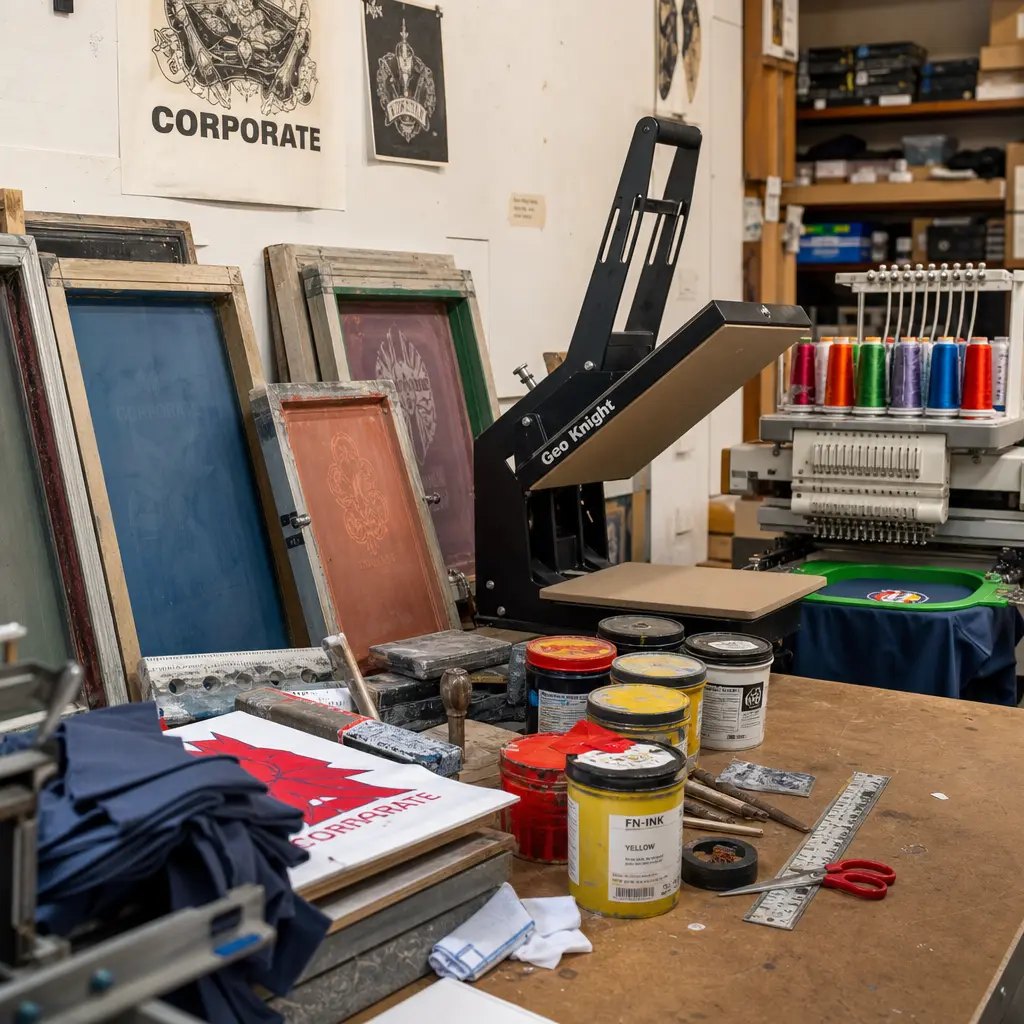
For most buyer programs, single-color screen print is the safest and lowest-risk method. It is easy to repeat, stable across batches, and typically more economical when MOQ rises. Water-based ink is a good fit when the brand wants a softer hand and a more natural look, but it still needs a clean weave and correct curing. If the design has fine text, gradients, or multiple colors, the supplier should explain the line screen, registration tolerance, and expected fail points before production.
Do not approve print from a digital proof alone. A proof can hide how the ink behaves on organic cotton, especially on a textured surface. The better process is a decorated sample on the actual fabric, followed by a simple rub or wash test depending on how the tote will be used. If the brand wants a premium retail feel, embroidery or woven label application can be better than a large complex print, but each adds stitching points and lead time.
- Screen print works best for bold logos and repeat reorders.
- Heat transfer is usually less durable for a tote meant for reuse.
- Ask the supplier to confirm print area, edge clearance, and curing method in writing.
MOQ logic and how it changes your unit price
MOQ is not only a factory policy; it is a pricing structure. The supplier may quote a low unit price at a higher MOQ because fabric loss, screen setup, and sewing line changeover are spread across more units. At a smaller MOQ, the same tote can become expensive very quickly if there are multiple colors, special handle lengths, or custom packing. For subscription boxes, it is often smarter to reduce decoration complexity before reducing size, because print and packing complexity usually drive more hidden cost than a few extra centimeters of fabric.
A strong quote separates fabric cost, printing, sewing, packing, and carton work. If those items are blended into one line, you cannot see where the margin is hiding. That makes it hard to compare a direct factory quote against a sourcing agent or trading company quote. The key buyer move is to ask for price breaks at the next 500, 1,000, and 3,000 piece tiers using the same spec. That reveals whether the supplier is giving a real scale discount or just quoting a placeholder number.
- Compare quotes only after fixing fabric, print, size, and packing assumptions.
- Watch for hidden setup charges on screens, labels, or carton marks.
- Ask how much the unit price changes if you drop one print color or reduce the tote height.
Supplier routes: direct factory versus intermediary buying
For this product, the sourcing route changes your risk more than buyers expect. A direct factory is usually stronger on repeatable sewing control, sample consistency, and cost transparency. A trading company or intermediary may be useful when you need mixed product consolidation, but the quote often includes extra layers of margin and less visibility into the actual production line. For a subscription box tote that must arrive on a fixed launch calendar, control of the factory schedule matters as much as the dollar price.
What matters to procurement teams is not who speaks best on email, but who can prove material control, decoration control, and packing control. If the supplier cannot show a structured sample approval path, carton labeling method, and QC flow, the risk of surprise changes goes up. For repeat programs, the supplier should be able to keep the same fabric lot reference, print standard, and packing spec for the next reorder.
- Direct factory suits repeat programs and tighter cost control.
- Intermediaries can help with consolidation but often reduce traceability.
- Use the same spec sheet across all sourcing routes so the quote comparison stays fair.
Comparison table: sourcing routes that actually change outcome
When buyers compare custom organic cotton totes for subscription boxes, the biggest mistake is comparing only unit price. The sourcing route affects sample accuracy, correction speed, packing discipline, and ultimately whether the tote lands on time for the box ship date. Use the comparison below to decide which route fits your risk profile rather than which line looks cheapest on paper.
The right option depends on volume, internal QA strength, and how much change you can tolerate after approval. If your team ships recurring subscriptions, a route with stronger repeatability is usually worth more than a slightly lower ex-factory quote.
- Write decisions in measurable language, not only descriptive wording.
- Ask for sample photos plus one physical approval sample for important orders.
- Keep quotation, sample approval, and inspection notes tied to the same spec version.
Sample approval should lock the production reality
A sample only helps if it reflects the production process you will actually buy. That means the fabric weight, print method, handle construction, and finishing should all match the bulk order as closely as possible. A good approval sequence starts with a blank fabric confirmation, then a decorated sample, then a sealed gold sample that the factory can reference during bulk sewing and packing.
Do not accept a sample that looks good but lacks production details. For example, a tote may look fine in a hand-sewn sample but fail in bulk because the handle reinforcement was simplified or the hem width changed. The buyer should confirm dimensions, stitch count around the handles, print placement tolerance, and any odor or stain issues before sign-off.
- Approve the sample against the exact artwork file and final size spec.
- Keep one signed gold sample for production and one for the buyer file.
- If the supplier revises the sample, restart approval on the changed points only if they affect fit, strength, or print appearance.
Inspection thresholds that prevent box-level complaints
For subscription boxes, a tote defect is not isolated to one bag; it can affect every consumer unit packed that week. That is why inspection has to focus on carton-level consistency, not just random bag appearance. The most useful QC points are seam strength, print placement, dimension accuracy, stain control, and pack count. If one carton is short or mixed by color, the issue becomes a fulfillment problem as well as a quality issue.
Set the defect language before inspection begins. Major defects should include broken seams, wrong print, incorrect size, visible stains, missing handles, and mispacked cartons. Minor defects can include small loose threads, slight print shift within tolerance, or light wrinkling from packing. The supplier should understand that the bag is not just judged visually; it is judged by its ability to survive handling, packing, and end-customer reuse.
- Use random carton opening, not just outer-carton counting.
- Check print alignment on both the first and last cartons sampled.
- Treat mixed colors, wrong SKU labels, and count shortages as shipment blockers.
Packing and carton rules for subscription workflows
Packing decisions affect labor and damage more than many buyers expect. Flat packing is usually the best option when totes are inserted into subscription boxes at a fulfillment center. It saves cube, keeps the tote crease manageable, and makes pick-and-pack easier. If the tote is meant to be a premium insert or shelf item, a simple individual polybag may be justified, but it should not add unnecessary plastic or turn into a labor bottleneck.
Carton discipline matters because subscription programs often rely on exact counts. If the supplier packs 100 pieces per carton but labels the carton loosely, a warehouse team can waste time reconciling the wrong count. Buyers should require carton marks that match the PO, SKU, color, and quantity per carton. If the program has multiple variants, cartons should not mix styles unless the warehouse specifically requests mixed packing.
- Require pack count by carton and by inner bundle if relevant.
- Specify whether totes are folded, rolled, or flat laid.
- Match carton size to the warehouse receiving method, not only the factory packing preference.
Lead time risk and landed-cost comparison
Lead time for custom organic cotton totes is often stretched by sample approval, fabric booking, and print scheduling, not sewing alone. A realistic plan usually needs time for artwork confirmation, raw material sourcing, lab or visual approvals if applicable, production, inspection, and export booking. If your subscription box has a fixed launch date, assume that any late artwork revision or change in bag size can ripple into shipping and receiving delays.
Landed cost is the number that matters when the tote is part of a subscription box margin model. The ex-factory quote may look attractive, but freight cube, inspection cost, packing labor, and reject risk can make a slightly higher factory quote cheaper overall. Compare landed cost using the same assumptions for carton count, volume, and destination. If one supplier quotes a heavier fabric, ask for the freight impact before deciding.
- Build schedule buffers around sample approval and print sign-off.
- Compare landed cost, not only FOB or ex-works price.
- Track the cost impact of fabric weight, packing method, and carton volume together.
Specification comparison for buyers
| Spec decision | Recommended option | When it fits | Buyer risk to check |
|---|---|---|---|
| Fabric weight | 180-220 GSM organic cotton canvas | Subscription boxes that need a tote to hold inserts without looking flimsy | Too light leads to see-through fabric, seam stress, and wrinkling; too heavy raises freight and unit cost |
| Print method | Single-color screen print or water-based print for simple logos | High repeat orders with stable artwork and clear brand colors | Fine details can fill in on coarse weave; confirm ink wash resistance and cure quality |
| Handle construction | Cross-stitched handles with box-X reinforcement | Boxes with medium load, retail use, or repeated customer handling | Weak handle sewing fails first; inspect stitch density and bar-tack placement |
| Bag size | Fits the largest subscription insert with 10-15% internal clearance | Multi-item boxes where the tote also becomes a keeper item | Oversized totes inflate shipping cubes; undersized totes distort print placement and fold badly |
| Closure style | Open top or simple zipper only if contents must stay contained | Open tote works for lifestyle kits; zip adds protection for premium or travel subscriptions | Zippers add cost, more QC points, and potential snag issues on lining or seam allowance |
| Supplier route | Direct factory with artwork, packing, and inspection control | When you need repeatable specs and lower landed cost at scale | Trading layers can hide the real factory, weaken change control, and slow issue resolution |
| Packing format | Flat-packed with counted polybags and carton labels matched to PO | Subscription boxes with fixed outbound kitting and limited warehouse labor | Bulk folding errors and mixed carton counts create shortages during fulfillment |
| Inspection level | Pre-shipment AQL with carton count and random unpack check | Any order where totes are inserted into time-sensitive boxes | If QC happens only at arrival, defects may already be in packed consumer boxes |
| Lead time plan | Clear sample approval, then 30-45 day production window after material confirmation | Standard decorated orders with stable raw material access | Artwork delays, color approvals, and fabric shortages can push the ship date beyond the subscription launch |
Buyer checklist before sampling
- Confirm tote size against the exact subscription box insert list, not just the outer carton size.
- Specify fabric weight in GSM, weave type, and whether the cotton must be certified organic or only organic-content compliant.
- Approve the print method against artwork complexity, color count, and wash/rub expectations.
- Define handle length, reinforcement stitches, seam allowance, and acceptable needle-hole appearance.
- Lock packing method, inner polybag quantity, carton count, and barcode label format before production.
- Set an AQL or defect tolerance for seam breaks, misprints, stains, loose threads, and dimension variance.
- Request a pre-production sample, a decorated gold sample, and a pre-shipment inspection photo set.
- Compare quotes with the same assumptions for fabric weight, print area, packing, and delivery terms.
Factory quote questions to send
- What exact fabric GSM, yarn count, and weave are you quoting, and what tolerance do you hold on finished bag weight?
- Which print method is included, how many colors are priced, and what setup or screen charges apply?
- Can you share seam specs, handle reinforcement details, and your accepted measurement tolerance by bag size?
- What is your MOQ by color and by print design, and how does the unit price change at the next tier?
- What sample stages do you provide before bulk approval, and which sample is the final production reference?
- How are bags packed for shipment, how many pieces per polybag or carton, and what carton test standard do you use?
- What is the full lead time split between material booking, sample approval, production, and booking the vessel or air shipment?
- Which costs are excluded from the quote, including artwork revision, inspection, carton marks, labels, and freight?
Quality-control points to confirm
- Fabric GSM matches the approved spec and is checked on incoming rolls or finished bag sampling.
- Color is consistent across the batch and does not shift noticeably between front panel, handles, and gussets.
- Print placement stays within the approved tolerance and no cracking, pinholes, or smudging appears after cure.
- Handles are symmetric, correctly reinforced, and survive a pull check without stitch pop or seam distortion.
- Side seams, bottom seams, and top hem are straight, secure, and free of skipped stitches or thread breaks.
- Final dimensions stay within the buyer's acceptable tolerance, including handle drop and usable interior width.
- Bags are clean, odor-free, and free from stains, oil marks, broken needles, or loose accessory debris.
- Cartons are labeled correctly, pack counts match the PO, and random carton checks confirm no mix-up by design or color.