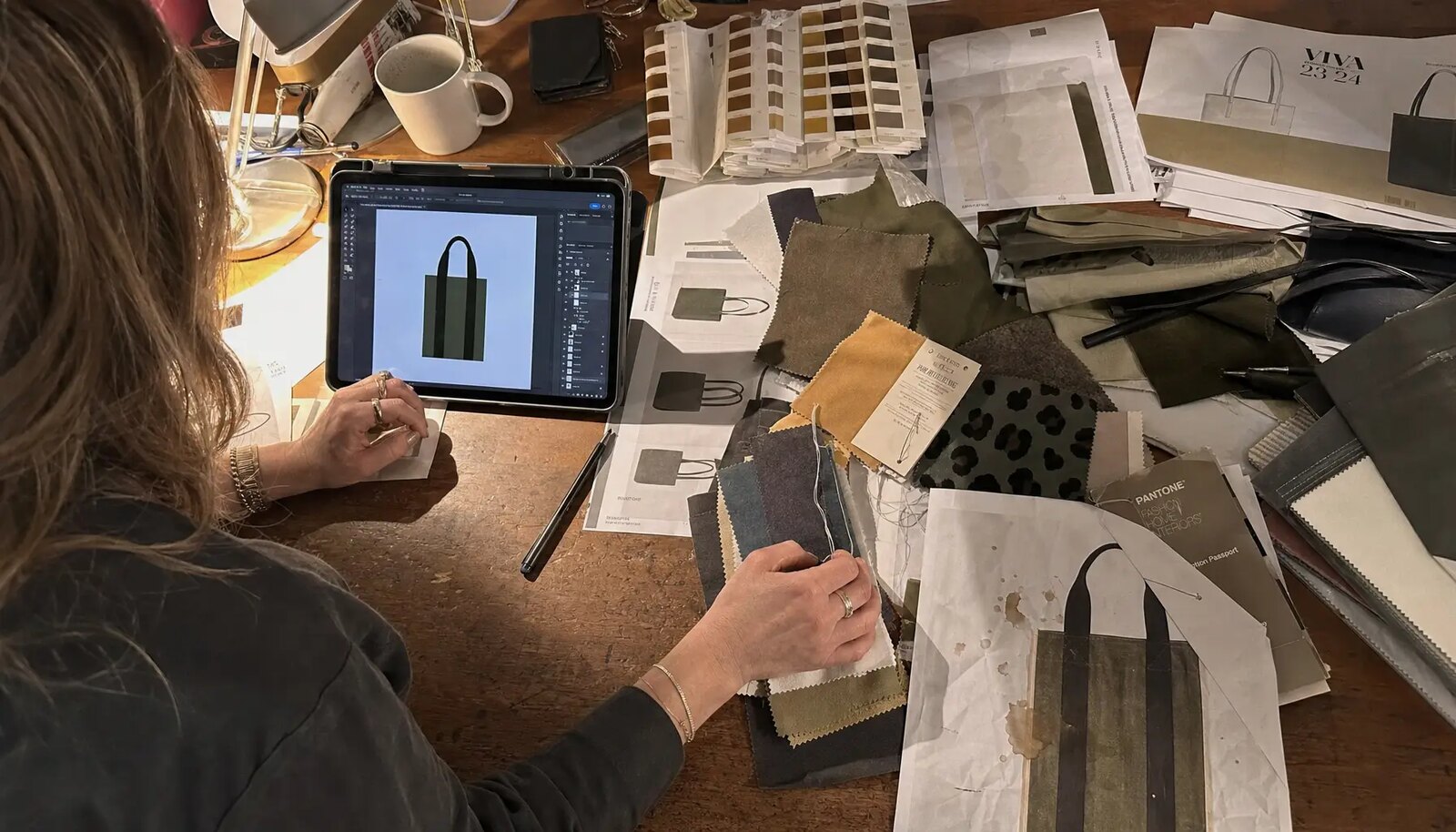
Why craft fair totes fail in practice
Most problems with custom organic cotton totes are not dramatic defects. They are small misses that become expensive after the goods arrive: a tote that feels thinner than the sample, a print that shifts 8–10 mm, handles that twist, or cartons that contain mixed counts. At a craft fair, buyers notice these issues immediately because the product is handled, folded, carried, and displayed in full view.
The point of a proper inspection checklist is to protect the order before it reaches your booth, warehouse, or fulfillment team. A tote used for craft fairs has a dual job: it has to support merchandise and it has to look clean enough to represent the brand. That means procurement cannot rely on a “looks fine” approval. The inspection standard should tie the visual result to measurable specs.
- Craft fair use usually favors a light-to-medium fabric that folds well but still holds shape.
- The buyer should treat print placement, handle strength, and pack consistency as core quality items, not finishing details.
- If the tote is also a retail product, the defect tolerance should be tighter than for a one-time giveaway.
Start with the right fabric weight and construction
For most custom organic cotton totes used at craft fairs, the practical range is 140–180 GSM. Below that, the bag can feel too soft and lose structure once the customer fills it. Above that, the tote starts to behave more like a heavy carrier: better durability, but higher cost and more fabric consumption. The right choice depends on whether the bag is meant to hold pamphlets, candles, handmade goods, or heavier retail items.
Fabric weight alone is not enough. You also need the construction to match the use case. A 38 x 42 cm tote with 60 cm handles is a common baseline, but the actual performance depends on seam allowance, reinforcement at the handle junction, and whether the factory has controlled shrinkage before cutting. If the fabric shrinks after the first wash or even after humid warehouse storage, the final dimensions can move enough to cause packing and branding issues.
- 140–160 GSM: better for lightweight event giveaways, brochures, and low-cost promotions.
- 160–180 GSM: better for retail resale, repeated fair use, and products that need a fuller handfeel.
- Look for reinforced handle joins if the tote will carry glass jars, paper goods, or multipacks.
Use the print method as a QC decision, not just a design choice
For a craft fair tote, the safest print route is often a one-color screen print when the artwork is simple. It is easier to hold registration, easier to inspect, and generally more forgiving on organic cotton than a highly detailed multi-color design. If the logo includes fine text or thin lines, test the smallest readable element on the approved sample before you approve the bulk order.
Print issues often appear because the supplier quotes the right method but uses the wrong tolerance. A 100 mm logo centered on the sample can drift noticeably in mass production if the cutting guide is loose or the printing jig is not fixed. Ask for the exact print size, print location from seam reference points, and curing method. If the factory cannot describe those items clearly, expect variation.
- Screen print: best for simple logos, lower unit cost at scale, durable enough for repeated handling.
- Transfer print: useful for short runs or detailed logos, but must be tested for cracking and wash resistance.
- Embroidery: premium look, but adds cost, stiffness, and potential puckering on lighter fabric.
Compare supplier routes before you compare price
Two quotes that look similar can hide very different sourcing routes. A direct factory may quote a better base price because sewing, cutting, and print are all managed in-house. A trading company may offer more flexibility on small orders, but the final quality depends on the actual mill, print shop, and sewing line behind them. For procurement, the question is not which quote is lower by a few cents. It is whether the supplier can repeat the same result at your target quantity.
When comparing suppliers, force them into the same structure: fabric GSM, bag size, handle length, print area, quantity tier, packing method, and shipment term. If one supplier gives a simple all-in price while another breaks out screen charges, carton costs, and sample fees, the all-in quote may look cleaner but still be less reliable. You need apples-to-apples data to identify where the real cost drivers are.
- Direct factory: better for control, but verify that printing and sewing are truly owned by the plant.
- Trading company: useful for flexibility and consolidation, but inspect the production source carefully.
- Local converter: good for short lead times, though unit cost may be higher and material options narrower.
What to inspect on the pre-production sample
The pre-production sample is the only physical proof that the quote and the final tote can match. Inspect it against a written sheet, not memory. Measure finished width, height, gusset if any, handle length, and print position. Check whether the fabric density feels correct and whether the tote stands or collapses the way your sales team expects. If the bag will be folded into a retail kit, verify the fold line does not distort the print or crack the surface finish.
A good sample review also checks practical handling. Put product weight into the bag and hold it by the handles for a short stress test. Examine the handle stitching after load, look at the bottom seam from inside and outside, and check if the fabric pulls at the corners. If the sample already shows puckering or uneven tension, bulk production will only magnify the issue.
- Measure and record: width, height, gusset, handle drop, print location, and seam allowance.
- Check visual alignment from a standing viewing distance, then inspect close-up for thread skips and ink defects.
- Use the same sample for all internal stakeholders so sales, procurement, and QC are approving the same reference.
Set acceptance thresholds before bulk production starts
The QC checklist should define what is acceptable and what is not. For example, slight color variation may be normal across organic cotton lots, but print placement outside the agreed tolerance is not. Small thread ends can be trimmed, but loose or skipped stitches at the handle join should fail inspection. If these rules are not written before production, the supplier will treat them as negotiable during final inspection.
A practical approach is to separate cosmetic issues from functional issues. Cosmetic items include minor shade movement, tiny natural fiber flecks, or slight texture variation. Functional items include seam failure, weak handles, serious size deviation, and carton count mismatch. If the tote is for retail sale, your acceptable cosmetic threshold should still be tight because packaging and shelf presentation matter.
- Functional defects should fail the lot: weak handles, open seams, incorrect count, major print offset.
- Cosmetic variation may be acceptable only if it does not affect brand presentation or retail sell-through.
- Set separate limits for the product itself and for outer cartons so warehouse teams know what to reject.
Packing details can ruin an otherwise good order
Packing is often where tote orders become inconvenient. A beautifully made bag can arrive wrinkled, dusty, or mixed by SKU if the packing spec was vague. For craft fairs, the packing method should match the next handling step. If the bags go straight to retail shelves, a flat-packed unit polybag may be worth the extra cost. If they go into a distribution carton for event teams or fulfillment, bulk packing by count may be more efficient.
The quote should state how many units go in each inner pack and each master carton, whether each unit is folded the same way, and whether the factory uses carton labels with size, color, and quantity. Also check whether the tote is packed with paper inserts or silica if moisture is a concern. Organic cotton can pick up warehouse smells and visible wrinkles quickly if cartons are overfilled or poorly sealed.
- Inner pack consistency matters when teams open cartons and count by hand at receiving.
- Carton markings should match your SKU structure, especially if you split quantities by event location.
- If the tote is sold at retail, presentation wrinkles can reduce perceived value even when the bag itself is well made.
Lead time risk is usually sample time, not sewing time
Buyers often focus on the sewing lead time and forget the time lost before production starts. For custom organic cotton totes, the timeline usually includes artwork confirmation, fabric sourcing, sample making, approval, production scheduling, and packing. If you approve artwork late or change the print after sample approval, the factory may need to re-open screens or reset the line, which affects both cost and delivery date.
The safest schedule is one that includes buffer around sample approval and shipping consolidation. If your craft fair date is fixed, do not treat the promised bulk lead time as the full project timeline. Build time for sampling, corrections, and pre-shipment inspection. A supplier that gives only a short sewing lead time without sample staging may be assuming everything goes right the first time.
- Ask for separate timing on sample, bulk production, and packing.
- Keep a contingency window for artwork correction and pre-shipment rework.
- If the order is seasonal, confirm fabric availability before releasing the PO.
How to compare landed cost without getting fooled by the unit price
A low factory price can be misleading if the supplier underquotes fabric weight, omits print setup, or uses a packing spec that increases warehouse labor later. The better comparison is landed cost per sellable tote. That includes product price, sample amortization on smaller runs, print setup, carton costs, freight, and any rework risk tied to quality failures. For procurement teams, a slightly higher unit price can still be the better buy if it reduces rejects and handling time.
When comparing landed cost, use the same quantity and the same assumptions across suppliers. If one quote is for 160 GSM and another is for 140 GSM, the cheaper number is not directly comparable. If one quote includes polybagging and another does not, the gap may disappear once you add warehouse labor. The right way to judge the offer is to calculate what one acceptable tote will cost at receiving.
- Include print setup, packaging, carton labels, and freight in the comparison model.
- Adjust for sample charges on smaller runs so unit economics are realistic.
- Treat quality failures as cost: rework, reinspection, and replacement shipments all affect margin.
The inspection workflow that prevents avoidable disputes
A good workflow starts with the approved sample, moves to an inline check during production, and ends with a final inspection before shipment. The key is to inspect the same attributes at each stage. If the sample had a centered logo and reinforced handles, the line check should confirm those same details on running production. Do not rely on the final carton scan alone. By then, any issue will be expensive to sort.
The inspection record should be simple enough to use on the factory floor and detailed enough to support a claim if necessary. Keep photos of the approved sample, note measurements with tolerances, and record defect counts by category. This reduces arguments later, especially when the issue is not a complete failure but a borderline case such as print drift or shade shift.
- Use the approved sample as the master reference for dimensions, print, and stitching.
- Record defects by type, not just pass/fail, so corrective action is clearer.
- Do not release shipment until carton count, labeling, and pack style match the PO.
Specification comparison for buyers
| Spec decision | Recommended option | When it fits | Buyer risk to check |
|---|---|---|---|
| Fabric weight | 140–180 GSM organic cotton canvas or sheeting, depending on load | Best for craft fairs when the tote carries brochures, samples, small retail items, or giveaways | Too light can feel flimsy and wrinkle badly; too heavy can raise cost and reduce foldability |
| Supplier route | Direct factory with print and sewing in-house | Useful when you need tighter control on stitch quality, print alignment, and packing spec | Need proof of actual production capacity; subcontracted printing or sewing can create mismatch between sample and bulk |
| Print method | 1-color screen print or low-ink transfer for simple logos | Best for bold branding, repeat orders, and controlled unit cost | Fine details, gradients, or small text may blur; require artwork tolerance approval before bulk |
| Handle construction | Cross-stitched or box-x reinforced handles with matching thread gauge | Needed when the tote will carry heavier merchandise or be reused often | Short bar-tacks or weak thread tension can fail after only a few loading cycles |
| QC approach | Pre-production sample plus inline and final inspection using AQL-based criteria | Best for importers and retail buyers who need repeatable acceptance standards | Without written tolerances, suppliers may pass visually similar but functionally weak bags |
| MOQ logic | Lower MOQ for stock fabric and standard sizes; higher MOQ for custom dye, special trims, or complex print | Good for testing craft fair demand or seasonal launches | Low MOQ can still carry hidden costs if the factory must open new fabric lots or print screens for a small run |
| Packing method | Flat packed in polybags or bulk-packed by count with carton labels | Works for wholesale distribution, retail kitting, or fulfillment prep | Loose packing can create dirt marks, mixed counts, or wrinkled product that fails presentation standards |
| Lead time | Allow time for sample approval plus production and outbound consolidation | Appropriate when you have a fixed fair date or retail launch window | Rushed schedules increase defect risk, reprint risk, and carton mislabeling |
| Quote format | Line-item quote with fabric GSM, print size, sample cost, pack spec, and shipment terms | Best for comparing factories fairly | Bundle pricing without breakdown hides where the supplier is cutting corners |
Buyer checklist before sampling
- Confirm the tote’s end use: brochure bag, retail carrier, gift bag, or event giveaway, because load expectation changes fabric weight and handle spec.
- Lock the fabric spec in writing: organic cotton type, GSM, weave, finished size, seam allowance, and whether shrinkage allowance is already included.
- Approve one pre-production sample for fabric handfeel, stitching, print registration, and actual finished dimensions after pressing or washing if relevant.
- Set acceptance limits for key dimensions, color variation, print placement, and stitch quality before bulk production starts.
- Verify the carton pack plan: unit polybag or bulk pack, carton count, carton size, master carton marking, and barcode or SKU label needs.
- Ask how the factory manages shrinkage, fabric lot variation, and print curing so the bulk goods match the approved sample.
- Compare at least two supplier routes: direct factory vs trading company or local converter, using the same quote format and QC terms.
- Keep a photo record of the approved sample with measurements, so the inspection team can compare bulk production against the reference.
Factory quote questions to send
- What exact organic cotton fabric are you quoting, including GSM, weave, and whether the fabric is pre-shrunk or washed?
- Is the quoted price based on a fully in-house process, or are printing, cutting, or sewing subcontracted?
- What is the standard dimensional tolerance for finished size, handle length, and print placement?
- How many colors are included in the print price, and what is the setup or screen fee if the artwork changes?
- Can you provide a unit price at several quantities so we can compare MOQ impact and bulk break pricing?
- What sample cost will be charged, and is it refundable against production if the order is placed?
- What packing method is included in the quote, and what is the cost difference for polybagging, carton labeling, or custom inserts?
- What is the realistic production lead time after sample approval, and what factors would extend it?
- What inspection standard do you normally use before shipment, and can you share a defect list or QC report format?
- What shipping terms are included in the price, and what carton dimensions and gross weight are you using for freight estimates?
Quality-control points to confirm
- Finished size matches the approved sample within the agreed tolerance, not just by appearance.
- Fabric weight is consistent enough that the tote feels similar from piece to piece and does not become transparent under normal use.
- Stitching is straight, thread tension is even, and no loose ends remain at stress points, especially handle joins and side seams.
- Print sits in the correct position, with no major smudge, ghosting, ink bleed, or color shift across the lot.
- Handle length and attachment symmetry are consistent so the tote hangs evenly when carried.
- Inner seams are clean, overlocked, or otherwise finished to prevent fraying during retail handling.
- Carton counts are accurate, labels are legible, and the outer pack matches the agreed SKU or destination split.
- Any pre-treatment, washing, or finishing step has been controlled so shrinkage does not distort the final tote after delivery.