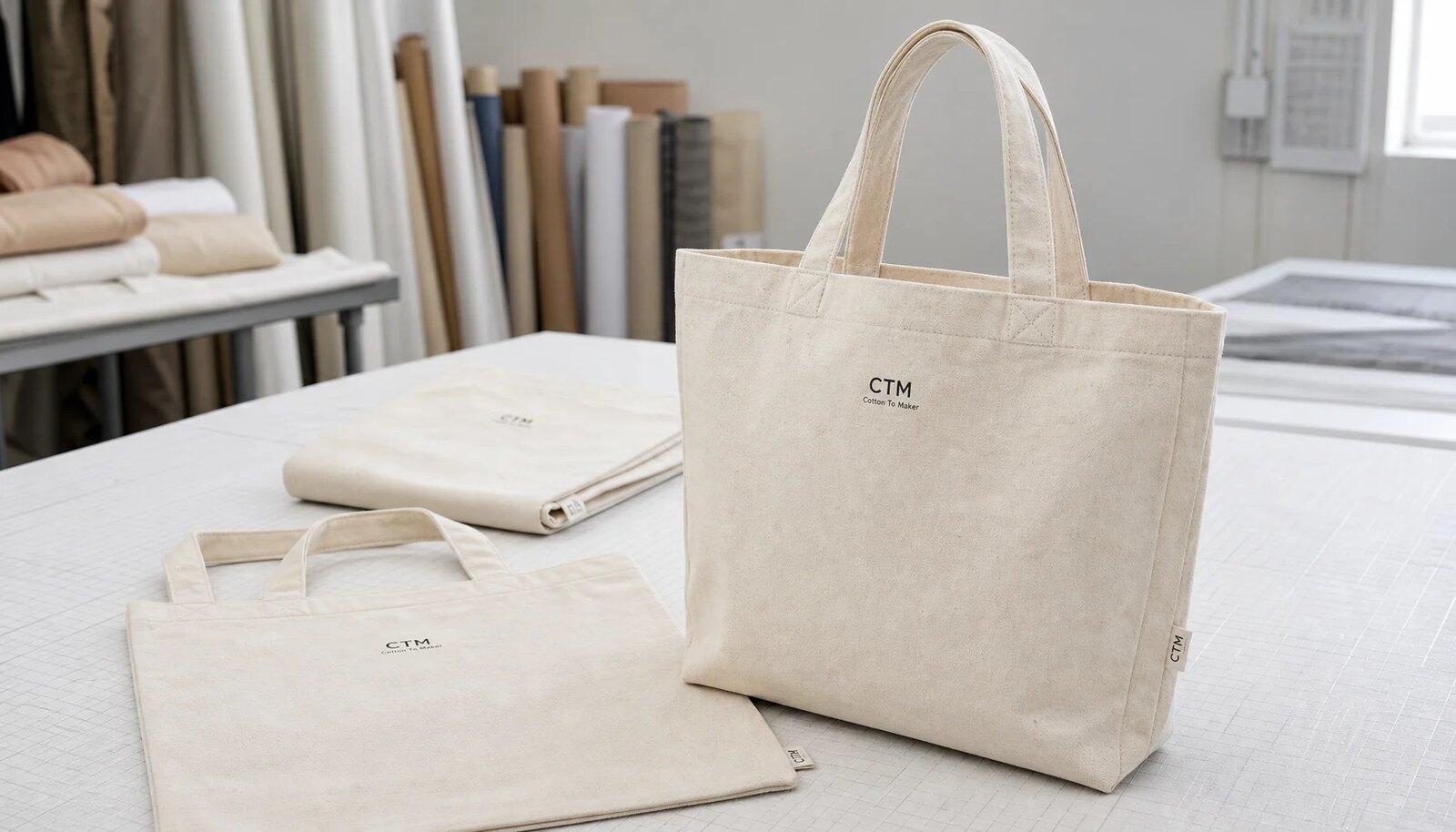
Start With the Retail Date, Not the Sewing Estimate
A hotel tote order is successful only if the bags are ready when the property needs to sell or use them. The anchor date is not the factory’s production estimate. It is the date the tote must be checked into the hotel warehouse, moved through receiving, and ready for the boutique, spa desk, beach shop, welcome program, or event team.
Hotel retail calendars are fixed around commercial moments: a resort reopening, peak beach season, a spa menu launch, a conference block, festive gifting, loyalty campaigns, or a boutique assortment reset. If the tote arrives two weeks late, it may still meet the specification, but it has missed the business window.
Build the schedule backward. Separate the in-store date, receiving buffer, customs clearance, freight transit, export handover, final inspection, packing, sewing, decoration, cutting, fabric preparation, PP sample approval, strike-off approval, blank sample approval, artwork freeze, quote approval, and deposit. That breakdown quickly shows where the pressure really sits.
For a first custom organic cotton tote program, a 75-95 day planning window before required warehouse arrival is a sensible target. This is not a promise that every order needs that long. Repeat orders with the same fabric, artwork, packing, supplier, and approval route may move faster. The value of the window is that it protects the many decisions outside the sewing line.
Internal approval is often slower than the factory. Procurement may approve price, brand may adjust logo size, merchandising may change fold presentation, sustainability may question packaging, and logistics may reject carton weights. Assign an owner and deadline for each approval before the RFQ goes out.
- Create one master date chain from in-store date back to RFQ release.
- Separate warehouse arrival, customs clearance, freight handover, factory ex-works date, and PP approval.
- Treat deposit, final artwork, material confirmation, packing files, and PP approval as production start conditions.
- Add buffer around Lunar New Year, Christmas, summer resort peaks, and local supplier holidays.
- Do not release a mixed-property program until each SKU has a frozen approval path.
Define What Organic Cotton Must Mean
Organic cotton sounds simple in a product title, but procurement needs tighter language. A supplier may be referring to certified organic fiber, certified yarn, certified fabric, blended organic content, natural unbleached cotton, or a conventional cotton tote with an organic-looking finish. Those options carry different costs, documents, and risks.
Start with the claim the hotel intends to make. Will the tote be described as made with organic cotton? Does the order file need chain-of-custody support? Is a transaction certificate expected? Is a fabric certificate enough? Would a supplier declaration satisfy internal policy? These questions should be answered before sampling, because certification scope can affect which factories and fabric suppliers are suitable.
Documentation also affects timing. If the order requires certification documents tied to the specific transaction, the supplier may need to confirm material source, certification scope, and paperwork flow before production. If the hotel only needs a material declaration for a low-claim internal program, the route may be simpler. The important point is to write the requirement clearly in the RFQ and PO.
Natural organic cotton has its own visual character. Unbleached fabric may show seed flecks, slubs, and small shade movement. Many hotel brands like that honest, natural look. Still, the approval sample should separate acceptable character from defects. Seed flecks are one thing; oil marks, stains, holes, mildew odor, excessive weaving faults, or major panel shade mismatch are another.
Dyed organic cotton needs extra control. Ask whether the fabric is yarn dyed, piece dyed, garment washed, or matched to a swatch. Dyeing can affect shrinkage, GSM, hand feel, and print color. For repeat orders, keep the approved swatch or PP sample as the practical reference while allowing realistic dye-lot variation.
- State the required organic claim and document package in the RFQ.
- Confirm whether the quote includes certified organic cotton or only organic-style wording.
- Ask whether fabric is stock, newly woven, newly dyed, or subject to greige booking.
- Define acceptable seed flecks and slubs separately from stains, holes, odor, and shade defects.
- Keep an approved fabric swatch or PP sample for repeat-order comparison.
Match the Tote to the Hotel Retail Job
A tote for hotel retail is not one generic bag. The same basic product can play very different roles. A boutique resale tote must look neat on a shelf and justify a selling price. A spa tote may need a softer hand feel and quieter branding. A beach tote may need more volume, stronger handles, and a base that can hold towels or sandals. A welcome amenity can be lighter if it only carries printed materials and small gifts.
Describe the commercial role before asking suppliers to quote. Include the selling context, expected contents, display method, target price tier if shareable, and brand style. A factory quoting a conference giveaway will not make the same assumptions as a factory quoting a reinforced souvenir tote for a resort shop.
Dimensions should be stated as finished measurements. Give finished width, height, gusset depth, handle drop, handle width, top hem width, seam style, and whether measurements are taken flat. Handle drop deserves special attention. A bag can look correct in a flat photo but feel wrong when the guest tries to carry it on the shoulder.
Reinforcement should be decided early, not added after a weak sample appears. Handles may be self-fabric or cotton webbing. Stress points may use box-cross stitching, bar tack, or another approved pattern. If the tote will carry books, towels, bottled spa products, packaged retail goods, or event materials, include the reinforcement method in the base specification and base quote.
It also helps to rationalize the range. When several properties need related totes, standardize the body size and fabric where possible, then vary artwork, hangtags, woven labels, or barcodes. That approach can reduce sample rounds, cutting changes, and inventory mistakes without forcing every property to use identical branding.
- Define whether the tote is resale, amenity, gifting, conference, spa, beach, or boutique merchandise.
- List typical contents so the supplier can judge gusset, handle drop, and reinforcement.
- Specify finished width, height, gusset, handle drop, handle width, top hem, and seam style.
- State whether the bag must be shoulder-carry, hand-carry, folded display, or hanging display.
- Standardize one body across properties when possible and vary artwork or labels.
Choose Fabric Weight With Real Tolerances
Fabric weight drives the look, price, sewing speed, packing volume, and freight cost of custom organic cotton totes. For most hotel retail resale programs, 10oz-12oz canvas, roughly 280-340 GSM, is a practical starting range. It gives more shelf presence than a lightweight giveaway tote while remaining manageable for cutting, sewing, folding, and carton packing.
Lighter 6oz-8oz cotton, roughly 170-240 GSM, has a place. It can work for welcome kits, conference inserts, lightweight gifting, or lower-cost amenities. Before using it for paid retail, test it under store lighting and load it with real contents. Thin cotton can look fine in a flat product image but feel too promotional in a boutique setting.
Heavy canvas at 14oz and above can support a premium position, but it changes the operation. The factory may need stronger needles, slower sewing, more careful folding, and different carton planning. Heavy fabric can create seam puckering or visible needle damage if the construction is not tuned well. It may also increase CBM and carton gross weight enough to affect landed cost.
Do not let fabric weight remain a loose adjective such as medium or thick. Ask whether the quoted GSM is measured on greige fabric, dyed fabric, finished fabric, washed fabric, or finished goods. Agree the tolerance in writing. In practice, many buyers use the approved PP sample plus a numeric GSM or ounce tolerance as the bulk reference.
Shrinkage matters for repeat orders and dyed goods. If the fabric is washed, dyed, or printed with large coverage, ask how dimensions and hand feel may change. A tote that is technically the same size on paper can feel different when the fabric has a different finish or stiffness.
- 6oz-8oz, about 170-240 GSM: light amenities, brochures, welcome kits, and budget programs.
- 10oz-12oz, about 280-340 GSM: core hotel retail, spa shop, beach shop, and reusable souvenir bags.
- 14oz+ canvas: premium feel, higher cost, slower sewing, heavier cartons, and closer seam control.
- Ask for shrinkage data when fabric is dyed, washed, printed heavily, or repeat ordered.
- Confirm whether quoted weight is fabric GSM, ounce per square yard, or a rounded commercial description.
Break Lead Time Into Decision Gates
A useful custom organic cotton totes lead time planning guide for hotel retail separates project time from factory production time. A supplier may quote 30 working days for production, but that usually assumes the buyer has already approved artwork, fabric, decoration, packing, payment, and the PP sample. It may not include RFQ clarification, internal hotel approval, sampling courier time, inspection booking, export documents, or freight handover.
Ask each supplier for a stage-by-stage schedule. A first order may need five to ten working days for a blank construction sample after the specification is complete. A decoration strike-off or printed sample may need another five to ten working days after final artwork is supplied. Fabric preparation may be immediate if stock natural canvas is available, or it may take several weeks if dyeing, new weaving, or certification checks are needed.
Once pre-production is approved, bulk cutting, printing, curing, sewing, trimming, packing, and inspection depend on quantity, SKU splits, decoration method, and the factory’s season. A single artwork on one natural fabric moves differently from a multi-property program with different labels, barcodes, belly bands, and carton marks.
Decide what may start before final approval and who carries the risk. Standard fabric may sometimes be reserved before PP approval. Bulk printing should not begin before print size, placement, ink color, curing expectations, and strike-off are approved. Retail packing materials should not be printed until barcodes, hangtags, belly bands, and carton marks are final.
Inspection and shipping need their own space in the calendar. Final inspection should happen after goods are packed but before release. If using a third-party inspector, allow time for booking, report review, and corrective action. Export documents and forwarder booking should not be treated as same-day admin after cartons are finished.
- RFQ gate: size, GSM, artwork, quantity split, packing, Incoterm, and required date are complete.
- Sample gate: blank construction, strike-off, and PP sample are approved with measurements.
- Material gate: fabric stock, dye lot, shrinkage, certification scope, and shade reference are confirmed.
- Production gate: cutting, printing, curing, sewing, trimming, and packing sequence is agreed.
- Shipment gate: final inspection, export cartons, documents, forwarder handover, and receiving data are ready.
Control MOQ by SKU, Not Total Quantity
MOQ problems often appear because buyers discuss only the total program quantity. A 3,000-piece hotel tote order sounds efficient until it is split across six properties, three artworks, two fabric colors, separate barcodes, and different packing formats. From the factory’s point of view, that may become many small production runs.
Each split can create work: cutting segregation, screen setup, print changeover, label control, barcode application, carton marking, inventory separation, and inspection sampling. Those tasks affect both price and lead time. If they are not visible in the RFQ, they usually appear later as setup charges, schedule extensions, or packing confusion.
Organic cotton fabric can also carry MOQ before sewing begins. A special dyed color may require a minimum dye lot. A nonstandard weight may require mill sourcing or weaving. Even natural stock canvas has roll-width and cutting-efficiency realities, especially when the requested dimensions are unusual.
Ask the supplier to state MOQ and price by body size, fabric color, artwork, print color set, woven label, hangtag, barcode, packing SKU, and destination property. This makes quote comparison more honest. It also shows where standardization will save the most time.
When possible, keep one tote body and one fabric across the program. Change the front artwork, small woven label, hangtag, or barcode for each property. If the hotel group wants seasonal graphics, leave the base tote stable so every new artwork does not trigger a full construction review.
- Request MOQ per body size because cutting markers and sewing setup change with dimensions.
- Request MOQ per fabric color because dye lots and roll minimums may apply.
- Request MOQ per artwork because screens, films, files, and print setup change.
- Request MOQ per barcode and packing SKU when hotel receiving needs separated cartons.
- Compare low-MOQ pricing with setup, sampling, packing, and carton segregation included.
Approve Decoration With Physical Evidence
Decoration affects the schedule, hand feel, durability, and perceived value of the tote. Water-based screen print is often the most efficient route for one to three spot-color hotel logos, destination marks, and simple retail graphics. It can feel soft on cotton, but opacity on natural or darker fabric must be checked on the actual material.
Other methods can be appropriate. Digital or DTF printing may suit detailed artwork. Embroidery can feel premium for small marks. Woven labels work well for subtle brand systems or repeat collections. Appliqué can create a crafted look. None of these choices should be made only from a mockup, because each adds its own proofing, production, and QC requirements.
Unbleached organic cotton changes color perception. Its texture, absorbency, seed flecks, and base shade can make a Pantone target look warmer, duller, or less opaque than expected. Pantone references are useful, but the physical strike-off should become the production reference. For brand-critical programs, ask what tolerance is realistic on the selected fabric.
Print placement needs measurement. Record the distance from the top edge, side edge, and centerline where relevant. For a standard centered screen print, +/-5 mm is often a useful starting tolerance if the design and sewing variation allow it. Oversized graphics, gusseted shapes, or handmade finishes may need a different agreement.
Curing and rub resistance should not be left to chance. Totes are stacked, folded, banded, packed, unpacked, and handled before a guest buys one. Ink that feels dry but is not fully cured can transfer, crack, or mark adjacent fabric. Ask the factory to check dry rub and light wet rub performance appropriate to the ink system and retail handling.
- Screen print: efficient for clean logos, repeat orders, and limited spot colors.
- Digital or DTF: useful for detailed artwork but inspect hand feel, edge quality, and rub resistance.
- Embroidery: premium for small marks but slower and unsuitable for large filled graphics.
- Woven label: strong for subtle hotel branding and repeat collections with the same base tote.
- Approve strike-offs with ruler photos, color notes, curing checks, and final placement dimensions.
Use Samples as the Production Standard
Samples should do more than win approval from the brand team. They should become the measurable production standard. An email saying looks good is too weak for bulk manufacturing. Record the finished width, height, gusset, handle drop, handle width, top hem, seam style, reinforcement, fabric reference, print size, print placement, label position, fold method, and packing components.
For first orders, use three sample controls. The blank construction sample checks body shape, handle comfort, fabric hand feel, seam strength, gusset behavior, and retail presentation. The decoration strike-off checks ink color, opacity, line sharpness, registration, curing, and placement. The printed PP sample confirms the full combination before bulk cutting, printing, sewing, label attachment, and packing.
Test the sample like a hotel guest or retail associate would use it. Put in towels, sandals, books, robes, bottled spa products, sunscreen, conference folders, or boxed gifts. Check whether the base holds shape, whether handles twist, whether the logo distorts when filled, and whether the tote still feels aligned with the intended selling price.
Keep references under control. One approved sample should remain with the buyer or hotel team, and one should remain with the factory. If physical shipping is impossible because of timing, request controlled photo and video approval: ruler photos, close-ups of stitching and labels, side-view gusset photos, print close-ups, folded packing photos, and written measurements.
If the buyer approves a sample with comments, make those comments specific. For example: approve construction, but reduce handle drop by 2 cm; approve print color, but move logo 10 mm lower; approve fabric, but reject oil marks and heavy slubs. The factory needs clear acceptance criteria, not open-ended taste feedback.
- Measure finished width, height, gusset, handle drop, handle width, and top hem on the PP sample.
- Record sample weight or confirmed fabric GSM as the practical bulk comparison reference.
- Photograph print placement with a ruler from top and side edges.
- Check handle reinforcement, side seams, bottom corners, overlock finish, and thread trimming.
- Approve retail packing at sample stage, including fold, band, tag, barcode, polybag policy, and carton plan.
Write QC Thresholds Into the PO
Quality control belongs in the purchase order, not only in a final inspection report. General words such as premium quality or hotel standard do not help when an inspector finds skewed prints, uneven handle drops, loose threads, stains, odor, or mixed cartons. The PO should define measurable acceptance criteria before bulk production begins.
For dimensions, many standard sewn totes can be controlled around +/-1 cm for finished body width and height, provided the bag is not intentionally handmade, washed, or relaxed in construction. Gusset depth and handle drop should have separate tolerances. Handle comfort changes quickly, and a few centimeters can change the whole carrying experience.
Print placement may need tighter control, such as +/-5 mm for a standard centered screen print if the artwork and bag construction allow it. Print QC should also cover color, opacity, registration, pinholes, smudges, curing, cracking, dry rub, and light wet rub. A beautiful print at inspection is not enough if it transfers during packing or retail handling.
Stitching defects should be classified clearly. Open seams, broken stitches, skipped stitches at stress points, loose overlock ends, severe puckering, and twisted handles should be rejectable. Reinforcement must match the approved method, such as bar tack or box-cross stitching. For reusable retail totes, handle stress points matter more than many hidden seams.
Fabric inspection should separate natural character from defects. Seed flecks and minor slubs can be acceptable on unbleached organic cotton. Stains, oil marks, holes, mildew, strong chemical odor, excessive shade variation, and major weaving faults should not pass for retail goods. Packing QC should verify barcode accuracy, SKU separation, carton quantity, carton marks, moisture protection, and gross weight limits.
If a third-party inspection is planned, align the PO with the inspection method and AQL level before production. Suppliers should know how critical, major, and minor defects will be classified. This prevents the common end-of-order argument where the buyer, supplier, and inspector are all using different standards.
- Dimension control: body width, height, gusset, handle drop, handle width, and print position.
- Stitching control: reinforcement pattern, stitch density, open seams, skipped stitches, and thread trimming.
- Print control: color, opacity, registration, pinholes, smudges, curing, and rub resistance.
- Fabric control: acceptable flecks versus rejectable stains, holes, odor, shade mismatch, and weaving faults.
- Packing control: quantity, SKU separation, barcode placement, carton marks, moisture protection, and gross weight.
Plan Retail Packing With Landed Cost
Packing is part of the product, especially in hotel retail. The tote may move through factory packing, forwarder handling, customs, hotel receiving, back-of-house storage, and display before a guest touches it. Export packing protects the goods in transit. Retail packing controls presentation, barcode compliance, stockroom efficiency, and shelf readiness.
Decide packing before the unit price is final. A boutique tote may need a paper belly band, hangtag, barcode sticker, consistent fold, or individual dust protection. A spa program may avoid individual polybags to match the property’s sustainability policy. A distributor or hotel group program may require carton marks by property, SKU, PO number, color, and quantity.
Late packing decisions are expensive because they touch artwork, materials, labor, drying time, labeling, and carton segregation. A small change such as adding barcode stickers by property can slow packing if the factory was planning bulk cartons. A new belly band may require printing, proofing, cutting, folding trials, and extra assembly time.
Packing also changes freight math. Heavy canvas folded loosely can increase carton CBM. Overfilled cartons can crush the fold and create rework at the hotel. Cartons that are too heavy may frustrate receiving teams or exceed internal handling limits. Every quote should include pieces per carton, carton dimensions, net weight, gross weight, and total CBM.
Compare suppliers by landed cost and schedule risk, not unit price alone. A lower EXW price may be offset by larger cartons, unclear documentation, missing packing components, late inspection access, or a schedule with no recovery time. The strongest quote shows the specification, tolerances, packing, carton data, lead-time assumptions, and trade term clearly.
- Define fold size, fold direction, hangtag, belly band, barcode, and polybag policy before PO release.
- Request carton dimensions, pieces per carton, net weight, gross weight, and total CBM with the quote.
- Set carton gross weight caps if hotel receiving teams manually handle cartons.
- Separate unit cost, setup cost, sample cost, packing cost, courier cost, and inspection support cost.
- Compare EXW, FOB, or FCA terms with freight, customs, receiving buffer, and late-airfreight risk included.
Specification comparison for buyers
| Planning decision | Recommended buyer position | Typical lead-time impact | Procurement risk to control |
|---|---|---|---|
| Retail launch calendar | Work backward from the required hotel warehouse arrival date and approve the final PP sample 75-95 days before that date for a first program | Protects time for internal approvals, sampling, fabric allocation, production, inspection, export documents, freight, customs, and receiving | Do not treat quoted sewing days as the full project calendar; production usually starts only after deposit, artwork, material, packing files, and PP sample approval |
| Organic cotton claim | State whether the order needs certified organic cotton fiber, certified organic fabric, transaction documentation, chain-of-custody support, or a supplier declaration | Certification scope can affect supplier screening, material availability, MOQ, and document collection | Do not assume every quote using the words organic cotton includes the same certification scope or export-ready paperwork |
| Core hotel retail fabric | Use 10oz-12oz canvas, about 280-340 GSM, for most boutique, spa, beach, souvenir, and reusable retail totes | Usually practical when natural fabric is available; custom dye, special weave, or nonstandard GSM can add time | Confirm GSM or ounce basis, shrinkage, bulk tolerance, and whether the approved PP sample is the control reference |
| Light amenity fabric | Use 6oz-8oz cotton, about 170-240 GSM, for welcome kits, conference inserts, lightweight gifting, or lower-cost amenities | Often faster if natural stock fabric and simple decoration are available | Thin fabric may look transparent, wrinkle easily, or feel too promotional for paid hotel retail unless that is intentional |
| Premium heavy canvas | Use 14oz+ canvas only when the retail price and brand positioning justify higher material cost, slower sewing, and larger cartons | May require stronger needles, slower line speed, extra pressing or folding care, and more freight CBM | Check needle damage, seam puckering, handle reinforcement, fold marks, carton gross weight, and shelf presentation before release |
| Decoration method | Use water-based screen print for most 1-3 spot-color hotel logos; consider digital, DTF, embroidery, appliqué, or woven labels only when the artwork or retail positioning requires it | Screen print is efficient after strike-off approval; specialty decoration adds proofing, curing, trimming, sewing, or embroidery time | Approve physical strike-offs because natural organic cotton texture and shade change perceived ink color, opacity, and edge sharpness |
| MOQ structure | Quote MOQ by body size, fabric color, artwork, label, barcode, packing method, and destination property | SKU splits create setup, cutting, print changeover, label control, carton segregation, and inspection complexity | A 2,000-piece program split across many properties may behave like several small orders, not one efficient bulk run |
| Sample route | Use a blank construction sample, decoration strike-off, and printed PP sample for first orders | Adds controlled pre-production time but reduces bulk rework risk | Skipping PP approval can hide handle-drop errors, weak reinforcement, print-position drift, wrong label placement, barcode issues, or poor fold presentation |
| Retail packing | Freeze fold method, belly band or hangtag, barcode, polybag policy, carton count, carton marks, moisture protection, and SKU separation before bulk packing | Packing artwork, materials, labeling, drying, folding, and carton segregation can add real time | Late packing decisions often cause relabeling, mixed cartons, wrinkles, wrong barcodes, receiving delays, and avoidable airfreight pressure |
Buyer checklist before sampling
- Set the in-store selling date, hotel warehouse arrival date, customs allowance, receiving buffer, latest ship date, latest factory handover date, and latest PP approval date before requesting quotes.
- Define the selling context: boutique resale, spa retail, beach shop, amenity kit, loyalty gift, conference merchandise, minibar retail, or in-room welcome package.
- State the organic cotton requirement precisely: certified fiber, certified fabric, chain-of-custody support, transaction certificate support, fabric certificate, supplier declaration, or invoice-only material description.
- Specify finished dimensions, gusset depth, handle drop, handle width, top hem width, seam style, reinforcement method, label placement, expected contents, and intended load use.
- Provide target fabric weight in both oz and GSM where possible, fabric color, dye requirement, shrinkage expectation, hand-feel target, and acceptable bulk tolerance versus the approved PP sample.
- Send vector artwork and define print method, print size, placement from fixed edges, Pantone references, maximum colors, ink coverage, and whether the factory may adjust artwork for production.
- Break order quantity by property, design, body size, fabric color, artwork version, barcode, packing method, carton mark, destination, and delivery window to expose true MOQ and price tiers.
- Ask suppliers to itemize sample cost, setup or screen cost, unit cost, label cost, retail packing cost, export carton data, inspection support, and EXW/FOB/FCA assumptions instead of quoting one blended price.
- Require a blank construction sample, decoration strike-off, and printed PP sample before bulk cutting, bulk printing, or packing-material production.
- Define inspection criteria for size, handle drop, stitch density, reinforcement, stains, odor, shade variation, print placement, rub resistance, barcode accuracy, carton count, carton labeling, and SKU separation.
Factory quote questions to send
- Is the quoted material certified organic cotton fiber, certified organic fabric, blended organic content, or conventional cotton with an organic-style finish, and what documents can be supplied for the order file?
- Which fabrics are available now by weight, width, color, yarn count if known, shrinkage, hand feel, and roll quantity, and which options require new greige booking, dyeing, or mill confirmation?
- Is the quoted GSM measured on greige fabric, finished fabric, dyed fabric, washed fabric, or finished goods, and what bulk tolerance will be accepted in writing?
- What MOQ applies per body size, fabric color, artwork, print color set, woven label, hangtag, barcode, packing SKU, and destination property?
- How does pricing change at 300, 500, 1,000, 3,000, and 5,000 pieces when the tote body is standardized but artwork, labels, or packing change?
- How many working days are required for blank sample, print strike-off, PP sample, fabric preparation, dyeing if applicable, cutting, printing, curing, sewing, trimming, packing, final inspection, and export documents?
- Which decoration methods are suitable for the selected fabric, and what are the limits for fine lines, minimum text size, ink coverage, Pantone matching, curing, dry rub, wet rub, and wash resistance?
- What construction details are included in the base price: top hem width, seam allowance, inside overlock or binding, bottom gusset, handle webbing or self-fabric handles, box-cross or bar-tack reinforcement, label sewing, and thread trimming?
- What packing is included by default, and what is the added cost and lead time for belly bands, hangtags, barcode stickers, recyclable polybags, tissue, inner cartons, moisture protection, or FSC paper cartons?
- What dimensional, handle-drop, fabric-weight, shade, print-placement, stitching, odor, and packing tolerances will the factory accept as the written production standard?
Quality-control points to confirm
- Finished body width and height should normally be held within +/-1 cm for standard sewn totes unless a different handmade, washed, or relaxed tolerance is approved in writing.
- Gusset depth should be measured both flat and opened because small changes affect usable capacity, fold profile, shelf shape, and carton loading.
- Handle drop should be measured from the top edge to the handle apex on flat goods; a 2-3 cm change can move the tote from comfortable shoulder carry to hand carry.
- Handle width, stitch pattern, stitch density, bar-tack or box-cross reinforcement, and thread trimming should be checked at all stress points, not only on the visible front panel.
- Fabric weight should be checked against the approved sample and agreed tolerance; the PO should state whether tolerance is based on GSM, ounce weight, or finished bag weight reference.
- Print placement should be measured from fixed bag edges, with a written tolerance such as +/-5 mm for standard centered screen print when the design and sewing variation allow it.
- Ink should pass dry rub and light wet rub checks appropriate for retail handling, especially before bags are stacked, banded, folded, or packed against light fabric.
- Natural organic cotton should be inspected for acceptable seed flecks and minor slubs while rejecting stains, holes, oil marks, mildew odor, strong chemical odor, and excessive shade variation.
- Open seams, skipped stitches, broken threads, loose overlock ends, severe puckering, uneven top hems, and twisted handles should be classified before inspection so rejects are not negotiated after shipment.
- Cartons should be SKU-separated with correct quantity, barcode rules, carton marks, gross weight limits, moisture protection, and no uncontrolled mixing between hotel properties.