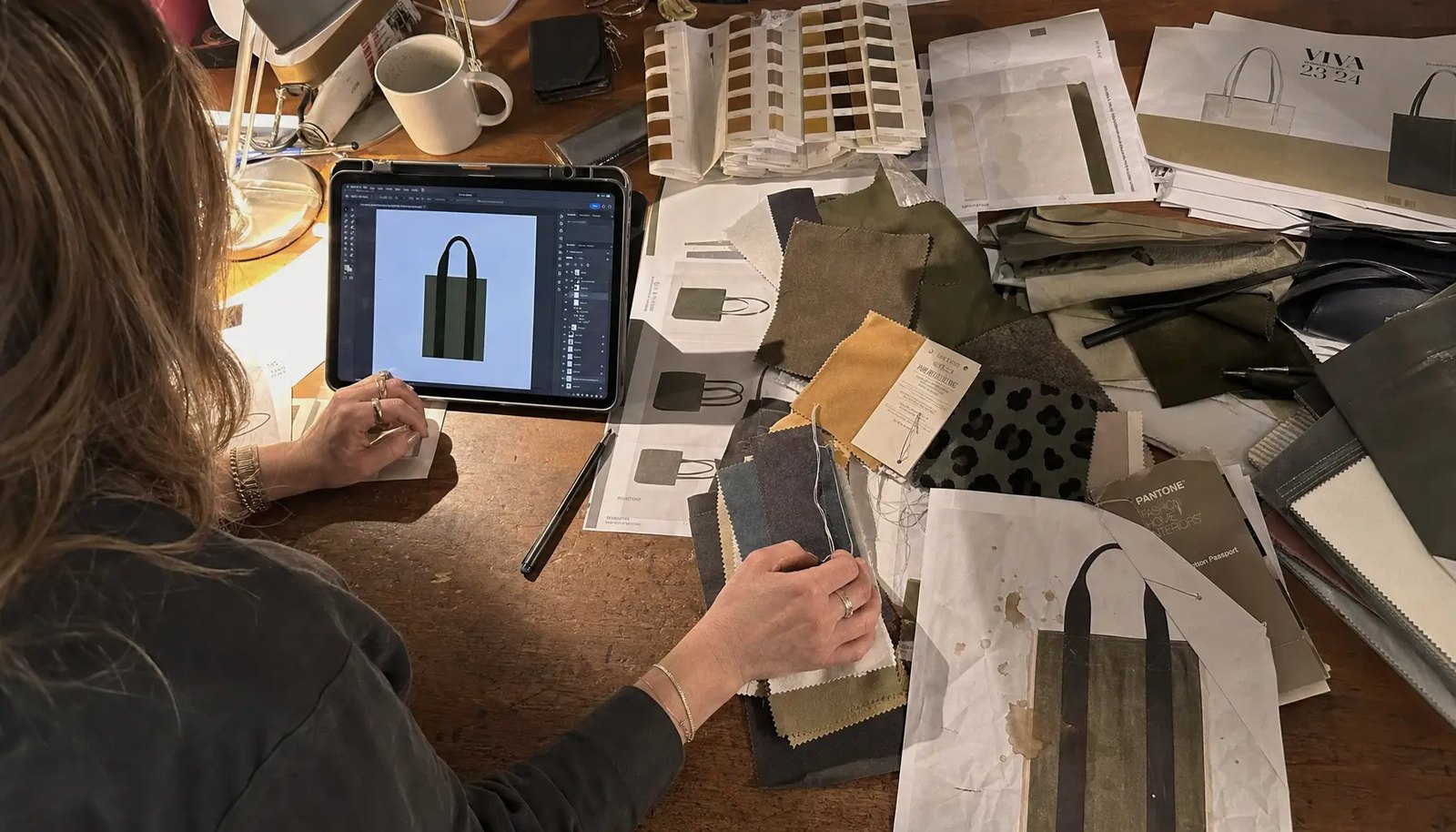
Put the Carton Plan in the First RFQ
For trade show exhibitors, the tote is not finished when sewing is complete. It is finished when cartons arrive counted, labeled, undamaged, and easy to move into the booth workflow. That is why the custom organic cotton totes carton packing plan for trade show exhibitors needs to be written into the first RFQ, not negotiated after the bags are already in production. Carton choices influence freight cost, warehouse handling, inspection effort, and how quickly a booth team can start distributing bags on site.
A supplier cannot quote accurately from artwork and bag dimensions alone. Pieces per carton depend on finished tote size, gusset depth, fabric GSM, print coverage, fold method, inner packing, and freight mode. A flat 150 GSM giveaway tote will not pack like a heavier 240 GSM conference kit bag, even if the face dimensions are similar. If procurement waits until the end of production to discuss carton count, the factory will default to what is easiest on the line, not what works best for the receiving team or the event crew.
Ask for the packed shipment as part of the commercial offer. The RFQ should request pieces per carton, carton dimensions, gross weight, net weight, CBM, carton board grade or construction, closure method, inner packing, carton marks, pallet plan if applicable, and a change-control rule if the supplier needs to adjust any of those items. If the receiving team has a handling limit, state it early. Many event operations teams prefer cartons around 10-15 kg gross where practical, but the right limit depends on venue rules, delivery method, and who will move the cartons.
The point is simple: compare suppliers on the shipment they will actually deliver, not on a loose bag price that ignores packing reality.
- Include carton count, dimensions, gross weight, net weight, CBM, carton marks, and inner packing in the first RFQ.
- Ask the factory to quote the bag and the packed shipment together, not as separate afterthoughts.
- Set a maximum carton gross weight based on actual receiving and event setup conditions.
- Require buyer approval before the supplier changes carton count, fold sequence, carton size, or packing material.
Lock Tote Construction Before Approving Artwork
The tote body controls the carton plan more than the logo does. Procurement should define finished width, finished height, gusset depth, handle drop, handle tape width, seam construction, reinforcement method, fabric color, and nominal GSM before artwork approval. For bulk giveaway programs, 140-180 GSM organic cotton is often practical because it folds flat and keeps freight weight under control. For conference kits, product sample carriers, or gift-style exhibitor totes, 200-240 GSM can give a better hand feel and stronger carry performance, but the folded stack becomes thicker and fewer pieces fit in each carton.
Measurement tolerances should be written, not assumed. A common working range for simple sewn totes is about +/-1 cm on body width and height and about +/-1.5 cm on handle drop, but the final tolerance should reflect construction, fabric behavior, and the order size. Gusseted bags, washed cotton, dyed fabric, and heavier canvas can all shift slightly in handling and compression. Without tolerances, there is no objective standard for inspection, and carton count can drift because slightly oversized bags stack higher than expected.
Handle construction matters more than many buyers expect. A long handle can create a ridge in the folded stack if every handle is placed in the same direction. Thick tape, bartacks, and reinforcement stitching also create pressure points. The supplier should show how handles are folded inside the bag, behind the panel, or alternated in the stack so the carton does not bow. This is a small detail on a sample table and a major issue once 50 or 100 pieces are compressed together.
Artwork should be placed after the fold is known. A logo too close to a hard crease can arrive permanently marked, especially if the print uses a dense ink layer or large solid area. Ask the supplier to indicate likely fold lines on the sample or pack-out proof before final artwork signoff. That is especially important for sponsor logos, QR codes, fine text, and color blocks near the bottom or side seam.
- Specify finished size, gusset, handle drop, handle width, GSM, fabric color, and seam construction before print approval.
- Agree measurable tolerances for body size, handle drop, print placement, and label placement.
- Review handle folding because raised handle areas can make cartons bulge and mark printed panels.
- Keep logos, QR codes, and fine text away from fold lines, seams, and carton pressure edges.
Use Realistic Organic Cotton Specifications
Organic cotton sourcing language needs precision. Buyers should separate fiber claim, fabric specification, processing status, and finished product claim. A quote that says 'organic cotton tote' should identify the weave, fabric weight, color, finish, and documentation available for the order. If the brand needs to make a certified organic claim, procurement should confirm whether the supplier can provide a valid scope certificate and whether a transaction certificate or equivalent order-level document is required. Certification logos should not be printed on bags or hangtags unless the certification body rules and supplier scope support that exact use.
Fabric status also matters. Greige, natural, bleached, dyed, washed, and pre-shrunk cotton behave differently in cutting, printing, shrinkage, and shade control. Natural cotton may include flecks or slubs that fit the organic look, but it still needs an acceptance standard. Bleached or dyed fabric can provide a cleaner brand presentation, but it may add lead time and minimums. Washed fabric can feel softer and reduce shrinkage, but it may also change measurements and hand feel. These decisions affect price, sampling, print behavior, and carton packing.
GSM should be treated as a range, not a magic number. Fabric lots vary, and the measurement method matters. Ask what tolerance the supplier is quoting and whether GSM is measured before finishing or on finished fabric. A supplier might quote 180 GSM with a practical tolerance band rather than guarantee every square meter lands exactly on 180. That is fine if it is disclosed and inspected consistently. It becomes a problem when buyers compare quotes without knowing whether one supplier is effectively quoting lighter fabric under the same label.
Do not let the organic story bleed into unsupported claims. Organic cotton does not automatically mean low-impact dyeing, plastic-free packing, recycled cartons, or certified finished goods. If those matters, list them separately and ask for evidence. Procurement gets cleaner pricing and fewer disputes when each claim is tied to a document, a scope, and a measurable acceptance standard.
- Ask for fabric weave, nominal GSM, GSM tolerance, color/finish status, and shrinkage expectation.
- Confirm which organic cotton documents are available and whether they support the buyer's claim language.
- Do not use certification marks, hangtag claims, or product-page claims without documentation review.
- Separate organic cotton requirements from other sustainability requests such as recycled cartons or plastic-free packing.
Choose Print Method and Inspection Criteria Together
Screen printing is usually the most practical decoration method for bulk trade show organic cotton totes, especially for one to three solid logo colors. It is repeatable, cost-effective at volume, and works well on flat panels. But the quote still needs to define ink type, print size, placement, number of colors, color target, and curing requirement. Water-based ink is often preferred for an organic positioning and a softer hand feel, though opacity can be lower on dark or heavily textured cotton. Other ink systems may give different opacity and surface feel. The right choice depends on artwork, fabric, brand requirements, and compliance preferences.
A print strike-off on production fabric is more reliable than a digital mockup. Natural cotton absorbs ink differently from bleached or dyed cotton, and slub texture can change edge definition. For color-critical logos, procurement should provide a Pantone reference while accepting that textile printing on cotton will not behave exactly like coated paper. The supplier should state a realistic color tolerance, and the approved strike-off should become the production standard. If there are multiple sponsor versions, each one should be checked rather than assuming one approval covers all of them.
Print QC should include placement tolerance, registration, opacity, pinholes, curing, blocking, and rub resistance. A basic dry rub test can show whether ink transfers during handling. For heavy print coverage, check whether stacked bags stick together in warm or humid transit. For QR codes, fine text, and small sponsor marks, confirm scanability and legibility on the actual printed fabric before bulk release.
Artwork approval should also be linked to the carton plan. Large solid logos can show pressure lines if folded through the print. Thick ink can crack or polish at a hard fold. The factory should confirm that the chosen fold sequence avoids the main artwork area or distributes pressure evenly. If that is not possible, buyers may need to move the logo, reduce print size, adjust carton count, or add tissue interleaving for premium presentation packs.
- Request a strike-off on production fabric for all color-critical or detailed artwork.
- Set print placement tolerance and measure from clear references such as top edge, side seam, or centerline.
- Check opacity, registration, curing, rub resistance, and QR code scanability where relevant.
- Approve print and fold sequence together so the carton does not create creases through the logo.
Convert Event Use Into Carton Quantity
Carton count should come from how the totes will be used at the trade show. A simple booth giveaway needs quick carton opening and easy replenishment. A sponsor kit tote may need cleaner folding, tissue, or individual packing because the bag is part of a prepared package. A product sample carrier may need heavier fabric and lower compression because sales teams will inspect it before handing it out. Each use case changes the balance between freight efficiency, presentation, labor, and packing material.
Start with a maximum gross weight rather than a factory default piece count. The same 100-piece carton can be reasonable for lightweight flat totes and unrealistic for heavier gusseted bags. Ask the supplier to calculate net weight and gross weight from the actual sample or confirmed fabric weight, then test whether the carton closes without bulging. If the receiving team has a handling policy, put it in the RFQ. If cartons must move through a venue by temporary staff, smaller cartons are often worth the extra freight volume.
Distribution pattern is another major variable. When all cartons go to one warehouse, larger uniform cartons can be efficient. When the order must be split by booth zone, meeting room, sales region, sponsor, or show date, smaller destination-based cartons can reduce repacking. A carton that contains exactly one booth's allocation may cost more to ship but can save hours during setup. At a live event, labor mistakes cost more than a few extra cubic feet.
Mixed cartons should be used carefully. For trade show orders, mixed cartons often create confusion unless they are clearly labeled and internally separated. If mixing is necessary, the carton mark should say 'mixed SKU,' list exact contents, and match the packing list. Otherwise, keep one SKU, one color, and one destination per carton whenever possible.
- Base pieces per carton on gross weight, folded thickness, distribution plan, and receiving labor.
- Use lower carton counts when cartons will be split across booth zones, rooms, or multiple shows.
- Avoid mixed cartons unless the contents are listed on both carton label and packing list.
- Test the carton with actual folded totes before approving the final count.
Specify Export Cartons in Procurement Language
The phrase 'standard export carton' is too vague for a trade show shipment. A usable carton specification includes pieces per carton, finished folded size, carton dimensions, carton board grade or construction, closure method, gross weight, net weight, CBM, inner packing, carton marks, and pallet plan if required. If the supplier cannot provide those details at quote stage, the quote is incomplete for landed-cost comparison.
Carton strength should match route and handling. Air freight may prioritize dimensional weight and quick handling. Sea freight may expose cartons to longer transit, humidity changes, pallet pressure, and more touchpoints. Venue-direct delivery may require clean labels, strong tape, and cartons that can survive staging areas. Buyers can request stronger corrugated cartons, extra tape, straps, corner boards, palletization, stretch wrap, or desiccants where justified. These are not luxury items when the event date is fixed.
Inner packing should be chosen with presentation and sustainability in mind. Loose folded packing is efficient for high-volume giveaways but needs a clean carton and controlled fold sequence. Paper-banded or tied bundles can make counting and replenishment easier. Master polybags can provide dust and moisture protection without individual bags. Individual polybags may suit premium kits or warehouse pick-and-pack operations, but they increase cost, plastic use, packing time, and carton volume. Tissue interleaving can reduce scuffing for dark or heavy prints, but it adds labor and material.
Carton marks should be approved like artwork. At minimum, they should include buyer or brand reference if required, PO number, SKU, item description, color, quantity, carton number, total cartons, gross weight, net weight, destination code if used, and barcode or warehouse reference if required. For multi-destination shipments, carton numbering should be grouped by destination so receiving teams can separate cartons without opening them.
- Replace 'standard export carton' with measurable carton data and mark requirements.
- Ask for carton dimensions, gross weight, net weight, CBM, board construction, and closure method.
- Choose inner packing based on dust protection, presentation, counting speed, plastic policy, and carton volume.
- Approve carton marks before production packing begins, especially for venue-direct or split shipments.
Build Samples Around the Packed Unit
A loose tote sample shows sewing and print quality, but it does not prove the order is ready for a trade show. Procurement should approve the tote as a packed unit whenever timing and order value justify it. A practical approval set includes fabric swatch, lab dip if dyed, print strike-off, pre-production sample, approved fold sequence, carton mark layout, and packed-carton proof. For larger orders, a full carton sample or pilot pack is the best way to verify count, weight, fit, and appearance after compression.
The sample review should be measurable. Check finished width, height, gusset, handle drop, handle alignment, seam straightness, reinforcement, label position, print size, and print placement. Compare the sample against the written tolerance rather than relying on visual approval. Then fold the bag the same way bulk production will be folded and inspect whether handles, seams, or labels create stack ridges. Place the folded bags in the intended carton or simulate the stack height if a full carton is not available.
The packed-carton proof should answer operational questions. Does the carton close without forcing the flaps? Does the top layer show pressure marks? Are printed panels rubbing against the carton wall? Is the stack flat or bowed? Is the gross weight within the receiving team's limit? Do carton marks match the packing list? These answers should be recorded before bulk packing, because corrections are easier at sample stage than after thousands of bags are already packed.
A sample can also expose quote assumptions. The supplier may discover that individual polybags reduce pieces per carton by 10-20 percent, or that a thicker handle lowers the safe carton count. The buyer may decide to accept higher CBM for better presentation, or remove tissue interleaving for a giveaway program. The value of sample approval is not only confirming the tote; it is confirming the shipment design.
- Approve fabric, sewing, print, fold method, carton fit, and carton marks as one connected package.
- Measure the pre-production sample against written tolerances before releasing bulk.
- Use a full carton sample or pilot pack for large, high-risk, or venue-direct programs.
- Record actual carton count, dimensions, gross weight, and CBM before freight booking.
Set QC Standards for Product and Packing
Quality control should match the risks of a trade show order: brand presentation, shipment accuracy, and event readiness. Fabric defects such as holes, oil stains, heavy slubs, obvious shade mismatch, or loose weave should be defined as unacceptable. Sewing inspection should cover panel alignment, seam strength, handle reinforcement, skipped stitches, broken stitches, open seams, crooked labels, and loose threads. Natural cotton texture can be acceptable, but the acceptance standard should be agreed before production starts.
For inspection sampling, many B2B buyers use AQL-based third-party inspection or a supplier QC checklist with photo evidence. The exact AQL level should follow the buyer's risk tolerance, order size, and defect severity definitions. Critical defects may include wrong SKU, unsafe contamination, incorrect claim label, or unusable print. Major defects may include open seams, wrong dimensions beyond tolerance, poor print registration, or missing carton marks. Minor defects may include small loose threads or slight cosmetic irregularities within the approved standard. The important part is to define the categories before final inspection.
In-line checks are useful for print and sewing because late discovery is expensive. The first cut panels should be checked for size and grain direction. The first sewn pieces should be measured and stress points reviewed. The first printed pieces should be checked for color, placement, opacity, curing, and rub resistance. If the order has multiple artwork versions, each version needs its own first-article check. Do not let the supplier run all sponsor logos based on one approved print unless the artwork and fabric conditions are truly identical.
Final inspection must include packing. Inspectors should open selected cartons, count pieces, verify SKU and color, check fold alignment, inspect top and bottom layers for compression damage, compare carton marks against the packing list, and record carton dimensions and gross weight. For palletized shipments, they should also check pallet height, stretch wrap, corner protection if specified, label visibility, and signs of moisture. A tote order with perfect sewing but wrong carton labels is still not ready for event receiving.
- Define critical, major, and minor defects before inspection.
- Use in-line checks for cutting, sewing, and first-run print approval.
- Inspect opened cartons for count, SKU consistency, fold quality, and compression marks.
- Record carton dimensions, weights, labels, and pallet condition before shipment release.
Read Supplier Quotes as Landed-Cost Documents
The lowest unit price can be misleading when quotes do not include the same assumptions. Procurement should compare tote construction, fabric GSM, organic documentation, print setup, print running cost, sewn label or hangtag cost, inner packing, carton cost, palletization, sample charges, inspection, freight terms, and destination charges. A supplier that quotes a low bag price without carton dimensions or gross weight has not provided enough information to compare landed cost.
Incoterms matter. EXW may look low because it excludes inland transport, export handling, and freight coordination. FOB can be practical when the buyer has a freight forwarder and wants control after port handoff. CIF, DAP, or DDP may reduce logistics work, but the quote should still show carton count, CBM, gross weight, and the assumptions behind the freight charge. For venue-direct shipments, buyers should confirm whether liftgate, appointment delivery, inside delivery, trade show drayage, or warehouse receiving fees are outside the supplier's responsibility.
Quote comparison should also check sample and setup logic. Screen charges may apply per color and artwork version. Dyed fabric may require a higher MOQ than natural fabric. Sewn labels may have their own MOQ and lead time. Custom cartons or barcode labels may add cost but reduce receiving errors. Individual polybags may increase both unit cost and CBM. A strong quote separates these costs so procurement can make informed decisions instead of accepting a bundled number with hidden compromises.
Suppliers should also confirm quote validity and change-control rules. If fabric GSM, carton count, freight mode, artwork size, or packing method changes after quote approval, cost and schedule may change. That is normal, but the process should be written. The buyer should reject vague phrases such as 'normal packing,' 'good quality carton,' or 'standard print' unless the supplier defines them in measurable terms.
- Compare total landed cost, not only tote unit price.
- Require separate lines for fabric, print setup, labels, inner packing, cartons, pallets, samples, and freight where possible.
- Check Incoterms against what the buyer actually needs for event delivery.
- Treat missing carton data as a quote gap, not a small administrative detail.
Plan Lead Time Backward From Venue Receiving
Trade show procurement should schedule from the venue receiving date or booth setup date, not from the desired factory ship date. A realistic timeline works backward through venue receiving rules, domestic delivery, customs clearance, international freight, freight booking, final inspection, bulk packing, printing, sewing, cutting, material preparation, sample approval, artwork approval, and PO confirmation. Each step needs an owner and deadline because the event date will not move.
Custom organic cotton totes can require extra lead time when the order includes dyed fabric, nonstandard GSM, custom handle length, sewn labels, special ink, multiple sponsor versions, individual packing, destination-specific cartons, or certification documentation. Even when the factory production time is reasonable, approvals can create delays. Artwork revisions, unclear claim language, late barcode data, or unapproved carton marks can hold production as surely as a material shortage.
The schedule should include decision gates. Screens should not be made before artwork is final. Bulk cutting should not start until size and GSM are approved. Bulk printing should not start until the strike-off is approved. Carton procurement should not proceed until carton count and marks are confirmed. Final inspection should be scheduled with enough time to correct count errors, carton mark mistakes, or packing defects before freight pickup.
For urgent shows, procurement may choose air freight, stock blanks, simplified print, or local final decoration. Those decisions can work, but they should be made deliberately with cost and risk visible. Rushing a fully custom tote with a new carton plan creates avoidable pressure. The earlier the carton plan is approved, the more options the buyer has.
- Build the schedule from venue receiving and booth setup dates backward.
- Set deadlines for artwork, strike-off, sample comments, carton marks, inspection, and freight booking.
- Allow more time for dyed fabric, custom labels, multiple SKUs, organic documentation, or new carton configurations.
- Do not release bulk production while size, print, claim language, or packing decisions remain open.
Specification comparison for buyers
| Spec decision | Recommended option | When it fits | Buyer risk to check |
|---|---|---|---|
| Fabric weight for giveaway tote | 140-180 GSM organic cotton canvas or plain weave | High-volume booth giveaways, lightweight literature, low freight weight targets | Thin fabric can show print bleed-through, weaker handle stress points, and more visible slubs; confirm GSM tolerance, not only nominal GSM |
| Fabric weight for kit or sample tote | 200-240 GSM organic cotton canvas | Conference kits, product samples, retail-style exhibitor gifts, heavier carry loads | Lower pieces per carton and higher gross weight; test fold thickness and logo pressure marks before bulk packing |
| Size and tolerance control | Finished-size spec with measurable tolerance | When totes must fit brochures, inserts, boxes, or sponsor kits | Typical tolerance should be agreed in writing, often around +/-1 cm for body dimensions and +/-1.5 cm for handle drop depending on construction |
| Print method | Screen print with approved strike-off on production fabric | Most bulk trade show logos with 1-3 solid colors | Artwork may look different on natural or dyed cotton; confirm placement tolerance, curing, rub resistance, and color target before bulk printing |
| Inner packing | Loose folded, bundled, master-bagged, tissue-interleaved, or individual polybagged | Depends on event presentation, dust control, sustainability preference, and venue handling | Individual polybags increase labor, plastic use, carton volume, and sometimes freight cost; loose packing can scuff prints if folds are uncontrolled |
| Carton count strategy | Count based on gross-weight limit, carton strength, and distribution plan | When receiving teams must move cartons quickly during setup | Factory default counts may create 18-25 kg cartons; many event teams prefer lower handling weights, often around 10-15 kg gross where practical |
| Carton construction | Specified corrugated grade with closure and burst/crush requirements where available | Export shipments, palletized freight, venue-direct delivery, humid routes | Generic 'export carton' wording is not enough; ask for carton dimensions, board type/grade, gross weight, and stacking plan |
| Organic claim support | Scope certificate plus transaction certificate or equivalent order documentation when required | When marketing, retailer, or brand policy requires verifiable organic cotton claims | Do not print certification logos or make product claims unless the supplier's scope and transaction documents support the exact order and claim language |
| Inspection method | Pre-shipment inspection using AQL or agreed sampling plus packed-carton checks | Medium to large trade show programs, multi-SKU orders, destination-split cartons | A sewing-only inspection misses count errors, carton mark mistakes, and mixed destination cartons |
Buyer checklist before sampling
- Define finished tote width, height, gusset depth, handle drop, handle tape width, seam type, reinforcement method, fabric color, and nominal GSM before requesting price.
- State whether GSM is measured before or after finishing, and ask the supplier to quote an acceptable GSM tolerance range for the lot.
- List the expected use: light literature giveaway, conference kit, sample carrier, retail-style gift, sponsor pack, or reusable staff bag.
- Specify organic cotton claim requirements, including whether the order needs supplier scope certificate, transaction certificate, fiber content label, hangtag wording, or restricted logo use approval.
- Provide artwork size, placement from seams, number of print colors, Pantone or brand color reference, ink preference, print method, and production file format.
- Set measurement tolerances for body size, gusset, handle drop, print placement, and label placement before sample approval.
- Request print QC standards for opacity, registration, edge definition, curing, dry/wet rub resistance where relevant, and color tolerance against the approved strike-off.
- Define the carton plan: target pieces per carton, maximum gross weight, carton dimensions if restricted, carton board grade, closure method, inner packing, pallet requirements, and moisture-control expectations.
- State whether bags should be packed loose folded, tied or paper-banded in bundles, master-bagged, tissue-interleaved, individually polybagged, or packed by destination.
- Require a packed-carton proof or equivalent pack-out photos showing fold sequence, stack height, carton fit, carton marks, carton closure, and carton weight.
Factory quote questions to send
- What exact organic cotton fabric are you quoting: weave, nominal GSM, GSM tolerance, greige/bleached/dyed/natural status, and whether the fabric is washed or pre-shrunk before cutting?
- Can you state finished tote measurement tolerances for width, height, gusset, handle drop, handle tape width, and print placement?
- What organic cotton documentation can you provide for this order, and does your scope cover the product type, processing step, and claim wording requested by the buyer?
- What MOQ applies separately to blank totes, printed totes, dyed fabric, sewn labels, individual polybags, custom cartons, and palletized export packing?
- Which print method and ink system are included in the quote, and what setup cost applies per screen, color, artwork revision, or repeat order?
- What is the maximum recommended print area for this tote size and fabric GSM without creating heavy ink hand feel, fold cracking, or pressure marks in the carton?
- Can you provide a print strike-off on the actual production fabric and confirm color, opacity, curing, rub resistance, and wash/shrinkage expectations if washing is relevant?
- How many pieces per carton do you recommend, and what are the estimated carton dimensions, net weight, gross weight, CBM, and carton count for the full order?
- What carton board grade or construction are you quoting, and can you quote stronger cartons, corner boards, straps, pallets, stretch wrap, desiccants, or humidity protection separately?
- Will the bags be loose folded, bundled, master-bagged, tissue-interleaved, individually polybagged, or packed by destination, and how does each option change unit cost, carton count, CBM, and lead time?
Quality-control points to confirm
- Fabric GSM should be checked against the agreed range using a consistent method, with no unacceptable thin areas, holes, oil stains, heavy weaving faults, or unapproved shade variation.
- Organic cotton documentation should match the claimed fiber, supplier scope, processing stage, product category, order quantity, buyer name where applicable, and any label or marketing claim before claims are printed.
- Finished tote measurements should stay within the approved tolerance for width, height, gusset, handle drop, and handle tape width; carton count depends on dimensional consistency.
- Shrinkage should be disclosed or tested when the buyer expects washing, steam exposure, or long-term reuse; untreated cotton may shrink, so claims should be realistic.
- Cutting and sewing should keep panels square, seams straight, gussets even, and handles aligned so the tote folds consistently into cartons.
- Handle attachment should be reinforced according to the approved construction, with no skipped stitches, broken bartacks, loose ends, open seams, or untrimmed thread clusters.
- Print placement should be measured from fixed references such as top edge, side seam, or centerline, with a written tolerance and separate approval for each SKU or logo version.
- Print quality should be checked for registration, opacity, edge definition, pinholes, curing, blocking, rub resistance, and color match against the approved strike-off or Pantone target.
- Labels, hangtags, care labels, and barcodes should match the approved artwork, claim language, placement, and scannability requirements.
- Fold sequence should avoid hard creases through the main logo, sewn label, barcode, or customer-facing panel, especially on heavier GSM or large-coverage prints.