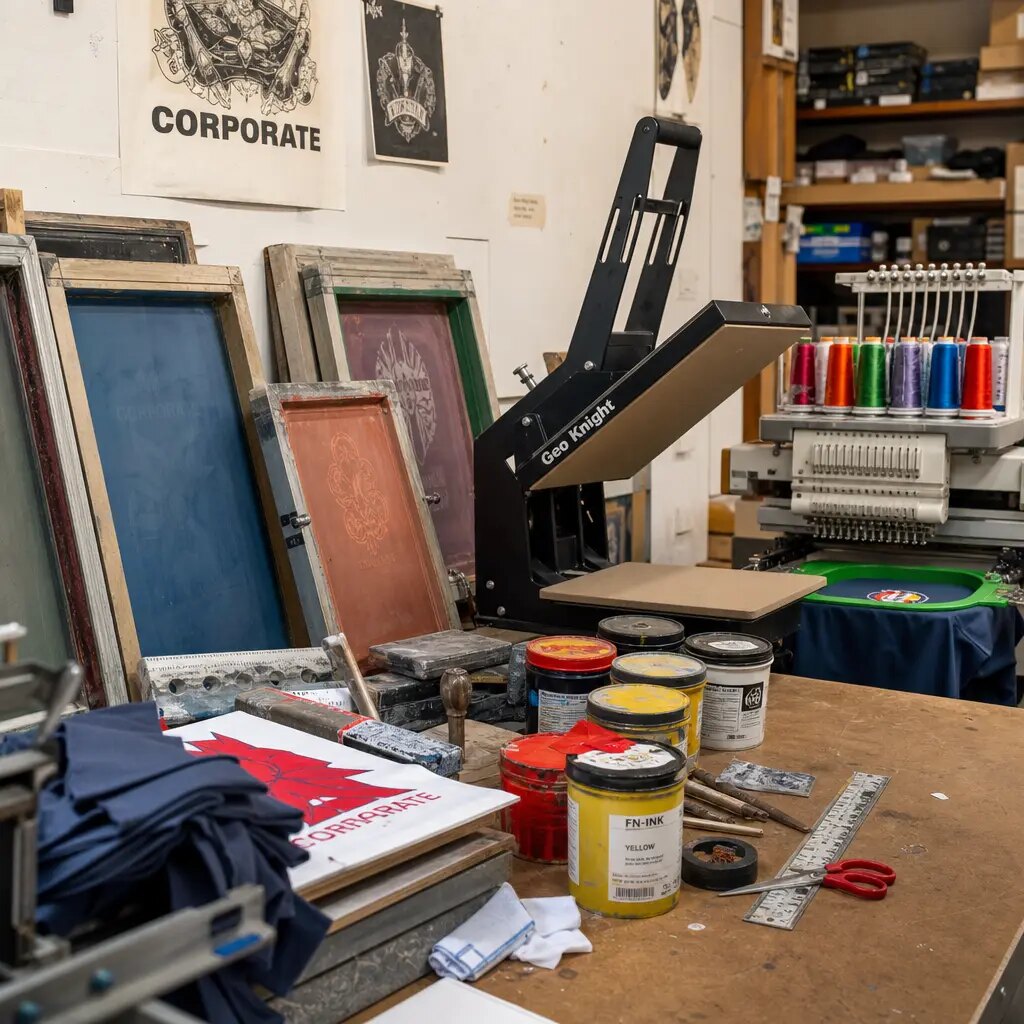
Why boutique wineries need a durability test before ordering
A custom organic cotton tote can look right in a sales photo and still fail in daily winery use. Boutique wineries usually care about presentation, but the bag also has to carry bottles, tasting-room purchases, printed brochures, or gift items without losing shape. If the tote is too light, the handles stretch. If the stitching is weak, the side seam opens. If the print is poorly cured, the logo starts to crack before the first retail season ends.
That is why durability testing is not a technical exercise for engineering teams only. It is a buying tool. When you ask the factory to prove the tote can handle the real use case, you reduce returns, protect the brand look, and avoid shipping bags that pass a visual inspection but fail after a few customer trips.
- Durability matters more than a low unit price when the tote is part of the winery brand experience.
- The test should reflect actual use: bottle carry, repeated folding, retail shelf handling, and transport to events.
- A basic sample photo is not enough; you need fabric, stitching, and print performance evidence.
Start with the right organic cotton spec, not just the word organic
For boutique winery totes, the most common safe range is 180–220 GSM organic cotton. That range usually gives enough body for a premium retail feel without making the bag too stiff or expensive. A lighter plain weave may work for brochures or small gift items, but once the tote is expected to carry wine-related weight, the fabric choice becomes a functional decision, not just a branding one.
Buyers should also separate fabric weight from finished bag performance. Two totes with the same GSM can behave differently if one has a tighter weave, a better yarn count, or stronger reinforcement. Ask the supplier to state the weave type, expected shrinkage, and whether the fabric is pre-shrunk or calibrated after washing. If they cannot describe those details, they may not control the production well enough for consistent bulk quality.
- 180 GSM: acceptable for light retail carry, brochures, and soft goods.
- 200 GSM: balanced option for most boutique winery tote programs.
- 220 GSM and above: better for premium feel and heavier carry, but it adds cost and bulk.
- If the tote is meant for a bottle, ask the factory to test the actual loaded weight, not just fabric strength.
Compare sourcing routes before you compare prices
The same tote can be quoted very differently depending on the sourcing route. A trading company may offer easier communication and bundled services, but the factory-direct route usually gives you better control over fabric, stitching, and packing. For a winery tote, control matters because the item sits at the intersection of branding, retail presentation, and repeat use. If the supplier cannot lock details on handle reinforcement or print placement, the quote is not truly comparable.
When reviewing offers, compare what is included, not only the unit price. Some suppliers quote a low base price and then add costs for woven labels, carton markings, extra handle length, or a second print screen. Others quote a broader package but use a lower fabric weight. The cheapest offer can become the most expensive after sample revisions, rework, or relabeling.
- Factory-direct works best when you have a clear spec and want fewer surprises in production.
- Trading routes can be useful for small programs, but details must still be written into the RFQ.
- Always compare the same fabric weight, same print method, same packing, and same carton count.
Durability testing checklist for the tote body, handles, and print
A useful durability checklist should focus on the points that fail first. For a cotton tote, that usually means the handle stitch zone, the bottom seam, the side seam, and the printed logo area. A small sample run can expose weaknesses quickly if the factory uses the correct test sequence. The goal is not laboratory perfection; it is to prevent obvious production mistakes before a full order is cut and sewn.
Start with a simple load test. Fill the tote with the planned use weight or an equivalent package and hold it by the handles for a practical interval. Then inspect for stitch opening, handle elongation, distortion around the mouth, and bottom sag. Follow with a dry rub check on the print area and a crease test after folding. If the bag will be reused often, add a damp handling check because organic cotton can behave differently after moisture exposure.
- Load test: verify the bag can carry the intended product weight without visible seam damage.
- Handle test: look for elongation, twisting, or stitch pop at the top edge.
- Print test: check for rubbing, cracking, or poor ink coverage after handling.
- Shape retention: confirm the tote still stands and opens neatly after being folded and refilled.
What a strong sample approval process should look like
A good approval process starts with a pre-production sample that matches the actual order spec. Do not approve from a sales sample if the production fabric weight, handle length, or print method is still changing. For winery buyers, the sample should include the exact logo placement, seam construction, and any label or side tag that will appear in the final product. The most common mistake is to sign off on appearance and ignore functional details.
The sample review should use measurements, not just opinions. Check finished width, height, and gusset depth; measure handle drop; inspect stitch density; and confirm the print sits where the art file says it should. If the tote needs to fold flat for shelf display, test that too. A sample that looks premium but ships oversized or badly folded can create distribution problems later.
- Use a written sample approval sheet with dimensions, color reference, and construction notes.
- Keep a photo record of front, back, inside, seam close-up, and label placement.
- Do not approve mass production until the sample matches both look and function.
How print method changes durability, cost, and brand look
For organic cotton totes, the most practical methods are water-based screen print and selected low-impact transfer options. Screen print is usually the best fit for winery logos with one or two colors because it gives stronger opacity, cleaner repeatability, and a better unit cost at volume. It also holds up better than many shortcut printing methods when the tote is rubbed, folded, or packed tightly in cartons.
The tradeoff is detail versus durability. Fine lines, gradients, and small text can be difficult on cotton if the ink deposit is too heavy or the screen is not prepared correctly. If the artwork is busy, buyers should ask for a print strike-off and a wash or rub check before final approval. For a premium retail bag, a simple logo often performs better than an overcomplicated design that prints weakly and ages badly.
- One or two spot colors: usually the safest balance for cost and durability.
- Fine text below practical size: risk of fill-in or blurred edges on textured cotton.
- Heavy ink coverage: higher chance of stiffness and cracking if curing is poor.
MOQ logic, lead time, and the hidden cost of late changes
MOQ for custom organic cotton totes is usually driven by fabric color, print setup, and whether labels or special packing are added. If the bag uses stock natural cotton and a simple logo, the MOQ can stay relatively manageable. Once you add custom dyeing, special size changes, woven labels, or multi-color printing, the factory will normally need a higher minimum to cover setup waste and labor time. Buyers should treat MOQ as a production logic question, not a negotiation game.
Lead time is equally sensitive. A realistic schedule usually includes fabric preparation, cutting, printing, sewing, finishing, sample confirmation, bulk production, and final packing. If artwork is late or the sample needs revision, the schedule slips fast. For winery programs tied to harvest events, holiday retail, or tasting-room launches, even a small delay can cut into selling weeks. The safest approach is to freeze the spec early and allow only one controlled revision round.
- Stock natural cotton + simple logo = lowest setup risk.
- Custom color fabric or special label = higher MOQ and longer lead time.
- One sample revision is far safer than repeated artwork changes after production starts.
Packing decisions that protect the bag and the margin
Packing is not just a warehouse issue; it affects cost, shape, and receiving speed. Organic cotton totes are often packed flat to save cubic volume, but the factory still needs to control fold consistency and carton count. If bags are over-compressed, the print can crease and the bag may look tired on arrival. If cartons are too loose, the tote shifts in transit and can pick up dust or edge wear. The right pack spec sits between protection and cube efficiency.
For importers and distributors, ask for carton dimensions, pieces per carton, gross weight, and outer mark format before you approve the order. Those details feed your freight calculation and help your warehouse plan. If the bags are going straight to retail stores, the carton label should make receiving easy and reduce manual sorting. A clean packing standard saves time at both the origin and destination.
- Flattened pack is usually best for export cube efficiency.
- Add carton liners if the destination warehouse has dust or moisture risk.
- Mark carton count clearly to avoid receiving disputes.
Read supplier quotes as a landed-cost comparison, not a unit-price sheet
A quote for a custom tote should show more than a unit price. Buyers need enough data to compare real landed cost: fabric weight, print method, stitching detail, packing, sample stages, carton size, and production time. If a supplier omits those items, the quote may look competitive at first but hide changes later. The most useful quote is the one that lets procurement compare like with like.
One practical way to score quotes is to separate the base bag cost from the options. Base cost includes bag construction, standard stitching, and the agreed print method. Options include woven labels, hang tags, special folding, individual polybagging, or extra carton marking. This makes it easier to see whether a supplier is truly cheaper or simply quoting a thinner spec. It also helps avoid disputes when the PO reaches the factory.
- Base price: fabric, sewing, and standard print only.
- Options: labels, extra packing, special fold, insert cards, or custom cartons.
- Hidden cost risk: changes after sample approval or vague wording like 'similar quality'.
A buyer workflow that reduces rework and shipment risk
The safest workflow is simple: define the use case, lock the tote spec, review a sample, run a basic durability test, then release bulk production. That sequence may sound obvious, but many orders fail because the team approves artwork before checking load capacity or approves price before checking carton data. For boutique wineries, the bag has to perform both as a functional carrier and a brand extension. That means construction and presentation need equal attention.
If the project has a fixed launch date, build in time for one sample revision and one print adjustment at most. Make sure the supplier understands which details are non-negotiable: fabric weight, handle reinforcement, logo position, and pack format. When those items are written clearly, the factory can quote more accurately and production becomes much easier to control.
- Step 1: define the carrying use and retail presentation standard.
- Step 2: lock fabric, print, and seam details in writing.
- Step 3: approve a real sample with measurements and durability checks.
- Step 4: release bulk only after carton and lead-time data are confirmed.
Specification comparison for buyers
| Spec decision | Recommended option | When it fits | Buyer risk to check |
|---|---|---|---|
| Fabric weight | 180–220 GSM organic cotton canvas or heavy plain weave | Boutique retail use, wine shop carryouts, gift-with-purchase programs, reusable shopping | Too light below 160 GSM can feel flimsy; too heavy can raise cost and reduce foldability |
| Handle construction | Double-fold handles with box-x or bar-tack reinforcement | When bottles, catalog packs, or merch bundles may be carried over short distances | Single-stitched handles can twist, elongate, or tear at the stress point |
| Print method | Water-based screen print or low-impact transfer with wash/rub testing | Simple one- to two-color winery logos and seasonal retail runs | Complex art, gradients, or fine type may blur; weak curing leads to cracking or rub-off |
| Supplier route | Factory-direct with sample approval and documented test results | When you need tighter control over fabric, stitching, and packing details | If communication is weak, the factory may substitute fabric weight or skip reinforcement details |
| MOQ logic | 500–2,000 pcs per color/style, or higher if custom dyeing is added | New brand launches or seasonal winery promotions with moderate volume | Low MOQ on a fully custom spec often means higher unit cost or fewer options |
| Sample approval | Pre-production sample with measured dimensions, stitch count, and print placement | Any order where the tote must match shelf presentation or gift-box sizing | Photo approval alone misses handle length, seam finish, and actual color tone |
| Packing method | Flattened bulk pack with export carton liners and clear carton markings | For distributors and importers optimizing cube and warehouse handling | Overstuffed cartons distort bags; missing carton labels slow receiving and inventory count |
| Testing route | Use a seller-side load, seam, rub, and drop test before mass production | When the tote must survive repeated retail handling and heavier wine-related loads | Skipping a simple durability test invites handle failure after first use |
| Lead time control | Fabric in stock, print-ready artwork, and one sample revision max | When launch dates are fixed for tasting-room events or holiday retail windows | Late artwork changes or fabric approval delays can push shipment beyond the selling season |
Buyer checklist before sampling
- Confirm finished size, gusset depth, handle length, and whether the tote must fit one bottle, two bottles, or mixed retail goods.
- Lock fabric weight target in GSM and ask for the greige or finished fabric spec, not just 'organic cotton' wording.
- Define print method, ink type, number of colors, and whether artwork needs fine detail or large solid coverage.
- Set a minimum seam standard for handle attachment, bottom seam, and stress points; request stitch photos or sample close-ups.
- Decide whether the tote will be folded for retail, shipped flat for distribution, or packed into master cartons for export.
- Request a pre-production sample and one simple durability test result before mass production is approved.
Factory quote questions to send
- What exact fabric weight, weave type, and shrinkage allowance are included in your quote?
- Which print method is quoted, how many colors are included, and what curing or washing test do you use after printing?
- What reinforcement is used at handle attachments and bottom seams, and can you show close-up sample photos?
- What is your MOQ by fabric color and print color, and how does MOQ change if we add woven labels or special packing?
- What are the carton size, pieces per carton, gross weight, and estimated cubic meter value for export packing?
- What sample stages do you provide before mass production, and how many revision rounds are included?
- What is the realistic production lead time after sample approval, and what items most often delay shipment?
- Do you provide any durability test evidence such as load test, seam pull, or rub resistance results for this exact tote spec?
Quality-control points to confirm
- Measure finished dimensions on at least 10 pcs and accept only within the agreed tolerance range.
- Inspect seam density and reinforcement at handle junctions; weak or skipped stitches should be rejected before packing.
- Run a load test on sample units to verify the tote holds the intended bottle or retail weight without handle stretch or seam opening.
- Rub test the print area for visible color transfer, cracking, or premature abrasion after basic dry friction checks.
- Check that organic cotton fabric is uniform in shade, free from oil marks, and consistent across sample and bulk production.
- Verify carton labeling, inner packing, and piece count to prevent receiving discrepancies at destination.
- Review any shrinkage or distortion after a controlled wash or damp test if the tote is expected to be reused repeatedly.