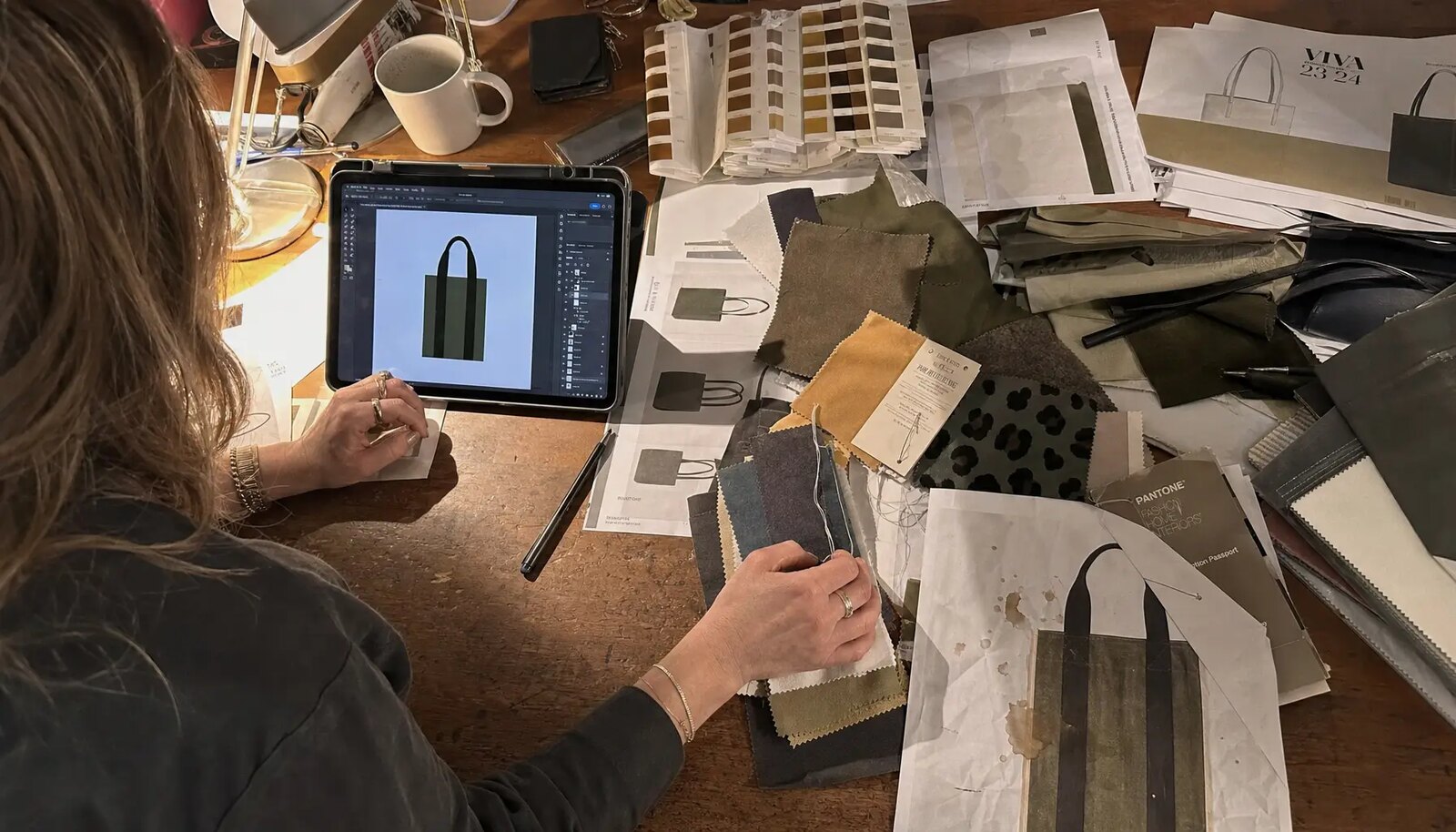
Begin With the Retail Job
Hotel retail buyers should not open an RFQ by asking only for a price on custom jute tote bags. The first line should explain what the bag has to do. A tote sold in a resort boutique has different requirements from a low-cost event carry bag, even if both use natural jute and the same logo.
The supplier needs practical context: where the bag will be sold, how it will be displayed, what it will carry, and what level of finish the guest will expect. A spa shop may need a clean interior and soft handles because the tote sits beside premium personal-care products. A meeting retail program may prioritize cost, carton count, and quick replenishment. A beach resort may need a larger gusset, stronger handles, and packing that avoids deep creasing.
This context makes the quote more comparable. Without it, one supplier may price plain jute with narrow handles while another includes lamination, cotton webbing, a woven label, and retail hangtags. Procurement then appears to have a price spread, but the real issue is that the suppliers quoted different products.
State the commercial role of the tote before the specification table. Is it a paid retail item, an amenity resale item, a branded merchandise SKU, or a carry bag supporting other retail sales? That answer influences the acceptable fabric weight, seam finish, branding method, packing, and inspection threshold.
- Name the use case and sales channel.
- List likely contents by weight and shape.
- Explain whether the bag must hang, stand upright, fold flat, or arrive retail-ready.
- Share the quality tier without using vague words such as luxury unless the construction requirements are also defined.
Turn the Idea Into Measurable Specs
A useful RFQ converts merchandising language into manufacturing instructions. Instead of asking for a premium natural jute tote, specify the finished size, gusset, target GSM, handle material, handle drop, seam finish, branding method, and packing format. The more measurable the bag is, the easier it is to compare unit price, sample quality, and final inspection results.
Finished dimensions are more important than cutting dimensions. For a gusseted tote, the RFQ should say how width, height, gusset depth, bottom width, and top opening are measured. A few millimeters may not matter for casual promotional use, but hotel retail often needs bags to fit product bundles, display fixtures, cartons, or property-level storage.
Handle drop also needs a clear measurement point. A supplier may quote total handle length, but the buyer needs to know whether the tote can be carried by hand or over the shoulder. Measure handle drop from the top edge of the bag to the top of the handle arc, unless another method is shown on the drawing.
Tolerances should be treated as agreed starting points, not universal rules. For many sewn jute bags, buyers may discuss wider tolerances for body dimensions and tighter tolerances for visible branding placement. Confirm the final acceptable range with the supplier, then carry it into the approved sample notes and final QC checklist.
- Include a dimension drawing with front, side, bottom, handle, and logo placement views.
- Use finished measurements in mm or inches and avoid mixed units within one RFQ.
- Separate bag-body tolerance from logo, label, handle, and carton-count tolerance.
- Make the approved sample and drawing the reference for bulk inspection.
Select the Jute Construction
Jute construction changes the cost and the guest experience. Plain unlaminated jute has a natural look and may be suitable for standard hotel retail, simple gift shop items, and event merchandise. It can also shed more fibers, wrinkle easily, or feel rough inside. Laminated jute usually holds shape better and reduces shedding, but it changes the handfeel and may require careful sustainability wording. Lined jute gives a cleaner interior, though it adds material, sewing operations, and inspection points.
GSM is useful only when the basis is clear. A target around 280-320 GSM can be a practical starting point for many standard hotel retail totes carrying moderate items. Firmer boutique bags, larger gusseted styles, or totes expected to hold heavier merchandise may need a higher fabric weight, lining, lamination, base reinforcement, or a different handle construction. The supplier should confirm what is technically appropriate for the size and load.
Do not let two suppliers quote different GSM bases. One may refer to raw jute fabric. Another may quote laminated composite weight. Another may include lining in the finished material weight. These are not equivalent. Ask for swatches and record the approved material as a purchasing standard.
Natural jute shade variation also needs a boundary. Some variation is part of the material, but a boutique wall display can look uneven if rolls are not grouped carefully. If visual consistency matters, ask how the supplier will manage shade lots and what variation it considers acceptable.
- Confirm plain, laminated, lined, coated, or reinforced construction.
- Record whether GSM is raw fabric, laminated material, or finished composite.
- Approve physical swatches for jute, lining, lamination, and handle webbing.
- Ask suppliers to flag odor, shedding, shade, and stiffness risks before sampling.
Engineer the Handles
Handles are a comfort feature and a failure point. A bag can look correct on the shelf but disappoint guests if the handles are scratchy, narrow, uneven, or too short for the intended carry style. Cotton webbing is common for hotel retail because it usually gives a cleaner handfeel than jute handles, but the right choice depends on brand style, target price, and expected contents.
The RFQ should state handle material, width, color, drop, placement, stitch pattern, thread color, and reinforcement. Avoid phrases such as strong handles or standard stitching. They are not inspection criteria. A 25 mm handle, 40 mm handle, box stitch, box-X stitch, bar-tack, and patch reinforcement can all produce different cost and performance outcomes.
Think about the full stress path. Strong webbing will not protect the bag if the jute tears around the stitch area or the side seam opens. For larger totes or heavier contents, reinforcement should be considered with fabric weight, seam finish, stitch density, and handle attachment area.
Ask the supplier for a practical load or pull check that fits ordinary guest use. The goal is not to create an inflated performance claim. It is to ensure that the approved construction can handle the items the hotel expects guests to carry.
- Specify hand-carry or shoulder-carry intent.
- Freeze handle drop and handle width before sampling.
- Require equal handle length and symmetrical placement.
- Define box stitch, box-X, bar-tack, double stitch, or patch reinforcement.
- Include the agreed handle check in final inspection.
Choose Branding That Works on Jute
Jute is textured, so hotel artwork should be reviewed as a production file, not only as a brand asset. Fine lines, small taglines, gradients, tight registration, and low-contrast colors can lose clarity on a coarse weave. Screen print often works well for bold one- or two-color marks, but it needs realistic expectations for edge sharpness and ink coverage.
For quieter hotel retail, a woven side label, cotton label, sewn patch, leather-like patch, or hangtag may look more refined than a large front print. These options still require exact specification. Label size, fold type, stitch color, thread color, placement, and orientation must be frozen before the supplier prices bulk production.
A good RFQ asks the supplier to review the artwork before it quotes final production. Can the line weight hold? Will natural jute shift the perceived color? Is the print area too large for even ink coverage? Can the supplier match the Pantone reference closely enough on this base material? These questions should be answered before the strike-off, not during final inspection.
Send production-ready files. Vector artwork, Pantone references, print dimensions, placement drawings, label files, barcode files, and hangtag files reduce rework. If the supplier must redraw a logo from a low-resolution image, the quote and sample schedule are already at risk.
- Use screen print for simple, bold, limited-color artwork.
- Use woven labels or sewn patches for quieter premium positioning.
- Request a print strike-off when color, line weight, or placement is commercially important.
- Control artwork version, label version, barcode file, and placement drawing in one RFQ package.
Make MOQ and Cost Drivers Visible
MOQ for a jute tote is usually a set of variables, not one number. Stock natural jute with one-color print may support a lower quantity than dyed jute, custom handle colors, woven labels, lined construction, lamination, or individual barcode packing. The RFQ should ask where the MOQ comes from so procurement can tell whether a supplier is flexible or simply quoting a simpler product.
Separate unit price from setup and support charges. The quote should state whether it includes fabric, handles, reinforcement, print, label, hangtag, barcode label, carton, moisture protection, shipping marks, export packing, and inspection support. Sample fees, screen charges, label setup, carton printing, and document fees should be visible even if they are later credited against the order.
Ask for price breaks that reflect the buying plan. A hotel group testing one property may need 500 or 1,000 pieces. A wider rollout may need 2,500 or 5,000 pieces. Do not imply future volume that is not approved, but give enough context for suppliers to quote realistic material booking and trim setup.
Incoterms matter. EXW, FOB, CIF, DDP, and domestic delivery quotes cannot be compared as simple unit prices. State the port, delivery address, currency, quote validity, payment terms, and overrun or underrun tolerance before awarding the order.
- Request MOQ by fabric, color, print, label, handle, lining, lamination, and packing style.
- Ask for price breaks at realistic order levels.
- Separate unit price, setup charges, sampling, packing, freight, and inspection support.
- Confirm quote validity, incoterm, port or destination, payment terms, and overrun or underrun allowance.
Build a Defensible Sample Route
Photos are useful, but they cannot prove handfeel, odor, shedding, seam quality, handle comfort, or how the tote sits on a shelf. For a first order, new artwork, new construction, or guest-facing retail SKU, a physical pre-production sample is the better approval point.
Use a staged sample route when risk is meaningful. Start with material swatches for jute, lining, lamination, and handle webbing. Review a print strike-off if artwork clarity or color is important. Then approve a full pre-production sample made with the intended materials, trims, construction, branding, and packing method.
Sample comments should be technical. Move logo 15 mm upward, reduce handle drop by 20 mm, change to softer cotton webbing, improve stitch tension, trim loose yarns, adjust label orientation, or revise folding method. Feedback such as make it more premium does not give production a measurable instruction.
Test the sample in the real hotel retail context. Put the expected contents inside. Hang it if the store will hang it. Stack it if cartons will be opened for shelf replenishment. Check whether the tote stands, creases, sheds, smells, or feels rough in use. Then document approval and freeze the specification before bulk production starts.
- Approve swatch, strike-off, and full pre-production sample for new retail programs.
- Measure the sample against the same drawing used for the RFQ.
- Check inside and outside finish, not only the front logo.
- Freeze materials, trims, artwork, construction, and packing after approval.
Specify Packing and Receiving Details
Packing affects presentation, freight, and hotel receiving labor. Bulk packing can reduce cost and individual packaging material, but it may crease bags or require sorting at the property. Individual packing can support barcode control and cleaner presentation, but it adds labor, volume, labeling checks, and sometimes packaging material that may conflict with sustainability preferences.
Choose packing based on the receiving route. A central warehouse may need predictable carton counts, pallet information, shipping marks, and SKU labels. Direct-to-property shipments may need smaller cartons that are easier for receiving teams to move and store. Gift shop replenishment may require hangtags, barcode labels, or retail stickers applied before shipment.
Ask for carton dimensions, pieces per carton, net weight, gross weight, fold method, inner pack quantity, shipping marks, and carton label content. A tight carton may look efficient in freight calculations but crush the bags. A loose carton may let bags slide, soil, or bend in transit.
Jute is moisture-sensitive enough that route and season should be discussed. For sea freight, humid production regions, rainy-season packing, or long warehouse dwell time, ask the supplier whether desiccants, carton liners, or other moisture-control measures are recommended.
- Define bulk pack, individual pack, paper band, hangtag-ready, barcode-ready, or other retail-ready format.
- Approve fold method and carton count before PO release.
- Confirm carton size, gross weight, net weight, shipping marks, and SKU labels.
- Ask for packed-goods photos if presentation or direct-to-property receiving matters.
- Discuss moisture protection for humid routes or long storage periods.
Set QC Before Production
Quality requirements should be part of the RFQ, not an argument after defects appear. A supplier that plans fabric checks, first-piece approval, in-line sewing inspection, print review, final measurement, and carton verification may not quote the same price as one that only checks finished cartons. That difference is relevant for hotel retail.
Define defect levels in plain language. Critical defects may include wrong artwork, wrong construction, strong odor, mold, major stains, unsafe contamination, broken handles, or dimensions outside tolerance in a way that affects use. Major defects may include visible print bleeding, weak reinforcement, skipped stitches, uneven handles, distorted panels, poor seam strength, or crushed presentation. Minor defects may include small thread ends or limited loose fibers within the approved standard.
For jute, the inspection checklist should cover material, construction, branding, and packing. Check GSM basis, shade consistency, odor, stains, weave defects, seam finish, top edge, handle symmetry, reinforcement, print clarity, label version, barcode accuracy, carton count, and shipping marks.
If a third-party inspection is required, say so before the quote is finalized. The supplier needs to know the inspection window, booking responsibility, document requirements, and who approves shipment release.
- Classify critical, major, and minor defects for the specific program.
- Include measurement, branding, handle, seam, odor, shedding, and packing checks.
- Require final inspection records or buyer inspection support before shipment.
- Tie shipment release to approved sample, inspection result, and correct documents.
Control the Schedule
Lead time is more than sewing time. A realistic schedule includes artwork review, material confirmation, swatches, strike-off, pre-production sample, sample revision if needed, production scheduling, cutting, printing, sewing, packing, inspection, documents, and forwarder handoff. For hotel openings, seasonal launches, and group events, the approval route often drives the timeline.
Ask suppliers to break timing down by stage and clarify whether they mean working days or calendar days. Also ask what assumptions support the timeline: stock fabric, no artwork changes, no trim delay, no sample revision, no holiday interruption, and normal factory capacity.
Freeze dates help prevent hidden delays. Set artwork freeze, construction freeze, trim freeze, packing freeze, sample approval date, production start date, inspection window, and shipment release target. If several hotel stakeholders must approve the bag, build their review time into the schedule before the factory is expected to begin bulk work.
Treat late changes as schedule and cost events. Changing handle color, print size, label placement, carton count, or packing method after approval can affect material purchasing, setup, labor, inspection criteria, and shipment timing. The RFQ should make this visible before the purchase order is issued.
- Request lead time by swatch, strike-off, sample, production, packing, inspection, and handoff stage.
- Confirm when lead time starts: deposit, artwork approval, material approval, sample approval, or all approvals.
- Add buffer for sample revision, holidays, freight booking, documents, and receiving windows.
- Define who approves inspection and when goods may be released to the forwarder.
Specification comparison for buyers
| Choice to compare | Best fit for hotel retail | What changes in the quote | Buyer control point |
|---|---|---|---|
| Direct jute bag factory | Repeatable retail tote programs with fixed size, trims, packing, and inspection needs | Usually clearer production accountability, but some fabric, label, or print steps may still be outsourced | Map who handles fabric, lamination, printing, sewing, packing, and corrective action |
| Sourcing partner or trading company | Mixed hotel retail assortments, small trial runs, or programs using several bag styles | May simplify vendor management, but factory identity and sample source need transparency | Confirm the bulk factory, inspection location, and whether sample and production come from the same unit |
| Plain unlaminated jute | Natural-looking gift shop, spa, or event retail where a softer rustic feel is acceptable | Lower material complexity; may show more fiber shedding, wrinkles, odor variation, and loose yarns | Approve swatch, seam finish, odor limit, and acceptable natural shade variation |
| Laminated or lined jute | Boutique or resort retail where bags need cleaner interiors, better shape, or reduced shedding | Adds material, labor, weight, inspection points, and sometimes sustainability messaging questions | Verify lamination type, lining fabric, bonding, cracking at folds, and composite GSM basis |
| Cotton webbing handles | Guest-facing bags that need comfort and a cleaner finish | Cost varies by width, color, drop, stitch pattern, and reinforcement | Freeze handle drop, webbing width, color, stitch method, and pull-test expectation |
| Jute handles | A more natural look when comfort and load are modest | Can cost less or match the body visually, but may feel rougher and require stronger attachment control | Check handfeel, twisting, fraying, reinforcement, and comfort with intended contents |
| Screen print | Bold hotel marks, simple artwork, limited colors, and practical unit cost | Setup and price depend on color count, print size, ink coverage, and registration | Require artwork review and strike-off for line weight, contrast, placement, and ink coverage |
| Woven label or sewn patch | Quieter premium branding, small logos, or retail presentation that should not feel promotional | Adds trim MOQ, setup, placement labor, and version-control risk | Lock label size, fold type, stitch color, orientation, and approved artwork version |
| Bulk carton packing | Lower packaging cost and reduced individual packing waste | May increase creasing, sorting work, and presentation variation at property receiving | Approve fold method, inner count, carton count, carton size, moisture protection, and shipping marks |
Buyer checklist before sampling
- Define the retail use: gift shop sale, spa boutique, welcome amenity resale, group meeting retail, event merchandise, in-room merchandise, or general branded carry bag.
- Set the quality tier: economy retail, standard hotel retail, boutique retail, or premium resort retail, and connect that tier to construction and presentation expectations.
- List finished dimensions with measurement points for width, height, gusset depth, bottom width, top opening, handle width, and handle drop.
- Use supplier-confirmed tolerances for body dimensions, handle placement, logo position, label position, and carton quantity instead of relying on informal factory norms.
- Specify jute details: target GSM, whether GSM is raw fabric or composite, weave appearance, natural or dyed shade, laminated or unlaminated, lined or unlined, and approved swatch reference.
- Identify reinforcement needs: bound seams, folded top edge, overlock, bottom board, double-layer base, handle patch, box-X stitch, bar-tack, or double stitching.
- Provide vector artwork, Pantone references, print dimensions, label size, orientation, placement drawing, barcode files, hangtag files, and country-of-origin label requirements.
- Choose branding method: screen print, woven label, cotton label, sewn patch, hangtag, transfer, or supplier-recommended method with physical proof.
- Request the sample route: material swatch, print strike-off, salesman sample if useful, and full pre-production sample before bulk production.
- Record packing requirements: folding method, inner quantity, master carton quantity, carton dimensions, barcode or hangtag application, shipping marks, and moisture protection.
Factory quote questions to send
- What exact jute construction are you quoting: plain, laminated, lined, coated, reinforced, or a combination?
- What is the target GSM, what is the tolerance, and is the GSM measured on raw jute, laminated fabric, lining composite, or finished material?
- Are the fabric, handles, labels, print, sewing, and packing made in one factory or split across subcontractors?
- Will the approved sample and bulk goods use the same factory, material source, handle webbing, print process, and trim suppliers?
- What MOQ applies separately to bag size, jute color, handle color, print version, woven label, hangtag, lining, lamination, and packing style?
- What is included in the unit price: fabric, handles, reinforcement, print, label, hangtag, barcode label, carton, moisture protection, shipping marks, and export packing?
- Which costs are separate: sample fee, strike-off fee, screen charge, label setup, hangtag printing, carton printing, inspection support, inland freight, or document fees?
- What are the lead times for swatches, print strike-off, pre-production sample, sample revision, bulk production, packing, inspection, and forwarder handoff?
- What artwork format do you need, what minimum line thickness can you hold on this jute surface, and how close can you match the Pantone reference on natural jute?
- What handle material, width, drop, stitch pattern, thread color, placement tolerance, and reinforcement method are included in the quote?
Quality-control points to confirm
- Finished width, height, gusset depth, bottom shape, top opening, and handle drop match the approved drawing within the written tolerance.
- Measurement method follows the RFQ drawing, including whether width is measured flat, across the front panel, or with the gusset opened.
- Jute GSM, handfeel, weave density, and shade are consistent with the approved swatch and supplier-confirmed tolerance.
- Panels show no obvious thin areas, weak spots, oil marks, water marks, mold, heavy odor, major slubs outside the approved natural variation, or mismatched rolls.
- Lamination or lining, if used, is evenly bonded or sewn, with no bubbling, peeling, cracking, exposed adhesive, sharp edges, or shape distortion.
- Seams are straight and secure, stitch density is consistent, thread tension is balanced, and seam allowances are covered where specified.
- Top edge finish is folded, bound, taped, or overlocked as approved, with no loose yarns that make the retail presentation look unfinished.
- Handles are symmetrical, equal in length, not twisted, and made from the approved material, width, color, and handfeel.
- Box-X stitch, bar-tack, double stitch, or handle patch reinforcement is present where specified, with no skipped stitches, broken thread, loose thread nests, or misaligned reinforcement.
- A practical load or pull check follows the agreed method, with no handle detachment, major seam opening, or tearing at stress points.