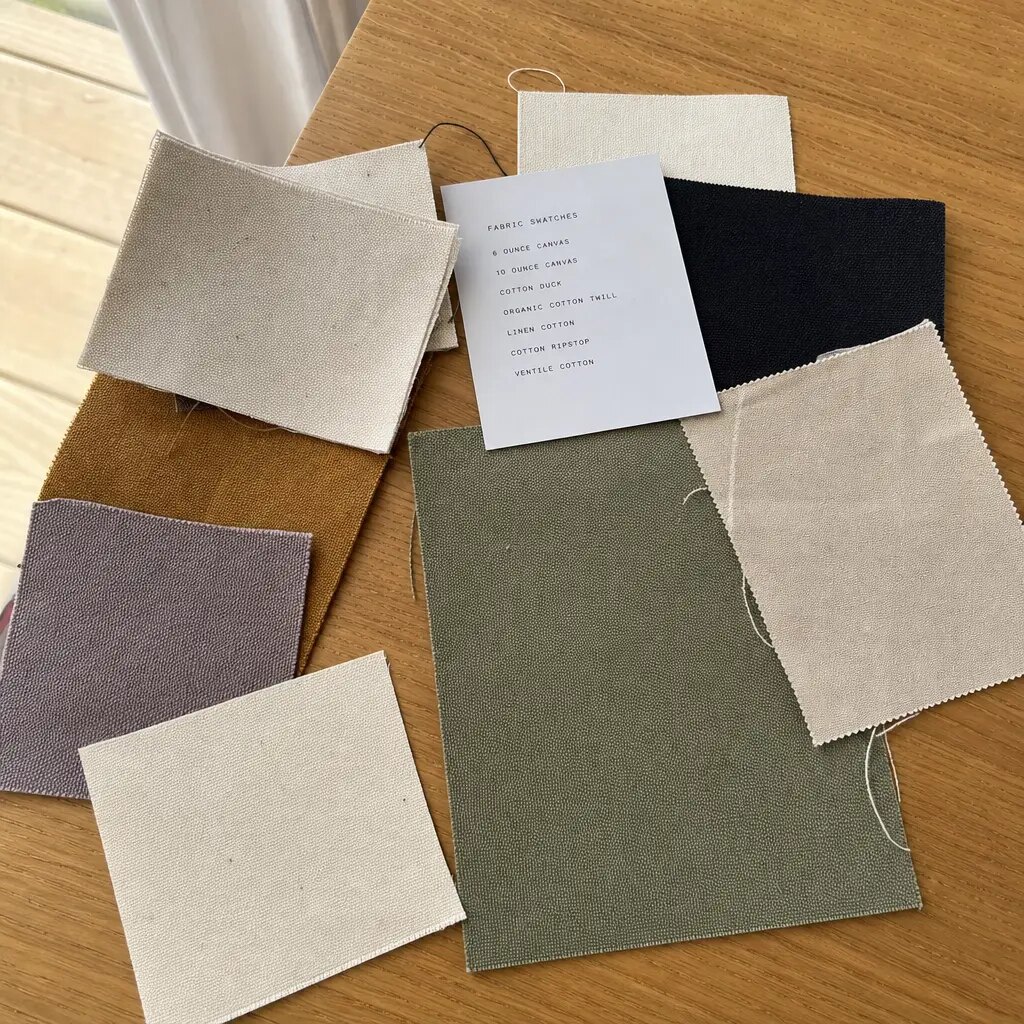
Why print proofing matters for market tote orders
Farmers market buyers usually care about two things: the bag has to carry real weight, and the logo has to look clean enough to represent the brand in public. Jute makes a strong merchandising story, but it is a difficult print surface. The weave is uneven, the fiber can shed, and the bag shape changes slightly with stitching tension. If you approve artwork on a smooth mockup and never validate it on actual jute, the bulk run can come back with fuzzy edges, off-center placement, or a logo that disappears into the texture.
For procurement teams, print proofing is not a design exercise. It is a production control step that protects landed cost, schedule, and customer acceptance. The right proof tells you whether the supplier can print your artwork at the selected GSM, whether the bag holds shape during printing, and whether the final packing format matches the distribution plan. The goal is simple: lock the visual result before the factory commits screens, plates, or transfer tooling.
- Treat the proof as a production specification, not a marketing preview.
- Use the same bag construction in the proof that you want in the bulk order.
- Reject any sample that hides surface defects with lighting, filters, or digital retouching.
Lock the base bag spec before the artwork moves
The most common print mistake is approving a logo before the bag spec is stable. A 280 GSM open-weave jute tote will print differently from a 340 GSM tighter weave tote, even if both look similar in a quote sheet. Handle size, gusset depth, lamination, and top hem all affect how the bag lies flat on the press bed. If the supplier does not have the same base spec in sample form, the proof is only a rough reference.
Before you send artwork, fix the base construction in writing. For farmers market use, a practical starting point is a natural jute tote in the 280-320 GSM range for standard retail carry, or 320-400 GSM if the bag needs a more premium body and better structure. If the buyer wants a lined interior, laminated finish, or extra reinforcement at the handles, those choices should be reflected in the proof because each one changes print behavior and MOQ logic.
- Specify bag dimensions, gusset, handle length, and top finish on the proof sheet.
- Record the exact fabric weight or grade, not just the phrase "heavy jute".
- State whether the bag is unlined, partially lined, or fully lined before print approval.
Choose the print method based on the artwork, not the catalog
Screen printing is usually the most reliable option for simple logos on jute tote bags. It performs well with bold shapes, solid brand marks, and one to three colors. It also gives the buyer a cleaner comparison point because the setup is obvious: screens, ink, labor, and drying time. The tradeoff is that fine lines, small reverse text, and gradients are risky on a rough natural surface. If the artwork depends on delicate detail, the supplier should show you a proof on the exact fabric before any bulk commitment.
Heat transfer or digital transfer can solve more complex art, but the buyer should be strict about durability and finish. On jute, a transfer that looks fine on day one may crack at the fold line or lift after abrasion if the surface is too coarse or the bag is folded tightly in cartons. Embroidery is usually not the first choice for printed branding on jute totes because it changes the hand feel, adds thread cost, and can distort the fabric if the logo is large. The right choice is the one that matches your logo complexity and the expected retail life of the bag.
- Use screen print for strong logo contrast and repeatable bulk runs.
- Use transfer methods only when the art requires color detail that screen print cannot hold.
- Avoid tiny text unless the supplier can show it legibly on the actual jute weave.
Build the proof file so the factory can measure it
A usable proof file contains more than a logo image. It should show the bag outline, the print size in millimeters, the placement from the top edge and side seam, and the approved color reference. If the supplier only receives a JPEG and guesses the placement, the result will vary from order to order. Buyers should ask for a flat artwork sheet and a production annotation sheet that lists scale, color count, and any restricted print zones near seams or handles.
The proof should also state what the factory is allowed to adjust. If the brand mark must remain within a centered window, say so. If the logo can move slightly to avoid a seam, define the allowed range. This matters because jute panel cutting is not perfectly uniform. A factory that knows the accepted tolerance can avoid a rejected run, while a factory that has to guess may keep moving the print until it loses the intended composition.
- Include print size in millimeters or inches, not only percentage scale.
- Mark the safe print area away from seams, folds, and handle stitching.
- Use one named artwork version so revision control stays clean across suppliers.
Review the sample like a factory buyer, not a designer
When the sample arrives, the first question is not whether it looks nice. The first question is whether it matches the approved construction. Check the body size, gusset depth, handle width, thread color, and seam finish against the sample card or signed proof. Then inspect the print under bright light and at arm’s length. On jute, a logo that looks sharp from a distance can still fail if the edges have bled into the weave or the ink coverage is uneven across the fibers.
A good buyer also tests the bag in use. Put real product weight inside it, fold it, and carry it by the handles. Look for seam pull, handle twist, distortion near the print zone, or cracking where the fabric bends. For a farmers market vendor, the bag has to survive repeated customer handling and still look presentable. If the sample already shows uneven stitching, weak corners, or ink rub-off, bulk production will usually magnify the issue rather than correct it.
- Measure the actual sample against the agreed dimension range.
- Rub the print lightly and check for ink transfer or surface dusting.
- Load the bag with realistic weight before approving the handle and seam performance.
Use supplier route comparisons to find where the risk sits
Not every sourcing route carries the same proofing risk. A direct factory usually gives the buyer the best visibility into printing setup, fabric source, and revision control. That matters when the artwork must match a brand standard across repeat orders. A trading company may be useful if the buyer needs one contact to coordinate bag construction, print work, and mixed packing from multiple workshops, but the buyer must then verify where the proof was actually made and whether the bulk order will use the same line.
For imported jute tote bags, the safest route is the one that can prove material consistency and production traceability. If the supplier cannot tell you who made the sample, what method was used, and which line will run the bulk order, the quote is incomplete. The table below shows the decision points that matter most when comparing options.
- Direct factory sourcing usually gives better control over print proof consistency.
- Trading routes can work, but only if the actual production site is named and documented.
- Any supplier should be able to link the sample to the final bulk run without guessing.
Compare quotes by the cost drivers that change the print result
A useful quote separates bag cost from print cost, tooling, sample cost, packing cost, and freight handoff. If those items are lumped together, the buyer cannot tell whether the supplier is charging for screens, artwork changes, or a more expensive fabric weight. On jute bags, price differences often come from the number of colors, print placement, whether the print is on one or both sides, and whether the bag needs lining or reinforcement to keep the artwork flat during press time.
MOQ logic should also be visible. A lower MOQ sometimes means a higher unit cost because the factory is spreading screen setup, labor, and waste across fewer bags. A higher MOQ may unlock better pricing, but only if the proof is stable enough to avoid rework. For market vendors, the cheapest quote is not the best quote if it hides revision fees, unstated tolerances, or a different bag construction than the sample.
- Ask the supplier to split bag unit price, print setup, sample charge, and packing cost.
- Compare quotes using the same bag size, same GSM, and same print method.
- Verify whether the MOQ applies per colorway, per logo version, or per shipment.
Control packing and carton details before bulk starts
Many print disputes happen after the bag is approved, during packing and fulfillment. If the buyer wants folded units in polybags, carton labels with SKU numbers, or master carton counts for distribution, those details need to be tied to the proof package. A jute tote that prints well but ships with crushed corners, mixed assortments, or unlabeled cartons still creates receiving friction and can slow down retail launch.
Packing also affects the appearance of the print. Tight overpacking can crease the logo area, especially on transferred graphics or on heavier ink coverage. Loose folding can lead to random fold marks across the design. A simple packing instruction should state folding method, unit count per polybag if used, carton quantity, gross and net weight targets, and any outer carton marking requirements.
- Specify folding direction so the printed face is not crushed against a hard crease.
- Require carton labels that match the PO, style number, and colorway.
- Keep the approved sample photo attached to the packing instruction sheet.
Set the timeline around proof approval, not wishful dates
Lead time for custom jute tote bags should be built around proof approval milestones. If artwork revisions are likely, the project needs a buffer before screens are made or production slots are reserved. For imported orders, the supplier should give separate timing for mockup review, physical sample, bulk production, and freight handoff. That is the only way to compare offers that may look similar on paper but differ in real schedule risk.
A buyer should treat late artwork changes as a cost event, not a minor admin task. A revised logo can mean new screens, new strike-offs, or a new approval cycle. If the market launch is fixed to a season or event date, the safer approach is to freeze the artwork earlier and allow time for one physical proof, one buyer review, and one final pre-production signoff. That schedule discipline is usually cheaper than emergency air freight or a rushed reprint.
- Separate sample lead time from bulk production lead time in the schedule.
- Add buffer for artwork revisions, especially if multiple departments must approve the logo.
- Do not release bulk production until the signed proof matches the final purchase order.
Specification comparison for buyers
| Spec decision | Recommended option | When it fits | Buyer risk to check |
|---|---|---|---|
| Supplier route | Direct factory with pre-production proof | You need repeat orders, controlled artwork, and line-by-line approval before bulk | Some factories send a mockup but skip an actual strike-off or screen proof |
| Supplier route | Trading company with managed sourcing | You want one contact to coordinate bag, print, and packing across multiple plants | Markup can hide the real print method, bag origin, or revision limits |
| Fabric weight | 280-320 GSM jute for standard retail tote use | Farmers market shoppers will carry produce, jars, and packaged goods | Too light feels flimsy; too heavy can raise cost and reduce foldability |
| Fabric weight | 320-400 GSM for premium or heavier-load bags | The bag needs a structured hand feel and better print flatness | Higher GSM can make the bag stiffer and may need stronger sewing and longer lead time |
| Print method | Screen print for bold logos and 1-3 colors | The artwork has solid shapes, a simple brand mark, or a short slogan | Fine detail, gradients, and small reverse text can fill in on coarse jute |
| Print method | Heat transfer or digital transfer for complex art | The design has multiple colors, fades, or small typography | Transfers can crack, peel, or sit unevenly if the jute surface is too rough |
| MOQ strategy | Higher MOQ per colorway or print setup | You want the best unit cost and can commit to one artwork version | Each additional color or placement usually increases setup cost and proofing time |
| Packaging route | Bulk packed in master cartons with barcode label control | You ship to a DC, distributor, or regional fulfillment partner | Loose folding, carton overfill, or mixed SKUs can trigger receiving issues |
Buyer checklist before sampling
- Confirm the exact bag size, gusset depth, handle length, and fabric GSM before artwork approval.
- Approve the logo size, placement, and color count on a scaled proof, not only a flat mockup.
- Request the print method in writing and confirm whether the quote includes screens, plates, or transfer setup.
- Check that the sample matches the real jute texture, stitching, binding, and handle attachment method.
- Verify acceptable tolerances for print alignment, color variation, and bag dimensions.
- Review the carton pack count, carton dimensions, and labeling format before bulk production starts.
- Confirm whether the bulk order follows the approved sample exactly or includes any cost-saving substitutions.
- Get the lead time split into sample, approval, production, and freight handoff dates.
- Ask for revision limits so artwork changes do not restart the schedule without notice.
- Keep one signed proof record with the supplier name, date, artwork version, and approval status.
Factory quote questions to send
- What jute GSM, liner option, and handle construction are included in the quote?
- Which print method is quoted, and how many colors, placements, and setup charges are included?
- Is the sample a digital mockup, a strike-off, or a pre-production sample made with the actual materials?
- What is the MOQ by design, by color, and by print method?
- What are the acceptable print tolerance, size tolerance, and stitching tolerance for bulk production?
- Are carton packing, barcode labels, and polybagging included or charged separately?
- How many days are needed for artwork proof, sample approval, and mass production after approval?
- What changes trigger a new setup fee or new sample?
- Which materials or processes can be substituted if the quoted fabric or thread is unavailable?
- What shipping terms are quoted, and what handoff point is used for the lead time?
Quality-control points to confirm
- Confirm jute weight and weave consistency against the approved swatch or master sample.
- Measure bag body, gusset, and handle dimensions within the agreed tolerance band.
- Inspect print registration, edge sharpness, and color density under daylight and indoor light.
- Check that the logo is centered or intentionally offset according to the approved proof.
- Pull on the handles and seam stress points to verify stitching security and bar-tack strength.
- Confirm there is no excessive fraying, staining, odor, or loose fiber shedding at pack-out.
- Review carton pack count, label accuracy, and SKU separation before release to shipping.
- Verify that the bulk units match the approved sample in bag finish, print sheen, and hand feel.