Start With The Event Job
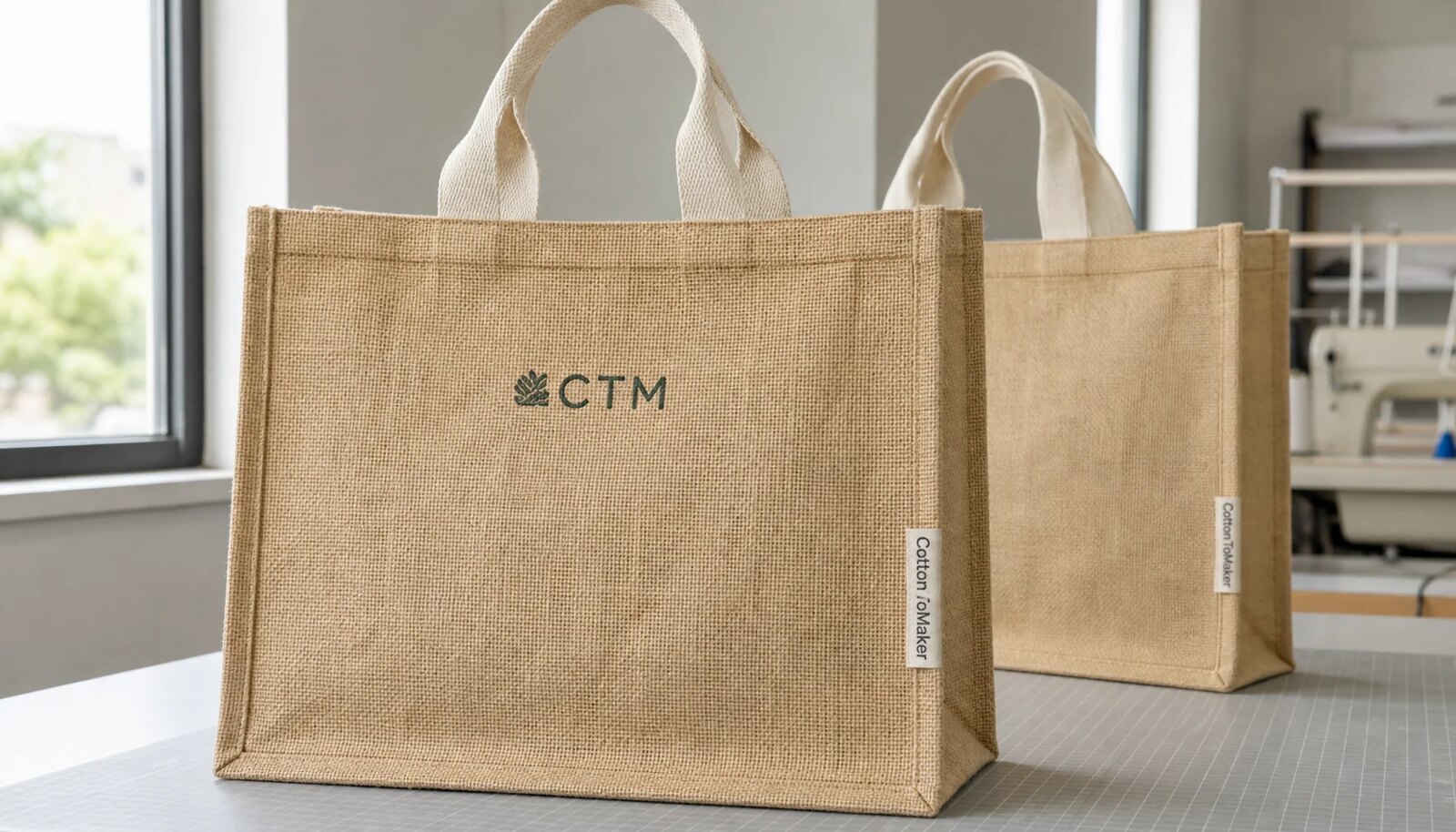
Logo placement should start with the way the tote will actually be used, not with the cleanest-looking artwork mockup. A registration bag moves fast. It is filled early, handed across a counter, carried through aisles, set on chairs, photographed near badges, and viewed from several meters away. A VIP gift bag is handled more slowly and may be reused after the event. A sponsor bag often has to carry several brand marks without looking like a crowded poster. Those use cases call for different logo zones, different logo sizes, and sometimes different decoration methods.
Before requesting quotes, map the bag journey in plain operational terms. Will staff pre-pack catalogs, bottles, apparel, tech accessories, product samples, or paperwork? Will inserts cover the upper panel when the tote is handed out? Will bags be stacked on a registration table, hung on chairs, boxed for remote attendees, or split across multiple venues? These answers affect whether the primary logo belongs high on the front panel, centered in the main viewing field, lower below the content line, on a gusset, or on a woven side label.
Distance is a real sourcing issue. A small mark can look polished on screen and then disappear on coarse jute once an attendee is walking. For many trade shows and conferences, the main logo should be readable from roughly 2-3 meters, while secondary details can be designed for closer viewing. A useful custom jute tote bags logo placement guide for event planners protects that hierarchy: one readable primary mark, controlled secondary zones, and enough blank jute around each element for the tote to look intentional rather than crowded.
- Registration and trade show bags usually need a front-panel logo that reads while the attendee is moving.
- VIP, speaker, and retail-adjacent bags can support subtler branding such as a small front print plus a woven side label.
- Sponsor-heavy events should define logo hierarchy before artwork release, with one primary mark and controlled secondary placements.
- Pre-packed totes need placement tested while filled because brochures and samples can pull the panel outward or hide low artwork.
- Photo-heavy events should avoid logos placed too close to the top fold, handle bartacks, table line, or bottom seam.
Freeze Construction First
Logo placement cannot be finalized until the bag construction is locked. Finished width, finished height, gusset depth, top hem, side seam allowance, handle drop, handle width, lining, lamination, and bottom reinforcement all change the usable decoration area. The same 180 mm-wide logo may look balanced on a 380 x 420 mm tote and too large on a smaller stock bag. A 100 mm gusset on a flat pattern may also present less clean branding space once it is sewn, folded, and filled.
The RFQ should describe the finished bag in millimeters and the material in procurement language. Instead of asking for a medium natural jute tote, specify finished size, gusset depth, jute GSM or acceptable fabric weight range, whether the jute is laminated or unlaminated, lining material if used, handle material, handle drop, and reinforcement. Many event totes sit in practical finished size ranges such as 340-420 mm wide, 350-450 mm high, and 80-150 mm gusset depth, but the right size still depends on the contents and expected load.
Ask when decoration happens. Printing before sewing can give the printer flatter access to the panel, but sewing variation can shift the final visual position. Printing after sewing shows the real finished tote, yet screens and heat presses may need more clearance from seams, handles, and gusset folds. The production route affects placement tolerance, sampling, inspection, and who is responsible if the finished logo drifts from the approved position.
- Confirm finished width, height, gusset depth, top hem width, handle width, handle drop, and bottom construction before artwork approval.
- State jute GSM or acceptable fabric weight range and whether the material is raw, laminated, lined, or backed.
- Define whether logo placement is measured from finished seams, panel centerline, or cut-panel edges.
- Ask whether decoration happens before sewing, after sewing, or through an outside decorator.
- Keep heavy contents in mind because load can stretch handles, pull the panel, and change how low or wide artwork appears.
Define Print Zones
The front panel is usually the safest primary zone for event branding. It is visible when the tote is carried and relatively easy to inspect in bulk. For a centered front-panel logo, specify the logo width and height, the distance from the top edge to the top of the logo, the horizontal centerline, and the clearance from each side seam. A practical starting point is to keep the top of the logo 25-50 mm below the top hem and at least 20-30 mm away from handle bartacks, then confirm the exact number on the assembled sample.
The printable zone is smaller than the panel size. Top hems, side seams, handle stitching, gusset folds, and bottom seams all reduce the safe decoration area. Natural jute also has a strong visual texture, so tight margins look even tighter in real life. A logo can be technically centered and still feel squeezed if it sits too close to a seam. Oversized artwork can also make normal sewing variation more noticeable from bag to bag.
Lower front placement has a place, especially when the upper panel must stay clean for a badge sleeve, handle wrap, table display, or stacked presentation. Still, low marks need more testing. They can be hidden by contents, table edges, chair backs, and folding creases. If the tote will be filled at registration, approve the logo both flat and packed with a realistic weight substitute. Photographs should show the bag standing, carried, stacked, and folded as it will be handled at the event.
- Use the front panel for the event name, company mark, or main sponsor unless the brief requires a subtler treatment.
- Specify logo size and placement in millimeters from finished construction points, not just as centered or upper middle.
- Build in clearance from top hem, side seams, handle bartacks, gusset folds, and bottom seam.
- Check low placements with actual event contents or a realistic packed sample.
- For moving visibility, prioritize bold shapes and readable scale over complex artwork that only works in close-up photos.
Control Secondary Branding
Secondary placements can make a jute tote feel more considered, but they should support the primary mark rather than compete with it. Gussets work for a short sponsor name, event year, destination, or simple secondary symbol because the side panel remains partly visible when the bag is carried sideways or stacked. The limitation is shape: the gusset narrows and curves after filling. Size gusset artwork to the sewn, filled presentation, not only to the flat pattern width.
Woven side labels are useful when the brand wants durability, subtlety, or small detail that would not print clearly on raw jute. A label may be inserted into the side seam, sewn near the upper side edge, or attached as a small tab. To control the result, specify finished label size, fold style, insertion depth, seam allowance, thread color, label background color, logo color, and stitch path. A 30 x 50 mm label and a 25 x 40 mm label can feel very different after folding and sewing.
Handle patches and wrap labels add a premium touch, but they sit in a high-contact area. They rub against hands, clothing, chairs, and other bags. If handle branding is used, the artwork should be short and bold, and the supplier should confirm backing, stitch density, edge finish, and grip comfort. For long sponsor lists, QR codes, barcodes, schedules, legal copy, or regional details, a hangtag or insert is usually more practical than forcing extra information onto the tote body.
- Use gussets for short secondary marks, not complex sponsor systems or fine text.
- Use woven side labels for small detail, long-term reuse, and a more finished look.
- Define label size, fold style, insertion depth, seam allowance, thread color, and stitch location.
- Keep handle branding simple because the area faces abrasion and repeated bending.
- Use hangtags or inserts for long sponsor lists, QR codes, legal copy, schedules, or barcode information.
Match Method To Jute
Jute is textured, absorbent, and irregular compared with cotton canvas or nonwoven polypropylene. That texture is part of the appeal, but it also limits decoration precision. Screen printing is commonly used for bold event logos because it suits solid spot colors and moderate quantities. It performs best with larger text, simple shapes, generous line weight, and limited color count. As a practical starting point, avoid hairlines under 1 mm and very small text under 6-8 mm high unless the supplier proves the artwork on the actual weave.
Color approval needs physical evidence. Pantone references are useful, but ink on natural jute will not look exactly like ink on coated paper or a backlit screen. The jute base shade, fiber variation, lamination, and ink opacity all influence the result. Light ink on darker natural jute may need a thicker deposit or an underbase. Too much ink can fill the weave and leave rough edges. State whether the expectation is exact Pantone matching, closest commercial match on jute, or visual match to a physical reference.
Transfers, embroidery, patches, and woven labels can solve problems that direct print cannot. Heat transfers may give cleaner edges, but adhesion and edge lift should be checked on the chosen jute surface. Embroidery can add value, though loose weave may distort and often needs backing. Patches give crisp artwork but add sewing cost and edge-finish decisions. Woven labels are strong for fine marks, but they bring their own MOQ, lead time, and color approval. The best method is the one that stays readable and repeatable on the actual tote.
- Use direct screen print for bold one-color or two-color marks with strong visibility requirements.
- Avoid gradients, hairline strokes, small reverse type, fine serif text, and tight multi-color registration on raw jute.
- Ask for minimum stroke width, minimum text size, registration tolerance, and ink opacity guidance before final artwork.
- Approve color on the actual jute lot or a representative bulk material swatch, not only on a digital proof.
- Move fine sponsor detail to a woven label, patch, hangtag, or insert when direct jute printing would reduce legibility.
Write A Comparable RFQ
A strong RFQ makes supplier bids comparable. Without a detailed spec, one supplier may quote a heavier laminated jute body, another may assume a thinner unlined bag, and a third may decorate available stock blanks. Unit prices only mean something when they cover the same finished size, fabric, handle, gusset, decoration, setup, sample, packing, and shipping assumptions. Ask for line-item pricing so the tradeoffs are visible before approval.
Version control matters more than many event teams expect. A program may include a main conference logo, sponsor dinner artwork, staff bags, regional venue versions, or different bag colors. Each version can require separate screens, labels, cartons, destination marks, and approval steps. The RFQ should list quantity by artwork version and placement. If a supplier offers one blended unit price, ask them to identify the setup charges, MOQ rules, and version assumptions behind it.
The quote should also name who owns production and inspection. If one factory sews the tote and a separate decorator prints it, the buyer needs one accountable party for final placement, color, packing, and defect correction. Ask whether the supplier is quoting made-to-order bags, current stock blanks, or a hybrid. Stock can help with short timelines, but current stock shade, handle drop, gusset depth, and panel flatness should be checked before decoration starts.
- List finished dimensions, jute GSM or fabric weight range, lamination or lining, handle material, handle drop, gusset, and reinforcement.
- Attach controlled artwork files and measured placement drawings for every version and placement.
- Request separate costs for bag body, decoration, setup, sampling, sample freight, packing, inspection, and freight.
- Ask for price breaks by quantity, artwork version, color count, and bag color.
- Require suppliers to state whether bags are made to order, decorated from blank stock, or produced through a subcontracted decorator.
- Document who owns final QC when sewing, printing, label weaving, or packing are handled by different parties.
Approve Samples By Measurement
Digital mockups are helpful for discussing layout, but they do not prove how artwork behaves on jute. The physical sample is where buyers can see weave texture, ink opacity, seam alignment, handle position, panel shape, label stitching, and filled-bag appearance. For new artwork, new suppliers, new bag construction, or high-visibility events, a physical pre-production sample is the sensible control point before bulk production begins.
Sample approval should be measured, photographed, and recorded. Check the distance from top edge to logo, side seam to logo edge, centerline to logo center, bottom seam clearance, gusset fold clearance, and nearest handle stitch clearance. For many sewn promotional bags, buyers discuss placement tolerance in the plus or minus 5-10 mm range, but the supplier must confirm what is realistic for the exact construction and decoration method. A simple front print may hold tighter than a gusset placement or a post-sewing decoration.
The approved sample becomes the master reference. Keep one buyer-side sample and require the factory to keep one production reference. If material, size, handle, lining, label, logo size, logo color, or placement changes after approval, record the revision in writing. When material changes, request a new sample or at least a new strike-off on the updated material, because jute shade and surface finish can change both color and print clarity.
- Approve the sample on the same bag construction, jute lot or representative bulk material, handle, lining, and decoration method planned for bulk.
- Measure placement from finished construction points before signing off.
- Photograph the sample flat, filled, carried, folded, and beside the artwork or placement drawing.
- Keep a buyer-side master sample and require a factory-side reference sample for bulk production.
- Reset approval when logo size, material, construction, color, handle, or decoration method changes.
Set Inspection Rules
Quality control should be written before production starts. For event totes, the key inspection areas are logo placement, artwork version, print clarity, bag construction, handle strength, cleanliness, odor, and packing accuracy. A tote with a neat seam but a crooked logo may fail its marketing purpose. A tote with a perfect print but weak bartacks may fail during registration. Both issues need to be covered in the QC checklist.
Buyers using third-party inspection can request AQL sampling, often under general inspection level II, with defect classifications agreed in advance. The exact AQL level depends on order value, risk, and buyer policy, so avoid leaving the classification vague. Wrong artwork, unreadable print, severe misplacement, weak handle stitching, mildew odor, wet cartons, and incorrect destination labels should normally be treated as major defects because they affect brand presentation, safety, or delivery. Minor natural slubs in jute may be acceptable if they do not damage the display panel or logo readability.
Even when a supplier does not use formal AQL, procurement can still require random pulls from multiple cartons and a photo-based pre-shipment report. Check early, middle, and late production where possible, because screens can shift, ink can thicken, and operators can drift from the approved placement. For printed bags, include a light dry rub check to catch obvious smearing, flaking, powdering, or transfer between folded bags. For woven labels, inspect insertion depth, straightness, skipped stitches, frayed edges, and puckering.
- Inspect against the approved physical sample and placement drawing, not against memory or an old mockup.
- Classify wrong logo version, unreadable print, severe placement drift, weak handles, mildew odor, and wet cartons as major defects.
- Check random bags from multiple cartons and, when possible, from early, middle, and late production batches.
- Use a light dry rub check on print areas to identify obvious cracking, flaking, smearing, or transfer.
- Verify finished dimensions, gusset depth, handle drop, seam quality, loose threads, odor, stains, and display-panel condition.
- Confirm carton marks, inner counts, artwork versions, destination labels, and packing list quantities before shipment release.
Specify Packing And Logistics
Packing affects how the bags look when they reach the venue. Jute is a natural fiber that can hold odor, absorb moisture, and crease when compressed. Buyers should ask how bags are dried, stored, folded, packed, and protected before shipment. For humid routes, long sea freight, or monsoon-season production, moisture control deserves attention. Desiccants may help inside cartons, but they do not compensate for packing damp goods. The supplier should confirm dry storage and avoid sealing moisture into plastic.
Fold method should match event operations. If staff need fast registration handout, consistent inner packs of 10, 25, or 50 can reduce counting time. If bags are pre-kitted, they may need to arrive open, lightly folded, or grouped by artwork version. If different venues receive different versions, carton marks should show event name, PO number, artwork version, bag color, destination, quantity, carton number, and total carton count. Poor packing creates labor cost at the venue and increases the chance that sponsor versions will be mixed.
Retail-adjacent programs need even more detail. Barcode labels, hangtags, SKU labels, warning labels if applicable, and carton presentation should match the receiving system. If the tote has a woven label, handle patch, or premium front print, dense packing should not crush that feature or create permanent creases through the logo. Ask for carton dimensions, gross weight, count per carton, and photos of packed cartons before shipment, especially on first orders.
- Define fold method, inner pack count, carton count, carton dimensions, gross weight, and maximum carton weight.
- Use clear outer carton marks for event name, PO, destination, artwork version, bag color, quantity, and carton sequence.
- Request moisture-control details for humid storage, sea freight, long transit, or warehouse holding before the event.
- Avoid over-compression that creases handles, gussets, woven labels, or front-panel prints.
- For retail use, specify hangtag, barcode, SKU label, label direction, and presentation requirements before production.
- Keep artwork versions separated by carton unless the event team specifically approves mixed cartons with a clear packing map.
Build The Timeline
The production calendar for custom jute tote bags includes more than sewing time. A realistic schedule covers RFQ clarification, artwork cleanup, placement drawing, sample production, sample freight, buyer review, revision if needed, bulk material preparation, cutting, sewing, decoration, internal QC, packing, inspection, export documents, freight, customs, domestic delivery, and venue receiving. The event date is fixed. Sample approval is usually the gate that decides whether bulk production can proceed cleanly.
Buyer-side decisions often cause the longest quiet delays. Sponsor logos arrive late. Pantone colors need confirmation. Legal copy changes. Different stakeholders approve different mockups. Procurement can reduce risk by setting approval deadlines and treating each artwork version as a controlled item. If the sponsor dinner version is late, the main conference version should still be able to move if quantities, screens, labels, and carton marks are separated in the PO.
Reorders should be easier, but they still need checks. Keep the approved sample, placement drawing, artwork package, supplier quote, packing spec, carton label, and inspection report in one reorder file. Before repeating, confirm the current jute shade, GSM range, handle material, lining, print method, and factory capacity. Natural fibers and available trims can vary by lot, so the goal is controlled repeatability rather than blind repetition.
- Treat artwork approval, sample approval, bulk start, inspection, shipment release, customs clearance, and venue delivery as separate milestones.
- Allow time for at least one sample revision when artwork is new, detailed, multi-color, or sponsor-heavy.
- Give internal stakeholders a fixed deadline for logo files, Pantone references, placement signoff, and version quantities.
- Separate artwork versions in the production plan so one late sponsor logo does not hold the entire order.
- For repeat events, reuse the placement drawing and master sample while confirming the new material lot and print result.
Specification comparison for buyers
| Spec decision | Recommended option | When it fits | Buyer risk to check |
|---|---|---|---|
| Primary front-panel logo | Centered screen print with the logo top typically 25-50 mm below the top hem and at least 20-30 mm clear of handle bartacks | Registration bags, conference kits, trade show giveaways, and attendee-facing brand visibility | A logo can look correctly placed on a flat proof but sit too close to the fold or handle stress point after sewing; approve on an assembled sample |
| Large front-panel logo | Bold one-color or two-color artwork sized to keep at least 25-40 mm side clearance and visible top and bottom margins | Events where the tote is part of the visual identity and will appear in attendee photos | Fine strokes, small text, gradients, and tight registration can break across coarse jute; require a strike-off or pre-production sample on the bulk fabric |
| Lower front-panel print | Logo placed below the typical brochure line, with measured clearance from the bottom seam and gusset fold | Useful when the upper panel will be covered by badges, handle wraps, inserts, or table display fixtures | The mark may be hidden by contents, distorted by the bottom seam, or creased by folding; test with realistic packed contents |
| Gusset logo | Small secondary mark on the side panel, usually kept simple and sized to the sewn gusset width, not the flat pattern width | Multi-sponsor events, VIP packs, venue programs, and bags carried in crowded spaces where side visibility matters | The gusset curves after filling; confirm readability on the assembled bag and keep complex sponsor lockups off this zone |
| Woven side label | Small woven label sewn into the side seam or near the upper side edge, with defined fold, seam allowance, stitch path, and thread color | Premium reuse programs, retail-adjacent event bags, and subtle long-term branding | Labels can pucker, twist, or sit unevenly if the fold length, insertion depth, and seam construction are not specified |
| Handle patch or wrap label | Short logo, initials, or brand mark on a reinforced handle patch, wrap, or cotton binding | VIP gifting, staff bags, or programs where tactile branding supports the main logo | This is a high-abrasion area; check stitch strength, backing, grip comfort, and whether the patch creates a pressure point |
| Direct factory with in-house printing | One supplier controls bag sewing, decoration, inspection, carton packing, and defect correction | Repeat orders, clear accountability, and event programs with fixed delivery windows | In-house control does not replace written tolerances; placement, color limits, and defect ownership still need approval in the PO |
| Bag factory plus external decorator | Sewing factory makes the tote and transfers blanks or sewn bags to a print partner | Special decoration, local imprinting, limited factory print capability, or complex sponsor versions | Placement and color disputes can pass between vendors unless one party owns the final master sample and pre-shipment QC |
| Blank stock bag plus applied label | Stock jute tote decorated with a woven label, hangtag, patch, or simple overprint | Pilot runs, low quantities, last-minute event orders, sponsor tests, or regional top-up orders | Stock jute shade, handle drop, gusset depth, and panel flatness may vary by lot; compare current stock to the approved sample before decoration |
Buyer checklist before sampling
- Freeze finished bag width, height, gusset depth, handle drop, jute GSM or fabric weight range, lining, lamination, top hem, and reinforcement before artwork is released.
- Mark the logo position in millimeters from the top edge, side seam, vertical centerline, bottom seam, gusset fold, and nearest handle stitch or bartack.
- Specify finished printable area, logo size, color count, decoration method, and minimum clearance zones instead of relying on a visual mockup alone.
- Create one controlled artwork file per colorway, sponsor version, bag color, and placement; include file name, revision date, color references, and approval owner.
- State Pantone, thread, label, or ink references and whether the supplier is expected to hit an exact match or a closest commercial match on natural jute.
- Confirm minimum line width, minimum text height, reverse-type limits, half-tone limits, and multi-color registration tolerance for the actual jute weave.
- Request a physical pre-production sample on the same bag construction and decoration method as bulk, not only a digital proof or flat strike-off.
- Separate quote lines for bag body, decoration, setup, label sewing, sampling, approval freight, packing, inspection, inland freight, and export freight.
- Define acceptable placement tolerance, color variation approach, print defects, handle strength checks, carton count, inner packing, odor control, and moisture-control requirements before bulk starts.
- Lock the event date against artwork approval, sample approval, bulk production, inspection, freight, customs, warehousing, and venue delivery dates with buffer time.
Factory quote questions to send
- What finished bag dimensions, gusset depth, jute GSM or fabric weight range, lamination or lining, reinforcement, handle material, handle width, and handle drop are included in the unit price?
- Is the logo screen printed, transferred, embroidered, patched, woven, or sewn as a label, and how many screens, films, dies, labels, or setup charges apply to each placement?
- What is the MOQ per artwork version, per bag color, per logo color count, per placement, and per label type?
- Can you provide a measured placement drawing showing logo size and distances from top edge, side seam, centerline, gusset fold, bottom seam, and handle stitch line?
- What finished bag tolerance and logo placement tolerance can you hold in bulk production, and are these measured from seams, panel centerline, or cut-panel edges?
- Will you make a physical pre-production sample on the actual bulk jute lot or only provide a digital mockup and separate print strike-off?
- What artwork limits should we follow for minimum stroke width, minimum text height, reverse text, gradients, half-tones, and multi-color registration on this jute weave?
- How do you handle color approval on natural jute, including Pantone references, ink opacity, underbase use, and acceptable shade variation?
- What sample lead time, sample shipping time, bulk lead time, inspection window, packing time, and freight transit time apply after each approval gate?
- Which defects are rejected under your QC standard before packing, and do you use formal AQL sampling or an internal inspection checklist?
Quality-control points to confirm
- Logo position matches the approved sample and drawing within the written tolerance from top edge, side seam, centerline, gusset fold, bottom seam, and handle stitch path.
- Print is readable and opaque enough across the jute weave, with no missing strokes, weak fill, excessive ink buildup, smearing, heavy bleed, or broken fine details.
- Multi-color artwork is registered within the agreed tolerance, with no visible shadowing that changes the logo shape or makes text unreadable.
- No ink, transfer edge, adhesive mark, embroidery backing, or label stitch crosses into the seam, handle bartack, top fold, gusset fold, or edge binding unless approved.
- Artwork version, sponsor order, bag color, logo color, label type, and placement match the approved purchase order, master sample, and carton label.
- Handles are even in length, comfortable to hold, and firmly stitched or bartacked at all stress points with no skipped stitches or loose thread tails.
- Finished bag dimensions, gusset depth, handle width, and handle drop stay within the agreed tolerance across random pulls from multiple cartons.
- No oil stains, mildew smell, wet cartons, excessive fiber shedding, crushed display panels, broken jute yarns, visible holes, or severe shade mismatch on attendee-facing panels.
- A dry rub check does not show obvious cracking, flaking, smearing, powdering, or transfer to adjacent folded bags.
- Woven labels sit straight, lie flat, and are secured without puckering, twisting, frayed edges, skipped stitches, or inconsistent insertion depth.