Why print proofing is harder on jute than on canvas
Natural grocer buyers often treat jute artwork approval like a standard canvas tote project, then get surprised when the delivered print looks rougher, darker, or less centered than the PDF proof. Jute has a coarse weave, visible slubs, and more surface irregularity. Even when the bag is well made, those features can break line edges, slightly distort circles, and reduce small-text readability. A proofing process that works for smooth cotton usually does not give enough protection on jute.
The buying problem is not only graphic quality. Jute bags are commonly chosen because they signal natural materials and reusable grocery value, so the logo, color, and store message tend to sit on a warm tan background that changes from lot to lot. If the procurement team approves artwork without defining the real fabric, print method, and placement tolerances, supplier quotes become hard to compare and claims become hard to win. A stronger proofing checklist prevents that by connecting artwork approval to production reality.
- Jute texture reduces edge sharpness versus canvas
- Natural fiber shade variation changes perceived ink color
- Seam and gusset folds can visually skew centered graphics
- Lamination improves smoothness but changes handfeel and sustainability messaging
Start with the right bag specification before reviewing artwork
A usable print proof starts with a locked bag specification. For most natural grocer tote programs, a practical range is 270-320 GSM jute for the body, with common finished sizes around 35 x 40 x 15 cm or 38 x 42 x 15 cm. This weight gives enough body for grocery loading while still folding flat for packing. If the bag must stand more cleanly on shelf or carry bottles, buyers sometimes move to heavier constructions or add thicker lamination, but that affects print behavior, carton count, and freight efficiency.
Handle choice also changes how the bag carries and how the front panel presents the print. Cotton webbing handles in 25-30 mm width are common for comfort and a cleaner retail look. Self-material jute handles may lower material complexity but usually feel rougher and can make premium grocer programs look more promotional than retail-ready. Before approving any logo position, lock body size, gusset, handle drop, lamination status, and whether there is an inside binding or top hem thickness that may influence panel flatness.
- Recommended body fabric for many grocery totes: 270-320 GSM jute
- Common handle width: 25-30 mm cotton webbing
- Typical top hem should be defined if artwork sits close to upper edge
- Add finished bag weight range to RFQ when comparing suppliers
Choose the print method based on jute surface, not only artwork file type
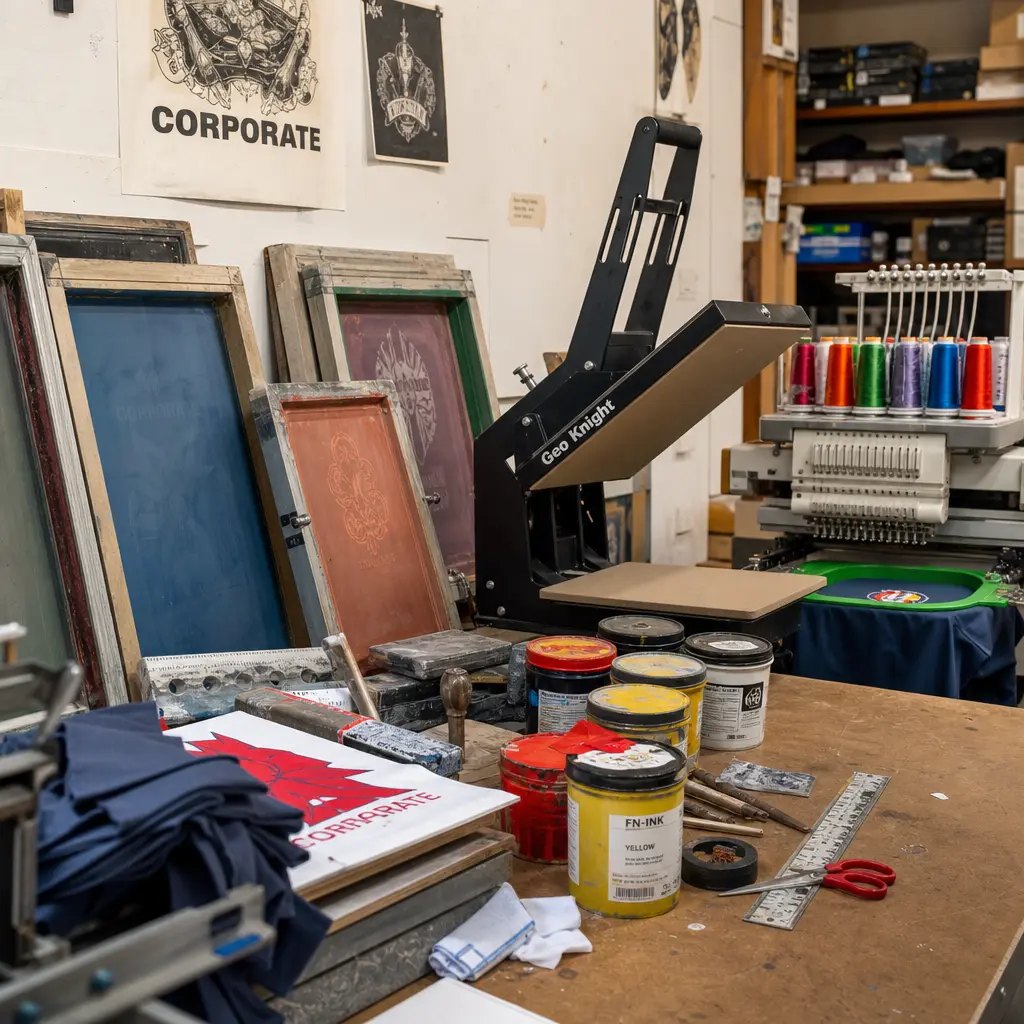
For simple store logos, event messaging, or private-label grocery branding, screen printing is usually the first method to price. It works well for one to three solid colors, especially on laminated or tighter-weave jute. On unlaminated coarse jute, however, buyers should expect some pinholes and less crisp edges. That is not always a defect; it may simply be the normal result of printing onto a textured natural surface. The proofing job is to define what level of irregularity is acceptable before bulk starts.
Heat transfer or laminated-panel transfer methods can produce sharper image detail, but they are not a universal upgrade. They may increase unit cost, can create a different handfeel, and may not suit every natural grocer brand that wants a low-sheen, earthy presentation. If the logo includes fine reverse text, thin line art, or light colors that must sit cleanly on a dark natural background, a smoother laminated face or a sewn-on printed cotton panel may be worth quoting as an alternative. The key is to compare print methods against the actual brand requirement, not against a generic 'best print' claim.
- Screen print suits bold logos and larger text
- Fine lines need thickness rules on the artwork approval
- Laminated faces usually hold cleaner prints than unlaminated jute
- Approve on actual material if brand colors are sensitive
Build artwork rules that a factory can execute without guessing
Many print disputes start because the buyer supplies brand artwork but not production rules. A print proof for jute should include minimum line thickness, minimum positive and reverse text size, target print area, and seam clearance. As a practical example, many buyers avoid reverse text below about 6-7 pt equivalent on coarse jute and avoid line weights so thin that they disappear into the weave. The exact threshold depends on the material and method, which is why the factory should annotate the proof rather than simply return a centered logo image.
Placement rules matter just as much as artwork. A centered logo can still look off if the gusset fold pulls one side inward or if the top hem is uneven. Specify print location from physical reference points, such as distance from finished top edge and side seam, not from a flat pre-sewn panel only. If the bag has a front pocket, side label, or woven brand tab, these should be shown on the same approval file or sample because they alter visual balance.
- State minimum text size for both positive and reverse lettering
- Define line thickness suitable for jute weave
- Use seam-based placement dimensions, not only artwork centering
- Include all labels, pockets, and gusset folds in the visual approval
Use sample approvals that test the real production risk
A digital proof is necessary, but it is not enough for custom jute tote bags. The best sequence is digital layout approval first, then a physical pre-production sample made in the intended jute, with the intended print method, and with the intended handle and stitching. This sample should be reviewed both lying flat and standing with the gusset opened. Natural grocer buyers often focus on logo clarity under studio lighting, but warehouse and store conditions matter too. A bag that looks good flat on a desk may look skewed once filled with boxed goods or produce.
The sample review should also test issues that are easy to ignore in a visual approval: odor from lamination or ink, loose jute fiber shedding, print rubbing, and whether the handle stitch line causes front-panel puckering. If the program is seasonal, such as Earth Month promotions or store-opening campaigns, do not treat the first sample as a formality. One revision cycle is common; more than that should trigger a timeline reset in the PO because production cannot safely start while artwork and construction are still moving.
- Approve both flat and filled-bag appearance
- Test print rub with light friction on dark garments or tissue
- Smell-check laminated bags after being sealed in a polybag
- Record all sample comments on one master approval sheet
Understand MOQ logic so small artwork changes do not inflate cost
Jute tote quotes can look similar at first and then separate quickly once artwork versions, print colors, and packing splits are added. MOQ is rarely just one number. The supplier may have one minimum for the base bag size, another for each print colorway, and another for each carton mark or pack split. Natural grocer chains often need several regional logos, seasonal callouts, or store-department variants. If each version is treated as a separate order, setup cost and production complexity rise fast.
A better approach is to standardize the body construction and consolidate variations where possible. For example, keeping one bag size, one fabric, one handle color, and one packing format while changing only front-panel artwork usually protects pricing better than changing multiple variables at once. On the quote sheet, separate the base bag cost from print setup charges, sample charges, carton marking charges, and any packing labor for assortments. That structure lets procurement compare suppliers more accurately and shows where design choices are creating avoidable cost.
- Ask for MOQ by bag size, by color, and by artwork version
- Separate setup charges from unit price in the quote
- Consolidate body spec even if artwork varies by region
- Avoid mixed small splits unless retail allocation really requires them
Read the quote beyond unit price: where jute tote costs actually move
For print-proofed jute totes, the main cost drivers are usually fabric weight, lamination status, print method, number of print colors, handle material, reinforcement stitching, and packing density. Freight also matters because bulky grocery totes can cube out before they weigh out. A buyer comparing only ex-works unit price can choose the 'cheaper' quote and lose margin later through lower carton efficiency, extra inland handling, or preventable rework from poor proof control.
When reviewing quote data, ask the factory to state what is included: sample count, screen charges, artwork separation, export carton, polybagging, carton marks, and inspection support. If one supplier is quoting unlaminated jute with looser weave and another is quoting laminated jute with cleaner print face, those are not equivalent offers even if the dimensions match. Procurement should normalize the quote by listing the exact fabric, print, and packing assumptions next to the price.
- Fabric GSM changes both material cost and finished structure
- Lamination affects print quality, odor risk, and price
- Extra print colors add setup and registration time
- Carton count per bag changes freight cost materially on bulky totes
Set QC thresholds before bulk, especially for what is normal on natural jute
Quality control on jute needs practical thresholds. If the buyer expects photo-print smoothness on a coarse natural weave, almost any shipment can become a dispute. Instead, define measurable tolerances and visual standards before production. These usually include size tolerance, handle drop tolerance, print placement tolerance, acceptable shade variation of the base fabric, and what level of ink pinholing or edge roughness is acceptable on the selected print method. A retained approved sample should be part of the QC file.
Major defect definitions should be specific. Examples include unreadable small text, obvious skewed print, severe ink transfer, broken handle reinforcement, oil stains on visible panels, or seam opening beyond an agreed limit. Minor natural slubs in jute are usually not a defect if they are consistent with the approved sample. Natural grocer buyers should align merchandising expectations with realistic material behavior; that is how you avoid rejecting commercially acceptable goods while still enforcing brand standards.
- Tie QC to retained approved sample, not only artwork PDF
- Define print placement tolerance in millimeters
- Clarify acceptable natural shade and slub variation
- Separate cosmetic texture issues from real functional defects
Packing rules matter because print can be damaged after it is approved
A clean pre-shipment sample does not guarantee clean arrival if packing is loose. Jute surfaces can abrade neighboring prints, top hems can get crushed, and laminated interiors can trap odor if packed too soon after printing. Flat packing with aligned handle direction usually improves carton density and reduces random pressure points. For many grocery tote sizes, 25 to 50 pieces per inner bundle is easier for warehouse counting than one loose bulk carton, but the right format depends on your receiving process and whether each bag is individually polybagged.
Retail buyers should also think about carton dimensions, not only pieces per carton. Oversized cartons can reduce loading efficiency and increase damage from compression or rough handling. If the bags are for a launch with kitting or store-level allocation, outer carton marks should be approved early. It is common to focus heavily on front-panel art while forgetting carton label format, suffocation warning requirements for polybags, or whether handle straps need to be tucked to prevent snagging.
- Define pieces per carton and inner bundle quantity
- Set maximum carton gross weight for safer handling
- Require dry packing after adequate print curing time
- Approve carton marks if goods will route to multiple DCs or stores
Build a realistic timeline from proof to shipment
A workable schedule for custom jute totes usually includes several separate clocks: artwork preparation, digital proof approval, sample making, sample transit, revision if needed, bulk material booking, production, inspection, and shipment booking. A routine program may need 7-10 days for sample development and revision handling, then 25-35 days for bulk after final approval, but that range shifts in holiday congestion or when multiple print versions are involved. Buyers should treat artwork lock date as a real critical path item.
Schedule risk rises when the team approves design concept before construction detail. If the first physical sample reveals print distortion, incorrect handle feel, or poor ink coverage on the chosen jute, the issue is not just the sample; it can also push production booking and vessel planning. Put milestone ownership in writing. The supplier should state whether lead time runs from deposit, artwork approval, or pre-production sample sign-off. Those are not interchangeable dates.
- Separate sample lead time from bulk lead time on every quote
- Hold booking space only after print method and fabric are fixed
- Add buffer if using multiple artwork versions or carton splits
- Link shipment plan to final approved sample reference code
Specification comparison for buyers
| Spec decision | Recommended option | When it fits | Buyer risk to check |
|---|---|---|---|
| Base fabric weight | 13-15 oz equivalent jute, typically 270-320 GSM body fabric | Daily grocery carry bags that need structure without becoming too stiff | Some suppliers quote lighter jute under the same visual appearance; request GSM tolerance and finished bag weight range |
| Lamination choice | Thin PP lamination inside for cleaner print face and better moisture resistance | Natural grocers needing wipeable interiors or sharper front-panel printing | Lamination can change handfeel, recyclability claims, and ink adhesion; approve actual laminated sample, not only artwork |
| Print method | Screen print for bold 1-3 color logos on coarse jute; heat transfer only for photo-style art on laminated panels | Most store-brand promotional totes with simple graphics | Fine lines and small reverse text often fill in on jute texture; set minimum line thickness and text size on proof |
| Artwork placement | Front-center print with 20-25 mm clearance from seams and gusset folds | Standard retail bag where logo visibility matters more than all-over coverage | Art too close to seam distortion zones can look crooked after sewing; approve placement on a sewn sample |
| Handle material | Cotton webbing 25-30 mm width, stitched with box-X reinforcement | Natural grocers wanting softer hand contact than self-jute handles | Handle quote may omit webbing GSM or stitch count; request strap width, attachment length, and pull-test basis |
| MOQ structure | Use one body size and split colorways or print versions within a master PO where possible | Chains testing multiple departments or store regions while protecting unit cost | Low-volume artwork splits can trigger separate screen charges, carton inefficiency, and delayed approvals |
| Proof approval route | Digital layout plus physical pre-production sample with actual jute and actual print ink | Any bag where natural texture may affect brand appearance | PDF-only approval is weak evidence if print density, color hold, or seam interference become disputed later |
| Packing format | Flat pack 25-50 pcs per polybag, export carton with handle direction aligned | Importers balancing freight efficiency and warehouse counting speed | Loose random packing causes print rub, bent top edges, and slower receiving counts; define pack method in PO |
| Lead time plan | 7-10 days for sample revision, 25-35 days bulk after final approval | Routine custom jute programs outside peak holiday congestion | Lead time quoted from deposit date instead of artwork approval date can hide schedule risk; define start point clearly |
Buyer checklist before sampling
- State whether the bag is laminated or unlaminated; print behavior differs and artwork approval should match the final construction.
- List body fabric GSM target and tolerance, not only bag dimensions and handle length.
- Define print method by panel: screen print, heat transfer, or other; do not leave method open if brand appearance matters.
- Put minimum line thickness, minimum font size, and acceptable color variance into the approval record.
- Request a sewn pre-production sample using production jute, not substitute cotton canvas or paper proof.
- Approve artwork placement with seam clearances and gusset fold effect shown on a physical sample or folded photo set.
- Specify handle webbing width, color, attachment method, and reinforcement stitch pattern.
- Set carton quantity, inner packing, carton size limit, and carton gross weight target to match your warehouse handling rules.
- Confirm whether odor, loose fiber shedding, and print rub resistance are part of inspection criteria.
- Tie bulk production start to final sample approval date, not only deposit receipt.
Factory quote questions to send
- What exact jute fabric GSM and weave type are you quoting for the body and gusset?
- Is the bag laminated inside, outside, or unlaminated, and how does that affect the print method you recommend?
- What print method is included in the quote, and what artwork limits apply for fine lines, halftones, and small text?
- How many print colors, screen charges, and setup charges are included per design and per size?
- Can you provide a pre-production sample using the same jute lot, ink system, and handle material planned for bulk?
- What is your standard tolerance for bag size, handle drop, print placement, and color shade on natural jute?
- How do you pack the bags inside export cartons, and what carton dimensions and gross weight do you expect?
- What is the MOQ by size, by color, and by artwork version, and can multiple print versions run under one fabric booking?
- What lead time applies from artwork approval, from sample approval, and from deposit receipt?
- What defects would your QC team classify as major for jute print orders: misregistration, pinholes, skewed print, odor, oil marks, seam gaps?
Quality-control points to confirm
- Verify body fabric GSM against approved range and compare finished bag weight to retained sample.
- Measure bag width, height, gusset depth, and handle drop on packed and relaxed bags to catch sewing distortion.
- Check print placement from top edge and side seam on at least the first production cartons, not only final AQL.
- Review minimum text readability and line sharpness because jute texture can break up small artwork.
- Rub-test printed area on both dry and slightly humid conditions if bags may move through mixed-climate logistics.
- Inspect seam security at handle attachment points for skipped stitches, loose thread ends, and reinforcement consistency.
- Open random cartons to confirm flat packing orientation and to detect print offset, rubbing, or crushed top hems.
- Smell-test packed bags after 24 hours sealed in carton to detect lamination or ink odor issues before shipment.