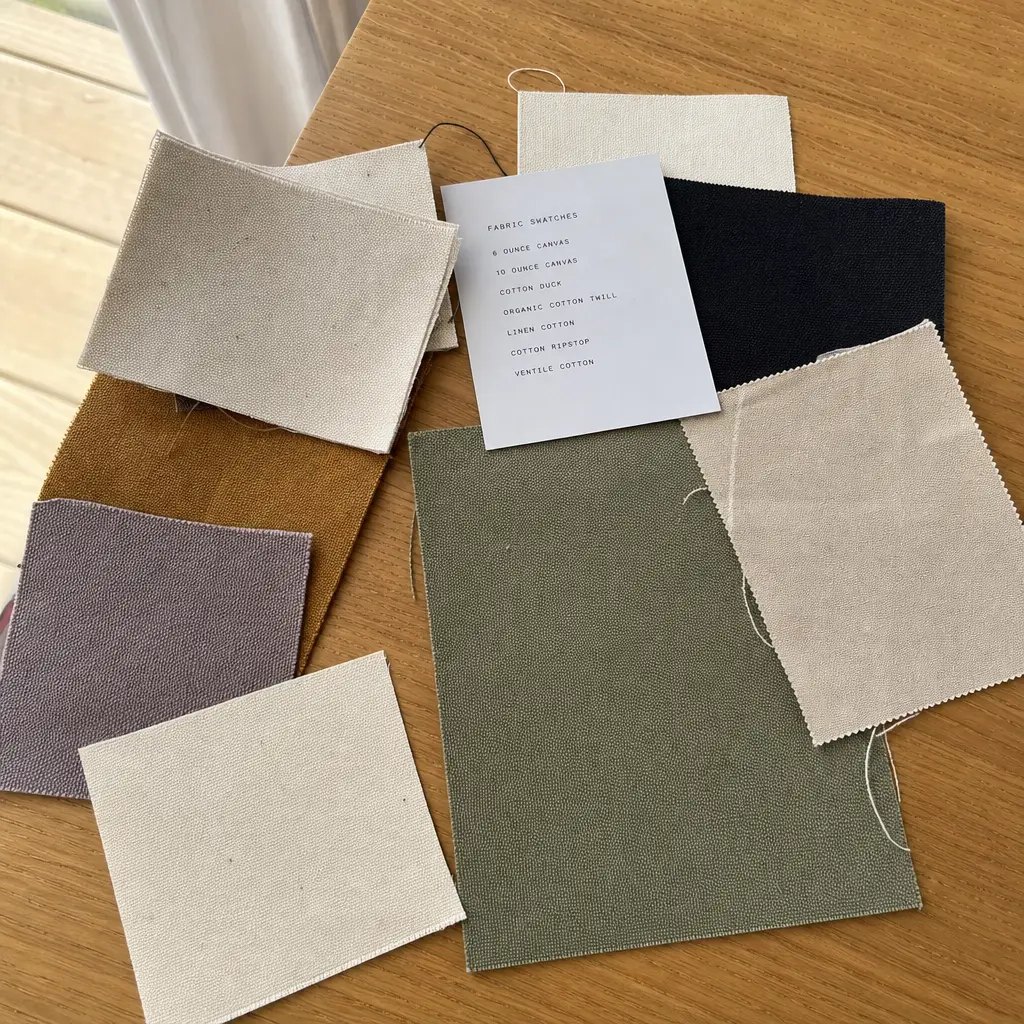
Why fabric weight is the key buying decision for liquor retail jute bags
For liquor retail, fabric weight is doing more than affecting how the bag feels in hand. It directly influences whether the bag can carry one bottle cleanly, stand up on shelf, survive checkout handling, and reach the customer without seam stress or a sagging base. Buyers often compare jute bags by size and print only, then discover later that the cheapest quote used a light body fabric that looked acceptable empty but performed poorly once loaded.
In this category, the usual failure point is not always the fabric tearing across the panel. More often it is a combination problem: body fabric too light for the gusset width, handle stitching too shallow, and no base board to spread bottle weight. That is why GSM should be specified together with bag format, handle construction, and bottle load. A single 750 ml bottle gift tote can tolerate a lighter build than a two-bottle carrier for Scotch or wine gift packs.
- Use GSM as a performance spec, not a decorative spec
- Tie fabric weight to bottle count, bottle shape, and expected reuse
- Do not compare quotes unless handle and base construction are also aligned
- A low-GSM bag can still look premium on the sample table and fail in stores
Practical GSM ranges for one-bottle, two-bottle, and premium gift formats
For most custom jute liquor totes, 270-320 GSM laminated jute is the workable range for one standard 750 ml bottle when the bag is narrow, the carry distance is short, and the bag is more promotional than long-term reusable. This range gives enough body for decent shape retention while keeping cost and carton density under control. If the bottle is tall and heavy, or if the bag includes a wider gusset with a structured look, moving toward the top of that range is safer.
For two bottles, larger spirit bottles, or premium store programs where the bag is expected to be reused, 320-380 GSM is usually the stronger starting point. Once the bag width and gusset increase, panel tension changes quickly. A heavier fabric with a supported base keeps the bag from bowing outward and improves print appearance on the shelf. Going heavier than necessary, however, can reduce packing efficiency and raise freight cost without adding meaningful retail value.
- 1 bottle standard gift tote: typically 270-320 GSM
- 2 bottle or premium spirit tote: typically 320-380 GSM
- Wide gussets need more support even if bottle weight seems moderate
- Add base board reinforcement before jumping to extra-heavy fabric
- Request supplier recommendation by bottle load, not only by bag dimensions
Laminated versus unlaminated jute for liquor store use
Most liquor retailers are better served by laminated jute than by raw unlaminated jute. The lamination gives the bag more structure, reduces fiber shedding, improves print definition, and adds some resistance against condensation from cold bottles. It also helps the bag hold its shape at checkout counters and gift stations. For buyers focused on presentation and retail cleanliness, laminated construction usually creates fewer complaints.
Unlaminated jute can still fit rustic or eco-forward merchandising, but it requires tighter expectation setting. The surface is rougher, print edges are less clean, loose fibers are more visible, and moisture uptake is higher during shipping and storage. If the brand wants a natural raw look, the RFQ should state that weave irregularity and color variation are expected within an approved standard. Without that, disputes over appearance become common during final inspection.
- Laminated jute prints cleaner and feels more structured
- Unlaminated jute has a more natural look but higher appearance variation
- Lamination should be reviewed for odor, peeling, and surface smoothness
- Cold bottle condensation makes laminated interiors more practical in retail
How fabric weight affects print method and logo clarity
Liquor retail bags often carry a store logo, seasonal campaign mark, or winery and distillery co-branding. On jute, print quality depends not only on the artwork but also on weave texture and how stable the panel is under the print process. Heavier or laminated jute generally produces a flatter surface and better ink laydown for bold logos. That matters if the bag will sit in a visible impulse-buy area where crooked or broken print immediately reads as low grade.
Screen print is usually the most cost-effective method for simple one-color or two-color logos. It works well for bold block lettering and icon marks. If artwork includes finer detail, gradients, or label-style imagery, heat transfer on a laminated panel may be the better route, but this should be tested for adhesion and abrasion. Buyers should not approve artwork digitally only. A physical print sample on the actual jute quality is much more useful than a paper proof.
- Screen print suits bold logos and simple layouts
- Heat transfer can handle detail but needs adhesion testing on laminate
- Fine lines can break up on coarse unlaminated weave
- Specify print position tolerance, especially on narrow bottle bags
- Include print area dimensions in the RFQ, not only artwork file delivery
The real cost drivers behind jute bag quotes
Fabric weight affects cost, but it is not the only meaningful cost driver. Buyers often over-focus on GSM and miss the price impact of lamination, handle material, reinforcement stitching, base board, printing setup, and packing method. In many projects, upgrading from a basic self-jute handle to cotton webbing with reinforced box stitching changes usability more than a small GSM increase, yet that handle upgrade may add more to the quote than expected.
The cleanest way to compare supplier pricing is to break the quote into components. This helps procurement teams see whether one supplier is cheap because the body fabric is light, because the carton pack is compressed, or because the quote excludes a printed sample and inspection support. For seasonal gift programs, a slightly higher ex-factory price can still be the better buy if the bag packs better, reduces breakage risk, and needs fewer rework discussions.
- Main cost drivers: GSM, lamination, handle type, base support, print colors, packing
- A heavier bag can increase ocean freight through lower carton density
- Small custom runs often carry higher setup cost per piece
- Quote comparison works best when each supplier prices the same construction line by line
- A low quote may exclude sample stages, export carton upgrades, or QC support
MOQ logic: how to structure a liquor bag program without paying for fragmented small runs
MOQ on jute bags is rarely just one number. Factories may have separate minimums for fabric color, bag size, print artwork, and handle material. A buyer launching multiple bottle-bag formats can control cost by standardizing body fabric and handle color across the program, then varying only dimensions or print. That lets the factory buy and cut one common material lot while still giving the retailer a useful assortment.
Another practical tactic is to separate launch requirements from replenishment requirements. If the first order needs three sizes and two graphics, the factory may quote a higher blended cost due to setup fragmentation. If likely repeat sizes are identified early, buyers can negotiate the first run around a shared base construction. This is usually more effective than pushing only for a lower MOQ, because very low MOQ often comes back as a higher unit cost and more approval delays.
- Standardize body color and handle material to reduce MOQ pressure
- Group sizes under one fabric purchase where possible
- Expect separate minimums for print color changes or special trims
- Launching too many SKUs in one run often increases sample and setup cost
- Replenishment planning can improve first-order pricing if shared early
Sample approval that actually predicts bulk production performance
A good jute bag sample should do more than show dimensions and logo placement. For liquor retail, the sample needs to prove bottle fit, carry comfort, panel stiffness, print appearance, and base stability. Buyers should load the approved sample with actual bottle weight, including the heaviest SKU expected in stores. A bag that carries a standard wine bottle may still deform when loaded with a taller, heavier spirit bottle with a thick glass base.
The most useful approval path is usually staged. Start with a construction sample to confirm size and shape, then a printed pre-production sample on the actual fabric and handle combination, then a practical load test. If the bag includes lamination or transfer printing, the sample should also be reviewed after short storage to see whether odor, surface tackiness, or print lifting appears. These issues are easier to catch before bulk material is cut.
- Use actual bottle dimensions and weight during sample approval
- Review whether the bag stands upright when loaded
- Check handle drop length against in-store carrying comfort
- Test print adhesion, especially on laminated surfaces
- Approve a pre-production sample from bulk-like materials, not only a development mock sample
Quality thresholds that reduce retail complaints and rework
In final inspection, appearance and load performance both matter. Jute naturally has more variation than canvas, so procurement teams should define what variation is acceptable instead of expecting a uniform paper-like surface. Reasonable standards usually include no open seams, no skipped stitches at handle joins, no major print smudging, no severe panel skew, and no strong lamination odor. If this is not written into the buying standard, inspections become subjective and difficult to enforce.
For liquor retail programs, one overlooked QC point is finished symmetry. A narrow bottle bag that leans or twists looks worse than a wider grocery tote because the vertical form exaggerates misalignment. Another common issue is compressed creasing from over-tight packing, which can crack print or leave side panels permanently distorted. The factory should inspect not only piece quality but also the effect of bulk packing on presentation at store receipt.
- Set tolerance for size, print placement, and handle drop
- Reject open seams, skipped stitches, severe panel skew, and sharp odor
- Allow natural jute shade variation only within an approved visual standard
- Inspect packed cartons for crush impact on shape retention
- Include practical carry testing in final QC for selected samples
Packing and carton planning: where freight, storage, and presentation connect
Packing is not a back-office detail on jute liquor bags. It changes freight cost, warehouse handling, and how quickly stores can deploy the product. Flat packing is common and economical, but if panels are forced too tightly into cartons, the bags may arrive with hard creases or warped gussets. For premium gift programs, slightly lower carton density can be worth the extra volume if it protects presentation and reduces steaming or reshaping work after receipt.
Buyers should also consider moisture exposure. Jute can pick up humidity during ocean transport and warehouse storage, affecting feel and smell. Inner carton liners or simple moisture-barrier packing can help on longer routes or monsoon-season shipments. Carton gross weight should stay manageable for warehouse teams, especially if the bags are shipping to multiple retail DCs where manual handling practices differ.
- Specify pieces per carton and maximum carton gross weight
- Use moisture protection for long ocean transit or humid storage
- Avoid over-compression that distorts gussets and print faces
- Request carton dimensions to estimate pallet and container efficiency
- Premium launch programs may justify lower pack density for better presentation
Lead time risks and how to protect a seasonal liquor retail launch
Liquor retail promotions often center around holidays, gifting periods, and limited brand events. That makes schedule risk as important as unit cost. Jute bag lead time is influenced by fabric readiness, color matching, sample approval cycles, print setup, and booking space during peak export periods. If the buyer waits to finalize dimensions until artwork is ready, the project usually loses time twice: once in sampling and again in bulk approval corrections.
A practical schedule should separate critical path items from optional refinements. Lock the bag size, GSM range, handle style, and print method early, then refine smaller artwork or packing label details in parallel. Buyers also need to build room for one real sample correction. Planning for a perfect first sample is not realistic in custom bag production. A quote that looks faster than competitors should be reviewed carefully to see whether sampling and approval time were fully included.
- Lock structure specs before final promotional artwork if timing is tight
- Build at least one sample correction round into the calendar
- Peak season can extend both material and vessel booking timelines
- Lead time should state sample stage and bulk stage separately
- Do not count from PO date only; count from final approval date
Specification comparison for buyers
| Spec decision | Recommended option | When it fits | Buyer risk to check |
|---|---|---|---|
| Fabric weight for 1 standard 750 ml bottle | 270-320 GSM laminated jute | Single-bottle gift bag with short carry distance and limited reuse | Below 270 GSM can collapse at the base or distort after repeated lifting |
| Fabric weight for 2 bottles or heavier spirits | 320-380 GSM laminated jute with base board | Two-bottle retail carry, premium spirits, or wider gusset formats | If base reinforcement is omitted, seam strain rises even when GSM looks acceptable |
| Fabric construction | Laminated jute with inner PP lamination | Cleaner print surface, better resistance to bottle condensation, easier wipe-down | Lamination quality varies; bubbling, odor, or delamination can trigger retail complaints |
| Handle material | Cotton webbing or padded rope handle stitched into side seams | Retail giveaway, bottle gifting, and medium-weight carry loads | Jute self-handles often cut into the hand and can tear earlier at stitch points |
| Handle attachment method | Cross-stitch reinforcement plus seam lock stitching | Programs expecting repeat store use or heavier bottle sets | Short stitch length without bartack or box reinforcement can fail before fabric does |
| Print method | Screen print for bold logos; heat transfer only for detailed artwork on laminated panel | Screen print suits simple retail branding; transfer suits photo-like label art | Fine-line artwork can bleed on coarse weave; transfer adhesion must be tested on laminate |
| Bag shape | Structured gusseted tote with full base panel | Standing display near checkout or gift wrap station | Flat bags save cost but tip over easily and look weak with bottle loads |
| MOQ strategy | Use one body fabric and color across 2-3 sizes to consolidate MOQ | Multi-store or regional rollouts needing several bottle formats | Separate colors and sizes can push small runs into expensive sampling and print setup charges |
| Packing format | Flat packed in export cartons with handle folding and moisture barrier liner | Ocean shipments and warehouse storage before seasonal retail launch | Loose packing can crush printed panels and moisture pickup can change bag appearance |
Buyer checklist before sampling
- Match GSM to bottle count and carry weight, not only to visual appearance
- Specify whether the jute must be laminated and whether inner lamination odor is restricted
- State exact finished size, gusset width, and whether a base board is required
- Define handle material, width, finished drop length, and reinforcement stitch pattern
- Choose print method based on artwork detail and jute surface texture
- Request a pre-production sample loaded with actual bottle weight for carry testing
- Set acceptable tolerances for size, print position, color shade, and loose fiber appearance
- Confirm carton pack quantity, polybag use, moisture protection, and carton weight limit
- Align MOQ by grouping sizes or artwork versions where possible
- Build lead time around sample approval, raw jute readiness, and seasonal retail launch dates
Factory quote questions to send
- What GSM do you recommend for one-bottle, two-bottle, and premium spirit bag formats, and what load test supports that recommendation?
- Is the quoted material natural jute, laminated jute, or jute blended with another backing, and what is the actual composition?
- Does the quote include a base board or bottom reinforcement, and what thickness and material is used?
- What handle options are available in the quoted price: cotton webbing, rope, self-jute handle, or padded grip?
- What print method is included, how many colors, and what print tolerance can you hold on coarse jute weave?
- What is the MOQ by size, color, and artwork, and can different sizes share one bulk fabric purchase?
- What sample stages are chargeable: blank sample, printed sample, pre-production sample, and load-test sample?
- What are the estimated lead times for sampling, bulk production, and peak-season booking?
- How are bags packed per carton, what carton dimensions apply, and what is the approximate GW per carton?
- What in-line and final inspections are standard for seam strength, handle attachment, odor, and print adhesion?
Quality-control points to confirm
- Fabric weight should be verified against approved spec with reasonable production tolerance and recorded by lot
- Finished size, gusset depth, and handle drop should match approved sample within stated tolerance
- Base seam and side seam stitching should show no skipped stitches, unraveling, or open seam under bottle load
- Handle attachment should pass practical lift testing using intended bottle count and weight
- Lamination should lie flat without bubbling, peeling, sharp odor, or visible contamination
- Print color, registration, and position should match approved artwork standard within agreed tolerance
- Inner cleanliness matters for gift use; no excess loose fibers, oil marks, or metal contamination
- Cartons should be dry, correctly labeled, and packed to prevent panel creasing and handle deformation