Start With The Load Case, Not The Logo
For custom cotton drawstring backpacks, durability testing starts with how the bag will actually be used. A tech startup may order the same style for a developer conference, new employee onboarding kit, investor event, beta tester gift, or retail merchandise bundle. Each use case creates a different load case. A one-day event bag carrying a brochure and T-shirt does not need the same reinforcement as a backpack holding a hoodie, charger, notebook, bottle, and small device accessories.
The most common sourcing mistake is sending an RFQ that says “cotton drawstring backpack with logo” and then comparing unit prices without defining load. Factories will quote different fabric, seam, cord, and reinforcement assumptions. The cheapest quote may be technically honest but unsuitable for repeat use. Before asking for price, write a target load and expected use frequency into the RFQ so suppliers quote the same product.
- For light event use, define a working load around 2-3 kg and avoid oversized panels that sag.
- For onboarding kits, define a working load around 4-5 kg and require reinforced cord exits.
- For retail-style resale or premium gifting, consider 10 oz canvas, thicker cord, cleaner seam finishing, and stricter print checks.
- If the backpack will hold electronics accessories, avoid weak bottom corners and rough internal seams that can catch on packaging.
Choose Fabric Weight With A Testable Standard
Cotton drawstring backpacks are often quoted using loose terms such as “natural cotton,” “canvas,” “calico,” or “heavy cotton.” These descriptions are not enough for procurement. A 160 GSM cotton bag and a 320 GSM cotton canvas backpack can both be called cotton, but they behave very differently under load. The buyer should define fabric by construction and weight: for example, 10 oz cotton canvas, 12 oz cotton canvas, or 280-320 GSM cotton twill.
Fabric weight affects unit cost, print appearance, packing volume, freight weight, and perceived value. Heavier cotton improves body stability and durability, but it also increases carton size and may raise air freight cost. For startup teams trying to balance brand quality and budget, 280-320 GSM is often a practical middle range for repeat-use promotional backpacks. Very heavy canvas can be useful for premium retail merchandise, but it may feel stiff when cinched with drawcords.
- Request the GSM or ounce weight after finishing, not only the greige fabric weight before washing or dyeing.
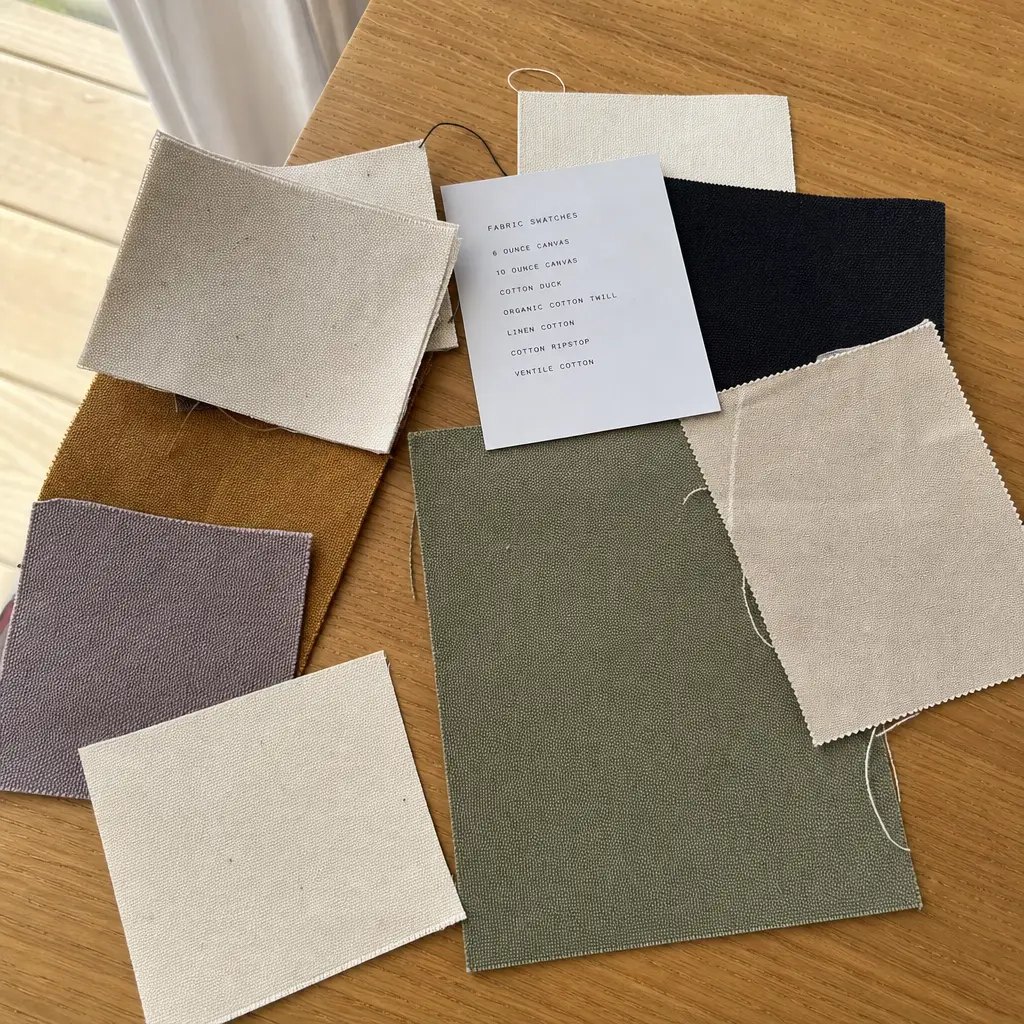
- Keep a physical approved fabric swatch with the signed sample to control repeat orders.
- For natural cotton, accept a reasonable shade range because unbleached cotton varies by batch.
- For dyed cotton, confirm whether the quoted price includes custom dyeing MOQ or uses available stock fabric.
Reinforcement Decides Real Backpack Life
The weak point of most cotton drawstring backpacks is not the front panel; it is the cord exit at the lower corners. When the user carries weight, the cord pulls diagonally through the side or bottom seam. If the corner is only folded once and stitched through a single fabric layer, the bag may look fine at packing but tear after repeated use. Reinforcement should be described in the spec, not left to factory habit.
A practical construction is a folded bottom corner with an internal patch and bartack where the cord exits. Metal eyelets can look clean, but they are not automatically stronger; poor eyelet setting can cut the fabric. For cotton backpacks, a reinforced fabric channel with correct seam bite is often more reliable than a decorative eyelet. The RFQ should ask the supplier to describe the exact reinforcement method and provide a close-up sample photo before production.
- Use bartack stitching at high-tension cord points when the backpack is intended for repeat use.
- Avoid raw fabric edges around cord exits because friction can start fraying during the first week of use.
- Check that cord movement is smooth and does not saw against a sharp eyelet edge.
- For retail buyers, include reinforcement close-ups in the technical file so inspectors can compare bulk goods.
Cord Quality Is A Durability And Comfort Issue
Drawcords are both the closure and the shoulder strap, so they carry more responsibility than buyers sometimes allow in the budget. Thin cords reduce cost, but they dig into the shoulder and concentrate stress at the corner. Cotton cord matches the natural bag story and feels soft, while polyester cord can offer higher abrasion resistance and cleaner color consistency. The choice should be made by use case rather than appearance alone.
Cord diameter should be written into the RFQ. A 6-8 mm braided cord is generally more comfortable and durable than a very thin cord for backpacks expected to carry multiple items. Cord length should also be controlled because long cords create uneven hanging and short cords make the opening difficult to close. If the factory cuts cords manually without a gauge, length variation becomes visible in carton inspection.
- Specify cord material, diameter, color, length, end treatment, and whether knots or sewn ends are required.
- For cotton cord, test for linting and color transfer if dyed dark colors are used on light fabric.
- For polyester cord, confirm whether the ends are heat sealed cleanly without hard sharp tips.
- Measure cord length on the sample and again during inline inspection, not only at final inspection.
Print Method Should Match Fabric And Handling
Most tech startup logos are suitable for screen printing because they use flat colors and need a clean, durable mark. Screen print is cost-efficient for repeat orders once screens are made, and it works well on cotton canvas when the artwork is not too fine. Heat transfer can handle gradients, small details, or multi-color artwork, but it introduces film feel and requires careful heat control. Embroidery is possible but usually increases cost and can pucker lighter cotton panels.
Durability testing for print is about curing, adhesion, and packing behavior. A large print on cotton canvas can feel slightly stiff, and if packed before proper curing, printed panels may block together or mark each other. Buyers should not approve only by looking at a fresh sample photo. Fold the printed panel, rub it with a dry white cloth, scratch lightly with a fingernail, and check whether the surface cracks, flakes, or transfers.
- Use screen print for one to three solid logo colors where brand color control matters.
- Use heat transfer only when artwork detail requires it, and test edge lifting after bending.
- For natural cotton, approve ink opacity because the fabric color can dull bright logo colors.
- Add tissue or interleaving if large printed panels face each other inside export cartons.
Build A Sample Approval That Catches Bulk Problems
A photo sample is not a durability sample. For cotton drawstring backpacks, the pre-production sample should be made with the intended bulk fabric, cord, print method, and reinforcement. If the factory uses sample-room substitute fabric because bulk fabric has not arrived, the sample can still help check size and artwork, but it should not be treated as final durability approval. Procurement teams should label the approval status clearly: fit sample, print sample, or pre-production sample.
The sample should be handled like a mini inspection. Measure the finished size, weigh the fabric if possible, pull the cords, load the backpack, check print resistance, and review carton folding method. Keep one signed sample with the buyer or local office and one sealed reference sample at the factory. This prevents disputes when bulk goods vary from a screenshot or edited sample photo.
- Load the sample with 4-6 kg for 24 hours if the backpack is intended for onboarding kits or daily carry.
- Perform at least 50 firm pull cycles on each cord side to reveal weak corner stitching.
- Check seam slippage by pulling both panels apart near the side seam and bottom corner.
- Record sample approval with date, fabric swatch, logo artwork version, and packing method.
Set Clear QC Thresholds Before Production
Durability defects need different treatment from cosmetic defects. A small natural cotton speck may be acceptable within an agreed range, but a skipped bartack at the cord exit is a functional failure. The purchase order should define critical, major, and minor defects so the factory and inspector judge the shipment consistently. This is especially important for distributors and retail buyers who may receive complaints after the goods have already been delivered to end users.
A practical inspection plan can use standard AQL levels, but the key is defect definition. Critical defects include broken needles, contamination, unsafe sharp eyelets, or severe mold. Major defects include open seams, missing reinforcement, wrong fabric weight, serious print peeling, wrong logo position, or cord length outside tolerance. Minor defects include loose thread ends, slight shade variation within approval range, or small cotton slubs that do not affect function.
- Set finished size tolerance before cutting, commonly plus or minus 0.5-1 cm depending on bag size.
- Define logo position tolerance from bag centerline and top edge, not by visual judgment only.
- Require no missing bartacks, no open seams, and no cord breakage during reasonable manual pull testing.
- Separate natural fabric character from true defects so inspectors do not reject normal cotton texture.
Understand MOQ Logic And Cost Drivers
MOQ for custom cotton drawstring backpacks is usually driven by fabric availability, cutting efficiency, print setup, and accessory sourcing. If natural cotton fabric and standard cord colors are in stock, a factory may support a lower pilot quantity. If the order needs custom dyed fabric, custom cord color, woven labels, or multi-color printing, MOQ increases because materials and setup must be purchased in economical lots.
Unit price is not only fabric plus sewing. Buyers should compare quotes by cost drivers: GSM, fabric width and wastage, print size and color count, reinforcement labor, cord quality, packing style, carton strength, inspection support, and lead time pressure. A cheaper quote may remove reinforcement, use lighter fabric, reduce print opacity, or pack too many pieces per carton. The quote should make these assumptions visible.
- Ask for price breaks at 500, 1,000, 3,000, and 5,000 pcs if demand is uncertain.
- Separate setup fees for screens, artwork handling, lab dips, woven labels, and sample freight.
- Do not compare a 180 GSM quote against a 320 GSM quote as if they are the same backpack.
- If launch timing is tight, confirm whether fabric is in stock before accepting the lowest price.
Packing Must Protect Print And Shape
Cotton drawstring backpacks are usually flat packed, but packing details still matter. Over-compression creates hard creases, cord marks, and distorted printed areas. Natural cotton can also absorb moisture if cartons sit in a humid warehouse or container. For tech startup orders shipped to event venues, distributor warehouses, or fulfillment centers, carton labeling and packing consistency reduce receiving problems as much as they protect the product.
A good packing plan states the folding method, pieces per polybag if any, pieces per inner bundle, export carton quantity, carton dimensions, gross weight, and carton markings. Some buyers avoid individual polybags for sustainability reasons; in that case, the factory can use paper bands or bulk packing with tissue protection for printed surfaces. The choice affects labor, carton volume, and product cleanliness on arrival.
- Use tissue between large printed panels if ink surface is heavy or the logo covers a wide area.
- Avoid packing before print is fully cured, especially for screen print on thick cotton canvas.
- Keep carton gross weight practical for warehouse handling and avoid bulging cartons.
- Include moisture control for sea shipments, especially during humid seasons or long storage.
Control Lead Time Risks Before Launch Dates
Tech startup orders often connect to immovable dates: product launches, recruiting fairs, trade shows, investor days, or user conferences. The danger is that buyers approve artwork late and expect the factory to absorb the schedule risk. Cotton fabric sourcing, dyeing, print screen making, sample approval, curing, sewing, inspection, packing, and freight booking all need time. A realistic schedule prevents rushed production and quality shortcuts.
Lead time should be counted from final artwork approval, confirmed sample approval, deposit, and material readiness, not from the first email. If a quote says production takes 20 days, clarify whether that includes fabric procurement, sample revision, and print curing. For urgent programs, use stock natural cotton and standard cord colors rather than custom dyed materials. If the backpacks must arrive before an event, leave time for inspection and possible rework.
- Reserve extra time for custom dyed fabric, lab dip approval, and non-standard cord colors.
- Do not book final freight based on estimated carton size before packing method is confirmed.
- Schedule inline inspection before all goods are packed so seam or print issues can still be corrected.
- For event delivery, build a buffer between factory ship date and venue receiving deadline.
Specification comparison for buyers
| Spec decision | Recommended option | When it fits | Buyer risk to check |
|---|---|---|---|
| Body fabric weight | 10 oz cotton canvas or 280-320 GSM cotton twill | Laptop accessories, event kits, employee onboarding packs, and repeated campus or office use | Too-light 140-180 GSM cotton may look acceptable in photos but can deform at cord stress points after loading |
| Cord construction | 6-8 mm braided cotton cord or recycled polyester cord with heat-sealed ends | Orders where users carry chargers, bottles, swag, notebooks, and sample devices | Thin cord cuts into shoulder, frays faster, and may pull through eyelets if the channel opening is not reinforced |
| Bottom corner reinforcement | Bartack at cord exit plus folded internal fabric patch | Backpacks used beyond one-day event giveaways | A neat outside stitch line is not enough if the cord is pulling against a single fabric layer |
| Print method | Screen print for solid logos; heat transfer only for gradient or small multi-color artwork | Tech startup logos with one to three flat colors and predictable brand control | Large plastisol print can stiffen the cotton panel and crack if folded into tight cartons before full curing |
| Seam construction | Double-needle side seam or overlock plus lockstitch top reinforcement | Bulk orders needing consistent shape and acceptable load performance | Single overlock seam may pass a visual inspection but fail after abrasion or repeated tugging |
| Sample testing level | Pre-production sample loaded to 4-6 kg for 24 hours plus 50 pull cycles per cord side | Startup buyers approving a new supplier, new fabric, or first retail-ready run | A beautiful photo sample does not prove the production line will keep cord length, seam bite, and print curing consistent |
| Packing format | Flat pack with tissue between printed panels; 50-100 pcs per export carton depending on GSM | Natural cotton backpacks shipped by sea or air with front logo protection | Over-compressed cartons cause print blocking, creases, cord marks, and carton bulging that increases freight disputes |
| MOQ and order split | 500-1,000 pcs per color for efficient cutting and printing; smaller pilot only if fabric is in stock | Tech startup launch kits, trade show runs, beta user gifts, and distributor samples | Very low MOQ quotes may use substitute fabric, manual cutting, or less stable print setup, creating repeat-order color variation |
Buyer checklist before sampling
- Define the real load target: event giveaway only, office onboarding pack, or retail-style daily use.
- State fabric type and weight in GSM or ounce, not only “cotton canvas” or “heavy cotton.”
- Specify finished size, acceptable tolerance, cord length, cord diameter, and bottom corner reinforcement.
- Require a pre-production sample made with bulk fabric, bulk cord, and the final logo print method.
- Set practical durability tests: static load, cord pull, seam slippage, abrasion points, wash or rub test if relevant.
- Approve print curing only after checking scratch resistance, fold resistance, and color match under normal daylight.
- Confirm carton packing method, pieces per carton, carton dimensions, gross weight, and anti-moisture protection.
- Request a quote that separates fabric, printing, accessories, packing, sample charge, tooling, and freight assumptions.
- Keep one signed approval sample and one sealed production reference sample before mass production starts.
- Put AQL level, defect definitions, and rework rules into the purchase order rather than discussing them after shipment.
Factory quote questions to send
- What exact fabric construction and weight will be used for the body, and is the quoted fabric already available in stock?
- What finished bag size, seam allowance, and size tolerance are included in the quote?
- Which cord material, diameter, color, end treatment, and cord length are included?
- How is the bottom cord exit reinforced: bartack, metal eyelet, fabric patch, or only folded seam?
- Which print method is quoted, how many colors are included, and what is the maximum print area without price change?
- Will the sample be made with bulk fabric and bulk print process, or with substitute sample-room materials?
- What durability tests can be performed before shipment, and can photos or a short test report be provided?
- What packing method, carton quantity, carton size, gross weight, and moisture control are included?
- What is the MOQ per design and per fabric color, and how does price change at 500, 1,000, 3,000, and 5,000 pcs?
- What is the production lead time after artwork approval and deposit, and what schedule risk exists for dyed fabric, cord color, or print curing?
Quality-control points to confirm
- Fabric weight tolerance should be controlled against the approved swatch, commonly within about plus or minus 5% unless a tighter tolerance is agreed.
- Finished size tolerance should normally be written as plus or minus 0.5 cm to 1 cm depending on bag size and fabric behavior.
- Cord pull points should show no seam burst, skipped bartack, or tearing after repeated manual pull cycles and static loading.
- Side seams should have consistent seam bite, no open seams, no loose thread nests, and no sharp cord abrasion against raw fabric edge.
- Print should pass dry rub, light scratch, and fold checks before packing, especially for large white or high-opacity logos.
- Natural cotton color variation should be judged against an approved shade range, not against a single edited product photo.
- Cartons should be dry, square, correctly labeled, and not overfilled; carton bulging should be treated as a packing defect.
- Bulk inspection should separate critical, major, and minor defects so cosmetic issues are not confused with load-bearing failures.