Start With the Use Case, Not the MOQ
MOQ for custom canvas zipper portfolios is rarely one clean number. It grows out of the fabric roll, zipper sourcing, print setup, cutting yield, sewing time, packing labor, inspection risk, and how many versions the campaign needs. A nonprofit buyer may be planning a donor drive, school outreach program, chapter launch, volunteer onboarding pack, member welcome kit, or conference handout. The factory still has to buy materials, prepare the line, manage rejects, and pack cartons correctly.
The fastest way to get unclear quotes is to ask for the lowest MOQ before defining the portfolio. A flat US-letter zipper pouch with one-color print and one interior pocket is a different job from a lined organizer with a gusset, pen loop, multiple dividers, custom puller, retail sleeve, and five sponsor logos. Both may be called canvas zipper portfolios in an email. They will not carry the same material minimums, labor minutes, defect risks, or lead times.
A strong RFQ gives the supplier enough information to quote honestly: finished size, contents, canvas weight, fabric color, zipper detail, pocket layout, artwork file, print size, packing method, quantity tiers, delivery deadline, Incoterm, and destination split. If something is flexible, say so. For example, a buyer might fix the logo placement and delivery date but allow the factory to recommend the closest stock zipper tape color.
Separate non-negotiables from preferences before the quote goes out. Campaign name, logo rules, finished use, donor-facing appearance, and delivery date may be fixed. Zipper tape shade, puller style, exact natural canvas tone, inner pocket width, or packing material may have room. That distinction gives the supplier real options for lowering MOQ without quietly downgrading the product.
- Fix the essentials: finished size, document fit, logo placement, campaign color rules, delivery date, destination split, and acceptable quality level.
- Keep practical items flexible when possible: natural versus bleached canvas, standard zipper tape color, plain puller, one pocket versus two pockets, and bulk versus individual packing.
- Reduce MOQ pressure with stocked canvas, standard zipper colors, one shared size, one base construction, and simple flat packing.
- Expect MOQ pressure to rise when chapters, sponsors, destinations, or donor tiers need separate artwork, fabric color, pocket layout, labels, or packing rules.
- Ask for a target quantity plus backup tiers so the supplier can show where price and MOQ change instead of guessing at the lowest possible number.
Specify Canvas Weight, Finish, and Color Clearly
Canvas is one of the first places quotes drift apart. A supplier offering 8 oz cotton canvas is not quoting the same portfolio as a supplier using 12 oz canvas, even if both proposals look similar at the headline level. Fabric weight affects hand feel, stiffness, print result, sewing difficulty, packed weight, freight cost, and the recipient’s perception of value. For nonprofit document portfolios, 10 oz to 12 oz canvas is usually the most practical starting range.
Ask for both ounce weight and approximate GSM. As a buying reference, 10 oz canvas is often around 320-340 GSM, while 12 oz canvas is often around 390-410 GSM. These are not universal conversions. Weave density, finishing, washing, coating, and moisture content can all shift the number. The purchase specification should name the target weight and require approval of the fabric hand before bulk cutting.
For donor-facing or member-welcome portfolios, 12 oz canvas usually feels more substantial and holds its shape better. For budget event giveaways, direct-mail inserts, or short-term volunteer document pouches, 10 oz may be acceptable after a physical sample review. Heavier 14-16 oz canvas can look premium, but it adds corner bulk, needle resistance, carton weight, freight cost, and potential MOQ pressure because not every factory keeps it in regular production.
Color has its own MOQ consequences. Natural unbleached canvas is often easier to source because it is common in bag production, though it may show seed flecks and shade variation. Bleached, washed, coated, laminated, organic, recycled-content, or custom-dyed canvas may require different sourcing steps or supporting documents. A custom campaign color can look attractive in a brand guide, but it may add lab dips, dye-lot approval, longer lead time, and separate color minimums. Many campaigns get better value by using stock canvas and putting brand identity into the print, label, insert card, or sleeve.
- 8 oz canvas can cut cost and weight, but it may feel floppy around documents and look more like a light pouch than a portfolio.
- 10 oz canvas fits budget campaign packs, event giveaways, volunteer kits, and programs where flexibility matters more than structure.
- 12 oz canvas gives stronger perceived value, better shape retention, and a more durable hand for donor or member-facing portfolios.
- 14-16 oz canvas should be treated as a premium choice because it can raise sewing difficulty, carton gross weight, and MOQ pressure.
- Natural canvas is MOQ-friendly, but seed flecks, warm tone, and shade variation should be approved before bulk production.
- Custom-dyed canvas should be quoted with lab dip timing, dye-lot MOQ, shade tolerance, and the bulk color approval process.
Keep Zippers and Pockets Production-Friendly
The zipper carries a lot of the user experience. It frames the opening, affects how flat the portfolio lies, and shapes the first impression when a donor, volunteer, student, or staff member uses the item. For most flat A4 or US-letter portfolios, a size #5 nylon coil zipper with a smooth metal or good-grade painted slider is a practical B2B baseline. It is flexible, widely available, and easier to source than private hardware or unusual zipper teeth.
A weak zipper makes the whole portfolio feel cheap even when the canvas is acceptable. Watch for wavy tape after sewing, slider catching at corners, teeth separation, tape fraying, uneven zipper length, sharp puller edges, and lumpy end construction. These problems stand out on flat portfolios because there is no bulky frame to hide the zipper line. The RFQ should define zipper size, zipper type, tape color, slider material, puller style, end finishing, and acceptable color match.
If the campaign wants a branded puller, price it as an option rather than the default. A custom metal puller can require mold cost, plating approval, hardware MOQ, longer lead time, and extra inspection for burrs, finish scratches, and logo clarity. For a first campaign order under MOQ pressure, a standard puller is often the cleaner commercial choice. The brand can still appear through front print, a side label, a paper insert, or sleeve graphics.
Pocket layout should follow the real campaign contents. Most nonprofit portfolios only need to hold a welcome letter, pledge form, return envelope, brochure, certificate, volunteer checklist, event schedule, or donor card. One main compartment plus one flat pocket often delivers enough function while keeping sewing predictable. Every loop, divider, card slot, mesh panel, elastic band, lining, gusset, or padding layer adds operations and inspection points.
- Use one main compartment when the portfolio mainly carries letters, forms, brochures, pledge cards, or flat campaign materials.
- Add one flat pocket when users need to separate a return envelope, certificate, event map, donor card, or chapter insert.
- Avoid custom pullers on the first order unless the campaign can absorb mold fees, finish approval, hardware MOQ, and longer lead time.
- Specify zipper end finishing so corners do not create hard lumps, scratch points, open seams, or weak stitch areas.
- Confirm whether the zipper opens on the long edge or short edge because this changes use, cutting direction, print orientation, and packing behavior.
- Treat every pocket, loop, divider, and reinforcement as a costed feature, not a free addition.
Choose a Logo Method That Fits the Artwork
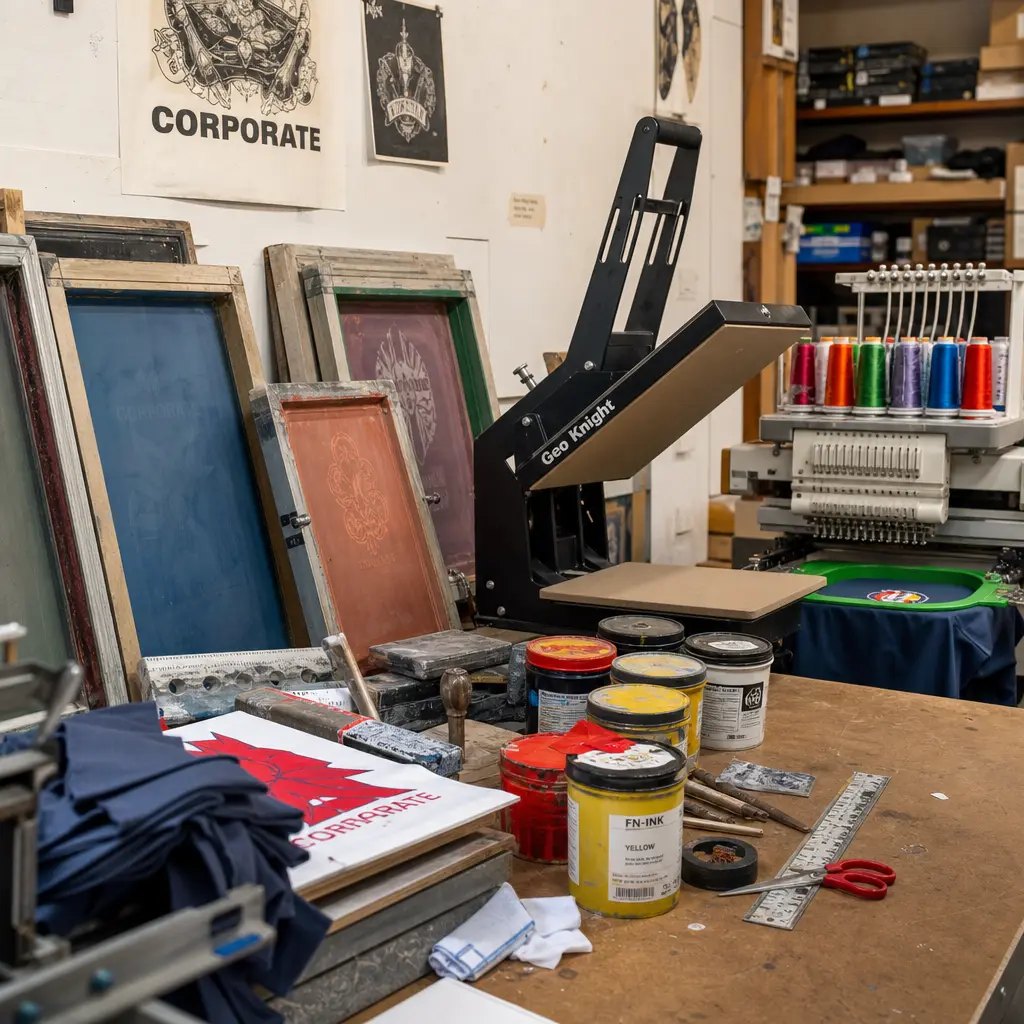
Decoration should be chosen by the artwork, not by habit. Screen printing is usually the most practical method for custom canvas zipper portfolios because it handles solid logos, campaign names, chapter marks, sponsor blocks, and simple nonprofit artwork well. Water-based ink can give cotton canvas a softer hand. Thicker ink systems may improve opacity but can feel more raised on the weave. The right answer depends on the fabric color, print size, and brand expectations.
Canvas has texture, so a clean PDF does not guarantee a clean print. Thin lines, reversed type, small sponsor names, detailed seals, halftones, QR codes, and light ink on natural canvas all need attention. A print strike-off on the actual fabric is one of the best risk controls. It shows ink spread, edge definition, opacity, curing, color appearance, and hand feel before bulk printing begins.
Heat transfer can help when artwork includes gradients, photographs, many colors, or detail that would be expensive or unreliable with screen printing. It is not automatically better. Transfers can create a film edge, surface gloss, different touch, or cracking risk after bending and packing. If sustainability messaging matters to the campaign, the feel and material choice of the transfer should also be reviewed.
Woven labels, printed labels, and embroidery are possible, but each brings a different MOQ profile. A woven label can look polished yet introduce label minimums and placement tolerance. Embroidery may look premium on some bags, but on flat canvas panels it can distort the surface, add thread bulk, and create roughness inside the portfolio. For many nonprofit campaigns, one-color or two-color screen print is the strongest balance of cost, schedule, MOQ, and donor-facing appearance.
- Use one-color screen print for simple campaign logos, slogans, chapter names, and solid artwork when MOQ control matters.
- Use two-color screen print when registration tolerance is agreed and the artwork does not rely on very fine detail.
- Use heat transfer for full-color graphics only after approving hand feel, edge adhesion, gloss, cracking, and packing contact.
- Quote woven labels with label MOQ, label dimensions, fold type, stitch method, and sewing placement tolerance.
- Sample embroidery carefully because thread tension can distort flat canvas or create a rough interior surface.
- Approve artwork with file format, print size, Pantone or color reference, seam-edge placement, and allowed tolerance.
Negotiate MOQ With Real Production Levers
Good MOQ negotiation starts with knowing which constraints belong to the sewing factory and which come from upstream suppliers. The factory may reduce its assembly MOQ if the design uses stocked canvas, standard zipper tape, common sliders, existing patterns, regular thread colors, and normal export cartons. It has less flexibility when the order requires custom dyeing, exclusive zipper tape, private pullers, special lining, uncommon labels, custom packaging, or many artwork versions. Those items can trigger minimums from mills, zipper vendors, label makers, printers, or packaging suppliers.
A very low MOQ is not always a win. If the supplier reaches it by switching to thinner canvas, weaker zippers, substitute packing, or unapproved printing, the campaign may pay later through defects, late shipment, fulfillment problems, or poor donor response. A better tactic is to ask for controlled options: 500 pieces with stocked canvas and standard zipper, 1,000 pieces with two artwork versions, and 2,500 pieces with a woven side label. This shows which upgrades are reasonable and which ones break efficiency.
Tiered pricing gives procurement a clearer view of the price curve. Quotes at 300, 500, 1,000, 2,500, and 5,000 pieces show how setup costs, cutting yield, material use, and line efficiency improve. If the unit price drops sharply after 1,000 pieces, the small run is likely carrying setup and waste across too few units. If the difference between 1,000 and 2,500 pieces is modest, the specification may already be using standard materials and may have more room for MOQ discussion.
Nonprofit campaigns often involve chapters, regions, sponsors, donor levels, or destination splits. Treat each variation as a SKU for quoting and packing, even when the physical portfolio is the same. Multiple print versions can be manageable if the base body, print size, print position, and color count stay consistent. Multiple fabrics, zippers, pocket layouts, labels, and packing formats are harder because they interrupt production flow. One shared base portfolio with controlled artwork changes is often the practical middle ground.
- Strong MOQ levers include stocked canvas, standard zipper tape, standard slider, one size, one base construction, one print location, and export-carton packing.
- Moderate MOQ levers include two artwork versions, a simple woven label, paper sleeve packing, and destination carton marks when planned early.
- Weak MOQ levers include custom dyeing, exclusive hardware, branded pullers, multiple pocket layouts, retail gift boxes, and late destination sorting.
- A useful compromise is one shared body with different campaign prints if artwork size, print position, and color count remain consistent.
- A risky compromise is accepting cheaper zippers, thinner canvas, untested transfers, or bulk packing without a production-equivalent sample review.
- Simplify specification drivers first, then negotiate price, instead of asking the supplier to reduce cost with no technical change.
Build a Quote Sheet That Exposes Hidden Costs
A useful quote for canvas zipper portfolios is more than a unit price. It should list finished size, size tolerance, canvas weight, fabric finish, zipper type, slider, pocket construction, print method, print colors, print size, packing method, carton quantity, carton dimensions, gross weight, sample cost, setup cost, production lead time, Incoterm, and payment terms. Without those fields, procurement may choose the lowest price and later discover that inner packing, carton marks, artwork cleanup, screen setup, barcode labels, inspection support, or inland transport were excluded.
Hidden cost differences often appear after the purchase order is released. One supplier may quote clean bulk packing while another includes individual recycled polybags. One may include screen setup while another charges it separately. One may assume standard zipper tape while another prices exact brand-match zipper tape. One may include the pre-production sample in the bulk order value while another charges the sample and courier fee separately. Standard assumptions prevent false comparisons.
Landed cost matters as much as factory unit cost. A 12 oz canvas portfolio may be only slightly more expensive at the factory than a 10 oz version, but carton weight and volume can affect freight. Individual packing may improve cleanliness and fulfillment control but increase packing labor and carton volume. Destination sorting may help chapter distribution but add origin labor and error risk. Ask for finished piece weight, carton dimensions, gross weight, pieces per carton, and packing photos before supplier selection.
Commercial terms need the same discipline. EXW, FOB, CIF, DAP, DDP, and other Incoterms assign different responsibilities for inland freight, export handling, insurance, duties, taxes, customs clearance, and final delivery. A low EXW price may not beat a higher FOB quote once pickup and export documents are included. If a distributor, agency, or fulfillment partner is involved, define who controls sample approval, inspection booking, carton mark approval, shipment release, and claims handling.
- Request finished piece weight so freight estimates are based on product data rather than assumptions.
- Request carton dimensions, carton gross weight, carton net weight, and pieces per carton for every packing option under review.
- Separate sample fee, courier fee, print setup, screen cost, transfer setup, mold fee, label cost, packing cost, and bulk unit price.
- State Incoterm, currency, payment terms, lead time basis, carton mark inclusion, barcode inclusion, and document responsibility.
- Ask whether the quote includes artwork checking, basic file cleanup, pre-production sample photos, inspection cooperation, and packed-carton photos.
- Use the same RFQ template for every supplier so price differences can be traced to real specifications instead of missing assumptions.
Approve Samples With Measurable Criteria
Do not treat the sample stage as photo approval only. A canvas zipper portfolio needs to be handled because stiffness, zipper movement, print feel, pocket fit, and packing pressure are hard to judge from images. A development prototype can confirm the shape, but it should not release bulk production if it uses substitute fabric, substitute zipper, substitute print, or no packing. The final pre-production sample should match the approved bulk specification as closely as possible.
Acceptance criteria should be written, measurable, and realistic. For a flat document portfolio, ±5 mm finished size tolerance is often reasonable unless the item must fit a rigid insert, tablet, retail display, or exact mailing envelope. Print placement tolerance of ±3 mm to ±5 mm is commonly used depending on artwork size and seam reference. Pocket opening, zipper length, and stitch density should be aligned with the approved sample and the factory’s process capability.
The sample should show how the canvas behaves in real use. Natural cotton canvas can absorb ink differently across the weave. Small details may bleed or lose contrast. Dark ink can look strong but fail if it is not cured properly. Light ink may need an underbase or may not reach the expected opacity on natural or dyed canvas. Insert the real documents, zip and unzip the portfolio, stack several pieces, place them in the proposed packing, and check whether corners or pullers press into the fabric.
Nonprofit approvals can involve procurement, marketing, development teams, program staff, fulfillment partners, campaign leadership, and sponsors. Decide who has final authority before the sample arrives. If corrections are needed, separate mandatory fixes from preferences. Keep one sealed approved sample for inspection reference, and require the factory to keep a matching signed or tagged sample on the production floor.
- Insert the actual document, brochure, envelope, or kit contents to confirm fit, pocket access, zipper clearance, and corner stress.
- Open and close the zipper repeatedly to check slider resistance, corner tension, tape stability, puller comfort, and end-stop security.
- Rub and bend the print after curing to check adhesion, cracking, smearing, surface tack, and transfer risk inside packing.
- Compare canvas shade under neutral light and confirm whether seed flecks, slubs, and natural shade variation are acceptable.
- Measure finished size, print placement, pocket opening, zipper length, seam allowance, and stitch density against the RFQ tolerance.
- Photograph approved details and keep a sealed reference sample for final inspection, shipment release, and dispute resolution.
Control Bulk QC Before Public Distribution
Nonprofit campaign products are visible. They go directly to donors, volunteers, members, students, staff, sponsors, or event attendees. A defect that looks minor in a warehouse can become a brand issue when a supporter receives a stained portfolio, jammed zipper, crooked logo, wrong chapter name, or loose seam. Custom canvas zipper portfolios should be inspected for fabric cleanliness, zipper function, print accuracy, stitching strength, pocket fit, SKU separation, and packing consistency.
A practical quality plan includes incoming material checks, print checks, in-line sewing checks, trimming checks, final product inspection, and packed-carton inspection. The buyer does not need to write a factory manual, but the RFQ and purchase order should name major unacceptable defects. That helps the supplier plan clean work surfaces, protected handling, line checks, needle control, thread trimming, and packing review. If the order includes multiple artwork versions or destinations, inspection must verify SKU separation and carton marks, not only workmanship.
Inspection should cover both appearance and function. Appearance checks include canvas shade, fabric defects, print color, print registration, print position, stains, thread trimming, and overall symmetry. Functional checks include zipper movement, pocket fit, seam strength, corner reinforcement, and whether the portfolio lies flat enough for the intended use. Packed-carton checks include quantity, carton condition, moisture protection, label accuracy, destination marks, and puller position to avoid pressure dents.
Agree on defect classification before production. Critical defects may include wrong logo, wrong campaign version, unsafe sharp hardware, mold, moisture contamination, or mixed destination cartons. Major defects may include jammed zippers, open seams, visible stains, severely crooked print, wrong size beyond tolerance, broken pullers, or incorrect pocket construction. Minor defects may include small thread ends or slight natural canvas slubs within the approved standard. Clear classification reduces shipment disputes and gives the factory practical quality targets.
- Reject broken stitches, skipped stitches at zipper ends, loose pullers, open seams, sharp hardware, weak corners, and visible seam failure.
- Reject print smears, heavy bleeding, wrong logo color, wrong artwork version, poor registration, or sponsor graphics outside tolerance.
- Reject dirty panels, oil marks, strong shade variation, fabric holes, mold odor, moisture marks, and unacceptable needle stains.
- Reject zipper teeth separation, slider jamming, tape fraying, hard corner lumps, and zipper waviness that affects appearance or use.
- Verify pocket fit with the intended document size and campaign insert set, not only with a visual inspection of the empty portfolio.
- Verify carton contents against SKU, campaign name, logo version, destination, packing list, barcode, carton number, and carton mark before release.
Plan Packing Around Fulfillment Reality
Packing is often decided late, yet it affects cost, freight, cleanliness, kitting speed, and distribution accuracy. Individual packing can protect natural canvas from dust and handling marks, keep products clean during warehouse sorting, and make SKU counts easier. Recycled polybags, glassine-style sleeves, paper sleeves, belly bands, tissue interleaving, and clean bulk packing can all work. Each option changes labor, carton volume, moisture protection, unpacking speed, and waste profile.
The right choice depends on what happens after import. If portfolios ship directly to event locations, clear carton marks and destination labels may matter more than retail presentation. If a fulfillment center will insert donor letters or pledge cards, individual packing may slow kitting unless it is easy to open and reseal. If products ship empty to a distributor warehouse, clean bulk packing with interleaving may reduce cost. If the portfolio is used for major donors or a nonprofit gift shop, a paper sleeve, barcode label, or retail-ready presentation may be worth the added work.
Carton quantity should balance protection with handling efficiency. Too many pieces in one carton can crush corners, bend zipper pulls, distort flat panels, and create heavy cartons. Too few pieces increase carton count and freight volume. As a practical starting point, many flat canvas zipper portfolios pack around 40 to 80 pieces per export carton, depending on finished size, fabric weight, zipper hardware, and individual packing. Confirm the final carton quantity with a packed sample or carton mockup.
Destination splits need early planning. Nonprofit campaigns may ship to headquarters, regional offices, school districts, event cities, partner warehouses, or chapter leaders. Each split can require separate carton marks, packing lists, commercial invoice details, pallet labels, or barcode labels. If those instructions arrive after packing begins, the factory may need to reopen cartons, which adds labor and error risk. Lock SKU names, destination codes, carton mark files, and packing list rules before final packing starts.
- Use clean inner protection for natural canvas to prevent transfer marks, dust, carton abrasion, zipper-pull dents, and handling dirt.
- Specify carton marks by SKU, campaign name, artwork version, destination, quantity, gross weight, net weight, carton size, and carton number when needed.
- Confirm whether portfolios ship empty, with inserts, or as part of a kit because contents change thickness, carton pressure, and fulfillment workflow.
- Use moisture protection for humid seasons, long ocean routes, rainy loading periods, or warehouse storage before campaign distribution.
- Request packed-carton photos, carton dimensions, carton gross weight, and packing layout before final freight booking.
- Lock destination splits and carton mark files before packing starts to reduce rework, relabeling, shipment errors, and chapter complaints.
Map Lead Time by Milestone
Lead time is not just bulk sewing time. It includes artwork review, file cleanup, fabric confirmation, lab dips if needed, print strike-off, sample making, sample courier transit, stakeholder review, sample revision, material booking, cutting, printing, curing, sewing, trimming, inspection, packing, export documents, freight booking, customs clearance, inland delivery, and possible fulfillment work. For nonprofit campaigns with event dates, donor mailings, school calendars, grant deadlines, or public launches, schedule risk often comes from late artwork approval, custom material choices, and sample revisions.
Separate buyer-controlled steps from supplier-controlled steps. Buyer-controlled steps include confirming artwork, approving colors, reviewing samples, finalizing destination splits, releasing payment, approving carton marks, and booking inspections. Supplier-controlled steps include sourcing materials, preparing screens or transfers, scheduling production, completing QC, packing, and preparing export documents. When either side delays, the lost time usually cannot be recovered during sewing without overtime pressure or higher defect risk.
If the campaign date is fixed, keep the first order simple. A standard body construction with stocked canvas and standard zipper can move faster than a new organizer layout with custom dyeing, branded hardware, special labels, and retail packaging. If the nonprofit wants a premium version for a later donor tier or recurring membership program, develop it as a second round. The first order should prioritize reliable delivery, clean branding, functional document fit, and controlled QC.
Build internal approval time into the calendar. Nonprofit projects often involve marketing, development, program teams, finance, outside sponsors, and fulfillment partners. A sample can lose a week waiting for comments. Before the sample ships, decide who approves it, how feedback will be collected, and what counts as a mandatory correction. Sample photos and measurements can speed review, but physical approval remains safer for canvas hand feel, zipper function, print curing, and packing behavior.
- Allow time for artwork cleanup before the factory prepares screens, transfers, labels, or print-position templates.
- Add buffer for sample courier transit, stakeholder review, revision sampling, final written approval, and payment release.
- Avoid custom-dyed fabric, custom zipper tape, and branded hardware when order quantity is modest and delivery date is tight.
- Lock carton marks, SKU names, destination splits, barcodes, and packing lists before final packing begins.
- Use split shipment only when campaign timing justifies added logistics cost, documentation work, and carton-control risk.
- Track the project by milestones instead of one promised ship date so delays are visible before they threaten launch.
Specification comparison for buyers
| Spec decision | Recommended option | When it fits | Buyer risk to check |
|---|---|---|---|
| Canvas body fabric | 10 oz to 12 oz cotton canvas; specify ounce weight and approximate GSM. As a buying reference, 10 oz is often around 320-340 GSM and 12 oz around 390-410 GSM, depending on weave and finish. | Donor document kits, volunteer onboarding packs, school campaigns, member welcome folders, pledge-card sets, conference handouts, and other flat document programs that need a substantial but flexible feel. | Quotes that only say cotton canvas may hide lighter 7-8 oz fabric. Heavier 14-16 oz fabric can raise sewing difficulty, carton weight, freight cost, and MOQ pressure. |
| Fabric finish and color | Use stock natural, off-white, black, navy, or other factory-available colors before requesting custom dyeing. | Lower MOQ campaigns where branding can be handled through print, label, insert card, paper sleeve, or carton marking instead of fabric color. | Custom-dyed canvas may trigger mill minimums, lab dips, shade approval, longer lead time, dye-lot variation, and a separate MOQ for each color. |
| Zipper construction | Size #5 nylon coil zipper with standard zipper tape color and a smooth metal or good-grade painted slider; define tape color, slider finish, puller style, and end finishing. | Flat A4, US letter, tablet-document, donor-pack, event-kit, and volunteer-document portfolios. | Low-cost zippers can wave after sewing, catch at corners, separate under repeated use, or fray at tape ends. Require zipper length tolerance, slider function checks, and open-close cycle testing. |
| Logo method | Water-based screen print for one to two solid colors; heat transfer only when artwork requires gradients, photos, many colors, or very fine sponsor detail. | Campaign logos, chapter names, donor-drive slogans, sponsor blocks, and simple nonprofit artwork on natural canvas. | Small reversed text, QR codes, thin lines, and detailed seals may fill in on canvas texture. Require a strike-off on the actual fabric before bulk print approval. |
| Interior layout | One main compartment plus one flat pocket; add only pockets that support the campaign use case. | Documents, pledge forms, welcome letters, brochures, certificates, return envelopes, event schedules, and volunteer materials. | Pen loops, card slots, mesh panels, gussets, padding, lining, and multiple dividers increase labor minutes, sewing defects, sampling time, and MOQ. |
| MOQ negotiation lever | Use one shared size, stocked canvas, standard zipper, one base construction, controlled artwork versions, and common export packing. | Smaller first orders, pilot runs, donor-tier tests, chapter programs, and campaign launches with uncertain reorder demand. | Changing fabric color, zipper tape, puller shape, label, lining, pocket layout, or packing format may create separate material or production minimums. |
| Sample approval | Approve a pre-production sample using the final fabric weight, zipper grade, print method, stitch density, pocket layout, and intended packing. | Fixed event dates, public campaign launches, distributor delivery, chapter allocation, donor-facing gifts, and fulfillment-center kitting. | A shape-only prototype is not enough to approve print hand feel, zipper tension, canvas shade, shrinkage, pocket fit, carton pressure, or packing cleanliness. |
| Packing format | Individual recycled polybag, glassine-style sleeve, paper belly band, tissue interleaving, or clean bulk separation; confirm 40-80 pcs per export carton only after weight and packed thickness are checked. | Nonprofit fulfillment centers, distributor warehouses, volunteer kit assembly, chapter shipments, event inventory control, and donor mailing preparation. | Overpacking raises cost and carton volume. Underpacking can cause dirty canvas, corner crushing, zipper-pull dents, carton mix-ups, moisture marks, or fulfillment delays. |
| Quote comparison basis | Quote by finished size, GSM, fabric finish, zipper grade, print area, color count, pocket count, packing, carton data, sample cost, setup cost, inspection support, and Incoterm. | Procurement teams comparing multiple suppliers, agencies, distributors, or direct-factory offers. | A low unit price may exclude artwork cleanup, screen setup, inner packing, carton marks, destination sorting, inspection cooperation, inland freight, or export documentation. |
Buyer checklist before sampling
- Define the finished size by use case: A4 documents, US letter documents, tablet insert, donor welcome kit, pledge-card pack, certificate folder, or conference materials, with finished dimensions and tolerance in millimeters.
- Specify canvas weight in both oz and approximate GSM, and state whether the fabric must be conventional cotton, organic cotton, recycled-content blend, pre-shrunk, washed, laminated, coated, or untreated.
- Identify the acceptable fabric color range: natural, bleached, stock dyed color, or custom campaign dye, and confirm whether lab dip and bulk shade approval are required before cutting.
- State zipper type, size, tape color, slider material, slider finish, puller shape, end stop or folded-end construction, and whether a standard close-match zipper color is acceptable.
- Limit first-order decoration to one or two print colors when MOQ pressure, schedule control, and fair supplier comparison are more important than complex retail artwork.
- Send vector artwork with Pantone or brand color references, exact print size, placement from seam edges, and a note on any QR codes, reversed type, small sponsor names, or fine lines.
- Request a print strike-off on the same canvas weight and color before approving bulk screens, transfers, or final pre-production sample construction.
- Define pocket count, pocket dimensions, opening direction, handle or no-handle construction, binding tape, seam allowance, reinforcement points, lining requirement, and document-fit test.
- Ask for quantity tiers such as 300, 500, 1,000, 2,500, and 5,000 pieces using the same specification so procurement can see where setup and material utilization change price.
- Confirm whether campaign chapters, sponsors, donor tiers, or destinations create separate SKUs, carton marks, artwork files, packing lists, barcodes, or inner labels.
Factory quote questions to send
- What is your real MOQ if we use your stocked 12 oz natural canvas, standard zipper tape colors, one finished size, one print location, and one artwork version?
- What is the lowest practical MOQ if we accept 10 oz canvas, and what changes in structure, hand feel, finished weight, carton weight, and unit price compared with 12 oz?
- Which change increases MOQ first: custom-dyed canvas, custom zipper tape, branded metal puller, lining color, woven label, retail sleeve, barcode label, or extra pocket sewing?
- Can you quote 300, 500, 1,000, 2,500, and 5,000 pieces using the same specification so we can understand the price curve and setup absorption?
- Can you quote both 10 oz and 12 oz canvas with estimated GSM, finished piece weight, carton quantity, carton dimensions, and carton gross weight?
- What exact zipper type and grade are included: #5 nylon coil, metal slider or painted slider, standard puller or custom puller, and what is the zipper supplier MOQ if customized?
- What print method do you recommend for our artwork on this canvas, and which elements are risky, such as thin text, reversed type, QR codes, halftones, or small sponsor logos?
- Can you provide a print strike-off on the actual canvas before the pre-production sample, and is the strike-off cost included, refundable, or charged separately?
- Will the pre-production sample use the same fabric source, zipper grade, thread, sewing process, print method, print curing process, and packing method planned for bulk production?
- What are your standard tolerance limits for finished size, zipper length, print placement, pocket opening, stitch density, print color variation, and carton quantity?
Quality-control points to confirm
- Finished size tolerance should normally stay within ±5 mm for flat document portfolios unless the design includes gussets, padding, binding, rigid inserts, or exact envelope-fit requirements.
- Canvas GSM, weave, shade, shrinkage behavior, odor, cleanliness, and hand feel should be checked against the approved sample before bulk cutting, not only after sewing.
- Fabric panels should be checked for slubs outside the approved standard, holes, oil stains, dirt, strong shade variation, printing contamination, needle marks, and moisture odor.
- Zipper length and alignment should match the approved sample; the zipper should lie flat without obvious waves, twisting, corner lumps, loose tape, or seam puckering.
- Zipper function should be tested through repeated open-close cycles without slider catching, teeth separation, loose pullers, sharp burrs, tape fraying, or damaged end stops.
- Print position should stay within the agreed tolerance, commonly ±3 mm to ±5 mm depending on artwork size, seam reference, and whether the logo aligns with a pocket or zipper.
- Screen print edges should not bleed heavily into the canvas texture, and small sponsor names should remain legible at the approved viewing distance.
- Print curing and adhesion should be checked by dry rub, light bend handling, and packing contact checks so the logo does not crack, lift, smear, or transfer.
- Stitch density should be consistent with the approved sample, with no skipped stitches, open seams, broken bartacks, loose thread nests, or puckering at corners and zipper ends.
- Interior pockets should accept the intended document, envelope, brochure, card set, or insert without tight loading, curling, seam strain, or hidden stitch obstruction.