Buying Problem: Logo Placement Affects More Than Appearance
For custom canvas zipper portfolios, logo placement is not only a branding decision. It affects fabric cutting, print registration, sewing order, zipper clearance, packing pressure, and final inspection. A tech startup may treat the portfolio as a launch gift, employee welcome item, sales meeting folder, or channel partner kit. In all of those uses, the logo must look deliberate, stay readable, and survive shipping without rubbing, cracking, or sitting crooked against the zipper line.
The common mistake is sending a logo file and asking for a quote without a finished-size placement drawing. Suppliers then estimate based on their own standard template. One quote may place a small logo on the lower corner by screen print, another may price a large centered transfer, and a third may include embroidery. The unit prices look comparable, but the production risks are different. A useful RFQ fixes the body size, fabric weight, logo size, placement reference points, print method, and packing method before comparing supplier pricing.
- Use finished seam measurements: for example, logo center 90 mm from bottom seam and 95 mm from right side seam.
- Keep artwork away from zipper tape, fold lines, pocket seams, corner binding, and thick seam allowances.
- Treat the approved logo layout as part of the sample, not as a loose marketing file.
- Compare quotes only when each supplier is pricing the same logo size, method, and placement tolerance.
Portfolio Size and Construction Should Lead the Artwork Layout
A zipper business portfolio normally follows A4 or US letter use, but the actual finished size needs to match the buyer's documents, inserts, and distribution channel. A common A4-oriented outer size is around 250 x 340 mm, while US letter may need a slightly different height and pocket depth. If the portfolio also needs a tablet sleeve, cable pocket, brochure insert, or business card slots, the internal construction can create stitch lines that limit where the external logo should sit.
For startup buyers, a slim portfolio often works better than an overbuilt binder-style case. It packs flatter, ships more efficiently, and feels more modern. But if the canvas is too light or the lining too soft, the front panel can ripple, making the logo look uneven. The construction should be confirmed before artwork approval because the front panel is not a blank rectangle after sewing. Pocket seams, zipper turns, and internal reinforcements can all show through on lighter canvas.
- A4 document use: confirm finished inner pocket depth and whether documents slide in without bending.
- Tablet use: add padding or reinforcement only where needed, because foam changes seam thickness.
- Sales kit use: test the actual brochure stack, pen, cards, and inserts before approving pocket positions.
- Retail shelf use: consider hangtag, barcode, and flatness requirements before choosing a bulky zipper pull.
Fabric Weight, GSM, and Color Control
Canvas zipper portfolios usually need more structure than a light cotton tote but less stiffness than luggage. For many B2B orders, 12 oz cotton canvas, roughly 380-410 GSM, is a practical starting point. It has enough body for a business bag category product, prints cleanly with solid artwork, and can still be sewn neatly around zipper corners. A lighter 10 oz fabric may reduce cost and carton weight, but it can collapse around documents. A heavier 14 oz or 16 oz fabric can feel premium but creates thicker seams and slower sewing.
Color also changes logo performance. Natural canvas has flecks and shade variation, which many buyers accept for a sustainable or casual tech brand look. Bleached canvas gives higher contrast for black or dark ink but may show dirt during production and packing. Dyed canvas improves brand matching but adds MOQ pressure, shade-lot control, and longer lead time. If a startup wants a dark navy or black portfolio with a white logo, the factory must quote the right ink system and curing process, not simply reverse the artwork.
- Natural canvas: economical and common, but expect visible cotton seed flecks and batch shade variation.
- Bleached canvas: cleaner logo contrast, but requires stronger stain control in cutting and sewing.
- Dyed canvas: better brand color control, but MOQ and lead time usually increase.
- Washed canvas: softer handfeel, but logo placement and shrinkage must be tested after washing.
Logo Placement Zones That Work on Zipper Portfolios
The safest logo zones are usually the centered lower third of the front panel or a lower corner position opposite the zipper pull rest point. These areas stay visible when the portfolio is carried, stacked, photographed, or placed on a meeting table. A centered logo gives a formal brand presentation. A lower right or lower left logo feels more subtle and is often preferred by tech buyers who want the product to look useful rather than promotional.
Avoid placing the logo too close to the zipper path, the binding edge, or the bottom seam. Canvas can shift slightly during sewing, and a thick seam allowance can create an uneven print surface if the logo is printed after partial assembly. If the print is done on cut panels before sewing, the logo may move a few millimeters after folding and stitching. The RFQ should state whether placement tolerance is measured on the finished product and whether the supplier prints before or after sewing.
- Formal placement: centered horizontally, with the bottom of the logo 55-75 mm above the bottom seam.
- Subtle placement: lower corner, with at least 25 mm clearance from side and bottom seams.
- Premium placement: small woven side label or leather-look patch, useful when front printing should be minimal.
- High-risk placement: over zipper curve, over pocket seam, across fold line, or too close to binding.
Print Method Selection for Startup Logos
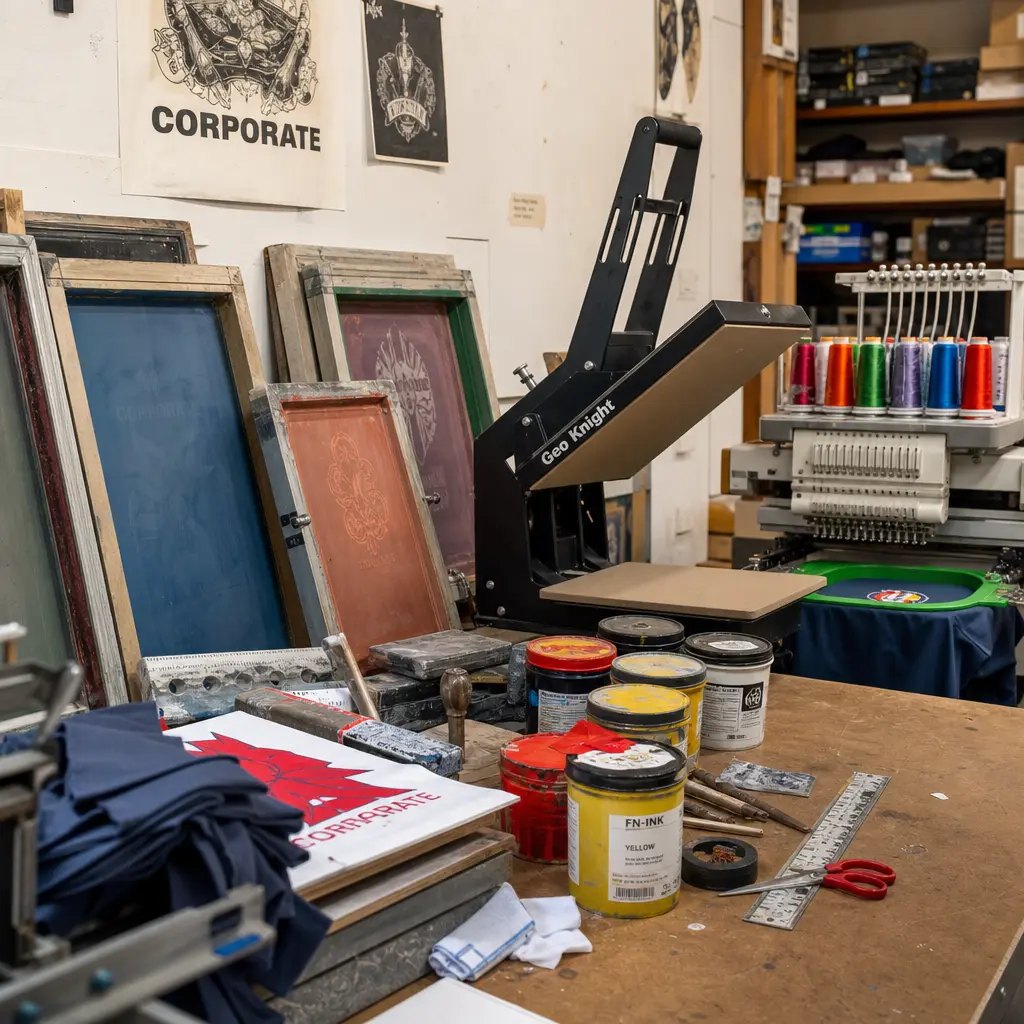
Screen printing is usually the most efficient method for custom canvas zipper portfolios when the artwork is a solid one-color or two-color tech logo. It gives good coverage, reasonable setup cost, and predictable repeatability on flat panels. The artwork should be supplied in vector format with Pantone references. Thin lines, tiny trademark text, and gradient app icons should be simplified because canvas texture can break small details or fill narrow gaps with ink.
Heat transfer can reproduce more detail and multiple colors, but it changes the handfeel and may look less integrated on natural canvas. Embroidery feels premium but is not suitable for large filled marks on a slim portfolio because stitch density can pucker the front panel. Woven labels, rubber patches, and debossed leather-look patches are useful when the buyer wants a durable, understated brand mark, but they add tooling, sewing steps, and MOQ considerations.
- Screen print: best for solid logos, short to medium runs, and clear cost comparison between suppliers.
- Heat transfer: useful for small multi-color marks, but test adhesion and edge feel on the chosen canvas.
- Embroidery: suitable for small icons or wordmarks, but avoid large dense areas on thin panels.
- Woven label or patch: durable and premium, but needs placement sewing tolerance and edge alignment checks.
MOQ Logic and Cost Drivers Behind the Quote
For a standard natural canvas zipper portfolio with one-color screen print, many factories can consider MOQs around 300-500 pieces, depending on material availability and production line loading. The MOQ changes quickly when the buyer requests dyed canvas, custom zipper pullers, custom lining, private label packaging, retail barcode stickers, or multiple logo positions. A low MOQ is possible only when the product uses common materials and the customization stays simple.
Unit price is driven by more than fabric. Labor time matters because zipper portfolios include panel cutting, lining, pockets, zipper sewing, turning, trimming, pressing, inspection, and individual packing. A small logo printed on a flat panel may add a modest setup charge. A large transfer, embroidery patch, or custom woven label adds material handling and more inspection points. Buyers comparing supplier quotes should separate base bag cost, logo cost, setup cost, sample cost, packing cost, and inland freight assumptions.
- Base cost: canvas GSM, lining, zipper grade, pocket structure, reinforcement, and sewing complexity.
- Logo cost: screen count, ink color count, transfer film, embroidery stitch count, patch tooling, or label MOQ.
- Packing cost: individual bags, tissue, paper band, barcode labels, carton strength, and moisture protection.
- Commercial cost: sample fee, screen charge, bank fee, inland transport, inspection support, and document handling.
Sample Approval Should Simulate Real Use
A pre-production sample should not be approved from a front-view photo only. The buyer should review the finished size, logo position, zipper feel, pocket function, canvas weight, edge shape, and packing impression. Place actual documents, cards, pens, brochures, or device inserts inside the sample. Then close the zipper and leave the portfolio flat under light pressure for a day. This simple test often reveals whether the zipper pull marks the logo, whether the front panel ripples, or whether the internal pocket creates an unwanted ridge.
For logo approval, the sample should show the exact artwork size, color, and placement measured from finished seams. If the supplier sends a sample with substitute fabric or temporary print, it can help review construction but should not be treated as final logo approval. A signed counter sample or approved sample photos should be used by both sides during production inspection. Without this reference, arguments over a 5 mm logo shift or slightly darker ink become difficult to resolve.
- Measure finished size with the zipper closed and the portfolio lying flat.
- Compare canvas handfeel and GSM against the quoted specification, not only against a photo.
- Rub the logo lightly after curing to detect tacky ink, poor adhesion, or surface cracking.
- Test documents, card slots, pen loop, and any tablet pocket with real inserts.
- Approve revised artwork only after receiving a new placement layout if the body size changes.
Quality Thresholds for Bulk Inspection
Bulk inspection should define which defects are minor, major, and critical before production starts. For zipper portfolios, major defects usually include non-working zipper, wrong logo position, serious ink bleeding, visible stains on the front panel, broken stitches, wrong size, missing pocket, wrong label, or carton quantity mismatch. Minor defects may include a small loose thread or slight natural canvas slub if it does not affect appearance or function. The buyer should set tolerance levels based on product use and distribution channel.
Logo placement is best controlled with a simple measurement template. The inspector can measure from the finished bottom seam and side seam to the logo edge or centerline. A typical tolerance for screen print placement may be plus or minus 3 mm to 5 mm, depending on construction. Color should be compared under consistent light against the approved sample or Pantone reference, but buyers should remember that ink on natural canvas will not look exactly like ink on coated paper.
- Function: zipper opens and closes smoothly without catching lining or thread.
- Appearance: front panel has no obvious stains, heavy wrinkles, print smears, or logo tilt.
- Construction: stress points have reinforcement and pocket openings are not loose.
- Dimension: finished size and pocket size meet agreed tolerance after sewing.
- Packing: cartons match quantity, marking, barcode, and protection requirements.
Packing Choices That Protect the Logo
Packing can damage a good logo if it is treated as an afterthought. Screen printed canvas should be fully cured before stacking. If portfolios are packed too tightly, zipper pullers, zipper teeth, or corner seams can press into the printed surface of the next unit. For natural canvas, individual recycled polybags, paper sleeves, or paper bands can prevent dirt transfer during handling. For sea freight or humid routes, moisture control matters because cotton canvas can absorb odor and carton dampness.
Carton planning should support both freight efficiency and warehouse handling. Flat packing usually works better than folding because folding may crease the logo zone. Carton gross weight should stay practical for manual handling, especially if the buyer's warehouse has receiving limits. The quote should include units per carton, carton dimensions, gross weight, net weight, and whether inner cartons are required. Retail buyers may also need barcode labels, country-of-origin labels, suffocation warnings on polybags, or customer-specific carton marks.
- Use interleaving or individual packing when zipper hardware can press against printed panels.
- Avoid folding across the logo, especially with heat transfer or thick screen ink.
- Confirm carton compression resistance if goods will move through distributor warehouses.
- Add silica gel or moisture-control planning for long sea freight routes where appropriate.
- Photograph final packing before shipment so receiving teams know what to expect.
Lead Time Risks and Schedule Planning
A realistic schedule depends on how many custom elements are involved. A standard natural canvas portfolio with one-color print is faster than a dyed canvas item with custom zipper pull, woven label, and retail packaging. Buyers should separate the timeline into artwork confirmation, sample making, sample shipping, sample review, material booking, bulk cutting, printing, sewing, inspection, packing, and export handling. This makes schedule risk visible before the launch date is already fixed.
Tech startup orders often connect to events, onboarding dates, funding announcements, or distributor launches. Missing the date can make the whole purchase less useful. The most common delays come from late artwork changes, unclear logo placement, fabric shade approval, missing barcode data, and sample revisions after the buyer changes internal pocket requirements. The safest method is to freeze the physical construction before final logo proofing and to leave time for one sample revision.
- Allow extra time when using dyed canvas, custom zipper pullers, woven labels, or retail packaging.
- Freeze artwork before bulk fabric cutting if print placement depends on panel dimensions.
- Build in review time for physical samples, not only digital layout approval.
- Do not book event distribution dates based only on the first estimated production time.
- Request production photos at cutting, printing, sewing, and packing stages for high-visibility orders.
Specification comparison for buyers
| Spec decision | Recommended option | When it fits | Buyer risk to check |
|---|---|---|---|
| Front panel logo position | Lower right or centered lower third, kept at least 35 mm from zipper seam and 25 mm from bottom seam | Best for startup event kits, onboarding packs, investor meeting folders, and retail corporate gifting | Logo may distort if printed over thick seam allowance, pocket edge, or curved fold area |
| Logo size on A4 portfolio | 80-120 mm wide for a simple wordmark; 45-70 mm wide for a square icon | Keeps brand visible without turning a business portfolio into a giveaway tote | Oversized logos increase print rejection risk and can look uneven on textured cotton canvas |
| Fabric body weight | 12 oz canvas, roughly 380-410 GSM, with optional light lining | Balanced choice for zipper portfolios that need structure without heavy freight weight | Lower GSM can collapse around documents; higher GSM may make corners bulky and raise sewing cost |
| Printing method | Screen print for 1-3 solid colors; heat transfer only for small detailed artwork; embroidery for premium but small marks | Matches most tech startup logos, especially flat vector marks and simple color systems | Fine gradients, small type, and app-icon shadows may fail on coarse canvas unless simplified |
| Zipper specification | No.5 nylon zipper with metal puller or branded pull tab, tested for smooth closing after packing | Good for daily use portfolios carrying laptop accessories, contracts, brochures, or event documents | Cheap zipper tape can wave after sewing, and plated pullers may scratch during carton compression |
| Inside structure | One document sleeve, two card slots, pen loop, and optional tablet pocket with stitched reinforcement | Useful for sales teams, distributor samples, startup welcome kits, and conference sales packs | Too many internal parts raise labor cost and create more stitch alignment points to inspect |
| MOQ planning | 300-500 pieces for standard canvas and screen print; 800-1000 pieces if dyed fabric or custom zipper pull is required | Works for first branded rollout while keeping unit cost and sampling time controlled | Small orders with too many custom parts often pay hidden setup, dye lot, and trimming surcharges |
| Packing format | Individual recycled polybag or paper band, silica gel if sea freight, then flat-packed export carton | Protects logo surface and zipper pull while keeping cartons efficient for warehouse receiving | Over-tight cartons can crease the front logo area and leave zipper impressions on adjacent pieces |
Buyer checklist before sampling
- Define the portfolio size by document use, not only by outer dimensions: A4, US letter, tablet sleeve, or sales kit insert.
- Specify canvas weight in oz and GSM, plus whether fabric is natural, bleached, dyed, washed, or laminated.
- Lock the logo placement with measurements from finished seams, not from the fabric cutting panel.
- Provide vector artwork with Pantone references, minimum line thickness, and the exact approved logo width.
- Choose the print method before pricing comparison so suppliers quote the same setup, ink, and curing requirements.
- Request photos of the first production piece showing logo position, zipper closing, inside pockets, and carton packing.
- Set acceptance tolerance for logo position, color shade, stitching, zipper function, odor, and visible fabric stains.
- Confirm carton size, carton weight, units per carton, inner packing method, and whether barcodes or retail labels are needed.
- Separate tooling, sample, print screen, labelling, and freight assumptions in the quote to avoid false low unit prices.
- Keep one approved counter sample and one signed artwork layout for final inspection reference.
Factory quote questions to send
- What canvas weight and GSM are included in your quote, and is the fabric greige, bleached, dyed, or washed?
- Is the quoted price based on screen print, heat transfer, embroidery, woven label, rubber patch, or another logo method?
- What is the minimum logo line thickness you can reproduce on this canvas texture without ink filling or broken edges?
- What are the allowed logo placement tolerances from finished seams, and how will they be measured during QC?
- Does the MOQ change if we use custom dyed canvas, a custom zipper pull, custom lining, or retail barcode labels?
- How many days are needed for pre-production sample, revised sample if needed, bulk fabric preparation, printing, sewing, and packing?
- What zipper size, puller material, stitch density, and seam reinforcement are included in the standard construction?
- Can you provide carton dimensions, gross weight, net weight, units per carton, and packing photos before shipment?
- Which defects are counted as major: zipper failure, logo misplacement, ink smearing, loose threads, stains, odor, or carton crush?
- Are print screen charges, sample charges, label setup, export carton cost, and inland transport included or listed separately?
Quality-control points to confirm
- Logo centerline and distance from finished seam should stay within agreed tolerance, commonly plus or minus 3 mm for screen print placement.
- Screen print should pass a dry rub test and light scratch check after curing, with no tacky ink, pinholes, or obvious edge bleeding.
- Canvas should be checked for stains, slubs, shade variation, odor, and weight consistency against the approved sample.
- Zipper should open and close smoothly at least five cycles during inspection without catching lining, fabric edge, or thread ends.
- Corners, handles if any, pocket openings, and zipper ends should have reinforced stitching or bartacks where stress is expected.
- Finished portfolio must lie reasonably flat after packing, with no deep crease crossing the printed logo area.
- Inside pockets should match approved dimensions so A4, US letter, card, pen, or tablet inserts fit without forced stretching.
- Cartons should be dry, correctly marked, export-grade, and not above practical warehouse handling weight for the buyer's route.