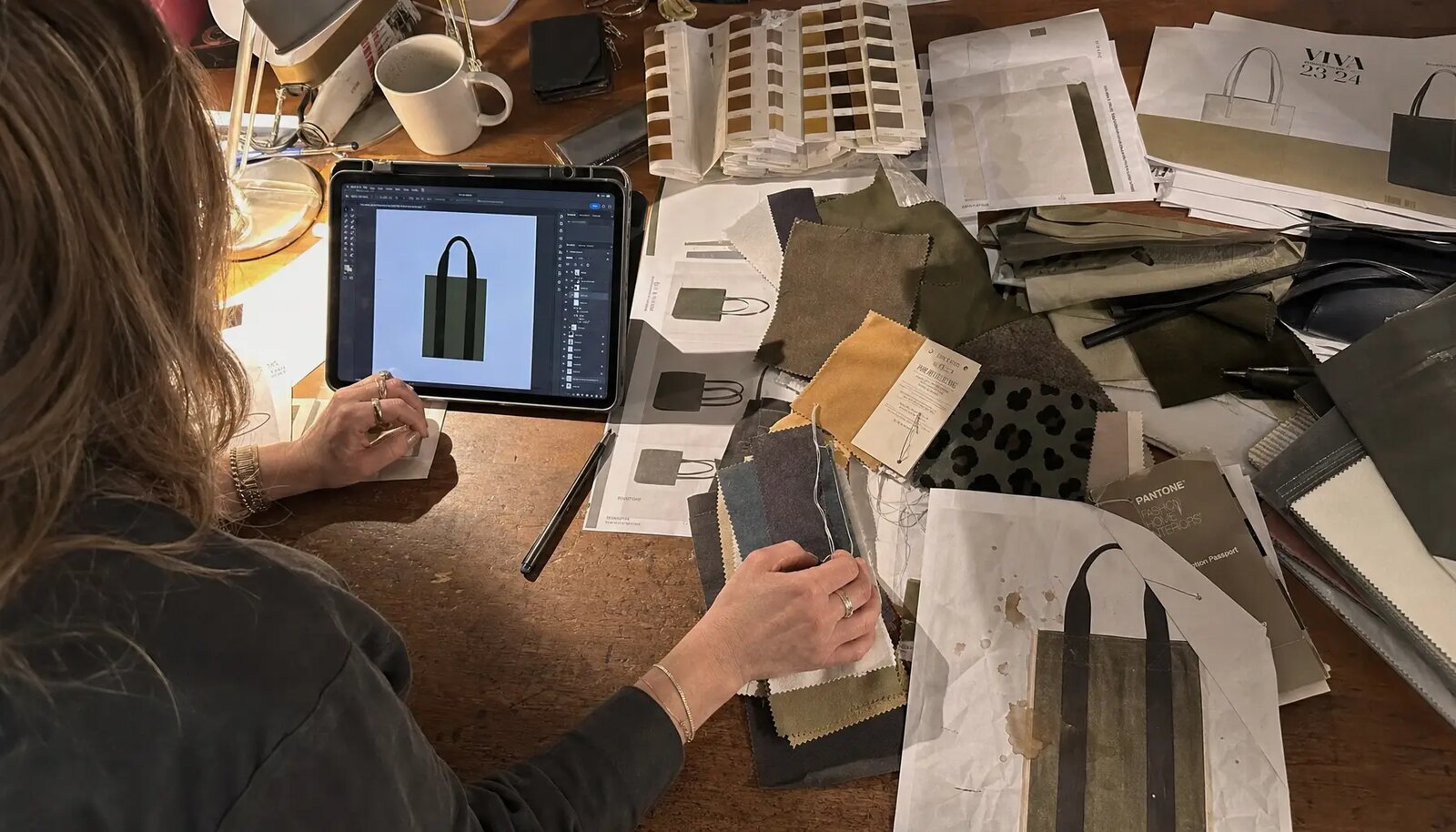
Start With the Procurement Risk, Not the Product Name
Custom canvas zipper portfolios look simple in a hotel shop, but the buying risk sits in the details. The product has a broad canvas face, a long zipper path, visible seams, and a branded panel that guests judge before they touch it. If the canvas is too light, the front collapses on the shelf. If the zipper catches at the corner, the item feels cheap. If the logo is approved only on screen, the real print may break over the weave.
Many delays start with an RFQ that sounds complete but is not. A request for a “custom canvas zipper portfolio with hotel logo” may get a fast price, yet that price may not include the right GSM, zipper grade, pocket structure, woven label, barcode sticker, hangtag, individual packing, carton strength, or inspection standard. When the hotel team later asks for a paper sleeve, a revised logo size, property-specific carton marks, or a different puller, the supplier has to stop, requote, and often resample.
Hotel retail works on fixed dates. The portfolio may support a boutique opening, resort refresh, spa launch, conference program, VIP welcome kit, or holiday merchandise range. Missing the window can create empty shelves, split shipments, or air freight pressure. A sound plan separates approval time, sampling time, material time, sewing time, inspection time, and transit time. Once those clocks are visible, procurement can see which decisions must be locked first.
- Define the use case: hotel shop retail, guest amenity, conference kit, welcome-kit sleeve, spa retail item, or distributor SKU.
- Confirm outside size, usable inside size, intended contents, zipper opening length, and pocket depth before asking for price.
- Lock fabric, zipper, print, label, packing, and carton rules before comparing supplier quotes.
- Treat artwork approval, sample courier time, inspection, booking, customs, and inland delivery as calendar steps.
- Assign named approval owners for construction, branding, packing, and purchase release.
Write the Canvas Specification in Procurement Language
“Canvas” is not enough for a purchase order. The RFQ should state weight in oz and GSM, composition, weave or finish if relevant, fabric color route, shrinkage expectation, and acceptable shade variation. An 8 oz canvas can suit light pouches, but it often looks soft on a larger portfolio. A 10 oz fabric may work for a budget document sleeve. For hotel retail portfolios, 12 oz to 14 oz cotton canvas, roughly 407 to 475 GSM, is a practical starting point because it gives the front panel more body without making sewing and packing difficult.
Composition matters. 100% cotton canvas gives a natural hand-feel and usually takes simple prints well, but it can show slubs and shade movement. Poly-cotton blends may improve dimensional stability, although the feel and print appearance will not be the same as cotton. Recycled cotton blends may support a brand position, but procurement should verify the fiber content documentation, hand-feel, color consistency, and print behavior instead of relying on the material name alone.
Color is often where lead time changes. Stock natural, black, navy, ecru, grey, or olive fabric protects the schedule when the opening date is fixed. Custom dyeing adds lab dips, approval time, fabric MOQ, and possible re-dye if the shade falls outside the agreed band. A physical swatch is more useful than a coated-paper Pantone chip when judging canvas color, especially on natural or textured bases.
Ask how the fabric moves through production. Shrinkage can happen during washing, dyeing, printing, pressing, and sewing. If panels are printed before sewing, cutting accuracy and fabric movement affect logo placement. If printing happens after sewing, seams and zipper bulk can affect positioning. The supplier should explain the sequence and agree finished-goods tolerances before the PP sample is signed.
- Economy route: 10 oz canvas when the item carries light documents and budget matters more than structure.
- Balanced hotel retail route: 12 oz canvas for better front-panel stability and efficient sewing.
- Premium route: 14 oz canvas when a firmer hand-feel is required without excessive corner bulk.
- High-risk route: 16 oz or heavier when the design has tight corners, layered pockets, or a long zipper curve.
- RFQ minimum: oz, GSM, composition, color, finish, shrinkage expectation, shade tolerance, and sample swatch requirement.
Define Size, Fit, and Tolerances Before Sampling
Build the portfolio around what it must hold. A4 documents, US letter sheets, spa menus, maps, vouchers, tablets, and gift-set inserts all need different usable space. Outside dimensions alone can mislead because seam allowance, zipper tape width, corner shape, lining, and pocket construction reduce the internal opening. Send the actual insert dimensions, or the inserts themselves, before the first sample is made.
Sewn goods need written tolerances. For this product type, a practical planning range is ±5 mm for finished width and height, ±5 mm for pocket depth, and ±3 to 5 mm for logo placement, depending on construction and printing method. A gusset, lining, padding, heavy canvas, or shaped corner may require more room. The point is not to force a universal tolerance; it is to agree what will pass inspection before production starts.
Do not overlook the zipper opening. A portfolio can measure correctly outside and still be hard to load if the zipper stops too early or the corner opening is tight. Test the sample with the real documents, menus, vouchers, or inserts. If hotel staff must assemble welcome kits quickly, the opening has to work on a busy back-of-house table, not only in a product photo.
A simple tech pack helps everyone move faster. Show outside dimensions, usable inside dimensions, zipper start and stop points, pocket depth, seam allowance, logo distance from finished edges, label position, hangtag position, and barcode location. Once approved, the PP sample becomes the physical reference for bulk production and final inspection.
- Measure fit with the real document size plus expected insert thickness.
- Specify outside dimensions and usable inside dimensions separately.
- Set finished size tolerance, pocket tolerance, zipper opening tolerance, and logo placement tolerance.
- Confirm zipper start, zipper stop, slider direction, and whether the portfolio opens from left to right or right to left.
- Record all approved dimensions on the PP sample sheet, not only in email text.
Control Zipper Grade, Puller, and Reinforcement
The zipper is the main functional trim, and guests notice it immediately. They may never ask about fabric GSM, but they will feel a zipper that drags, separates, waves, or catches. For most custom canvas zipper portfolios, a No.5 nylon coil zipper is the safest default. It bends smoothly around corners, stays lighter than metal, comes in many tape colors, and is usually easier to sew consistently into canvas.
Metal zippers can look premium, yet they add weight and stiffness. They may also scratch documents, menus, or tablet sleeves inside the portfolio. Molded plastic zippers can work for casual goods, but they need more space and may not suit a refined hotel retail look. Choose the zipper for smooth operation, document protection, and finished feel—not because a trim sounds more expensive.
Zipper tape color deserves its own line in the RFQ. “Matching zipper” might mean black, natural, closest stock shade, or custom-dyed tape depending on the factory. Custom tape can add MOQ, approval time, and shade risk. If the hotel brand requires a specific navy, sand, olive, or terracotta, review a physical zipper card with the canvas swatch before the PP sample is approved.
Reinforcement should be visible on the sample. Zipper ends, corners, pull-tab attachment points, pocket openings, and stress points need secure stitching or bartacks where appropriate. These small construction choices are hard to change after bulk panels are cut, so check them before release.
- Default choice: No.5 nylon coil zipper for smooth use, flexible corners, and stable bulk sewing.
- Specify tape color, slider color, puller style, puller finish, pull-tab material, and opening direction.
- Ask whether zipper tape is stock or custom dyed before assuming an exact brand match.
- Test corners and zipper ends because these points usually fail before the straight zipper run.
- Reject pullers with sharp edges, loose plating, weak attachment, or poor grip for retail use.
Match Logo Method to Canvas Reality
Branding can make or break the retail presentation. Screen printing is usually the best route for one to three solid colors on canvas. It is efficient in bulk, gives good opacity when specified correctly, and suits many hotel logos, resort marks, and property names. The limitation is the fabric itself: canvas texture can soften edges and interrupt fine lines.
Heat transfer is useful for gradients, full-color graphics, photographic artwork, or short runs that do not justify several screens. The tradeoff is hand-feel. Large transfers can feel like a film on the fabric, and the edges may lift or crack if the material and curing are not right. Ask for adhesion, rub, and flex checks on the final canvas before bulk approval. Embroidery can work for small premium marks, but dense stitches may pucker the panel.
Brand color tolerance should stay realistic. Pantone references are helpful, but ink on natural cotton canvas will not look exactly like ink on coated paper. A physical strike-off or PP sample is the better approval tool. If the brand team needs a tight color match, put time in the calendar for print testing instead of asking the factory to rush with an unverified ink formula.
Multi-property programs need extra control. Five hotel logos may look like one order internally, while the factory sees five screens, five approvals, five barcode files, five hangtags, and separate carton marks. Treat every artwork version as a controlled SKU line, even if the base portfolio is identical.
- Use screen print for simple one- to three-color logos and strong solid artwork.
- Use heat transfer only after checking hand-feel, edge adhesion, rub resistance, and cracking risk.
- Use embroidery or woven labels for small premium marks after checking puckering and placement.
- Set logo placement tolerance at ±3 to 5 mm unless the supplier confirms tighter control is realistic.
- Approve a physical PP sample with final canvas, final logo method, final zipper, and final packing.
Build the Lead Time Calendar With Gates
Lead time is not one number. A supplier may say “30 days production,” but the factory clock usually starts only after final artwork, deposit, material confirmation, and signed PP sample. If the buyer spends five days deciding logo size, three days releasing payment, and a week circulating the sample internally, those days belong on the calendar too.
For a standard custom canvas zipper portfolio, plan 3 to 5 days for RFQ clarification, material checks, and artwork review. Proto or PP sample making commonly needs 7 to 14 days, depending on print method and material availability. Add courier time and buyer review time. Bulk production commonly needs 25 to 45 days after deposit, final artwork, final materials, and PP sample approval. Custom dyed fabric, special zipper tape, several logos, extra pockets, lining, or retail packaging can extend that range.
Approval gates reduce waste. A proto sample checks size, shape, zipper path, pocket layout, and construction. A PP sample confirms final canvas, final zipper, final print, final labels, hangtag or barcode, individual packing, and carton plan. Skipping the PP sample may save a week on paper, but it moves the risk into bulk production, where fixes are slower and more expensive.
Transit needs its own line. Final inspection, defect sorting, carton correction, export documents, forwarder handover, vessel or air booking, customs clearance, and inland delivery all take time. If the product supports a hotel opening, event, or seasonal launch, the RFQ should state the required arrival window and destination, not only the desired ex-factory date.
- Day 1 to 5: RFQ clarification, tech pack review, material availability, and artwork pre-check.
- Day 6 to 19: proto or PP sample making, print test, zipper confirmation, and factory internal review.
- Day 20 to 27: courier transit, buyer review, revision comments, and written approval or resample decision.
- Bulk stage: 25 to 45 days after deposit, final artwork, final materials, and signed PP sample.
- Pre-shipment stage: final inspection, carton correction if needed, carton marks, export documents, and booking.
- Buffer rule: add time for custom dyeing, public holidays, peak season, delayed barcode files, and multi-property approvals.
Treat MOQ as a Specification Variable
MOQ is not only a sales policy. It is shaped by fabric purchasing, zipper sourcing, print setup, cutting efficiency, sewing line changeover, trim preparation, and packing setup. A supplier may accept a lower quantity when the order uses stock canvas, stock zipper tape, one size, one print position, and standard export packing. The same factory may need a higher quantity for custom dyed fabric, special zipper tape, embroidery, multiple property logos, or retail-ready sleeves.
For many custom canvas zipper portfolio projects, 500 to 1,000 pieces per color/spec is a practical RFQ planning range. Smaller runs may be possible, but unit cost rises and choices narrow. Buyers should also ask how the supplier will control shade, GSM, zipper tone, and packing consistency on reorders if the first order uses available stock fabric.
Multi-property orders deserve careful planning. A 1,000-piece order split across five hotels at 200 pieces each may require five logo setups, five sample approvals, five barcode files, and five carton mark versions. Procurement sees one program. Production sees several controlled versions. To control cost and timing, keep the body size, canvas color, zipper color, pocket layout, label, and packing format identical wherever possible.
Better MOQ negotiation often means reducing variables, not pushing the factory below a stable production point. Use a shared blank portfolio and vary only the print, hangtag, removable paper insert, or barcode when appropriate. If the project is too small for full custom production, ask for the lowest-risk stock specification instead of allowing quiet substitutions later.
- Lowest-MOQ route: stock canvas, stock zipper, one size, one print position, no lining, and standard packing.
- MOQ increases with custom dyed fabric, special zipper tape, multiple sizes, embroidery, retail sleeves, and barcode separation.
- List every property logo, quantity, barcode, hangtag, carton mark, and sample requirement as a separate controlled line.
- Ask about reorder consistency if the first order uses available stock fabric.
- Avoid pushing MOQ so low that the supplier changes fabric, zipper, print method, or QC controls without clear approval.
Compare Quotes by Included Specification
Two quotes can use the same product name and still describe different goods. One supplier may quote 12 oz cotton canvas, No.5 nylon coil zipper, one-color screen print, woven side label, individual recycled polybag, export carton, and PP sample support. Another may quote 10 oz canvas, a basic zipper, no inner pocket, no label, bulk packing, and sample cost excluded. The lower unit price is not better if it does not include the retail-ready product you need.
A useful comparison sheet separates product, packaging, commercial terms, and lead time assumptions. Product fields should include canvas weight, GSM, composition, finish, color route, zipper type, puller, pocket layout, print method, label, and tolerances. Packaging fields should include individual packing, hangtag, barcode sticker, carton count, carton dimensions, gross weight, net weight, CBM, carton strength, and SKU separation.
Landed cost matters for hotel retail buyers and distributors. Tight cartons may reduce freight volume but crease the front panel. Loose cartons may allow shifting, dust exposure, and corner damage. Barcode stickers add a small cost but can reduce receiving errors. A higher factory price may be better if it includes cleaner packing, stronger cartons, accurate SKU separation, and fewer corrections at destination.
The quote should also state exclusions. Barcode application, hangtags, extra print colors, revised samples, carton marks, document pouches, inspection rework, export paperwork, or special palletization can become surprise costs. A strong quote is clear enough for the buyer, supplier, inspector, forwarder, and receiving warehouse to follow the same product definition.
- Compare fabric: oz, GSM, composition, finish, color route, shade tolerance, and material validity.
- Compare trims: zipper size, zipper type, tape color, slider, puller, labels, hangtags, and branded components.
- Compare print: method, color count, setup charge, maximum print area, artwork revision cost, and rub or curing check.
- Compare packing: individual pack, barcode, carton quantity, carton dimensions, gross weight, CBM, and SKU separation.
- Compare terms: MOQ, sample cost, sample lead time, bulk lead time, payment term, incoterm, quote validity, and inspection support.
Use Samples as Production Control Documents
A sample is more than a sales item. For custom canvas zipper portfolios, the approved PP sample becomes the working control document for bulk production and final inspection. It should show final canvas, final fabric color, final zipper, final puller, final print, final label, final pocket layout, final hangtag or barcode, individual packing, and proposed carton method. If the buyer approves a substitute fabric or temporary zipper, the bulk product may meet the paperwork while still feeling wrong.
Review samples physically and operationally. Insert the actual documents, menus, vouchers, maps, or gift-set items. Open and close the zipper several times, especially around corners and end stops. Lay the filled portfolio flat and check whether the front panel curls, the logo sits level, and the seams look straight. For hotel retail, view the packed sample under shop-like lighting and check glare, wrinkles, barcode visibility, and shelf presentation.
Approvals should be written, not only photographed. Record measurements, tolerance notes, color references, and accepted variation. If a certain slub level is accepted, note it. If the zipper tape is the closest stock match rather than an exact brand match, note that too. If the print edge is slightly softened by the weave and approved, the inspection team needs the same reference.
When revisions are needed, separate must-fix issues from preference changes. Wrong logo, wrong size, zipper catching, weak seam, incorrect barcode, or poor print curing should be corrected before bulk cutting. A minor puller shape preference or small packing fold may be acceptable if the hotel team agrees and timing is tight. The decision has to be documented either way.
- Size check: outside dimensions, usable inside space, zipper opening, pocket depth, seam allowance, and document fit.
- Function check: smooth zipper travel, no catching, secure puller, reinforced ends, and comfortable opening direction.
- Appearance check: fabric shade, print color, logo alignment, seam straightness, thread color, corner symmetry, and label position.
- Packing check: individual pack fit, hangtag or barcode position, carton count, visible creasing, dust protection, and SKU separation.
- Approval file: signed sample photos, measurement notes, Pantone references, accepted tolerances, and revision history.
Plan Packing for Retail Handling and Freight
Packing can protect the retail value of a canvas zipper portfolio—or damage it before it reaches the shop. If units are folded too tightly, the front panel can hold creases across the logo. If cartons are overfilled, zipper edges can press into nearby units. If individual bags are too loose, the product can shift, collect dust, or arrive wrinkled. For hotel retail, packing is part of the presentation and should be approved before bulk production.
A common route is flat individual packing in a snug recycled polybag, paper sleeve, or paper band, then 20 to 40 pieces per export carton depending on size, weight, and crease risk. Paper-based packing may support plastic-reduction goals, but natural canvas can pick up dust and moisture more easily than synthetic fabric. Premium retail versions may also need hangtags, barcode stickers, branded inserts, care labels, or paper sleeves. These items require artwork approval and belong in the lead time plan.
Carton marks are receiving-control tools. They should show PO number, SKU, property name if applicable, color, quantity, gross weight, net weight, carton number, and destination information required by the buyer. Multi-property programs need strict separation so one hotel does not receive another property’s logo. If cartons contain mixed SKUs, inner packs must be clearly labeled and the packing list must match the contents.
Freight planning should balance CBM and compression. A carton optimized only for low volume may crush the product. A carton with too much empty space may allow shifting and corner damage. Ask the supplier for proposed carton dimensions, units per carton, gross weight, net weight, estimated CBM, and photos of packed cartons before shipment release.
- Avoid overfolding unless fold marks are approved for the retail presentation.
- Use carton dimensions that keep portfolios flat without excessive empty space or zipper-edge pressure.
- Separate property-specific SKUs with dedicated cartons, inner labels, or clear carton marks.
- Confirm barcode position and scan readability on the packed unit, not only on the artwork file.
- Review carton quantity, gross weight, net weight, CBM, moisture protection, and compression marks before final release.
Specification comparison for buyers
| Spec decision | Recommended option | When it fits | Buyer risk to check |
|---|---|---|---|
| Canvas body fabric | 12 oz to 14 oz cotton canvas, about 407 to 475 GSM, with composition, shrinkage, shade, and hand-feel confirmed before PP sample | Hotel retail portfolios needing a structured front panel, clean shelf presentation, and manageable carton weight | 8 oz to 10 oz may look limp on large panels; 16 oz can increase seam bulk, zipper waviness, needle marks, and freight weight |
| Fabric color route | Stock natural, black, navy, ecru, or grey for tight schedules; custom dyed only when brand color is non-negotiable | Property openings, boutique-shop replenishment, event merchandise, distributor programs, and fixed launch windows | Custom dyeing adds lab dip approval, fabric MOQ, shade-band risk, and possible re-dye time; stock fabric protects schedule but limits exact color matching |
| Finished size tolerance | Set outside dimensions at ±5 mm, print placement at ±3 to 5 mm, pocket depth at ±5 mm, and zipper opening at ±5 mm unless construction requires otherwise | Document portfolios for A4, letter, spa menus, vouchers, welcome-kit inserts, or tablets with sleeves | Without written tolerances, inspection becomes subjective and the buyer may reject normal sewn-goods variation or accept avoidable functional issues |
| Zipper system | No.5 nylon coil zipper with specified tape color, puller style, puller finish, slider direction, and reinforced ends | Daily-use document portfolios, concierge kits, spa menu sleeves, guest retail accessories, and conference packs | Low-grade zippers may catch at corners, separate under tension, wave after packing compression, or use pullers with sharp edges |
| Print method | Screen print for one to three solid colors; heat transfer for detailed, gradient, or short-run multicolor artwork after adhesion testing | Hotel logos, resort marks, property names, co-branded conference graphics, and retail artwork | Canvas texture softens fine lines; define minimum line width, color tolerance, curing strength, rub resistance, and actual-size placement approval |
| Interior construction | One main compartment plus one flat document pocket as the base; add pen loop, card pocket, divider, lining, or padding only when required | Retail SKUs that hold room documents, maps, menus, vouchers, light tech accessories, or gift-set inserts | Extra parts increase sewing operations, alignment variation, sample revisions, and inspection points unless seam allowance and pocket tolerances are specified |
| MOQ planning | 500 to 1,000 pieces per color/spec is a practical RFQ range for stable custom fabric, logo, zipper, and packing control | Hotel retail launches, multi-property buys, distributor orders, opening gifts, or seasonal replenishment | Very low MOQ may force stock fabric, standard trims, shared packing, or higher unit cost; future reorders may differ in shade, GSM, or zipper tone |
| Sample approval route | Proto for size and construction, then PP sample using final fabric, zipper, logo, label, packing, carton plan, and barcode if applicable | Orders with visible branding, retail packaging, barcode rules, multi-property splits, or fixed arrival dates | Approving only a blank or substitute-material sample leaves print hand-feel, zipper color, label placement, packing fit, and carton compression unverified |
| Packing format | Flat individual recycled polybag, paper sleeve, or paper band; usually 20 to 40 pieces per export carton depending on size, weight, and crease risk | Hotel retail stockrooms needing clean shelf-ready units, easy receiving counts, and lower handling damage | Over-tight cartons can crush zipper edges and crease printed panels; loose cartons can cause shifting, dust exposure, and wrinkled presentation |
Buyer checklist before sampling
- Define the portfolio by intended contents first: A4 documents, US letter documents, spa menus, room folders, vouchers, tablet sleeve use, conference inserts, or gift-set components; then confirm outside size, usable inside size, zipper opening length, pocket depth, and tolerance such as ±5 mm.
- Specify canvas in both oz and GSM, plus composition, weave, finish, color route, hand-feel target, shrinkage requirement, acceptable slub level, and whether the material is stock natural, bleached, dyed, washed, recycled cotton blend, or poly-cotton blend.
- State zipper size, zipper type, tape color, slider direction, puller material, puller finish, pull-tab option, end-stop construction, reinforcement method, and whether zipper cycling is required during final inspection.
- Send vector artwork with Pantone or brand color references, actual print size, logo placement from finished edges, print placement tolerance, minimum line-width concerns, and notes for small text on textured canvas.
- Decide whether the item is sold as hotel retail merchandise, used as a guest amenity, included in a welcome kit, sold through a distributor, or packed inside a gift set because each route changes barcode, labeling, packaging, and carton sorting.
- Request a proto sample when construction is new, then a pre-production sample using final fabric, zipper, puller, logo, woven label, hangtag, barcode sticker, individual packing, and proposed carton method before authorizing bulk cutting.
- Provide carton mark rules, PO number format, barcode files, hangtag files, inner packing count, SKU separation rules, property-name labeling, destination routing instructions, and hotel receiving requirements before quote finalization.
- Set one approval owner for construction, one for branding, one for packing, and one for commercial release so the supplier is not waiting for unclear decisions after sample completion.
- Build a decision calendar covering RFQ clarification, artwork approval, sample production, sample courier time, buyer review, deposit, material purchase, cutting, printing, sewing, in-line QC, final inspection, booking, export documents, and transit.
- Ask the supplier to separate sample time, buyer approval time, material lead time, sewing time, inspection time, and international transit so the delivery promise is not based only on factory production days.
Factory quote questions to send
- What canvas weight and GSM are included in the quote, what is the composition, what finish is used, and is the fabric stock natural, bleached, washed, piece dyed, yarn dyed, recycled blend, or poly-cotton blend?
- What fabric shade tolerance, shrinkage range after finishing, fabric-width utilization, slub level, and lot-to-lot variation should we expect, and can you provide swatches before sample making?
- Is the zipper quoted as No.5 nylon coil, what zipper tape color is included, what slider and puller are quoted, what puller finish is assumed, and can physical zipper cards be reviewed with the PP sample?
- What finished size tolerances, print placement tolerances, pocket-position tolerances, seam allowance, and stitch length are assumed in your costing and inspection plan?
- Which print method is quoted, how many colors are included, what is the maximum print area before extra screen or setup cost applies, and how do you test curing, rubbing, adhesion, or cracking on canvas?
- What MOQ applies per size, fabric color, zipper color, print design, logo position, packing version, and barcode version, and what changes if we split the order across several hotel properties?
- How many calendar days are required for proto sample, revised sample if needed, PP sample, material purchase, bulk cutting, printing, sewing, finishing, inspection preparation, and ex-factory handover after final approval?
- Does the quote include woven labels, care labels, hangtags, barcode stickers, individual bags or paper sleeves, inner cartons if needed, carton marks, export cartons, and document pouch packing, or are these separate line items?
- What inspection standard do you use for stitching, zipper function, print placement, stains, size tolerance, seam strength, packing accuracy, barcode scanning, carton strength, and SKU separation?
- What carton quantity, carton dimensions, gross weight, net weight, and estimated CBM are quoted, and can the carton plan be adjusted to reduce front-panel creasing or improve warehouse receiving weight?
Quality-control points to confirm
- Measure finished width, height, gusset if any, usable inside space, zipper opening length, pocket depth, print position, label placement, and hangtag position against the signed PP sample and written tolerances.
- Run zipper open-close cycles on random inspection samples and reject units with catching, broken coil, missing stops, loose sliders, weak pullers, sharp edges, uneven zipper tape sewing, or poor zipper-end reinforcement.
- Check canvas surface before and after sewing for oil marks, weaving defects, yarn slubs beyond the approved level, dye shade variation, dirt, water stains, mold risk, heavy creasing, panel distortion, and needle damage.
- Compare print color, opacity, registration, edge sharpness, placement, curing strength, rub resistance, and cracking risk against the signed PP sample and Pantone or brand reference.
- Inspect seam strength at zipper ends, corners, pocket openings, label insertion points, pull-tab attachment, and stress points where customers repeatedly open, fill, and carry the portfolio.
- Confirm thread color, stitch length, seam straightness, skipped stitches, loose threads, bartack or reinforcement placement, corner symmetry, and topstitch visibility on front-facing panels.
- Verify retail packing count, barcode accuracy, barcode scan readability, hangtag placement, SKU separation, carton marks, carton strength, moisture protection, and compression effect before shipment release.
- Review final inspection defects using clear categories: critical for safety, wrong SKU, mold, or wrong logo; major for function or visible retail defects; minor for small cosmetic variation within agreed tolerance.