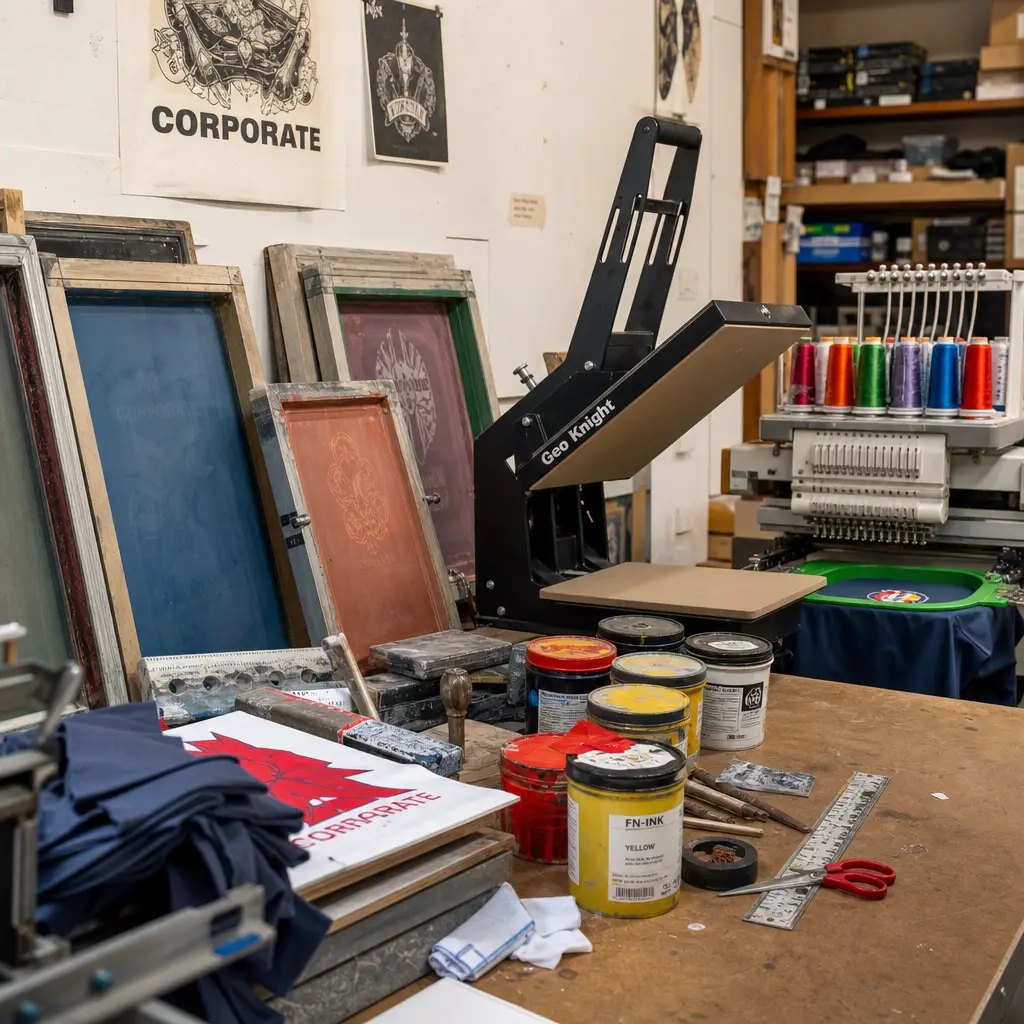
Why print proofing matters more on canvas wine carriers than on flat promo bags
A canvas wine carrier looks simple until the bottle goes inside. Once filled, the front panel stretches, the gusset opens, and the logo sits on a curved surface instead of a flat board. That means proofing for these bags is not just an artwork exercise. It is a product-use exercise. Tech startups often buy wine carriers for investor gifts, launch events, partner kits, holiday campaigns, or limited retail bundles. In those programs, the bag acts like packaging and branding at the same time, so a logo that looks acceptable on an empty sample can look off-center, wrinkled, or weak after the bottle is inserted.
The common purchasing mistake is to approve a PDF proof and one studio photo, then assume bulk production will match the visual. A better approach is to define the print around the real finished structure: panel width, seam allowance, bottle diameter, handle placement, and fabric texture. This is especially important when the artwork includes fine lines, small text, or dark solid fills. Canvas absorbs ink differently from coated paper packaging, and the woven texture can break edges or reduce opacity if the print method is not chosen correctly.
- Proof the logo on the actual canvas weight, not on a substitute swatch
- View the sample both empty and with a bottle inserted
- Measure print placement from seams and hem, not from visual center alone
- Treat bag shape and bottle fit as part of print approval
Start with the use case: gifting, resale, or channel packaging
The right proofing standard depends on what the bag is doing in the market. If the wine carrier is for event gifting, you may accept a stock natural canvas body, one-color print, and bulk packing because the priority is clean branding at a workable unit cost. If the same bag is for retail sale, subscription packaging, or distributor resale, the approval level usually needs to be tighter: cleaner print edges, better inner finishing, barcode labeling, stronger presentation when filled, and more controlled packing to prevent scuffing.
Procurement teams should write the intended use directly into the RFQ. Factories quote differently when they know whether the product is a giveaway, a premium gift-with-purchase, or a shelf item. This affects fabric choice, print method, packing labor, and acceptable defect thresholds. If suppliers are not given the use case, you may receive quotes that look comparable but are built on different assumptions, leading to confusion after sample approval.
- Event gifting usually favors lower MOQ and standard materials
- Retail programs often require cleaner trim, unit labeling, and more protective packing
- Corporate gift sets may need bottle fit testing with dividers or reinforced bottom panels
- Distributor orders may value carton efficiency and standard palletization over fancy unit presentation
Choose the right fabric weight and construction before discussing print
For most custom canvas wine carriers, 10 oz to 12 oz canvas, roughly 280 to 340 GSM, is the practical range. It gives enough body to hold a bottle cleanly while still sewing well at the gusset and handle joins. Lighter fabric can reduce cost, but many buyers regret it after seeing the bag sag under weight or the print look too textured and translucent. Heavier canvas can feel premium, but it also increases seam bulk, makes the bag harder to fold, and pushes up freight cost because cartons become heavier.
Construction details matter as much as GSM. A one-bottle bag should usually have a bottom gusset deep enough to support the base and a side or center seam arrangement that does not distort the main print panel. If the bag is intended for two smaller bottles or a bottle plus accessories, the divider seam and width allowance need to be approved with the real pack-out contents. A startup gift team may want a compact silhouette, but making the bag too narrow can cause the logo to bend around the bottle and look misregistered even when the print itself is centered.
- Common one-bottle canvas range: 280 to 340 GSM
- Natural cotton canvas prints differently from dyed black or deep-color canvas
- Bottom gusset stability is critical for visual presentation and bottle support
- Handle stitch area should not interfere with the top print zone
Pick print methods based on artwork behavior on textured fabric
Most startup logos on canvas wine carriers work best with screen printing because it handles solid brand marks, text, and simple icons at scale with relatively stable unit cost. It also allows Pantone matching, which matters when brand teams are strict on identity colors. However, screen printing on canvas still has limits. Very small text, hairline strokes, and large flooded dark areas can show broken edges, inconsistent coverage, or visible weave through the ink. Those are not always factory defects; often they are artwork-spec mismatches.
Heat transfer or digital transfer can be useful for smaller quantities or multi-color graphics, but buyers should review adhesion, handfeel, and edge definition on the approved fabric. Some transfers look crisp when new but crack, feel plasticky, or show a shiny patch that does not fit a natural-canvas look. For premium startup branding, simple usually performs better: one or two colors, solid fills, readable line weight, and enough margin from seams. Embroidery can work for minimal logos, but on a wine carrier it may pull the fabric and reduce panel smoothness unless backed correctly.
- Screen print is usually the most scalable choice for simple logos
- Transfers are useful for short runs but should be reviewed for handfeel and durability
- Avoid tiny reverse text on coarse canvas
- Allow margin around seams, gussets, and fold lines to protect visual balance
Build a print proofing workflow that catches errors before mass production
A reliable approval sequence has three stages. First is the digital layout proof, used to confirm artwork size, orientation, color references, and print position relative to the bag structure. Second is the physical print strike-off on the actual fabric. This step is where you judge color strength, edge sharpness, fabric show-through, and whether the artwork still reads well at real size. Third is the pre-production sample made with the approved material, print, and construction. Only at this stage can you evaluate how the logo behaves on the stitched, shaped, bottle-loaded bag.
Skipping any of those stages usually shifts risk into bulk production. Many startup teams move fast and want to save sample time, but the delay caused by a bad production run is far more expensive than one extra proof round. The key is to define what each approval stage covers. A digital proof should never be treated as final color approval. A strike-off should not be used to approve handle length. A PP sample should not be accepted if made on substitute canvas or with estimated print placement. Make the approval scope explicit so there is no argument later.
- Digital proof: layout, size, Pantone callout, print location
- Strike-off: opacity, edge quality, texture impact, readable text size
- PP sample: final construction, handle balance, bottle fit, real visual presentation
- Keep approval records dated and linked to PO version
Set practical acceptance criteria instead of vague quality language
Terms like good print quality or premium finish are not useful in a factory environment. Buyers get better results when they define measurable or visible standards. For example, print placement tolerance can be expressed from side seam and top hem within an agreed variance. Color approval can be tied to an approved strike-off under standard lighting. Stitching can be accepted if there are no skipped stitches on visible panels and handle joins are clean and symmetrical. For startup buyers managing multiple vendors, this level of clarity also makes quote comparisons easier because suppliers know the expected workmanship level.
QC thresholds should reflect the product category. A wine carrier is load-bearing, so seam security and handle balance deserve more attention than they might on a lightweight giveaway pouch. At the same time, the logo is front-facing, so print distortion on the visible panel is a commercial defect even if the bag still functions. A balanced QC standard covers both utility and presentation. This is important for importers and distributors who may not inspect every carton before resale.
- Approve print position by measured reference points
- Define acceptable fabric slub level if using natural canvas
- State whether minor ink texture from weave is acceptable
- Classify handle asymmetry, seam twisting, and print scuff as rejectable if visible in normal use
Understand MOQ logic and how it changes the real unit cost
MOQ on custom canvas wine carriers is rarely just a random factory policy. It is usually driven by material sourcing, screen setup, cutting efficiency, and packing labor. If you use stock natural canvas, a standard size, and one-color print, the MOQ may be relatively manageable. Once you request custom dyed fabric, multiple print colors, private label additions, or retail unit packing, the supplier needs more setup time and may raise MOQ or sample charges. Procurement teams should separate true MOQ from economic MOQ. A factory may technically accept a small order, but the unit cost may be poor because setup cost is spread over too few bags.
To compare supplier quotes properly, request options. Ask for pricing at more than one quantity break and specify whether each quote assumes stock or custom fabric. Also check if the print setup charge is absorbed, itemized, or repeated by color. For startup programs with uncertain demand, a common strategy is to launch with standard stock canvas and simpler print, then move to custom fabric color or upgraded packing once reorder volume is proven. That approach usually reduces first-order risk without blocking future brand upgrades.
- Stock fabric usually lowers MOQ and shortens material lead time
- Custom dyeing can require higher volume for stable shade economics
- More print colors increase setup and approval complexity
- Retail packing often raises labor cost more than buyers expect
Compare quotes using full cost logic, not only ex-factory unit price
A lower ex-factory price can hide more expensive freight, higher defect exposure, or extra warehouse labor after arrival. Canvas wine carriers are not high-value electronics, so packaging efficiency and carton planning have a noticeable impact on landed cost. If one supplier quotes tighter folding, sensible carton counts, and lower gross weight, that can offset a slightly higher unit price. The same applies to print quality. A cheaper quote using a weak transfer method may cost more if you have to rework event kits or write off inventory that looks off-brand.
For a fair comparison, line up the hidden variables: fabric GSM, handle spec, print method, sample stages included, inner packing, export carton size, and the basis for lead time. If a supplier does not define those points, the quote is incomplete. Buyers working under startup budgets should also compare the cost of speed. An expedited order with air freight may be acceptable for a launch event, but the economics change quickly if the product is bulky. A clear landed-cost review helps brand teams choose where to spend: on better print, stronger material, or faster delivery.
- Compare carton dimensions and gross weight, not just piece price
- Identify which sample costs are credited back on bulk orders
- Note if labels, hangtags, or barcodes are included or extra
- Review shipping mode assumptions before approving a quantity plan
Packing details can protect or destroy a good print job
Packing is often treated as an afterthought, but it directly affects print appearance on arrival. Dark or heavily inked prints can scuff or offset when bags are stacked under pressure, especially in humid conditions. If the wine carriers are for retail or premium gifting, rough bulk packing can undo careful proofing work. That does not mean every order needs expensive individual presentation. It means the packing method should match the ink coverage, transit route, and receiving process.
For many B2B orders, bulk packing by dozen with neat folding is sufficient, provided the print face is protected where needed. Tissue interleave or simple poly segregation may be enough. Individual polybags should be used only when resale presentation, barcode control, or cleanliness requirements justify the extra cost and labor. Carton spec matters too. Weak board or oversized cartons can collapse, causing handle creasing and panel distortion. Buyers should include carton count limits and gross weight preferences in the PO rather than leaving them open.
- Use interleave if heavy ink coverage creates rub risk
- Avoid oversized cartons that let bags shift excessively in transit
- Set practical carton gross weight for warehouse handling
- Add shipping marks, PO references, and barcode data at quote stage if needed
Plan the timeline from artwork release to vessel booking
Lead time on custom textile bags is usually lost in approval gaps, not only in sewing. A realistic schedule includes artwork cleanup, digital proof approval, strike-off review, PP sample approval, material booking, bulk cutting and printing, sewing, final inspection, and export packing. Startup teams often compress the front end and then get surprised when production cannot start because Pantone references were missing or bottle dimensions were not confirmed. The result is a rush later, often at the cost of more mistakes or more expensive freight.
A better sourcing workflow is to define milestone ownership internally before the RFQ goes out. Decide who approves artwork, who owns structural fit, and who signs off packing. If the bag is tied to an event date, build in buffer for one correction loop. Also ask suppliers what their quoted lead time is measured from. Some factories count from deposit receipt, while others count from final sample approval. Without that detail, two lead-time quotes may look equal but mean very different things.
- Approve bottle size early because structure and print position depend on it
- Book sample review time into the internal marketing calendar
- Clarify whether lead time starts at deposit, artwork approval, or PP sample approval
- Leave contingency for at least one revision if the product is launch-critical
Specification comparison for buyers
| Spec decision | Recommended option | When it fits | Buyer risk to check |
|---|---|---|---|
| Canvas weight | 10 oz to 12 oz cotton canvas, about 280 to 340 GSM | Best for one-bottle gift bags where branding matters and the bag must hold shape without feeling too bulky | Below 8 oz can look limp and print through unevenly; above 14 oz raises cost, seam bulk, and carton weight |
| Construction style | Single-bottle carrier with bottom gusset and center seam reinforcement | Suitable for startup gifting, holiday kits, channel partner events, and retail add-on packaging | Flat bags without a shaped bottom can tip over and distort the print area once a bottle is inserted |
| Print method | Pantone-matched screen print for simple logos; heat transfer only for short runs or multi-color artwork | Screen print fits most startup brand marks with solid fills and gives better repeatability at scale | Digital-looking gradients, tiny reverse text, and low-contrast colors often fail on textured canvas |
| Print area position | Centered on one panel with 20 to 25 mm clearance from seams and top hem | Helps maintain visual consistency across production and reduces distortion from stitching and folds | Artwork placed too close to gussets, handles, or fold lines can shift visually even if the print is technically on spec |
| MOQ route | Use stock fabric and standard size for lower MOQ; custom dyed fabric only for larger repeat programs | Good for startups testing event gifting or limited retail bundles before committing to large volumes | Custom dye lots at low quantity can create high unit cost and weak shade repeatability between reorders |
| Sample approval stage | Approve digital artwork layout, then physical print strike-off, then pre-production sample | Best for buyers who need both brand accuracy and confidence in seam, handle, and bottle fit | Approving only a PDF proof leaves unresolved issues in print handfeel, ink opacity, and panel distortion |
| Inner packing | Individual polybag only if resale requires it; otherwise bulk pack by dozen with tissue interleave if printed dark | Works for most distributor and event programs where cost and carton efficiency matter | Unnecessary retail-style packing adds cost and labor; no interleave can cause print scuffing in transit |
| Carton plan | Export carton packed by consistent count and gross weight under practical handling limits | Easier for importers comparing landed cost, warehouse put-away, and event kitting flow | Quote gaps often hide carton count differences, oversized cartons, or weak board grade that increases damage risk |
Buyer checklist before sampling
- State bottle format the bag must fit: standard 750 ml wine, champagne, or mixed bottle diameters
- Specify canvas weight in GSM or oz, not only 'canvas material'
- Define finished bag dimensions including gusset depth, handle drop, and any divider seam
- Provide vector artwork and Pantone references for every printed color
- Mark the exact print area with distance from side seam, bottom seam, and top hem
- Set acceptance criteria for logo sharpness, ink opacity, and acceptable print position variance
- Decide whether the factory should quote stock fabric, custom dyeing, or both options
- Request a print strike-off on actual fabric before pre-production sample approval
- Clarify if bags are for gifting, resale, subscription boxes, or retail shelves because packing standards differ
- List carton count target, unit packing, shipping marks, and any barcode or suffocation warning requirements
Factory quote questions to send
- What canvas weight are you quoting in both oz and GSM, and what is the fabric weave composition?
- Is the quoted material stock natural canvas, bleached canvas, or custom dyed fabric?
- Which print method are you quoting for this logo, and why is it the most stable option on this fabric?
- What print size tolerance and placement tolerance can you hold in bulk production?
- Will you provide a digital proof, print strike-off, and pre-production sample, and which costs are included?
- What is the MOQ based on: print color count, fabric availability, bag size, or packing method?
- How many bottles have you tested in this bag size, and what bottle diameter range fits without stressing the side seams?
- What handle construction is quoted: self-fabric handles, webbing handles, or reinforced stitched handles?
- How are dark prints protected in packing to reduce offset, abrasion, or scuff transfer during shipment?
- What carton dimensions, carton count, and gross weight are assumed in the quote?
Quality-control points to confirm
- Fabric weight should match approved spec within a practical mill tolerance and remain consistent across the bulk lot
- Finished dimensions should be checked with and without bottle insertion because panel shape can change under load
- Logo color should be compared to approved Pantone or strike-off under neutral light, not warehouse yellow lighting
- Print placement must be measured from fixed construction points such as seam and hem, not judged by eye
- Ink coverage should be even with no pinholes, heavy bleeding, ghost image, or obvious screen drag marks
- Handle attachment should be tension-tested for stitch security and symmetry so loaded bags do not lean visibly
- Bottom gusset seams must lie flat and support the bottle base without twisting the front print panel
- Bulk packing should be checked for print offset, moisture exposure, and carton crush resistance before container loading