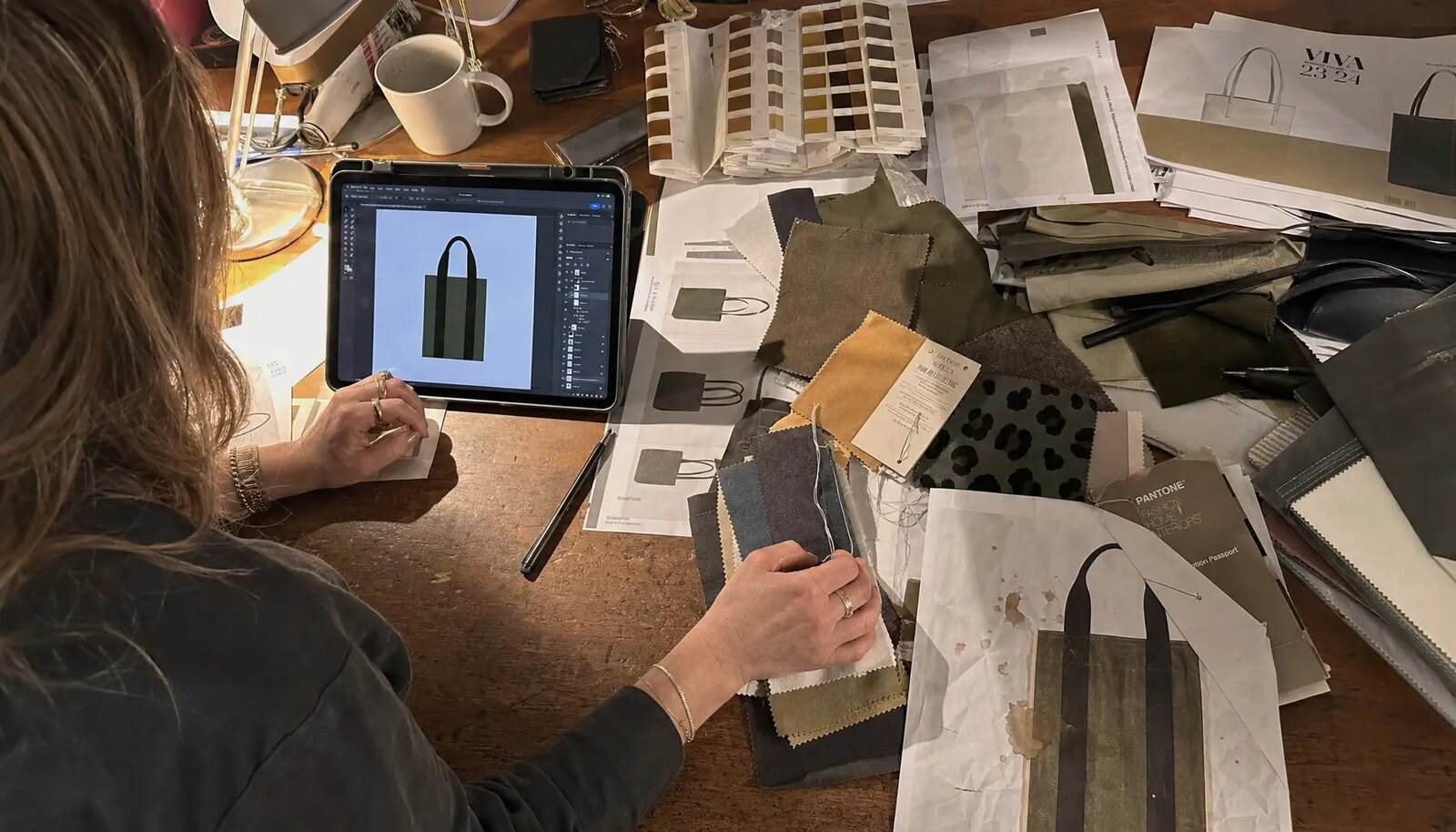
Start MOQ Negotiation From the Use Case
Custom canvas wine carriers for hotel retail are not all the same product. A room amenity bag may only need to look neat for one bottle delivered with a welcome card. A lobby shop carrier must stand on a shelf, survive guest handling, and support a paid retail price. A distributor program may need multiple hotel logos, shared base fabric, and repeat replenishment without changing the pattern every order.
MOQ negotiation becomes easier when the buyer separates the base construction from the branding variation. The factory's real constraint is usually not sewing 300 bags; it is fabric purchasing, cutting efficiency, print setup, and production line changeover. If several hotels can use the same size, canvas color, handle, divider, and packing, the order can often be discussed as one production run with different logo setups.
- For pilot hotel retail orders, keep one standard carrier size and vary only the print.
- For seasonal gift programs, combine designs under one fabric color to improve cutting yield.
- For premium retail, spend negotiation effort on canvas weight, divider stability, and finishing rather than unusual trims.
- For distributor resale, request tier pricing by total quantity and by design count so the landed cost is visible.
Choose Canvas Weight Before Chasing Price
Canvas weight drives the feel, shelf posture, sewing speed, and freight weight of a wine carrier. Many buyers write cotton canvas bag in an RFQ without naming oz or GSM, then receive quotes that look cheaper but are based on a lighter fabric. For wine carriers, 10 oz to 12 oz canvas is usually a practical middle range. It has enough body for hotel retail, accepts screen printing well, and remains manageable for folding and carton packing.
A very light canvas can look acceptable in a flat photo but collapse when a bottle is inserted. A heavy 14 oz or 16 oz canvas looks more premium but increases fabric cost, needle wear, seam bulk, and carton weight. It can also make the bottom corner less clean if the pattern is not adjusted. If the retail price point is modest, a well-sewn 12 oz carrier often sells better than an overbuilt bag with a weak print or poor handle finish.
- 8 oz canvas: use only for very low-cost promotional gifting, not premium retail display.
- 10 oz canvas: suitable for simple single-bottle carriers and larger quantity hotel programs.
- 12 oz canvas: recommended default for most branded hotel retail wine carriers.
- 14 oz canvas: use when the product must feel more structured and the buyer accepts higher freight and sewing cost.
- Natural canvas: check slubs, seed flecks, and shade variation before promising a clean luxury appearance.
Pattern Details That Affect Retail Performance
The bag pattern should be built around the actual bottle, not only the phrase 750 ml. Burgundy, Bordeaux, sparkling, and local winery bottles can differ in shoulder shape, diameter, and height. A narrow carrier may look elegant but frustrate staff when bottles are loaded at checkout. A carrier that is too wide allows the bottle to lean, which makes the bag look cheap on shelf and uncomfortable in the guest's hand.
For two-bottle canvas wine carriers, the divider is the part most often under-specified. A loose center panel may reduce cost, but it allows bottles to knock together. A sewn-in divider attached to the side seam and bottom seam gives better stability. The bottom gusset also matters: if it is too shallow, the bag cannot stand; if it is too wide, the carrier becomes bulky and carton volume increases.
- Provide bottle height, base diameter, shoulder diameter, and loaded weight in the RFQ.
- State whether the bag must stand upright when filled and when empty.
- For two-bottle styles, define divider height and attachment points.
- Confirm handle drop based on hand carry, not shoulder carry, unless the retail concept requires a longer strap.
- Use a physical bottle load test before approving the production pattern.
Print Method And Branding Tradeoffs
Most hotel retail wine carriers use screen printing because it gives a clean solid logo, good cost control, and reliable output on cotton canvas. It is strongest when artwork uses one to three spot colors and does not require tiny gradients. The buyer should specify print size, print location, Pantone references, and whether slight texture from the canvas weave is acceptable. Canvas is not coated paper; ink sits on a woven surface and very fine lines may not stay sharp.
Heat transfer can help with small details, full-color marks, or short runs with many logo variations, but the film quality and curing process need attention. A low-grade transfer can feel plastic, crack after folding, or stick if packed too soon. Embroidery gives a premium feel but may pucker lighter canvas and is slower for large orders. Woven labels are useful when multiple hotel properties share the same base bag and need a small brand mark without changing the whole front panel.
- Screen print: best for solid logos, repeat orders, and strong unit economics.
- Heat transfer: useful for detailed artwork, but test folding and rub resistance.
- Embroidery: premium appearance, but check puckering, thread color, and back-side finish.
- Woven label: efficient for multi-property programs using one shared carrier construction.
- Large front prints need enough curing time before folding to avoid carton marks.
How MOQ Really Works At The Factory
MOQ is not one fixed number. A factory may accept a low sewing quantity if the fabric is already in stock, the pattern is standard, and the print is simple. The same factory may require a much higher MOQ for custom dyed canvas, special webbing, unusual hardware, or many small logo versions. Buyers get better results when they ask which part of the specification is creating the MOQ, rather than only asking for the lowest number.
For hotel retail, a useful negotiation structure is to separate base MOQ, color MOQ, and design MOQ. For example, the base carrier might be produced in 1,000 pieces using natural 12 oz canvas, then split into four hotel logos of 250 pieces each. The factory still has four print setups, but cutting and sewing remain efficient. This type of structure is often more realistic than asking for 250 pieces in four different fabric colors and four different patterns.
- Base MOQ: quantity needed to cut and sew the bag efficiently.
- Fabric MOQ: quantity required by fabric stock, dye lot, or mill purchase.
- Print MOQ: quantity needed to justify screens, setup, and color matching.
- Packing MOQ: quantity affected by printed hangtags, barcode labels, or custom cartons.
- Reorder MOQ: quantity the factory can accept after the first approved production run.
Cost Drivers To Show In The Quote Sheet
A good quote for custom canvas wine carriers should not only show one unit price. Procurement teams need the cost structure to compare suppliers fairly. Fabric weight, bag size, divider construction, handle reinforcement, print method, number of print colors, packing method, and inspection requirement can all change the price. If one quote is 15 percent lower but excludes screen charges, inner divider, or export packing, it is not a real saving.
For negotiation, request price tiers at realistic quantities: 300, 500, 1,000, 2,000, and 5,000 pieces. Also ask whether the tier is per design or combined across designs. This is important for hotel groups and distributors managing several properties. A supplier may give 1,000-piece pricing if the fabric and sewing are combined, while charging separate print setup fees for each logo. That arrangement can lower unit cost without forcing every hotel to hold excess inventory.
- Show fabric cost impact by quoting at least two canvas weights.
- Separate one-time screen, sampling, and artwork setup charges from unit price.
- Quote single-bottle and two-bottle divider versions separately.
- List carton quantity, carton size, and gross weight for landed-cost comparison.
- State whether hangtags, barcode stickers, retail belly bands, or polybags are included.
Sample Approval Should Simulate Bulk Production
A sample made from substitute fabric is useful for shape discussion, but it is not enough for bulk approval. The pre-production sample should use the approved canvas weight, approved color, actual print process, correct divider, final handle stitching, and intended packing fold. This is the sample that procurement, merchandising, and quality teams should sign off before cutting bulk fabric.
The most common sample mistake is approving only the logo appearance and missing load performance. A wine carrier is a functional bag. Test it with the heaviest bottle expected in the program. For two-bottle carriers, load two bottles and carry the bag for several minutes by the handle. Look for handle distortion, seam stress, bottom sagging, divider movement, and bottle impact. These checks are simple but prevent many retail complaints.
- Measure sample dimensions empty and loaded, then record approved tolerances.
- Hang the filled bag to observe handle stretching and seam stress.
- Rub the print with dry and slightly damp white cloth after curing.
- Fold the sample as packed and inspect whether the print creases or sticks.
- Place the filled bag on a shelf to confirm it stands cleanly for retail display.
Packing And Presentation For Hotel Retail
Packing is not only a logistics detail. For hotel retail, the bag may go from factory carton to distributor warehouse, then to hotel storeroom, then to a lobby shelf. If the canvas arrives heavily creased, the front print is marked, or the handle is twisted, staff may reject it even if the sewing is technically acceptable. Flat packing usually works well, but the fold line must avoid heavy print areas where possible.
Retail-ready extras should be specified early because they affect MOQ and lead time. Hangtags, barcode labels, belly bands, recycled paper sleeves, and inner tissue can support store handling, but they also create more approval points. If every hotel property needs a different barcode or tag, the packing station becomes more complex. A clean shared packing method with property-specific carton marks is often more efficient than fully customized retail packaging for each small batch.
- Use flat packing when freight efficiency is more important than rigid shelf display.
- Avoid folding directly across thick ink, transfer film, or embroidery.
- Specify carton quantity so hotel receiving teams can count inventory quickly.
- Add carton liner if natural canvas must stay clean during long sea shipment.
- Use retail hangtags only when they support scanning, pricing, or brand storytelling.
Lead Time Risks Buyers Often Underestimate
Lead time for custom canvas wine carriers is affected by more than sewing capacity. Fabric availability, dyeing, artwork confirmation, screen making, sample approval, print curing, final inspection, and export booking all add time. A buyer who negotiates a low MOQ but delays artwork approval can still miss the hotel launch date. The safest schedule starts from the required in-store date and works backward through freight, customs, distribution, inspection, production, and sample approval.
For a repeat order using the same fabric, same artwork, and same packing, lead time can be much shorter than a first order. For a first custom program, the buyer should protect time for one sample revision. This is especially important when the bag must fit a winery partner's bottle or match a hotel brand color. Rushing the first sample stage often causes bigger delay later because bulk production has to stop for corrections.
- Artwork and Pantone approval should be completed before screen making starts.
- Custom dyed canvas adds mill scheduling and shade approval risk.
- Large prints need curing time before folding and carton packing.
- Inspection should happen after packing but before final export release.
- Peak season shipping can erase any factory time saved by rushing sample approval.
Landed-Cost Comparison And Supplier Evidence
Procurement teams should compare quotes at landed-cost level, not only FOB unit price. A heavier canvas, larger carton, or inefficient packing can increase sea or air freight cost. A lower unit price from a supplier with unclear fabric weight, no carton data, and no sample testing may become expensive once defects or freight volume are included. The quote should provide enough data for finance and logistics to calculate a realistic cost per sellable unit.
Supplier evidence should be practical and production-related. Request photos of similar canvas wine carriers, available fabric swatches, stitching details, print samples on canvas, and carton packing examples. A serious factory can explain the difference between stock fabric MOQ and custom dyed fabric MOQ. It can also tell you where the handle reinforcement, divider seam, and print curing process affect cost. These details are more useful than a broad claim about being a professional bag supplier.
- Compare FOB price together with carton CBM, gross weight, and pieces per carton.
- Request photos of actual stitching, divider, bottom gusset, and handle reinforcement.
- Keep approved fabric swatch and print sample as reference for bulk inspection.
- Clarify whether production is in-house or subcontracted for printing and sewing.
- Use reorder performance and shade consistency as negotiation points for long-term supply.
Specification comparison for buyers
| Spec decision | Recommended option | When it fits | Buyer risk to check |
|---|---|---|---|
| Canvas weight | 10 oz to 12 oz cotton canvas for most hotel retail wine carriers | Works for one-bottle and two-bottle carriers sold in gift shops, tasting rooms, and minibar retail programs | Below 8 oz can collapse on shelf; above 14 oz may raise freight weight and make seams bulky |
| MOQ negotiation route | Use factory stock fabric and standard bottle dimensions before requesting custom dyeing | Best when the buyer needs 300 to 1,000 pieces per design for pilot hotel retail orders | Custom color fabric usually needs higher fabric mill MOQ and longer lead time than bag sewing MOQ |
| Printing method | Screen print for solid hotel logos; heat transfer for small gradients or detailed artwork | Screen print fits repeat retail programs with 1 to 3 spot colors and good unit cost | Heat transfer can crack if low-grade film is used or if the bag is folded across the print during packing |
| Bottle capacity | Single-bottle carrier for amenity gifting; two-bottle divider style for retail upsell | Single-bottle bags suit room packages; two-bottle carriers suit lobby shops and winery partnerships | Divider height and bottom width must match actual bottle diameter, not only nominal 750 ml volume |
| Handle construction | Self-fabric handles with box stitch or cross stitch reinforcement | Good balance of retail appearance, load strength, and factory efficiency | Rope handles or metal eyelets add cost, slow production, and may scratch bottles if not positioned correctly |
| Inner divider | Same canvas divider sewn into side seam and bottom seam for two-bottle styles | Prevents bottle clinking during guest carry-out and retail handling | Loose dividers look cheaper and can shift when the guest carries two heavy bottles |
| Packing format | Flat packed in export carton with tissue or kraft separator only when print needs protection | Controls freight volume for distributors and hotel retail replenishment orders | Overly tight compression can crease canvas and mark wet-feeling prints if curing is not complete |
| Supplier type | Direct bag factory for repeat custom programs; trading company only if bundling many hotel items | Direct factory is stronger for MOQ negotiation, sample control, and repeat shade consistency | Trading quotes may hide sewing subcontractors, making QC responsibility and remake terms harder to enforce |
Buyer checklist before sampling
- Define whether the carrier is for room gifting, lobby retail, winery collaboration, or distributor resale before setting the MOQ target.
- State bottle count, bottle diameter, bottle height, and loaded weight instead of writing only 750 ml wine bag.
- Specify canvas weight in oz or GSM, fabric color, shrinkage tolerance, and whether natural cotton slubs are acceptable.
- Lock artwork size, print location, Pantone references, and print method before comparing supplier prices.
- Request one pre-production sample using the approved fabric, approved print, actual divider, and final packing method.
- Set acceptable seam allowance, handle pull strength, print adhesion, and carton drop expectations in the PO.
- Separate one-time setup charges, sample charges, mold or screen costs, and unit price tiers in the quote sheet.
- Confirm carton quantity, carton dimensions, gross weight, and HS code before calculating landed cost.
- Reserve production time for fabric arrival, printing cure, sewing, inspection, packing, and export booking.
- Do not approve bulk production from a digital mockup only; approve a physical sample with a real bottle load test.
Factory quote questions to send
- What is the lowest MOQ using your regular natural or dyed canvas stock, and what changes if we require a custom Pantone dyed fabric?
- Which canvas weights are available now, and can you quote 10 oz, 12 oz, and 14 oz versions separately with estimated GSM?
- Is the quoted price based on screen print, heat transfer, embroidery, woven label, or another decoration method?
- How many print colors are included, and what is the screen charge or setup charge per color and per design?
- Can the two-bottle divider be sewn into both the side seam and bottom seam, and what is the additional cost versus no divider?
- What bottle diameter and height did you use for the pattern, and can you test with our actual bottle or a provided dummy bottle?
- What are the sample lead time, sample cost, and conditions for refunding or crediting sample charges after bulk order?
- What are the unit price breaks at 300, 500, 1,000, 2,000, and 5,000 pieces per design or per combined order?
- Can different hotel logos share the same fabric and bag size to reach a combined MOQ, with separate print setup charges?
- What are the packed carton dimensions, pieces per carton, gross weight, and recommended packing method to avoid print marks?
Quality-control points to confirm
- Canvas weight should match approved sample within practical mill tolerance; major hand-feel changes require buyer approval.
- Bag dimensions should hold the buyer's actual bottle with enough clearance for easy loading but not so much that the bottle tips.
- Handles should pass a loaded hang test using at least the expected retail load plus a safety margin.
- Divider stitching should be straight, secure, and positioned so two bottles do not hit each other at the shoulder or base.
- Print color should match approved Pantone target within reasonable textile tolerance and should not bleed into canvas slubs.
- Print adhesion should pass a basic rub test after curing and should not block, stick, or transfer inside the carton.
- Seams should show no skipped stitches, loose threads, open corners, or uneven bottom folds visible on retail display.
- Cartons should use consistent quantity, protective liner if needed, export-strength tape, and clear shipping marks.