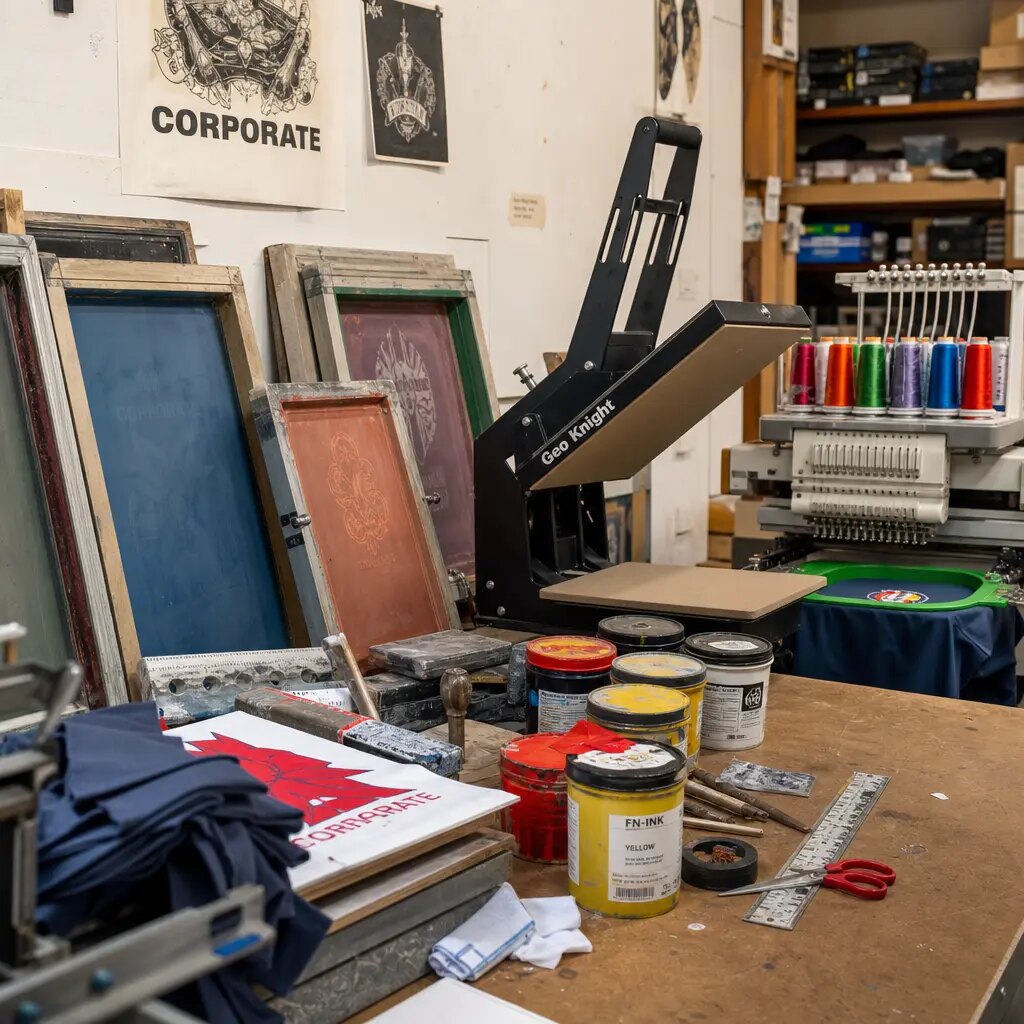
Start With the Retail Use Case, Not the Artwork File
For hotel retail, a canvas messenger bag is not only a printed souvenir. It may sit in a boutique shop, spa reception area, resort market, conference welcome desk, or in-room retail display. The print proof must therefore be judged as a sellable product, not as a flat logo reproduction. A clean logo on a digital PDF can still fail when printed on coarse canvas, bent over a flap, packed tightly in cartons, or displayed under warm lighting.
Before the factory prepares a proof, define how the bag will be used and sold. A resort gift shop may prefer a structured 16oz canvas bag with a subtle one-color logo. A conference hotel may choose lighter 12oz canvas with a larger print area to hold documents and amenity items. A boutique hotel retail brand may add a woven side label, antique brass hardware, and custom paper hangtag. Each choice affects the print proof because the artwork must work with the fabric, flap, strap, hardware, and packing method.
- For tourist retail, prioritize flap shape, shoulder comfort, and visible front branding.
- For conference kits, confirm A4 or letter-size document fit and bottom seam strength.
- For spa or boutique retail, test understated logo size, natural fabric shade, and soft handfeel.
- For multi-property hotel groups, standardize Pantone, label position, carton marks, and reorder code.
Choose Canvas Weight Before Approving Print Detail
Canvas weight changes the appearance of the print more than many buyers expect. A 10oz canvas can accept a sharp screen print but may feel too soft for a retail messenger bag unless reinforced with lining or interfacing. A 12oz canvas, often around 380 GSM, is a practical starting point for hotel retail because it balances structure, cost, sewing efficiency, and freight weight. A 16oz canvas, often around 540 GSM, gives a more premium handfeel but increases material cost, carton weight, and needle requirements during sewing.
The proof should be made on the same canvas weight and color intended for bulk production. Natural canvas varies from creamy beige to greyish off-white depending on yarn, bleaching, and finishing. That base shade affects ink color. Navy, forest green, terracotta, or black dyed canvas usually needs stronger ink coverage or a white underbase for accurate logo color. If the supplier proofs on available 12oz natural canvas but quotes bulk production in 16oz dyed canvas, the proof is not a reliable approval tool.
- Use 10oz to 12oz only when price and packability matter more than structure.
- Use 12oz to 14oz for balanced hotel retail programs and moderate bulk order quantities.
- Use 16oz or heavier for premium retail, heavier contents, and stronger shelf presence.
- Record both ounces and GSM in the RFQ because suppliers may use different local fabric references.
Match Print Method to Canvas Surface and Brand Standard
Screen printing is usually the most stable option for custom canvas messenger bags when the artwork uses solid colors, hotel marks, line illustrations, or simple resort branding. It gives good coverage, reasonable unit cost, and predictable repeatability after the screen is set. For hotel retail orders, screen printing also makes it easier to control logo placement on the flap or front panel. The main limitation is that each color adds setup, registration work, and potential color variation on textured canvas.
Heat transfer, digital transfer, DTG, embroidery, woven patches, and leather patches each solve different problems. Heat transfer can reproduce gradients, small type, or photo-style artwork, but buyers should test edge lift and cracking where the flap bends. DTG can work for complex designs on light canvas but may not be ideal for high-abrasion retail use unless pretreatment and curing are controlled. Embroidery feels premium but can distort lightweight canvas and raise cost at larger stitch counts. A woven patch or sewn label is useful when the hotel wants a quieter retail look rather than a large printed logo.
- Choose screen print for 1 to 4 solid colors and repeatable hotel brand marks.
- Choose heat transfer only after bend, rub, and edge adhesion testing on the final flap fabric.
- Choose embroidery for small premium logos, not large filled artwork across a soft panel.
- Choose woven patch or side label when the retail design should feel less promotional.
Build the Print Proof Around Measurable Acceptance Criteria
A useful print proof is not just a pretty sample photo. It must state what is acceptable for bulk production. For a messenger bag flap, the logo may need to sit centered horizontally within plus or minus 3 mm and vertically within plus or minus 3 mm from the approved position. For a larger front panel print, plus or minus 5 mm may be more realistic because fabric cutting, sewing, and pressing all add movement. If the artwork is near a seam, snap, rivet, or flap curve, the tolerance should be agreed before bulk cutting begins.
Color approval should also be physical. A Pantone reference is important, but canvas absorbs ink and changes the perceived shade. The factory should provide a print strike-off or pre-production sample under daylight and indoor warm light. Hotel retail areas often use warm LED lighting, wood shelving, and soft display light, so a logo that looks correct under office white light may appear dull or too yellow in-store. The approved sample should be signed, photographed, sealed, and used as the factory reference during printing.
- Set logo size in millimeters, not only as a percentage of artwork file size.
- Measure from fixed bag points such as flap edge, side seam, or centerline.
- Define whether minor canvas slub marks under the print are acceptable.
- Reject proofs with ink bleeding, fuzzy edges, pinholes, or uneven underbase coverage.
Understand MOQ Logic Before Comparing Supplier Quotes
MOQ for custom canvas messenger bags is driven by more than the number of finished bags. Fabric availability, dyeing batch size, screen setup, hardware sourcing, strap color, label production, and packing materials all create separate minimums. A factory may accept 300 pieces for a natural canvas bag with one-color print using stock webbing and standard hardware. The same bag may move to 500 or 1000 pieces if the buyer requests custom dyed canvas, custom metal fittings, a private woven label, barcode sticker, printed hangtag, or gift box packing.
When comparing quotes, separate true production MOQ from commercial preference. Some suppliers quote low MOQ by using stock fabric and manual cutting, but the unit price may be higher and color consistency may vary between reorders. Other factories quote a higher MOQ because they buy fabric rolls directly, run automated cutting, and control sewing lines more consistently. For hotel retail, the best MOQ is not always the lowest number. It is the quantity that allows the product to meet retail quality, brand consistency, and landed-cost targets without creating excess unsold stock.
- Ask for MOQ by component: fabric, print, strap, hardware, label, and packing.
- Clarify whether the sample cost is refundable or separate from bulk order value.
- Request price breaks at realistic order levels such as 300, 500, 1000, and 3000 pieces.
- Compare carton volume and shipping weight because heavier canvas can erase a small unit-price saving.
Use the Sample Stage to Prevent Bulk Production Mistakes
The first sample should solve construction and print risk before bulk approval. For a messenger bag, the sample must confirm finished size, flap coverage, strap length, strap adjustability, gusset depth, closure position, lining if used, and print placement. If the logo sits on the flap, test how it looks when the bag is empty and when filled. Some flap prints look centered on a flat table but tilt forward after the bag carries weight. This is a common issue when the flap is too soft or the closure pulls the panel downward.
A pre-production sample should use final materials, not substitute fabric unless clearly marked as a construction-only sample. If the supplier cannot use final dyed canvas or final hardware at the first sample stage, split the approval into two steps: construction approval and material or print approval. Do not release bulk production until both are confirmed. A photo approval can help move quickly, but hotel retail buyers should still keep one physical approved sample for final inspection comparison.
- Load-test the sample with typical retail contents such as tablet, brochure, water bottle, or amenity pack.
- Open and close the flap repeatedly to see whether the print creases at the same point.
- Measure strap length at shortest and longest settings for adult tourist use.
- Confirm that the packed sample does not crease the printed flap or deform the bag shape.
Control Quote Data So Prices Are Comparable
Many messenger bag quotes look cheaper because they exclude details that will later become add-on costs. A reliable RFQ should include finished dimensions, canvas weight, fabric color, lining requirement, print method, number of print colors, logo size, print location, strap material and width, hardware finish, closure type, label type, hangtag, packing method, carton quantity, inspection requirement, and trade term. Without these details, suppliers will fill the gaps with their cheapest standard option, and the buyer will compare prices that do not represent the same product.
The quote should also identify one-time charges and variable charges. Screen setup, artwork adjustment, strike-off, sample courier, custom label tooling, custom hardware mold, and retail barcode setup may not be included in the unit price. For hotel retail importers, landed cost matters more than ex-factory price alone. A 16oz bag with metal fittings and individual packing may look competitive at the factory gate but become expensive by air freight or small-volume sea shipment. Ask for carton size and gross weight early, not after production is finished.
- Require quotes to show unit price, sample cost, setup charges, packing cost, and estimated carton CBM.
- Separate FOB, EXW, CIF, and DDP comparisons instead of mixing trade terms.
- Ask whether quoted price assumes stock fabric or custom fabric production.
- Include expected inspection standard and who pays for failed reinspection.
Set Practical QC Thresholds for Retail Appearance
Hotel retail buyers need tighter visual control than giveaway programs. A guest buying a canvas messenger bag from a resort shop will notice crooked printing, loose threads, dirty canvas, uneven flap corners, and hardware scratches. Final inspection should therefore classify visible front-panel and flap defects more strictly than inside defects. The print area should be treated as a critical cosmetic zone because it carries the hotel brand and drives shelf appeal.
Inspection should cover fabric defects, print defects, sewing defects, hardware function, measurement, packing, and carton marking. For print, common reject conditions include wrong color, off-center placement beyond tolerance, ink bleeding, pinholes in solid areas, poor curing, transfer marks, and smudges. For sewing, reject open seams, skipped stitches at stress points, twisted straps, uneven flap edges, and weak bartacks. If the order is large, request inline checks after the first bulk print run and first sewing batch, not only final inspection.
- Use plus or minus 3 mm logo tolerance for flap prints when construction allows it.
- Use plus or minus 5 mm tolerance for larger panel prints or softer canvas structures.
- Treat stains, oil marks, and obvious yarn contamination on the front as major defects.
- Test strap anchors and flap closures because hotel shoppers often handle display pieces repeatedly.
Plan Packing for Shelf Display and Export Handling
Packing is part of print proofing because a perfect logo can be damaged by poor carton loading. Freshly printed canvas should be fully cured before folding or stacking. If the flap is folded hard against a strap buckle, snap, or another printed surface, pressure marks may appear during ocean freight. For retail programs, the buyer should approve a packing trial that shows the folding method, inner protection, hangtag position, barcode label, and carton arrangement.
Individual packing depends on the retail channel. A recyclable polybag protects against moisture and handling but may not fit a plastic-reduction policy. A paper belly band gives a cleaner retail look but offers less moisture protection. A swing tag can carry brand story, SKU, barcode, and care instructions, but it should not punch through a visible area or rub against the print. Cartons should avoid over-compression, especially for structured 16oz canvas bags with shaped flaps.
- Approve one packed sample before bulk packing starts.
- Use tissue or paper interleaving if the print surface touches hardware or another printed panel.
- Limit carton weight so warehouse handling does not crush lower layers.
- Mark cartons by SKU, color, quantity, gross weight, net weight, and destination property if needed.
Protect the Schedule From Proofing and Rework Delays
Lead time risk usually starts before production, not during sewing. Artwork files arrive incomplete, Pantone references are missing, hotel logo usage rules are unclear, or the buyer approves a digital mockup without checking physical ink on canvas. A practical schedule separates artwork review, print strike-off, construction sample, pre-production sample, bulk material booking, printing, sewing, QC, packing, and shipping. If any approval step is skipped, the buyer may save a few days but risk a full batch of unsellable bags.
For planning purposes, simple natural canvas messenger bags with one-color screen print usually move faster than dyed canvas, custom hardware, or multi-location printing. Sample development may take one to three weeks depending on material availability and courier time. Bulk production may take several additional weeks after sample approval, with longer timing during peak seasons or before major holidays. Treat these as planning examples, not guaranteed delivery promises. The RFQ should ask the supplier to state the current realistic lead time based on their production calendar.
- Freeze artwork before the factory orders screens or prepares transfers.
- Reserve extra days for hotel brand team approval if multiple departments review the sample.
- Avoid changing bag size after print proof approval because logo placement will shift.
- Request first-bulk photos before the full run is printed, especially for repeat orders with new operators.
Specification comparison for buyers
| Spec decision | Recommended option | When it fits | Buyer risk to check |
|---|---|---|---|
| Canvas weight | 12oz to 16oz cotton canvas, approximately 380 to 540 GSM | Hotel retail bags that need structure, daily-use durability, and a premium handfeel | Too light fabric may collapse under display lighting; too heavy fabric increases freight and sewing difficulty |
| Print method | Screen print for solid hotel logos; heat transfer only for gradients or small photo detail | Most resort, spa, boutique hotel, and gift shop artwork with 1 to 4 spot colors | Ink handfeel, cracking on flap fold lines, and color shift after pressing or curing |
| Bag construction | Full flap with reinforced stress points and adjustable cotton webbing strap | Retail messenger bags intended for tourists, staff gifts, conference kits, or amenity upsells | Logo position may distort if the flap shrinks, curves, or pulls after stitching |
| Proof type | Pre-production sample using final fabric, final ink, final strap, and final packing | Orders where the bag will be sold at hotel retail rather than used as a low-cost giveaway | Digital proofs alone do not show ink absorption, edge sharpness, or flap alignment |
| MOQ logic | 300 to 500 pieces for simple natural canvas; higher MOQ for dyed fabric, custom hardware, or all-over print | Seasonal hotel retail programs where sell-through is tested before larger reorder | Low MOQ quotes may use stock fabric colors, limited print area, or manual cutting tolerance |
| Color control | Pantone reference plus approved physical swatch under daylight and indoor warm light | Hotel brands with strict identity standards across signage, uniforms, and retail packaging | Canvas base color affects the printed shade; white ink underbase may be needed on dark canvas |
| Packing format | Individual recyclable polybag or paper belly band, then export carton with moisture control | Retail shelf display, back-of-house storage, or distribution to several hotel properties | Over-compressed cartons can crease the flap and mark fresh ink |
| QC inspection | AQL-based final inspection plus 100 percent review of logo placement on the first bulk batch | Importers who need consistent retail appearance across multiple cartons and locations | Random inspection may miss print drift if the factory changes operators or screens mid-run |
Buyer checklist before sampling
- Define the bag size, flap size, gusset depth, strap width, and target packed weight before requesting artwork proofing.
- Specify fabric in ounces and GSM, such as 12oz cotton canvas around 380 GSM or 16oz canvas around 540 GSM.
- Send vector artwork with Pantone references, print dimensions, logo location measured from bag edges, and any required underbase.
- Require a physical pre-production sample made with final fabric, final ink, final stitching, final strap, and final packing.
- Approve print color under both daylight and warm indoor lighting because hotel retail shops often use mixed lighting.
- Set logo placement tolerance, commonly plus or minus 3 mm for flap prints and plus or minus 5 mm for larger panel prints.
- Confirm whether the artwork crosses seams, flap fold lines, magnetic snaps, rivets, or bartack positions.
- Review ink rub resistance, wash or spot-clean behavior, and cracking risk before approving bulk production.
- Lock carton packing method, inner quantity, carton weight, carton marks, and moisture protection before production starts.
- Keep one signed approval sample with the buyer and one sealed production reference sample at the factory.
Factory quote questions to send
- What canvas weight, fiber composition, shrinkage range, and color availability are included in this quote?
- Is the quoted print method screen print, heat transfer, DTG, embroidery, woven patch, or another process?
- Does the price include a white underbase, Pantone ink matching, screen charges, artwork setup, and sample remake if the first proof fails?
- What MOQ applies to the bag body, dyed canvas, custom strap color, custom hardware, private label, and retail packing separately?
- What is the exact sample lead time after artwork confirmation and what is the bulk lead time after sample approval?
- Will the pre-production sample use the final bulk fabric and final ink, or only similar available materials?
- What print placement tolerance, color tolerance, stitching tolerance, and defect classification will be used during QC?
- How many pieces are packed per carton, what is the estimated carton size and gross weight, and can carton compression damage the flap print?
- Can the factory provide photos or video of first bulk print, inline sewing, packing trial, and carton drop condition before shipment?
- Which quote items are optional costs, such as metal hardware upgrade, reinforced inner lining, woven side label, swing tag, or barcode sticker?
Quality-control points to confirm
- Fabric GSM should match the approved specification within the agreed tolerance, with no obvious shade panel mismatch.
- Print color should match the approved physical proof more closely than a monitor proof, especially on natural canvas.
- Logo placement should stay within the signed tolerance from flap edge, side seam, or bag centerline.
- Ink should not crack, smear, transfer, or show pinholes after normal flap bending and light dry rub testing.
- Stitching should be straight at flap edges, strap anchors, bottom corners, and gusset seams with reinforced stress points.
- Hardware should open, close, slide, and fasten smoothly without staining the canvas or scratching the printed logo.
- Finished bag dimensions should be measured after sewing, not estimated from cut panels.
- Retail packing should protect the print surface from carton pressure, moisture, and abrasion during export transit.