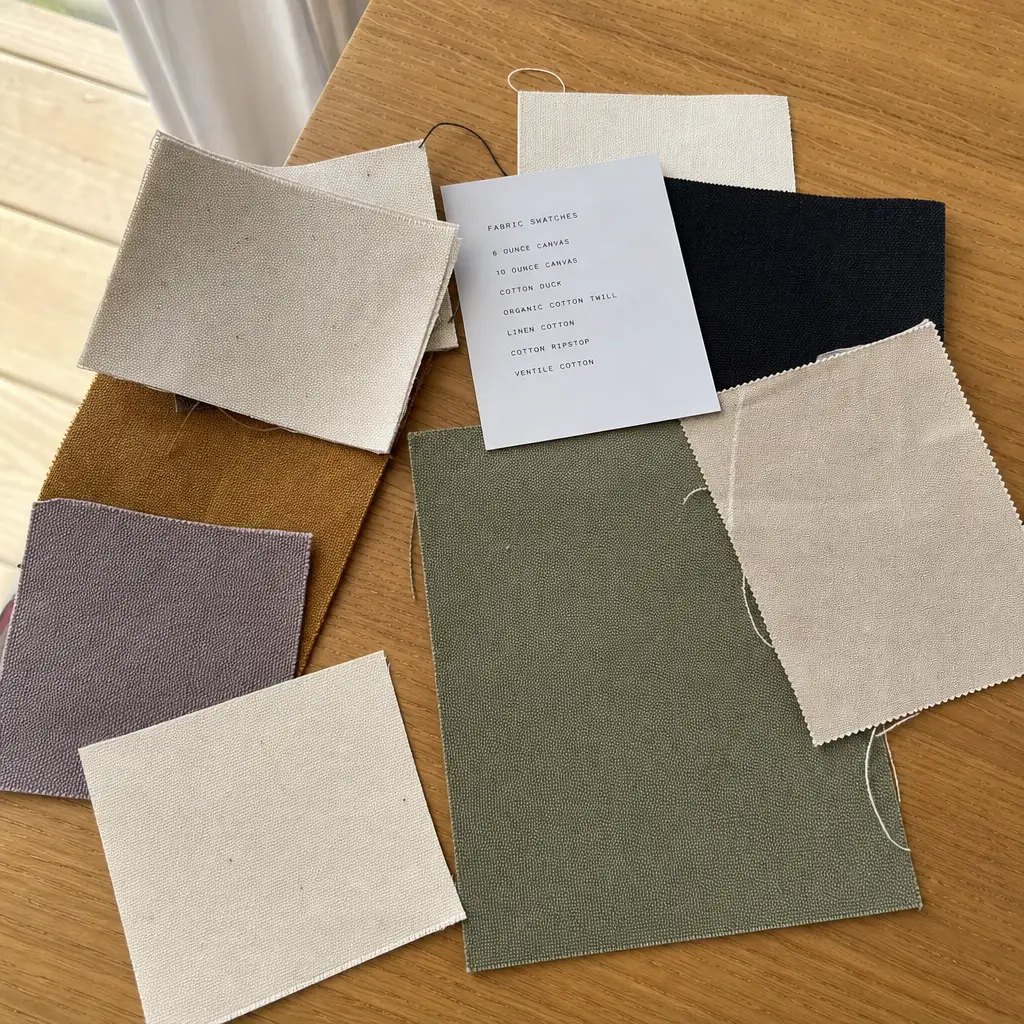
Start With the Pricing Problem, Not the Bag Photo
A custom canvas messenger bag for an artisan bakery can be a useful retail product, staff bag, wholesale sales tool, or loyalty gift. The pricing problem is that all four uses look similar in a product photo, but they do not need the same fabric, strap, pocket count, print method, or packing. If the RFQ only says “canvas messenger bag with logo,” supplier quotes will spread widely because each factory fills the missing details with its own cost assumptions.
For a bulk pricing plan, the buyer should first define the commercial role of the bag. A paid retail item needs stronger construction, cleaner finishing, and better packed appearance. A customer gift can use simpler hardware and fewer pockets if the logo looks good and the bag holds shape. A wholesale rep bag may need a laptop-friendly size and more strap reinforcement. These choices affect unit price more than small changes in logo artwork.
- Retail resale route: use 12oz or 14oz canvas, reinforced strap points, cleaner label finishing, and more careful individual packing.
- Promotion route: use 10oz or 12oz canvas, simplified interior, screen print on one panel, and economical carton packing.
- Staff or distributor route: prioritize comfortable strap length, inner zipper pocket, darker color options, and load testing.
- Gift-with-purchase route: control cost through fixed size, one-color print, no lining, and standard export carton packing.
Choose Fabric Weight by Use, Not by Habit
Canvas messenger bag pricing starts with fabric. In buyer discussions, 10oz, 12oz, and 14oz are common shorthand, but suppliers may calculate these weights differently depending on whether they refer to greige fabric, finished fabric, or washed fabric. For comparable quotes, request GSM as well as ounce weight. A practical middle specification for bakery programs is 12oz canvas, usually around 380-400 GSM after finishing, because it gives the bag enough body without pushing freight and sewing cost too high.
Natural cotton canvas suits artisan bakery branding because the fabric character looks honest and warm, but natural fabric also shows slubs, cotton seed specks, and shade variation. Dyed canvas improves color control for darker brand palettes but adds dyeing MOQ, shade approval, and possible rubbing concerns. Washed canvas gives a softer handfeel but can shrink, wrinkle, and change final dimensions. A low quote may hide a lighter fabric, looser weave, or rough finishing, so the fabric swatch should be treated as a price document, not just a color reference.
- 10oz canvas: cost-sensitive, lighter structure, better for giveaways than paid retail merchandise.
- 12oz canvas: balanced choice for most bakery bulk orders where the bag must look substantial but remain affordable.
- 14oz canvas: stronger handfeel and higher retail value, but heavier cartons and higher sewing effort.
- Dyed canvas: better brand color control, but needs lab dip approval and possible higher MOQ.
- Washed canvas: softer look, but requires dimension tolerance planning after wash shrinkage.
Build a Spec Ladder for MOQ and Unit Price
Bulk pricing becomes easier when the buyer prepares a spec ladder instead of one fixed specification. A good ladder has a base option, a standard option, and a premium option. Each option should change only the cost drivers that matter: fabric weight, lining, pocket count, hardware, label type, and print method. This allows procurement teams to compare real tradeoffs instead of receiving unrelated quotes from different suppliers.
MOQ is not one number. A factory may accept 300 pieces for sewing if using stock natural canvas and standard webbing, but the MOQ can rise for custom dyed fabric, custom zipper tape, custom metal hardware, woven labels, or printed cartons. When a supplier gives a low MOQ, identify which components are stock and which are custom. If the bakery brand wants consistent repeat orders, using standard fabric and custom print may be smarter than creating too many custom materials at the first order.
- Base option: 10oz or 12oz natural canvas, one-color screen print, no lining, one open pocket, standard strap.
- Standard option: 12oz canvas, front flap, inner zipper pocket, woven side label, reinforced strap bartacks.
- Premium option: 14oz canvas, lining, metal trim, branded woven label, two pockets, stronger carton packing.
- MOQ watchpoint: custom dye, custom hardware, custom zipper, woven labels, and printed cartons may each have separate minimums.
- Quote comparison rule: do not compare a 10oz unlined giveaway bag against a 14oz lined retail bag as if they are the same product.
Print and Branding Choices That Hold Up on Canvas
For bakery messenger bags, the most common branding method is screen printing on the flap or front panel. It is economical for one or two colors, works well with simple bakery logos, and can be printed before sewing for better registration. Large solid ink coverage on rough canvas needs careful curing; otherwise, the print may crack, rub, or feel stiff. If the artwork has fine lines, small type, or a detailed illustration, the supplier should produce a print strike-off on the actual fabric, not on a smooth substitute cloth.
Woven labels are a good supplement when the buyer wants a retail-grade finish without printing a large logo. A side seam label or flap edge label can carry the CottonToMaker or bakery brand mark cleanly. Embroidery can look premium but may pucker lighter canvas and costs more for large stitch counts. Heat transfer can capture detail, but it may not match the natural handfeel of canvas and should be tested for adhesion after folding.
- Screen print: best for simple bakery marks, one or two spot colors, and predictable bulk pricing.
- Woven label: good for small brand marks, retail finishing, and repeat programs using the same label stock.
- Embroidery: premium look for small logos, but test puckering and back-side comfort.
- Heat transfer: suitable for detailed graphics, but test edge lifting and fabric handfeel.
- Print placement: define distance from flap edge and side seams, with tolerance such as plus or minus 5 mm for normal bulk production.
Construction Details That Change the Real Cost
The visible shape of a messenger bag hides several cost decisions. A flap with a hidden magnetic snap is faster and cleaner than a true buckle closure. A decorative buckle with a practical snap underneath gives the appearance of a classic messenger bag while keeping user experience simple. A full lining improves perceived value, but it adds fabric, cutting, sewing time, and inspection points. For many bakery programs, an unlined 12oz canvas body with bound seams can be strong enough and more cost stable.
Strap construction deserves special attention because it controls both comfort and failure risk. Cotton webbing looks natural and matches canvas, while polyester webbing can be stronger and more colorfast. Adjustable straps require sliders and more sewing time. If the bag is expected to carry a tablet, catalog, bottled product, or small market purchase, strap anchors should use bartacks or box stitching. A cheaper quote may save pennies by reducing reinforcement, but that is where field complaints usually start.
- Flap closure: magnetic snap is clean; buckle styling costs more and should be tested for alignment.
- Strap type: cotton webbing matches the natural look; polyester improves strength and color consistency.
- Inner pocket: one zipper pocket adds useful value without making production too complicated.
- Gusset depth: 7-10 cm gives practical capacity; flat bags are cheaper but less useful.
- Seam finish: bound or overlocked seams should be defined so factories do not quote different internal finishing.
What Quote Data Makes Bulk Pricing Comparable
A professional quote should show more than a unit price. Procurement teams need enough data to compare construction, packing, lead time, and landed cost. At minimum, the quote should list finished size, fabric weight, color, print method, number of print colors, strap type, pocket count, closure type, packing method, pieces per carton, carton dimensions, gross weight, sample cost, setup cost, MOQ, production lead time, and quote validity.
When comparing suppliers, separate the price into the cost blocks that can change: fabric, sewing complexity, printing, labels, hardware, packing, and inland handling if applicable. This does not mean every factory must reveal its full cost structure, but it should explain which specification changes move the price. If one supplier is much cheaper, the missing data often sits in fabric weight, pocket construction, print size, carton strength, or inspection standard.
- Fabric data: ounce weight, GSM, color process, and whether the swatch is from available stock.
- Branding data: artwork size, print colors, label type, setup charges, and strike-off cost.
- Construction data: lining, pockets, closure, strap width, strap length, and reinforcement method.
- Packing data: individual bag method, pieces per carton, carton size, gross weight, and carton mark requirement.
- Commercial data: MOQ, tier pricing, sample lead time, production lead time, payment terms, and quote validity.
Sample Approval Should Simulate the Real Order
A pretty sample is not enough for a messenger bag bulk order. The approved sample should use the actual fabric weight, actual strap, actual closure, actual print method, and the same pocket layout planned for production. If the first sample uses substitute fabric or temporary hardware, mark it clearly as a construction sample only. Do not release bulk production until a pre-production sample confirms the final materials and branding.
The sample review should include loaded-use checks. Put realistic contents inside the bag: a small tablet, bakery catalog, loyalty cards, paper bag samples, or whatever the final user will carry. Review how the flap sits when loaded, whether the strap twists, whether the zipper pocket is accessible, and whether the print lands cleanly after the flap bends. This practical review prevents the common mistake of approving a bag that looks good flat but performs poorly in use.
- Measure finished width, height, gusset, flap drop, strap width, and adjustable strap range.
- Load the bag for several minutes and inspect strap anchors, flap alignment, and side seam stress.
- Rub the print with a clean white cloth after full curing to check ink transfer risk.
- Open and close the zipper pocket repeatedly to test slider smoothness and stitch clearance.
- Photograph the approved sample from front, back, inside, side, label close-up, and packed view for production reference.
Packing and Carton Planning for Import Buyers
Messenger bags can look damaged before the customer ever uses them if packing is not planned. Canvas creases are normal, but hard fold marks across a printed flap can make a retail item look rejected. Flat packing usually controls freight better than stuffing the bag, but the fold line should avoid the main print when possible. For a 12oz canvas messenger bag, many factories may pack around 25-40 pieces per export carton depending on size, lining, hardware, and whether each piece has a polybag or paper band.
Importers and distributors should request carton dimensions and gross weight before confirming the order, not after production. Carton data affects sea freight, courier cost for samples, warehouse handling, and pallet planning. Heavy cartons may reduce handling safety and increase damage risk. If the bakery program sells through retail stores, barcode labels, hangtags, or carton assortments should be included in the first RFQ so they do not become late-stage charges.
- Individual packing: recycled polybag protects the bag; paper belly band improves presentation but may not protect from moisture.
- Carton count: choose a carton weight that warehouse teams can handle without crushing lower cartons.
- Print protection: avoid direct ink-to-ink contact if the logo has heavy coverage or dark ink.
- Retail labels: define hangtag, barcode, country-of-origin label, and carton mark placement early.
- Pre-shipment packing photo: require one open carton and one sealed carton photo before final balance payment.
Lead Time Risks in Bakery Seasonal Programs
Bakery promotions often connect to holidays, farmers market seasons, store openings, or wholesale catalog releases. The risk is that the bag schedule is treated like a simple print job when it is actually a cut-and-sew production project. A realistic schedule includes artwork finalization, fabric swatch approval, print strike-off, sample making, sample shipping, revision time, material purchasing, bulk cutting, printing, sewing, inspection, packing, and freight booking.
Lead time should start from the last approval point, not the first inquiry. If the buyer changes fabric color, logo size, pocket layout, or packing method after sampling, the production clock may reset. For custom dyed fabric or custom woven labels, build extra time for lab dips and component production. For tight seasonal deadlines, it is safer to use stock natural canvas with a strong screen print than to chase too many custom components.
- Fastest stable route: stock natural canvas, standard webbing, one-color screen print, no custom hardware.
- Moderate route: stock fabric with woven label and inner zipper pocket, allowing time for label production.
- Higher-risk route: custom dyed canvas, custom hardware, multiple print colors, printed retail cartons.
- Approval control: assign one buyer contact to approve artwork, sample comments, and packing details.
- Schedule buffer: reserve time for sample shipping, holiday factory capacity, and inspection rework if defects appear.
Landed-Cost View: Cheap Unit Price Can Be Expensive
A bulk pricing plan should compare landed cost, not only factory unit price. A heavier 14oz lined messenger bag may have a higher unit cost and higher freight cost, but it may justify a retail price or brand value target. A thin 10oz bag may save money at the factory but create complaints if used as a paid item. The right answer depends on the bakery’s channel: retail shelf, distributor gift, staff use, or campaign giveaway.
Procurement teams should calculate cost per usable bag after defects, freight, packing, and handling. If the quote excludes individual packing, barcode labels, or final inspection, those costs still exist. If a supplier uses weak cartons, the buyer may pay later through crushed goods or warehouse repacking. A clear landed-cost comparison makes it easier for brand owners and importers to approve the correct specification instead of defaulting to the lowest first quote.
- Factory cost: bag materials, sewing, printing, labels, hardware, and standard export packing.
- Pre-shipment cost: samples, artwork setup, inspection, revised samples, and possible lab testing if required.
- Freight cost: carton volume, carton weight, shipping method, destination handling, and storage.
- Retail readiness cost: hangtags, barcodes, individual packing, carton marks, and warehouse relabeling.
- Failure cost: returns, replacement stock, brand complaints, late delivery, and unusable inventory.
Specification comparison for buyers
| Spec decision | Recommended option | When it fits | Buyer risk to check |
|---|---|---|---|
| Main fabric weight | 12oz canvas, about 380-400 GSM after finishing | Good balance for bakery retail staff gifts, customer loyalty kits, light laptop carry, and market-day use | Confirm whether supplier quotes greige, finished, or washed weight; compare by GSM and handfeel, not only ounce label |
| Premium fabric upgrade | 14oz canvas, about 450-480 GSM with reinforced seams | Useful for higher perceived value, wholesale distributor sales packs, or reusable customer purchase incentives | Heavier fabric raises fabric cost, needle wear, shipping weight, and may require stronger strap bartacks |
| Budget fabric route | 10oz canvas, about 300-340 GSM with simple flap and no lining | Works for short promotional campaigns where bag carries bread cards, catalogs, or light merchandise | May collapse when empty and can feel too thin for a paid retail item; require loaded-use sample testing |
| Print method | 1-2 color screen print on flap or front panel | Best for bakery logos, simple illustrations, anniversary marks, and seasonal campaign graphics | Ink coverage can crack on heavy texture if curing is poor; approve print strike-off on actual canvas |
| Logo detail option | Woven side label plus small front screen print | Good when the bakery wants a retail-grade look without large ink coverage | Label color, fold type, and placement tolerance must be specified before mass production |
| Closure construction | Front flap with hidden magnetic snap or metal buckle look with practical snap underneath | Fits messenger bag styling while keeping packing and daily use simple | Magnets can conflict with some buyer requirements; metal trim can add rust, nickel, and scratch risks |
| Interior organization | One inner zipper pocket and one open slip pocket | Useful for staff, loyalty customers, bakery route reps, or retail buyers carrying tablet, order forms, and keys | Extra pockets add sewing time and inspection points; confirm pocket size with real contents |
| Packing method | Flat packed in individual recycled polybag or paper belly band, 25-40 pcs per export carton depending on size | Keeps freight efficient and avoids heavy creasing on flap artwork | Over-compression can mark prints and distort flaps; require carton drop test and carton dimensions in quote |
Buyer checklist before sampling
- Define the bag use first: paid retail item, staff uniform accessory, wholesale rep bag, customer gift, or seasonal bakery campaign.
- Specify finished bag dimensions, gusset depth, flap size, strap length range, and acceptable tolerance before requesting price.
- Quote fabric by finished GSM or ounce weight, color, shrinkage expectation, and whether fabric is natural, dyed, washed, or laminated.
- Limit early pricing to two or three spec routes so suppliers can quote comparable construction instead of guessing.
- Request print pricing by artwork size, number of colors, ink type, setup charge, and whether the print is on cut panels or finished bags.
- Approve a pre-production sample with the actual fabric, strap, hardware, pocket layout, label, and logo placement before bulk cutting.
- Set practical QC thresholds for seam strength, print placement, color tolerance, carton weight, and packed appearance.
- Require carton dimensions, gross weight, net weight, pieces per carton, and packing photos before confirming freight estimates.
- Separate tooling, sample, artwork setup, and bulk unit price in the quote so landed-cost comparison is clear.
- Build schedule buffer for fabric dyeing, print strike-off, sample approval, production, inspection, and vessel or courier booking.
Factory quote questions to send
- What finished fabric weight and GSM are included in this price, and can you provide a swatch from the same fabric lot before sampling?
- Is the canvas natural, bleached, dyed, washed, or coated, and what shrinkage should we expect after finishing?
- What MOQ applies to the bag body, fabric color, print color, woven label, hardware, and carton customization separately?
- Which print method is quoted, what is the maximum artwork size, and is the print made on flat panels before sewing?
- Are strap, buckle, snap, zipper, lining, and inner pocket costs included in the unit price or listed as options?
- What sample types are included: material swatch, print strike-off, salesman sample, pre-production sample, and carton packing sample?
- What are the quoted tolerances for dimensions, print placement, logo color, stitching density, and strap length?
- How many pieces per carton are planned, what are the carton dimensions and weights, and does the quote include individual polybags?
- What production lead time starts after which approval point: deposit, artwork approval, fabric approval, or pre-production sample approval?
- Can the factory provide inline inspection photos and a final AQL report before shipment booking?
Quality-control points to confirm
- Finished dimensions within commonly agreed tolerance, such as plus or minus 1 cm for body width and height and plus or minus 0.5 cm for pocket placement, unless the order requires tighter retail specs.
- Fabric weight verified by swatch or cutting sample, with visible defects, slubs, stains, oil marks, and shade variation separated from acceptable natural cotton character.
- Seam strength tested at strap anchor, flap edge, gusset corner, pocket top, and zipper end because messenger bags fail first at load-bearing points.
- Bartacks or reinforced stitching used at both strap attachment points, with no skipped stitches, loose thread nests, or needle damage.
- Print color, curing, adhesion, and placement checked on actual canvas, including rub test after curing and folding test near the flap bend.
- Hardware inspected for smooth operation, rust marks, sharp edges, plating consistency, and correct alignment after the bag is loaded.
- Zipper pocket checked for slider movement, stopper security, stitch clearance, and practical opening size for intended contents.
- Final packing checked for clean folding, correct barcode or hangtag placement if used, dry cartons, carton strength, and no print transfer between packed bags.