Why this bag looks simple but creates quote drift
Custom canvas grocery totes are one of the easiest products to under-specify. Buyers often send a logo and a target unit price, then receive wildly different quotes because each supplier assumed a different fabric weight, handle build, print process, and packing method. For craft fair programs, that mismatch usually appears too late: the sample looks acceptable, but the bulk order lands with thinner fabric, a smaller print area, or cartons that drive freight higher than planned.
The solution is not to over-engineer the bag. It is to define the commercial use clearly enough that suppliers quote the same product. A tote sold at a craft fair needs a different structure from a tote given away at an event. If the bag will carry jars, candles, books, or produce, the construction must support repeated loading without a soft, stretched-out handle or a boxy body that collapses at retail display.
- For retail resale, prioritize stable fabric weight and clean finishing over decorative extras.
- For event giveaway, you may reduce GSM, but do not remove reinforcement at handles.
- For grocery use, build around load-bearing seams and a bottom or side gusset that holds shape.
Choose fabric weight based on how the bag will be used, not just on price
The most practical starting point is 10 oz to 12 oz canvas, which often corresponds to roughly 340 to 410 GSM depending on weave and finishing. That range gives a good balance of structure, print clarity, and retail feel. Below that, the bag may look acceptable empty but feel weak when filled. Above that, the bag becomes heavier to ship and often adds cost without a meaningful gain unless you are positioning the tote as a premium lifestyle item.
When comparing suppliers, make sure the fabric weight is stated clearly and not left as a generic term like “heavy canvas.” Ask whether the measurement is before or after finishing, because coating, washing, and calendering can change hand feel. Also ask whether the mill lot is 100% cotton, recycled cotton, or a blended construction. A blend can reduce wrinkling and cost, but it may change print absorption and the natural look buyers expect from a canvas grocery tote.
- 10 oz canvas: better for lower-cost event bags and lighter merch.
- 12 oz canvas: safer for grocery and craft fair retail use.
- Recycled blends: useful for sustainability positioning, but verify print behavior and color consistency.
Print method affects approval timing, cost, and rework risk
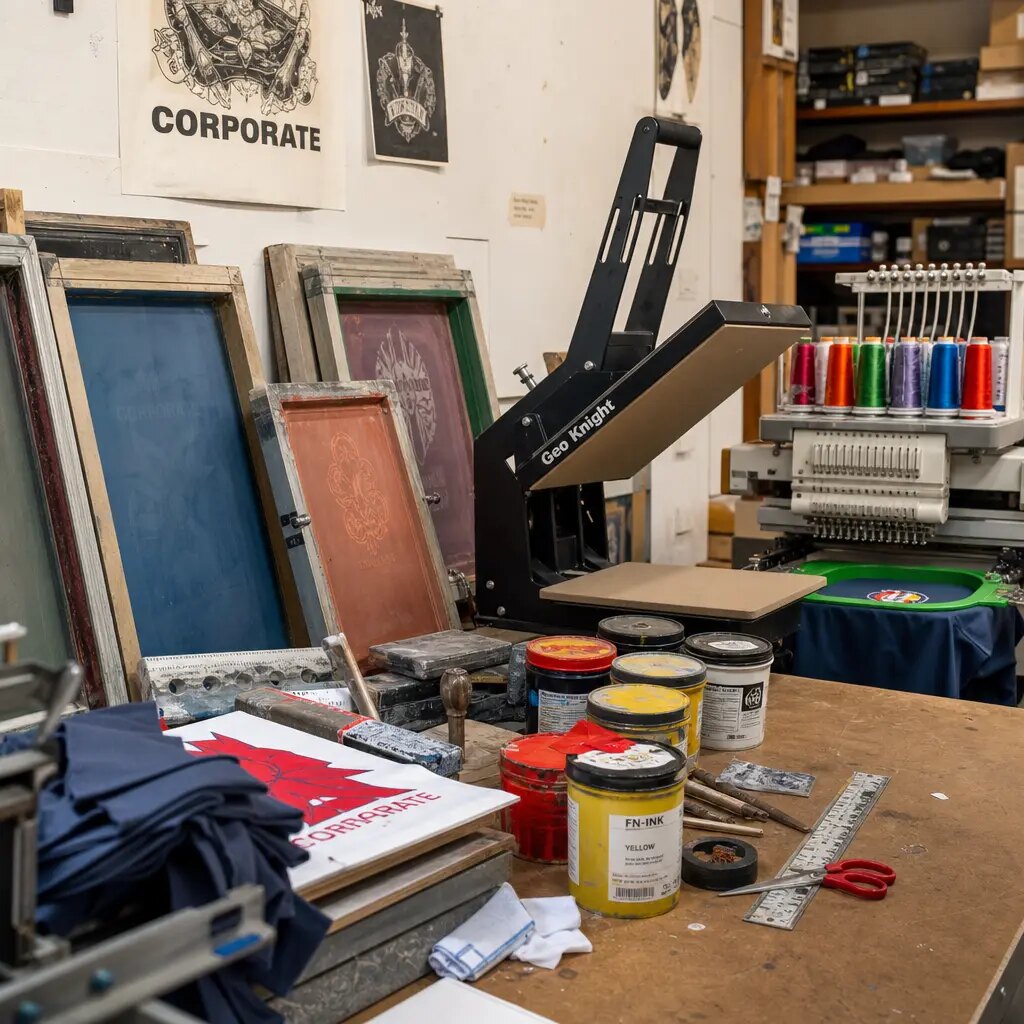
For most custom canvas grocery totes, screen printing is the default choice because it is durable, economical, and consistent for simple logos. If your artwork uses one to three solid colors and a fairly large logo area, screen print normally gives the cleanest balance between unit cost and visual impact. The key is to control the print location, ink opacity, and curing method so the logo does not crack when the bag is folded and reopened many times.
Digital or heat transfer methods can be useful when the design has gradients, small text, or short-run variety, but they are not automatically better. Heat transfer often looks sharp on a sample yet becomes a problem if the bag is tightly folded in transit or handled frequently by shoppers. For a craft fair buyer, the real question is not “which print is trendy,” but “which method survives retail handling and still matches the approved sample after production pressure builds.”
- Screen print: best for simple branding and repeat orders.
- Heat transfer: acceptable for complex art or low-volume trials, but test fold lines.
- Embroidery: premium look on thicker canvas, but slower and usually higher cost.
- Woven or sewn label: useful when you want brand ID without heavy ink coverage.
Use MOQ logic to avoid paying for unnecessary variety
MOQ is rarely a single number that applies to every version of the tote. Good factories usually price by fabric color, print color count, and sometimes by handle or label changes. That means a black tote with one-color print may carry a different MOQ than a natural tote with two colors and a sewn side label. If you request multiple colorways or artwork variations in one order, ask whether the factory can consolidate production or whether each variant creates a separate setup and minimum.
For procurement teams, the cheapest quote is often the one that hides complexity. A low MOQ may look attractive until the supplier adds screen charges, special packing fees, or a surcharge for mixed styles. Better quoting practice is to compare total landed cost at the style level, not just the price per bag. If you expect repeat programs, it can be smarter to order one core SKU at a healthier MOQ and leave variant testing for a smaller pilot run.
- Separate MOQ by blank bag, printed bag, and labeled retail pack.
- Treat each print color as a possible setup cost unless the supplier says otherwise.
- Use one master SKU for the first production run when timeline risk is high.
Compare supplier routes with the right commercial lens
The best sourcing route depends on order size, design complexity, and your internal tolerance for coordination. A direct factory usually gives the strongest control over fabric, seams, print registration, and packing, especially if you plan to reorder. A trading company may be easier for mixed product baskets, but the quote can be less transparent when you need to see where cost is being added. Local decorators or bag converters can help with speed, though they may have less control over textile sourcing and carton economics.
For a craft fair buyer, the decision should be based on repeatability, not just convenience. If the tote is tied to retail branding or a seasonal program, supplier transparency matters more than saving a small amount per bag. You want a route that can show pre-production samples, confirm material lots, and handle small but important changes without rebuilding the entire order.
- Direct factory: best for repeat orders, spec control, and clearer QC ownership.
- Trading route: useful when you need multiple product categories in one shipment.
- Local converter: useful for speed and lower coordination, but usually higher unit cost.
Use the right comparison table before you judge any quote
When quotes arrive, do not compare them only by unit price. Put each supplier into the same frame: fabric weight, print method, handle reinforcement, MOQ, lead time, packing, and the level of proof they provide. Two quotes that look close on paper can diverge sharply once cartons, print setup, and domestic fees are added. The table below is the practical way to separate a serious factory quote from a rough estimate.
This comparison also helps procurement teams push back on vague offers. If one supplier cannot state carton count, sample policy, or acceptable tolerances, you do not yet have a quote you can buy against. You have an estimate.
- Write decisions in measurable language, not only descriptive wording.
- Ask for sample photos plus one physical approval sample for important orders.
- Keep quotation, sample approval, and inspection notes tied to the same spec version.
QC thresholds that matter on a grocery tote
The highest-risk defects on a canvas grocery tote are usually not dramatic. They are small failures that show up in a retail aisle or after the first use: a handle seam that opens, a crooked logo, a stain on the front panel, or a size deviation that changes the bag’s shelf presence. A procurement team should write QC targets in practical language that the factory can inspect against, not only in general statements like “good quality.”
A useful standard is to set measurement tolerances for width, height, and gusset, then add visual criteria for stitching and print. For a bag that will be sold at craft fairs, the retail-facing side should have tighter cosmetic control than a back-of-bag utility panel. If the tote is folded for shelf display, verify that the fold line does not damage the print or leave a permanent crease at the logo area.
- Measure a sample batch after pressing and packing, not only before packing.
- Inspect handle stitching with a pull test on sample units.
- Reject visible oil stains, broken threads at the front panel, and off-center prints beyond tolerance.
- Confirm every carton count physically, especially when orders are split across styles.
Sample approval should prove the final order, not only the artwork
A good sample process has three layers: blank sample, pre-production sample, and production reference. The blank sample confirms the body size, fabric feel, handle width, and seam behavior. The pre-production sample confirms print color, logo placement, label position, and folding style. The final production reference should stay on the line so operators can compare real output to the approved target.
Do not approve a sample just because the logo looks right. Hold it against the use case. Fill it with grocery-weight items, fold it, reopen it, and inspect whether the handles stretch, the bottom sags, or the print cracks at the fold line. If the bag is meant for resale, put it on a shelf and evaluate how it presents empty. Retail buyers often forget that the empty silhouette sells the product before the customer loads it.
- Approve actual color against a physical standard, not just a screen file.
- Test one loaded sample with a realistic grocery weight.
- Confirm the side label, care label, or barcode placement before bulk approval.
Packing and carton planning can change the landed cost
Canvas grocery totes are soft goods, but they still create freight costs if packing is poorly planned. A tote packed loosely may look fine but waste carton volume. A tote packed too tightly can leave hard crease marks, crush handles, or distort the print. The factory should give you carton dimensions, pack quantity, net weight, and gross weight so your logistics team can estimate the true landed cost before PO release.
For craft fair buyers, shelf-ready appearance matters. Flat-packed bags in protective polybags usually travel better and are easier to count on arrival. If you need barcode labels, retail tags, or insertion cards, add them before production starts because they can affect labor, carton fill, and compliance with your retail channel requirements.
- Request carton dimensions and pack count in every quote.
- Use polybag protection only if it does not trap moisture or add unnecessary labor.
- Align carton counts with your warehouse receiving process to reduce relabeling.
Lead time risk usually starts before production, not during sewing
Most schedule problems come from sample delays, artwork corrections, and late packing decisions. If the supplier says 30 to 45 days after sample approval, that is only realistic when all technical details are frozen. A buyer who changes handle length, print placement, or pack method after approval can easily lose a week or more before production even starts. For seasonal craft fair programs, that time loss matters more than a small unit price difference.
Build your schedule around approvals. A clean workflow is: spec sheet, quote comparison, sample approval, PO release, bulk production, inspection, and ship booking. If the factory is slow to respond at the quotation stage, assume that pace may continue once production starts. Fast replies during quoting do not guarantee strong line control, but very slow responses are usually a warning sign.
- Freeze artwork and size before requesting the pre-production sample.
- Allow time for one correction cycle if the print color is brand critical.
- Book shipping only after the factory confirms carton finalization.
Specification comparison for buyers
| Spec decision | Recommended option | When it fits | Buyer risk to check |
|---|---|---|---|
| Fabric weight | 10 oz to 12 oz canvas, or 340 to 410 GSM | Best balance for grocery use, craft fair resale, and logo printing without looking too flimsy | Too light and the tote collapses; too heavy and freight cost rises without improving sell-through |
| Supplier route | Direct factory with sampler and bulk line support | When you need repeat orders, stable specs, and control over print and packing | Trading layers can hide fabric substitutions, slower responses, and weaker QC traceability |
| Print method | Screen print for 1-3 solid colors; heat transfer only for short runs or complex art | Best for clear logos, event merch, and retail-ready branding | Heat transfer may crack in folding and washing; overly detailed art may blur on coarse canvas |
| Handle construction | Reinforced self-fabric handles or webbing handles with bar-tack reinforcement | When bags will carry groceries, candles, ceramics, or other heavier craft fair purchases | Weak handle stitching is the fastest failure point and damages brand perception |
| MOQ structure | Tiered MOQ by fabric color and print color count | When you need multiple SKU variants without overcommitting to one design | Low MOQ quotes can hide setup fees, price jumps, or delayed consolidation across variants |
| Packing method | Flat packed in polybags with carton counts matched to shipper requirements | When you want better carton utilization and lower damage risk in transit | Overpacked cartons crush handles and create crease marks that affect retail presentation |
| Lead time | 30 to 45 days after sample approval for standard specs | When the purchase plan allows normal sampling, approval, and production windows | Short lead times can mean unapproved substitutions, partial shipments, or rushed printing defects |
| Quality standard | AQL-based inspection with seam, print, and measurement tolerances agreed in writing | When the order is large enough that defect rate matters to margin and rework cost | If tolerances are vague, the factory may pass bags with loose threads, crooked prints, or inconsistent sizing |
| Landed-cost route | Compare EXW, FOB, and DDP only after carton dimensions and HS handling are clear | When you need true margin planning for retail or distribution | Unit price alone can be misleading if cartons are bulky or domestic fees are omitted |
Buyer checklist before sampling
- Lock the tote use case first: grocery carry, craft fair resale, event giveaway, or bundled merchandise bag.
- Approve one target fabric range, usually 10 oz to 12 oz canvas or 340 to 410 GSM for a dependable retail feel.
- Define exact finished size, gusset depth, handle length, and top hem construction before requesting quotes.
- Choose one primary print method and one backup method if you have multiple artwork versions.
- Request blank and printed samples, then inspect seam strength, print alignment, and actual bag weight.
- Ask for carton count, carton size, and packing method before comparing freight.
- Set a tolerance for size variance, stitch defects, print registration, and color deviation in writing.
- Compare MOQ by color, print color count, and accessory changes instead of reading MOQ as a single number.
- Confirm whether the quote includes sampling, plates or screens, labeling, inner packing, and export cartons.
Factory quote questions to send
- What is the exact fabric weight in oz and GSM, and is it measured before or after finishing?
- Is the canvas 100% cotton, recycled cotton, or a cotton-poly blend, and does the hand feel match the sample?
- What are the finished dimensions, seam allowances, gusset depth, and handle drop, and what size tolerance do you guarantee?
- Which print method is included in the quote, how many colors are included, and what setup fees apply?
- What is the MOQ per color, per print design, and per packing style?
- Can you share a blank sample, a pre-production sample, and photos of the production line or QC checkpoints?
- What carton dimensions, pack quantity, and gross weight do you propose for this order?
- What is the production lead time after sample approval, and what events would delay it?
- What defects are covered under your inspection standard, and what is your rework or replacement policy?
- Which Incoterm is quoted, and what charges are excluded from the unit price?
Quality-control points to confirm
- Fabric weight within the agreed range, with no mixed lots unless pre-approved.
- Finished size within tolerance on width, height, and gusset after sewing and pressing.
- Handle reinforcement intact, with bar-tack or seam stitching strong enough for loaded use.
- Print centered, sharp, and aligned; no smearing, pinholes, ghosting, or color bleeding.
- Stitch count consistent, seam ends secured, and no skipped stitches at stress points.
- No visible stains, oil marks, broken threads, or fabric slubs that would be obvious at retail.
- Cartons labeled correctly, packed to the agreed count, and not over-compressed.
- Random load test on sample units to confirm handle and seam performance for grocery weight.